Rokinon 14mm F2.8 Wide Angle Lens
Overview
The Rokinon 14mm F2.8 Wide Angle Lens has been one of the most talked-about budget ultra-wide options for Canon EF shooters since it launched in 2010 — and with over 2,500 ratings, it clearly still resonates. On a full-frame body, you get a 115.7° angle of view, which is genuinely dramatic. But before anything else: this is a manual focus only lens, no exceptions. That single fact shapes the entire experience, and buyers who overlook it tend to regret the purchase quickly. It is not competing with Canon L-series glass, nor does it pretend to. Think of it as a capable, no-frills optic for photographers who want extreme wide-angle reach without a painful investment.
Features & Benefits
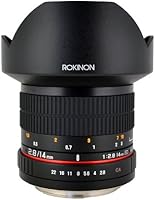
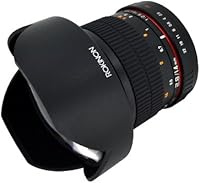
At F2.8, this ultra-wide Rokinon lets in enough light to be genuinely useful for Milky Way shoots and dimly lit interiors. The optical construction runs 14 elements across 10 groups, incorporating aspherical, ED, and HR glass to keep center sharpness competitive and manage chromatic aberration. Ultra multi-coating helps reduce flare when pointing toward strong light sources. A built-in petal-shaped hood is a practical inclusion that saves you hunting for an aftermarket accessory. One thing worth flagging early: there is no filter thread, meaning standard ND or polarizer filters will not attach directly — a real consideration for landscape work. The 28cm minimum focus distance does allow for some creative ultra-wide close-up framing.
Best For
This manual wide-angle lens is a natural fit for landscape and travel photographers who work in wide-open spaces — mountain ridges at golden hour, coastal panoramas, or vast desert terrain where pulling in maximum sky makes sense. Night sky photographers have particularly embraced it; the wide aperture and extreme field of view make it a reliable pick for astrophotography on a budget. Architecture and interior shooters working in cramped rooms will find the focal length gives them breathing room. Budget-conscious filmmakers comfortable with manual focus pulls can extract cinematic ultra-wide shots from it. Anyone dependent on autofocus or shooting fast-moving subjects should look elsewhere.
User Feedback
Sitting at a 4.4-star average across thousands of buyers, the 14mm Rokinon has built a reputation for solid value — though the community is candid about its limitations. Center-frame sharpness and low-light capability earn consistent praise, especially among astrophotographers and landscape shooters. Build quality also gets favorable marks considering the price tier. On the critical side, reviewers regularly point out heavy vignetting wide open and chromatic aberration creeping into the corners. Some long-term owners report the focus ring feels stiff or needs calibration over time. The single most repeated complaint, however, comes from buyers who missed the manual-focus-only nature of the lens — a frustration that is entirely avoidable with a careful read of the specs.
Pros
- Delivers a dramatic 115.7-degree full-frame angle of view at a fraction of the cost of OEM ultra-wide glass.
- F2.8 maximum aperture makes this ultra-wide Rokinon a legitimate tool for Milky Way and night sky photography.
- Center-frame sharpness at F5.6 to F8 is strong enough for landscape and travel work at this price tier.
- Ultra multi-coating across 14 optical elements keeps flare and ghosting well-controlled in most shooting conditions.
- Built-in petal-shaped lens hood is a thoughtful inclusion that saves you hunting for a compatible aftermarket accessory.
- At 1.22 pounds, it is light enough to carry comfortably on long hikes or extended travel days.
- Compatible with Canon EF, Nikon, Sony, Fuji, and Micro Four Thirds mounts — it adapts to system changes.
- The 28cm minimum focusing distance opens up creative ultra-wide close-up compositions most photographers do not expect at 14mm.
- More than a decade of sustained user satisfaction and over 2,500 ratings signal this is a proven, reliable option.
Cons
- No autofocus of any kind — buyers who overlook this detail consistently report frustration and regret after purchase.
- Heavy vignetting wide open at F2.8 requires consistent post-processing correction on nearly every frame.
- Corner softness is noticeable at wider apertures and never fully resolves, even when stopped down significantly.
- Chromatic aberration creeps into high-contrast edges near the frame corners, adding editing time on critical shots.
- No filter thread means standard ND and polarizer filters are incompatible without an expensive drop-in filter system.
- Some copies exhibit focus ring stiffness or calibration inconsistencies, suggesting variable quality control across production batches.
- Barrel distortion on straight lines near frame edges requires correction work in post, particularly for architecture and interiors.
- No electronic contacts on certain mount versions means aperture data may not be recorded in image EXIF metadata.
- The extreme focal length is too specialized for everyday use — it demands intentional composition and does not flatter every subject.
Ratings
The Rokinon 14mm F2.8 Wide Angle Lens has been stress-tested by thousands of real-world shooters — landscape enthusiasts, night sky chasers, architecture photographers, and budget-conscious filmmakers — and our AI has analyzed verified global user reviews while actively filtering out spam, bot activity, and incentivized feedback to produce the scores below. What you see reflects an honest picture: where this ultra-wide Rokinon genuinely punches above its weight, and where it asks you to make real compromises.
Optical Sharpness (Center Frame)
Edge & Corner Sharpness
Vignetting Control
Chromatic Aberration
Flare & Ghosting Resistance
Build Quality & Feel
Low-Light Performance
Manual Focus Usability
Value for Money
Distortion Control
Filter Compatibility
Angle of View & Focal Length Versatility
Mount & Compatibility Range
Weight & Portability
Suitable for:
The Rokinon 14mm F2.8 Wide Angle Lens was built for photographers who want an extreme field of view without the financial commitment of a premium OEM option — and it delivers convincingly for the right person. Landscape photographers will get the most mileage out of it: the 115.7-degree full-frame view is genuinely dramatic for capturing vast mountain ranges, sweeping coastlines, or wide desert skies at golden hour. Astrophotographers are arguably its most enthusiastic audience, using the F2.8 aperture and wide coverage to capture Milky Way arches and aurora displays without expensive alternatives. Architecture and interior photographers working in tight spaces — small rooms, narrow hallways, compact commercial kitchens — will find the focal length gives them compositional freedom that nothing shorter can provide. Budget-conscious videographers who are already comfortable working with manual focus pulls can extract cinematic, wide establishing shots from it at a fraction of what a comparable cine lens would cost. It also suits enthusiasts on a learning journey who want to experiment with perspective distortion and ultra-wide composition without a major financial risk.
Not suitable for:
If autofocus is part of your standard workflow, stop here — the Rokinon 14mm F2.8 Wide Angle Lens is fully manual focus with no exceptions, no electronic focus confirmation on some mount versions, and no hybrid or focus-by-wire option. Sports, wildlife, event, and wedding photographers who need to track moving subjects quickly will find this lens practically unusable in real shooting conditions. Photographers who rely on screw-in ND or polarizer filters for long-exposure waterfall shots or contrast-rich landscape work should also think carefully: the bulbous front element has no filter thread, and while third-party drop-in filter systems exist, they are a costly and cumbersome workaround. Anyone expecting edge-to-edge optical precision — particularly real estate photographers delivering images at full resolution where corner sharpness and straight lines are client requirements — will find the vignetting and corner softness at wider apertures harder to accept professionally. If you intend to print at large format and need consistent results across the frame without heavy post-processing correction, this manual wide-angle lens will ask more of you in editing than most buyers anticipate.
Specifications
- Focal Length: Fixed 14mm focal length designed for ultra-wide-angle coverage on both full-frame and APS-C sensor cameras.
- Maximum Aperture: F2.8 maximum aperture enables shooting in low-light conditions including nightscapes and indoor environments without flash.
- Minimum Aperture: The aperture range closes down to F22, allowing for long-exposure and maximum depth-of-field shooting in bright conditions.
- Angle of View: Covers 115.7° on full-frame sensors, 93.9° on standard APS-C sensors, and 89.9° on Canon APS-C crop bodies.
- Optical Construction: 14 optical elements arranged across 10 groups, incorporating 1 aspherical, 2 ED, 3 HR, and 1 hybrid aspherical special element.
- Coating: Ultra multi-coating is applied to reduce internal reflections, flare, and ghosting across the full element stack.
- Diaphragm Blades: 6-blade diaphragm controls the aperture opening and contributes to the rendering character of out-of-focus areas.
- Focus Type: Fully manual focus only — there is no autofocus motor, electronic focus assist, or focus-by-wire system of any kind.
- Min Focus Distance: Minimum focusing distance is 11 inches (0.28m), allowing for closer subject placement than typical ultra-wide lenses.
- Filter Thread: No filter thread is present due to the protruding bulbous front element required by the extreme angle of view.
- Lens Hood: A petal-shaped lens hood is permanently built into the front of the lens barrel and cannot be removed or replaced.
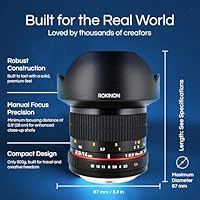
- Max Diameter: The widest point of the lens barrel measures 3.4 inches (87mm) in diameter.
- Dimensions: Overall lens dimensions measure 3.43 inches long by 3.4 inches wide by 3.4 inches deep (approximately 87 x 87 x 87mm).
- Weight: The lens weighs 1.22 pounds (approximately 553g), making it manageable for field use on a standard DSLR or mirrorless body.
- Mount Compatibility: Available in Canon EF, Nikon F, Sony A, Sony E, Fuji X, Samsung NX, Micro Four Thirds, and Olympus Four Thirds mounts.
- Full-Frame Support: Designed with image circle coverage for full-frame 35mm sensors, with no mechanical vignetting from the mount on compatible bodies.
- Manufacturer: Made by Rokinon, a South Korean optical brand also sold under the Samyang name in certain regional markets.
- Release Year: First made available in July 2010 and has remained in active production and sale continuously since that date.
Related Reviews
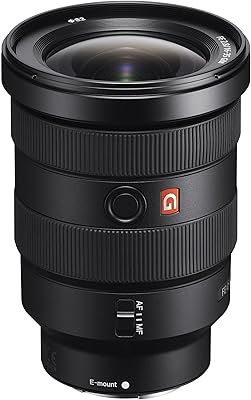
Sony FE 16-35mm F2.8 GM Zoom Lens
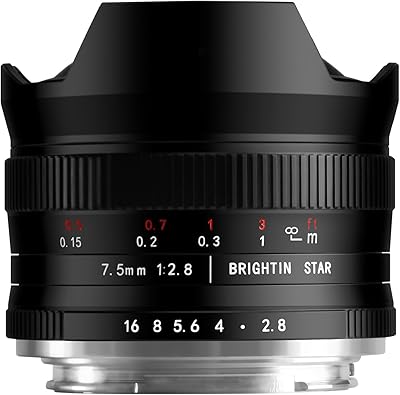
Brightin Star 7.5mm F2.8 III Fisheye Lens
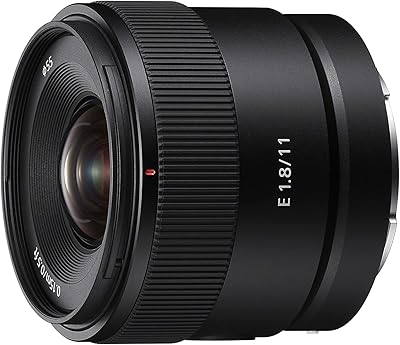
Sony E 11mm F1.8 APS-C Ultra-Wide-Angle Prime Lens
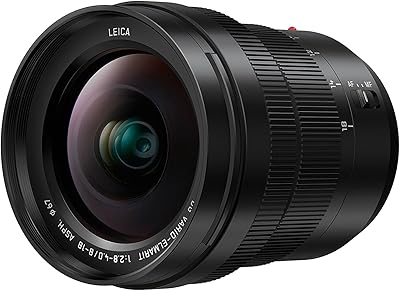
Panasonic Leica DG 8-18mm Wide-Angle Zoom Lens
Fujifilm X-S20 XF16-50mm Mirrorless Camera Kit
Canon RF 28mm F2.8 STM Wide-Angle Lens
Viltrox AF 20mm F2.8 Wide-Angle Lens
Sony FE 14mm F1.8 GM Wide-Angle Prime Lens
Canon RF 28-70mm F2.8 IS STM Lens