Overview

The Calibrite ColorChecker Digital SG Calibration Chart is a professional-grade color reference target built for photographers, cinematographers, and print specialists who treat accurate color as non-negotiable. Calibrite inherited the ColorChecker lineage from X-Rite, and that history carries genuine credibility in color-managed workflows. This calibration chart sits firmly above the entry-level Classic in both complexity and capability — the 8 x 11.5 inch target is sized for studio and lab environments, not quick on-location grabs. If you are just getting into color management, the learning curve here is real. This is a precision instrument for people who already know exactly what they need.

Features & Benefits

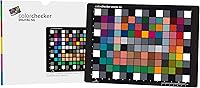
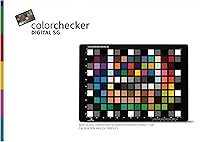
What sets this color target apart from simpler charts is the range of its 140 color patches — near-neutrals, memory colors, and deeply saturated hues — all on a single 9 x 12 inch surface. That variety lets you correct white balance, evaluate exposure, and generate full ICC profiles without swapping tools mid-workflow. The matte surface finish keeps specular reflections out of your captures, which matters in any controlled lighting setup. Whether you are profiling cameras, grading footage, or validating a print run, the ColorChecker SG covers it. Software compatibility is broad, though getting full value from those 140 patches usually means pairing it with dedicated profiling applications.

Best For

The ColorChecker SG is squarely aimed at working professionals. Commercial product photographers who need consistent, repeatable color delivery to clients will find it indispensable. Cinematographers and colorists benefit from having a reliable grading reference that holds up across different camera systems and lighting rigs. Print and prepress teams use it to close the gap between what they see on screen and what comes off the press. It also fits more technical settings — engineers and researchers comparing color rendition across devices, media, or lighting sources. If you shoot casually on weekends, the Classic is probably enough. This chart belongs in a color-managed workflow.

User Feedback

Across more than 800 ratings, this calibration chart holds a strong 4.5-star average, and professional users are consistently enthusiastic. Photographers and colorists frequently highlight the patch variety as the standout strength, particularly when building custom camera profiles. That said, the reviews are not without nuance. Beginners new to color management often find the chart overwhelming, and a handful of users encountered software compatibility questions — not every application fully leverages all 140 patches out of the box. A few reviewers also raised practical points about handling and storage between shoots. Most professionals consider the price well justified for what they get; hobbyists occasionally wonder whether the Classic would have been sufficient.

Pros

  • 140 color patches covering neutrals, memory colors, and saturated hues give far more profiling depth than basic charts.
  • The matte surface holds up well under studio lighting, keeping reflections out of your calibration captures.
  • Works across photography, video, print, and display calibration — one tool that covers multiple professional workflows.
  • Calibrite's X-Rite heritage means the patch data is trusted by color science professionals worldwide.
  • Large 8 x 11.5 inch target size makes it easy to position accurately in controlled studio or lab setups.
  • Supports full ICC profile generation, white balance correction, and exposure evaluation in a single capture.
  • Compatible with a wide range of color management and profiling software, including third-party tools.
  • Professionals consistently report that this color target pays for itself quickly in time saved during post-production.
  • Highly repeatable results across sessions, which matters for long-running commercial projects or client consistency.
  • Ranked among the top color calibration charts on the market, with strong ratings backed by hundreds of verified buyers.

Cons

  • Steep learning curve — buyers without prior color management experience will struggle to get full value from it.
  • No included carrying case or protective sleeve, which makes safe storage between shoots an afterthought.
  • Full functionality depends heavily on pairing it with capable profiling software, sold separately.
  • Its large footprint rules it out entirely for location, travel, or event photography workflows.
  • Some users have reported confusion about which software applications actually support all 140 patches.
  • Represents a significant investment that hobbyists or part-time photographers are unlikely to fully justify.
  • Physical chart requires careful handling to avoid scratches or contamination that could compromise patch readings.
  • Not ideal for video shooters who need a compact reference target they can quickly drop into a scene.
  • Setup and integration into an existing workflow can require meaningful time investment upfront.
  • Buyers who only need basic white balance correction are almost certainly overpaying for this level of capability.

Ratings

Our AI-generated scores for the Calibrite ColorChecker Digital SG Calibration Chart are based on analysis of verified buyer reviews collected worldwide, with spam, bot-generated, and incentivized feedback actively filtered out before scoring. The ratings reflect the full picture — where this color target genuinely excels for professionals and where real buyers have encountered friction — so you can make a confident, informed decision.
Color Accuracy
94%
Professional users consistently describe the patch accuracy as exceptional, with colorists and commercial photographers reporting that profiles built from this color target hold up reliably across different lighting conditions and camera systems. The 140-patch layout gives profiling software far more data points to work with, which translates directly into tighter, more predictable results in post-production.
A small number of users have noted that accuracy is only as good as the capture conditions — inconsistent lighting or camera shake during the reference shot can introduce errors that have nothing to do with the chart itself. This is less a flaw than a reminder that the tool rewards careful technique.
Patch Range & Variety
92%
The combination of near-neutrals, memory colors, and saturated hues in a single target is something working photographers and colorists genuinely value. Reviewers who previously used the Classic frequently describe the SG as a significant upgrade when building custom camera profiles, particularly for matching skintones and saturated product colors.
The sheer number of patches can feel overwhelming to anyone not already comfortable with color management software. Users who do not have access to profiling tools that fully interpret the SG layout end up using only a fraction of those 140 patches, which undercuts the value proposition significantly.
Build & Surface Quality
78%
22%
The matte surface finish performs well in studio lighting, resisting the specular reflections that can corrupt calibration captures when using glossy alternatives. Most professional users report that the physical construction feels solid and purpose-built rather than fragile.
Several reviewers raised concerns about long-term surface protection, particularly the lack of any included case or sleeve. Handling the chart repeatedly without dedicated storage introduces real risk of micro-scratches or contamination on the patch surface, which over time can affect reading consistency.
Size & Usability
71%
29%
In a controlled studio environment, the 9 x 12 inch format is genuinely practical — it sits flat on a surface, holds position on a stand, and is large enough to fill a meaningful portion of the frame even at moderate shooting distances. Commercial studio photographers appreciate not having to crop tightly just to capture usable patch data.
Outside the studio, the size becomes a liability. Photographers who work on location, at events, or in tight spaces find it cumbersome to transport and position reliably. Several buyers specifically noted they wished they had considered a smaller format chart for their particular shooting style before purchasing.
Software Compatibility
67%
33%
The ColorChecker SG works with Calibrite's own software suite and integrates with several well-regarded third-party color management applications used in professional environments. Users who were already embedded in a color-managed workflow generally found setup straightforward and appreciated the broad compatibility.
A recurring theme in user feedback is confusion about which applications actually support all 140 patches versus just a subset. Some buyers discovered after purchase that their existing software only recognized a portion of the patch layout, requiring either a software upgrade or a workflow change they had not anticipated.
Value for Money
69%
31%
Professional users — commercial photographers, colorists, and print specialists — broadly view the investment as justified when measured against the time saved and the client-ready consistency it delivers. For anyone billing for color-accurate work at a professional level, the cost-per-use calculation works out favorably over time.
Hobbyists and part-time photographers are the most vocal skeptics on value, and their hesitation is understandable. If your workflow does not genuinely demand 140-patch profiling or ICC generation, the price gap between this and the ColorChecker Classic is difficult to justify on purely practical grounds.
Ease of Use
58%
42%
For photographers and colorists who already understand color management workflows, using this color target is fairly intuitive — you capture it, import it into your profiling software, and follow the established process. The chart itself is passive and imposes no technical complexity of its own.
The learning curve cited most frequently in reviews is not about the physical chart but about everything surrounding it — understanding which patches do what, how to configure compatible software, and how to interpret the resulting profiles. Newcomers consistently report feeling underprepared, and there is minimal onboarding documentation included in the box.
Portability
44%
56%
The 0.64-ounce weight means the chart itself is not heavy, and it can technically be slipped into a bag or portfolio sleeve for transport between controlled shooting locations.
At 9 x 12 inches with no protective packaging, carrying this color target safely requires a purpose-built solution that buyers have to source themselves. Compared to compact alternatives designed for field use, this chart is simply not intended for portable workflows, and buyers who prioritize mobility frequently regret choosing it over a smaller option.
Durability Over Time
73%
27%
Under careful handling conditions — stored flat, kept clean, and protected from physical contact — the chart appears to hold its calibration integrity well over time. Studio-based users who treat it as precision equipment rather than a prop report consistent results across months of regular use.
The matte surface, while optically effective, shows wear more visibly than a harder-coated alternative might. Users who handle it frequently without protective storage have noted visible marks that raise legitimate questions about whether patch readings remain within spec after extended use.
Professional Credibility
91%
The Calibrite and X-Rite lineage carries real weight in professional photography, film, and print circles. Many buyers note that having a recognized, industry-standard reference chart builds confidence with clients and collaborators who understand color management, and that credibility is part of what they are paying for.
For buyers outside those professional circles — or working in markets where clients do not evaluate color management rigor — the brand premium is less meaningful. The credibility advantage only pays off in contexts where the audience recognizes and values it.
Multi-Discipline Versatility
83%
One of the more practical strengths highlighted by users who work across multiple output types is that a single chart covers still photography, video production, print proofing, and display calibration without compromise. Professionals who straddle disciplines find real efficiency in maintaining one reference standard across all their workflows.
The versatility is real but conditional — you need compatible software and sufficient knowledge to leverage the chart across each discipline. Users focused on a single workflow sometimes feel the multi-discipline capability is theoretical rather than something they ever actually use.
Storage & Packaging
49%
51%
The chart arrives in reasonable protective packaging for shipping, and its slim 0.25-inch profile means it can fit into a flat portfolio case or document sleeve without much difficulty once you source one.
The absence of any dedicated storage solution in the box is a genuine oversight that multiple reviewers flagged directly. At this price point, including even a basic rigid sleeve would address a pain point that comes up repeatedly — buyers should budget for protective storage as an additional purchase.
Setup & Integration Speed
62%
38%
For professionals who have integrated color targets into their workflow before, getting this color target into active use is not especially time-consuming. The physical setup — positioning the chart, capturing it under consistent light — is straightforward and follows standard practice.
The integration bottleneck is almost always on the software side. Configuring profiling tools, understanding the SG-specific patch map, and validating that results are being applied correctly adds meaningful setup time, especially for users transitioning from a simpler chart. Several reviewers noted it took multiple sessions before their workflow felt settled.

Suitable for:

The Calibrite ColorChecker Digital SG Calibration Chart is purpose-built for professionals who depend on color accuracy as a core part of their deliverables. Commercial photographers shooting product catalogs, fashion, or food will immediately appreciate how consistently this color target performs across different lighting setups and camera bodies. Cinematographers and colorists working on narrative or documentary projects get a reliable, repeatable grading reference that holds up whether they are on set or in a finishing suite. Print and prepress specialists can use it to validate that digital color intent actually survives the journey to physical output, closing the loop between screen and press. Researchers and engineers tasked with comparing color rendition across devices, substrates, or lighting conditions will also find the 140-patch layout far more analytically useful than a basic chart. In short, if color management is a professional responsibility rather than a curiosity, this color target earns its place in your kit.
Not suitable for:

The Calibrite ColorChecker Digital SG Calibration Chart is not a good fit for photographers who are still learning the fundamentals of white balance or exposure, because getting meaningful results from this tool requires a solid understanding of color-managed workflows and compatible software. Its size — nearly 9 x 12 inches — also makes it impractical for run-and-gun shooting, travel photography, or documentary-style work where portability matters more than analytical depth. Hobbyists who occasionally want better color consistency in their images would likely be better served by the more accessible ColorChecker Classic or Passport, both of which are simpler to operate and easier to carry. The broad patch set is genuinely powerful, but only if you have the software and knowledge to fully interpret it — without that foundation, you are paying for capability you will not use. Budget-conscious buyers should also carefully weigh whether their current workflow actually demands this level of precision before committing.

Specifications

  • Brand: Manufactured by Calibrite, the company that acquired and continues the professional ColorChecker line originally developed by X-Rite.
  • Model Number: The official model identifier for this chart is CCDSG.
  • Target Size: The active color target area measures 8 x 11.5 inches, sized for consistent use in studio and lab environments.
  • Product Dimensions: Overall physical dimensions of the chart are 9 x 12 x 0.25 inches, keeping it flat and easy to position on a surface or stand.
  • Item Weight: The chart weighs 0.64 ounces, making it lightweight despite its large format.
  • Color Patches: Contains 140 individual color patches spanning near-neutrals, memory colors, and highly saturated hues for comprehensive color analysis.
  • Surface Finish: The patch surface uses a matte coating designed to minimize specular reflections and glare during photographic or video capture.
  • Use Cases: Supports white balance correction, ICC profile creation, exposure evaluation, print proofing, and color rendition comparison across devices and media.
  • Compatibility: Works with Calibrite's own profiling software as well as a range of third-party color management applications used in professional workflows.
  • Disciplines Covered: Applicable across still photography, video and film production, print and prepress, display calibration, and color science research.
  • Patch Categories: Patch set includes near-neutral gray ramps, skin tone memory colors, and fully saturated primaries and secondaries for thorough profiling coverage.
  • Market Position: Ranked number 2 in the Photographic Light Meter Color Calibration Charts category on Amazon as of the time of this review.
  • User Rating: Holds a 4.5 out of 5 star average rating based on over 800 verified buyer ratings.
  • Availability: This chart has been commercially available since June 2021.
  • Software Requirement: Generating ICC profiles and fully leveraging all 140 patches requires compatible color profiling software, which is sold separately.

Related Reviews
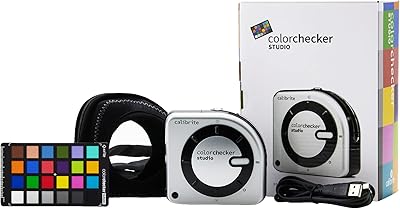
Calibrite ColorChecker Studio Color Calibrator
78%
93%
Display Profiling Accuracy
86%
Printer & Paper Profiling
81%
Camera Calibration Workflow
54%
Software Setup Experience
88%
Ambient Light Measurement
More
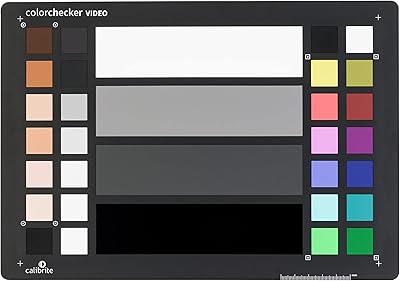
Calibrite ColorChecker Video Color Calibration Chart
78%
93%
Color Accuracy
91%
Gray Scale Precision
89%
White Balance Reliability
67%
Build Quality
84%
Usability On Set
More
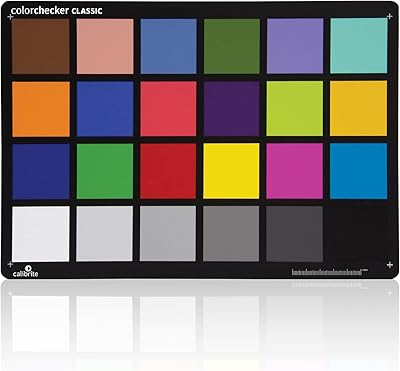
Calibrite ColorChecker Classic Color Calibration Chart
80%
94%
Color Accuracy
83%
Build Quality
78%
Ease of Use
81%
Software Compatibility
74%
Value for Money
More
Calibrite ColorChecker Classic XL Color Calibration Chart
81%
94%
Color Accuracy
92%
Size & Coverage
78%
Portability
71%
Build & Durability
67%
Value for Money
More
Calibrite ColorChecker Classic Nano Color Calibration Chart
80%
96%
Target Size Utility
93%
Color Patch Accuracy
88%
Software Compatibility
61%
Value for Money
94%
Portability
More
Calibrite ColorChecker Display Pro Colorimeter
78%
91%
Calibration Accuracy
88%
Cross-Panel Consistency
67%
Software Experience
84%
Projector Profiling
82%
Ambient Light Measurement
More
Calibrite ColorChecker Passport Video 2 Calibration Chart
80%
94%
Color Accuracy
88%
Build Quality
91%
Portability
67%
Software Usability
82%
Video Target Performance
More
Dragon Touch 32″ Smart Family Calendar Display

76%
91%
Screen Quality
88%
Setup Experience
67%
App Reliability
62%
Value for Money
79%
Build & Hardware Quality
More
Dragon Touch TM15 15.6″ Smart Family Calendar Display
73%
84%
Setup & Initial Configuration
78%
Touchscreen Accuracy
88%
Display Quality
72%
Calendar Sync Reliability
76%
Chore Chart Functionality
More
Dragon Touch 10.1″ Digital Calendar Chore Chart
84%
94%
Ease of Setup
89%
Chore Chart Effectiveness
91%
Wi-Fi Connectivity
85%
Dinner Planner Feature
83%
Build Quality
More

FAQ

Honestly, probably not as your first purchase. The Calibrite ColorChecker Digital SG Calibration Chart is built for professionals who already understand ICC profiles, color-managed workflows, and compatible software. If you are just starting out, the ColorChecker Classic or Passport will get you much further without the overhead.

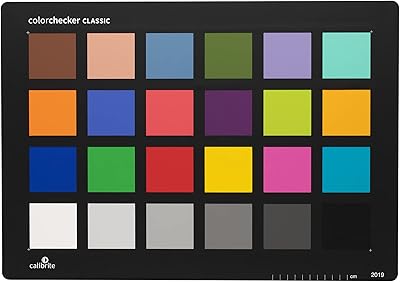
The Classic gives you 24 patches and covers the fundamentals well — white balance reference, basic profile building, everyday color correction. The ColorChecker SG has 140 patches including near-neutrals and a much broader range of saturated and memory colors, which gives you far more precision when building custom camera profiles or doing rigorous color analysis. It is a meaningful step up in capability, not just a bigger version of the same thing.

You will need dedicated color profiling software to get full value from all 140 patches. Calibrite's own software works directly with this color target, and several third-party applications also support the SG patch layout. Check compatibility before buying — some general-purpose tools only recognize a subset of the patches, which limits what you can do with it.

It works well for both. Cinematographers and colorists regularly use this color target as an on-set grading reference, and its large size means it reads cleanly on camera even at a distance. It is a practical choice for any production environment where consistent color between cameras or across shooting days matters.

A few reviewers have flagged this as worth thinking about before you buy. The chart does not come with a dedicated case or sleeve, so you will want to find a flat, protective solution yourself — a rigid portfolio sleeve or a custom insert works well. Scratches or surface contamination on the patches can affect readings, so keeping it clean and protected between uses is genuinely important.

You can use it outdoors, but it is really optimized for controlled environments. The large size is awkward to manage on location, and consistent lighting is important for accurate calibration captures. For field work or run-and-gun shooting, a smaller portable chart is a more practical choice.

Use a soft, dry microfiber cloth for light dust. For smudges, a very slightly damp cloth with no harsh chemicals should be fine, but treat it carefully — the matte coating is functional, not decorative, and any abrasion or residue could compromise accuracy over the patch area.

If you are a working professional who bills clients for color-accurate work, the answer is almost certainly yes — the patch variety and the Calibrite heritage justify the investment. If you are a hobbyist or occasional shooter, the value equation gets murkier. The price difference between this and simpler charts is real, and you should be confident your workflow actually demands what the ColorChecker SG offers before committing.

Yes, that is one of its strongest practical uses. By capturing the color target with each camera under the same lighting conditions and building individual profiles, you can get the two systems much closer in post. It is a workflow professionals rely on regularly when shooting multi-camera productions or mixing footage from different sources.

Absolutely — that is one of the listed applications. Print and prepress teams use this color target to validate that color intent in digital files translates accurately to physical output. Having 140 patches, including a detailed neutral ramp, makes it genuinely useful for identifying where color shifts occur across the print reproduction process.

Where to Buy