Overview

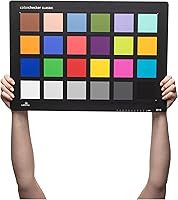
The Calibrite ColorChecker Classic XL Color Calibration Chart is Calibrite's response to a real limitation working photographers run into: standard-sized color targets are simply too small when shooting wide or from a distance. Measuring 21×14.75 inches, this large-format ColorChecker gives cameras a surface large enough to capture accurate patch data without physically repositioning the chart mid-shoot. Calibrite inherited the ColorChecker line from X-Rite, and patch accuracy remains consistent with what the industry has long relied on. With over 800 user ratings and a top-two category ranking, it has clearly resonated with professionals. This is a professional-grade tool — approach it with that expectation.
Features & Benefits

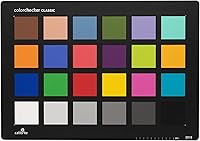
The 24-patch color grid at the heart of this XL color target is the same scientifically validated reference system photographers have trusted for decades — each patch precisely defined so software like Lightroom, Capture One, or DaVinci Resolve can build accurate camera profiles from it. At just under a pound, it travels easily, which matters when you're hauling gear to a mountain shoot or a rooftop session. The real advantage, though, is the size. Shoot it from 30 feet away with a wide-angle lens and you'll still get clean, readable patches. Optional protective cases are sold separately, which is worth budgeting for if you're working outdoors regularly.

Best For

This calibration chart earns its keep in scenarios where the standard-sized version falls short. Landscape photographers shooting in shifting golden-hour light can place it at the edge of a scene, step back, and get a reliable read without compromising composition. For drone operators, it's one of the few targets large enough to be genuinely useful when the camera is 30 or 40 feet in the air. Multi-camera video setups — interviews, panel discussions, corporate presentations — benefit because colorists can match cameras in post without guesswork. Studio photographers using wide primes will appreciate how the larger surface handles edge-to-edge color accuracy that smaller charts simply can't match at scale.

User Feedback

Among the 800-plus buyers who've weighed in, the most consistent praise centers on patch accuracy and how reliably this calibration chart performs across different lighting conditions — natural, mixed, and artificial. Drone and aerial photographers specifically call out the size as solving a real problem the smaller version cannot address. On the critical side, a handful of users mention surface glare in certain lighting angles, and several note that a protective case should be included at this price rather than sold separately. Most agree it outperforms the standard-size chart for wide and distance work, though for confined studio spaces, the smaller format may be the more practical choice.

Pros

  • The 24-patch color grid delivers scientifically validated references that integrate cleanly with Lightroom, Capture One, and DaVinci Resolve.
  • At 21×14.75 inches, this XL color target is large enough for drone and aerial photographers to capture usable patch data from significant altitude.
  • Weighing under one pound, it travels without adding meaningful load to a location kit.
  • Patch accuracy holds up consistently across mixed, natural, and artificial lighting — a genuine strength confirmed by a large base of professional users.
  • Wide-angle and group photographers can rely on edge-to-edge color consistency that smaller targets cannot provide at scale.
  • A top-two bestseller ranking in its category reflects broad professional adoption and sustained trust in the product.
  • Compatible with virtually all major camera systems and color profiling software workflows without proprietary lock-in.
  • The large format solves a real, specific problem for distance and wide-shot scenarios that the standard-size chart leaves unaddressed.

Cons

  • A protective case or sleeve is not included in the box and must be purchased separately, which adds cost for location shooters.
  • Surface glare in certain lighting angles can interfere with patch reads, requiring careful positioning to get clean results.
  • The 21-inch format is impractical in small studios or tight shooting environments where space is limited.
  • The price point is difficult to justify for photographers who only occasionally need color calibration or who work primarily in controlled lighting.
  • There is no built-in rigidity or frame, meaning the target can flex or warp if not stored carefully between uses.
  • Beginners without an established post-processing workflow will likely not extract enough value to offset the cost.
  • The target-only packaging means buyers must source storage solutions independently before using it on location.
  • For close-up, product, or macro photographers, the oversized format offers no practical advantage over a smaller, less expensive chart.

Ratings

Based on a rigorous AI analysis of verified buyer reviews worldwide — with spam, incentivized, and bot-generated feedback actively filtered out — these scores reflect how the Calibrite ColorChecker Classic XL Color Calibration Chart genuinely performs across the dimensions that matter most to working photographers and colorists. Both the consistent strengths and the recurring frustrations are represented transparently, so you can make an informed decision rather than a hopeful one.
Color Accuracy
94%
Patch accuracy is the single most praised aspect of this XL color target. Photographers working across mixed daylight and artificial light report that the 24-patch grid produces profiles that hold up cleanly across a full shoot, with minimal drift between sessions or lighting shifts.
A small number of users noted that certain lighting angles produce specular glare on the reflective surface, which can compromise patch reads if the chart is not carefully positioned relative to the light source.
Size & Coverage
92%
The 21×14.75-inch format is the defining reason most buyers choose this over the standard version. Drone operators and landscape photographers consistently report that the larger surface solves a real problem — getting usable color reference data from distances where a smaller chart simply disappears in the frame.
In confined spaces like small product studios or tight interview setups, the sheer size becomes a logistical nuisance. A handful of users noted that positioning a chart this large without it intruding into the shot requires more planning than expected.
Portability
78%
22%
At under one pound, this calibration chart is genuinely easy to slip into a gear bag alongside other location equipment. Travel photographers heading to remote landscapes or mountainous terrain report that the weight penalty is essentially zero.
Size and weight are different concerns, and while the weight is manageable, the 21-inch footprint creates storage challenges. Without a rigid case included in the box, transporting it safely requires additional planning and separate purchases.
Build & Durability
71%
29%
The patch substrate holds up well under normal professional use, and users who store it carefully report no meaningful degradation in surface quality over extended periods. The construction feels solid enough for the rigors of regular studio and location work.
Several users flagged that the bare target is susceptible to surface scratching and edge wear when transported without a case — which is not included. Long-term durability under frequent outdoor use remains a point of concern for photographers who work in rough conditions regularly.
Value for Money
67%
33%
For professionals whose livelihoods depend on consistent, reproducible color — commercial photographers, video colorists, aerial imaging specialists — the investment is straightforward to justify. The patch accuracy and format size are difficult to replicate at a lower price point.
The price is a genuine obstacle for enthusiasts and semi-professionals whose color calibration needs are occasional rather than mission-critical. Several buyers also noted that not including a protective case at this price point feels like a misstep that adds friction to an otherwise strong product.
Software Compatibility
89%
The large-format ColorChecker integrates cleanly with the most widely used professional tools — Lightroom, Capture One, DaVinci Resolve, and several free profiling utilities — without requiring proprietary software or complex setup steps.
A small number of less experienced users reported confusion around which software to use and how to correctly photograph the target for profiling. This is a workflow literacy issue rather than a product defect, but it does reflect that the chart assumes a baseline of technical knowledge.
Performance at Distance
93%
This is where the XL format truly earns its place. Drone photographers and videographers shooting presentations or interviews from across a room consistently report that the chart delivers clean, software-readable patch data at distances where standard-sized targets are simply not viable.
At very long distances — beyond roughly 50 to 60 feet — even the XL surface can be challenging depending on camera resolution and focal length. Users in these edge scenarios sometimes need to shoot multiple reference frames to get a clean enough read.
Glare & Reflectivity
62%
38%
Under diffuse lighting — overcast outdoor conditions or softbox-lit studio environments — the reflective surface performs without issues and reads accurately across all 24 patches. Many landscape photographers appreciate how well it behaves in open shade.
Direct sunlight at certain angles and harsh flash setups create noticeable specular highlights on the surface that can mask patch edges and interfere with profiling software reads. This is a recurring complaint and requires deliberate positioning to manage on location.
Ease of Use
83%
For photographers already familiar with ColorChecker-based workflows, integrating this XL color target into an existing shoot routine is effortless. The larger size actually makes it easier to position quickly in a wide frame without obsessing over exact placement.
First-time users without established color profiling workflows may find the process less intuitive than expected. The target provides no instructions for profiling software, and understanding how to use a reference chart correctly requires external research for beginners.
Patch Consistency
91%
Repeat shooters — photographers who return to the same subject or client regularly — highlight the chart's ability to produce consistent profiles across different sessions, which is critical for brand color accuracy and multi-day commercial shoots.
A few users noted minor variation in patch reads between units, which may reflect batch manufacturing tolerances rather than a systemic issue. For most professional workflows the difference is negligible, but it is worth noting for color-critical applications.
Aerial & Drone Use
88%
Drone photographers represent one of the most enthusiastic user groups for this calibration chart, specifically because no other commercially available option at this price gives them a target large enough to be genuinely useful from altitude. The feedback from this segment is overwhelmingly positive.
Even at 21 inches, users flying at higher altitudes or using narrower focal lengths on drone cameras report that the target fills only a small portion of the frame, occasionally making it difficult for profiling software to isolate patches with full confidence.
Packaging & Unboxing
54%
46%
The product arrives in adequate protective packaging that keeps the target surface intact during shipping in most reported cases. The flat form factor makes it straightforward to store before first use.
For a product at this price tier, multiple buyers expressed disappointment that the unboxing experience is essentially a bare chart in a plain box. No storage sleeve, no instruction card, no software access — the packaging does nothing to reflect the professional positioning of the product.
Multi-Camera Matching
86%
Video production teams using multiple cameras on a single shoot consistently highlight the large-format ColorChecker as a practical tool for post-production matching. Having one shared reference frame shot by every camera at the start of a session dramatically reduces grading time.
The target itself does not include any color management guidance for multi-camera workflows, and users without post-production experience may not immediately understand how to translate a reference frame into matched footage across different camera profiles.

Suitable for:

The Calibrite ColorChecker Classic XL Color Calibration Chart is purpose-built for photographers and videographers who regularly work in conditions where a standard-sized target simply cannot do the job. Drone operators are perhaps the clearest example — when your camera is 30 to 50 feet in the air, you need a target large enough to register clean, usable patch data, and the 21×14.75-inch surface delivers exactly that. Landscape and travel photographers shooting in unpredictable natural light will find the XL format invaluable, since they can position it at the edge of a wide composition and capture an accurate reference frame without disrupting the shot. Multi-camera video productions — corporate interviews, panel discussions, live presentations — also benefit significantly, as colorists can use a single shared reference to match cameras in post without hours of manual correction. Studio photographers working with wide-angle primes or group setups will appreciate that the larger surface holds up across the full frame, something smaller charts struggle with at close distances. If color accuracy is central to your professional workflow, this calibration chart is a serious tool worth the investment.
Not suitable for:

The Calibrite ColorChecker Classic XL Color Calibration Chart is not the right choice for every photographer, and being honest about that matters. Hobbyists or enthusiasts who shoot casually and do minimal post-processing will find the price hard to justify — the standard-sized ColorChecker or even a budget alternative will handle occasional white balance corrections perfectly well. The physical size, while a strength in the field, becomes a logistical challenge in small studios or confined shooting spaces where maneuvering a 21-inch target is awkward. This XL color target also ships as a bare target only, with no included protective case or sleeve, which means buyers planning to use it on location need to factor in the additional cost of accessories to keep it from warping or surface damage over time. If your work is primarily close-up, macro, or product photography in a controlled environment, the extra size adds no functional benefit over a smaller chart. Beginners still learning color grading workflows may also find the investment premature until they have the software skills to fully use what a target like this provides.

Specifications

  • Brand: Manufactured by Calibrite, the company that acquired and continues the professional ColorChecker product line originally developed by X-Rite.
  • Model Number: The model designation is CCC-XL, identifying it as the extra-large variant of the Classic ColorChecker target.
  • Dimensions: The target measures 21×14.75 inches in surface area with a thickness of just 0.15 inches, making it the largest standard option in the ColorChecker Classic family.
  • Weight: The target weighs 15.9 ounces, keeping it under one pound for practical transport to location shoots.
  • Color Patches: The surface features a 24-patch color reference grid with scientifically defined, spectrally neutral and chromatic swatches used for camera profiling and color grading.
  • Target Type: This is a reflective color reference chart, designed to be photographed under the same ambient light as the scene being calibrated.
  • Compatible Devices: Works with any digital camera system — DSLR, mirrorless, or video — that can capture a RAW or high-quality JPEG reference frame.
  • Software Compatibility: The target is compatible with major color profiling and grading applications including Adobe Lightroom, Capture One, and DaVinci Resolve, among others.
  • Use Cases: Designed for landscape, travel, aerial, drone, wide-angle, and distance photography and video scenarios where a standard-sized target would be too small to read accurately.
  • Included Items: The box contains the color reference target only; no protective sleeve, case, or software is included in the standard purchase.
  • Optional Accessories: Calibrite offers separately purchased protective sleeves and rigid cases designed to fit this XL target for safe transport on location.
  • Bestseller Rank: Ranked #2 in the Photographic Light Meter Color Calibration Charts category on Amazon at the time of evaluation.
  • User Rating: Holds a 4.5 out of 5 star rating based on over 800 verified customer ratings.
  • Date Available: This product was first made available for purchase on June 11, 2021.
  • UPC: The product UPC is 850028833155, corresponding to the CCC-XL model sold as a single unit.

Related Reviews
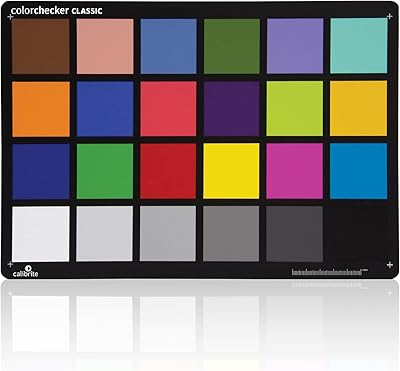
Calibrite ColorChecker Classic Color Calibration Chart
80%
94%
Color Accuracy
83%
Build Quality
78%
Ease of Use
81%
Software Compatibility
74%
Value for Money
More
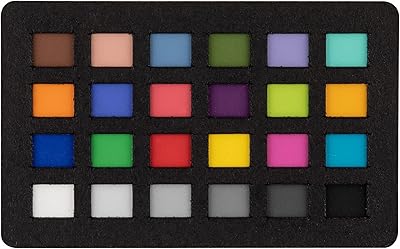
Calibrite ColorChecker Classic Nano Color Calibration Chart
80%
96%
Target Size Utility
93%
Color Patch Accuracy
88%
Software Compatibility
61%
Value for Money
94%
Portability
More
Anself Nail Display Chart, 216 Colors Nail Gel Polish Color Card with 240 Tips
86%
88%
Ease of Use
92%
Organization and Display
90%
Design and Portability
85%
Value for Money
70%
Durability of Nail Tips
More
Calibrite ColorChecker Studio Color Calibrator
78%
93%
Display Profiling Accuracy
86%
Printer & Paper Profiling
81%
Camera Calibration Workflow
54%
Software Setup Experience
88%
Ambient Light Measurement
More
Calibrite ColorChecker Video Color Calibration Chart
78%
93%
Color Accuracy
91%
Gray Scale Precision
89%
White Balance Reliability
67%
Build Quality
84%
Usability On Set
More
Calibrite ColorChecker Digital SG Calibration Chart
72%
94%
Color Accuracy
92%
Patch Range & Variety
78%
Build & Surface Quality
71%
Size & Usability
67%
Software Compatibility
More
Calibrite ColorChecker Passport Video 2 Calibration Chart
80%
94%
Color Accuracy
88%
Build Quality
91%
Portability
67%
Software Usability
82%
Video Target Performance
More
Calibrite ColorChecker Display Pro Colorimeter
78%
91%
Calibration Accuracy
88%
Cross-Panel Consistency
67%
Software Experience
84%
Projector Profiling
82%
Ambient Light Measurement
More
Datacolor Spyder Checkr Color Calibration Tool
86%
93%
Color Accuracy
88%
Ease of Use
90%
Build Quality
85%
Software Integration
92%
Durability
More
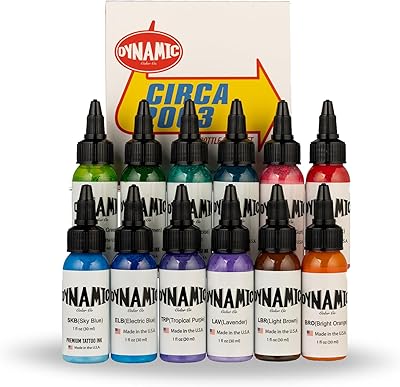
Dynamic Color Co Circa Color Tattoo Ink Set 1oz - 12 Colors
90%
91%
Color Vibrancy
88%
Blendability
94%
Application Smoothness
89%
Longevity of Results
92%
Pigment Intensity
More

FAQ

The core color science is identical — same 24 patches, same spectral accuracy. The only meaningful difference is physical size. The XL measures 21×14.75 inches versus roughly 8.5×11 inches for the standard version, which matters a lot when you need to shoot from a distance or with a wide-angle lens and still get clean, readable patch data.

It works well for both. Video colorists use it to create a reference frame at the start of a shoot, then match footage to that frame in post using tools like DaVinci Resolve or Premiere Pro. The large size is particularly useful for multi-camera setups where all cameras need to be matched to a single shared reference.

No, the Calibrite ColorChecker Classic XL Color Calibration Chart ships with the target only. If you plan to use it on location regularly, it is worth purchasing Calibrite's optional protective sleeve or rigid case separately to prevent surface damage, warping, or scratches from affecting patch accuracy over time.

Yes, it works with both. You photograph the target under your shooting light, import that reference frame into your profiling software, and the application reads the patches to generate a custom camera profile. The large format does not change this workflow at all — it just gives the software more surface area to work with, which can improve reading accuracy at distance.

That depends on your focal length and camera resolution, but drone photographers have reported reliable results from 30 to 50 feet away. The general rule is that the patches need to be large enough in the final frame for the software to distinguish them cleanly. The XL format extends that usable range considerably compared to a standard-sized chart.

It can be, depending on the angle of your light source. Reflective targets like this one are susceptible to specular highlights if the sun or a flash hits them at certain angles. The fix is straightforward: position the target so the light source is not directly reflecting back into your lens, or shoot on slightly overcast days for more diffuse light.

Since no case is included, you will need to source your own storage solution until you purchase an optional Calibrite accessory. Many photographers store it flat in a portfolio sleeve or a rigid art case. Avoid stacking heavy objects on top of it, and keep it away from moisture — any warping or surface abrasion can affect how the patches reflect light and undermine calibration accuracy.

Probably not. In a controlled studio environment with consistent lighting and standard shooting distances, the smaller ColorChecker Classic handles the job at a lower cost. The XL format shines in wide-angle, distance, or outdoor scenarios. If your studio work involves group shots or wide lenses at close range, it could be useful, but for most tabletop or portrait studio setups, the standard size is the more practical choice.

All reflective color targets experience some degree of fading with heavy use and UV exposure, but Calibrite's manufacturing standards are designed for longevity under professional use. Storing it away from direct sunlight when not in use and keeping the surface clean from dust and oils will significantly extend its useful life. Some working photographers replace their charts every few years as a precaution.

You do not need proprietary software. Several free and paid applications support the 24-patch ColorChecker format for profile generation, including the free version of Calibrite's own profiling tools, as well as third-party options. That said, the most widely used workflows involve Lightroom, Capture One, or DaVinci Resolve, all of which have strong ColorChecker support built in or available through plugins.

Where to Buy