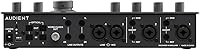
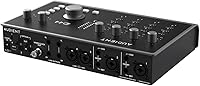
Overview

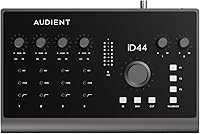
The Audient iD44 Audio Interface occupies a firm spot in the mid-to-upper tier of the USB recording interface market, built for producers and engineers who want preamp quality that doesn't embarrass itself next to proper console gear. Audient has spent decades designing mixing desks, and that console heritage comes through in this desktop recording hub in ways that matter — not just on paper, but in actual sessions. With 20 inputs and 24 outputs, it offers a channel count few competing interfaces at this price tier can approach. That said, if you only need two channels, this Audient interface is almost certainly more unit than your current workflow demands.

Features & Benefits

Pull back any comparable budget interface and you'll often find preamps that color your signal with noise before it even hits your DAW. The iD44 takes a different approach: its four Class-A mic preamps are derived from Audient's console designs, delivering a clean, transparent signal path that holds up well for vocals, acoustic instruments, and anything else demanding clarity. Two ADAT optical ports can pull in up to eight additional channels from a compatible external preamp, a real advantage if your rig keeps growing. There's also a JFET instrument input — essentially a high-impedance input that handles guitar or bass direct without a separate DI box — and a precise monitor output that makes volume adjustments feel tactile and trustworthy during long mix sessions.

Best For

This Audient interface makes the most sense for people who've genuinely hit a wall with a basic two-channel setup. Home studio producers tracking multiple instruments at once, podcasters wiring up three or four guests with individual mics, or a small band wanting to capture a live room properly — all of these scenarios benefit from the headroom this unit provides. Musicians with hardware-heavy setups, running synths, drum machines, or outboard effects with multiple analog outputs, will find plenty of inputs waiting for them. If you're already running an ADAT-compatible expander and need a central hub to tie everything together, this desktop recording hub is a strong candidate worth considering carefully.

User Feedback

Across its reviews, the iD44 holds a solid 4.0 out of 5 from 46 buyers — respectable, but not without honest criticism. The most consistent praise targets the preamp transparency and build quality, with several users noting that the headphone output is cleaner and louder than they expected at this level. On the other side, a recurring complaint involves driver stability on Windows, particularly with older OS versions or certain USB chipsets, so Windows users should verify compatibility before committing. A handful of open-box buyers mention packaging inconsistencies or missing accessories, worth factoring in. Overall, the enthusiasm from musicians who use the full feature set is genuine — frustrations tend to come from users who ran into setup friction early on.

Pros

  • Four Class-A mic preamps deliver a clean, transparent signal that outperforms what you typically find at this price tier.
  • The 20-in/24-out channel count offers genuine room to grow, handling full band sessions without constant replugging.
  • ADAT expansion ports let you add up to eight more channels via a compatible external preamp expander.
  • The onboard JFET instrument input captures guitar and bass direct, eliminating the need for a separate DI box.
  • Monitor output features a solid analog volume knob that feels precise and reliable during critical listening sessions.
  • Works across both Windows and macOS with broad DAW compatibility, reducing driver headaches for most setups.
  • Build quality feels solid and professional, consistent with Audient's reputation for long-lasting studio hardware.
  • The headphone output is notably clean and loud — a detail that matters during extended tracking or overdub sessions.
  • Despite its I/O density, this Audient interface maintains a compact enough footprint to fit on most studio desks.
  • Suits a wide range of creative workflows, from podcasting and live band tracking to synth-heavy electronic production.

Cons

  • Driver stability on certain Windows configurations has been a recurring complaint, requiring extra troubleshooting before the unit works reliably.
  • The companion software and routing setup carry a steeper learning curve than simpler two-channel interfaces.
  • Open-box units may arrive with missing accessories or cosmetic wear — always verify return policies beforehand.
  • At over four pounds with a substantial desk footprint, the iD44 is not a practical option for mobile recording.
  • Users who only need two inputs at a time will find most of the hardware sitting idle, which affects overall value.
  • The software mixer interface, while capable, can feel unintuitive compared to more streamlined competing products.
  • No built-in DSP effects processing means you rely entirely on your DAW for monitoring with effects, which can introduce latency.
  • With only 46 reviews to draw from, the user feedback pool is relatively small, making trend identification less reliable.

Ratings

The scores assigned to the Audient iD44 Audio Interface were generated by AI after systematically analyzing verified buyer reviews sourced worldwide, with spam, incentivized feedback, and duplicate submissions actively filtered out before any scoring was applied. Both the genuine strengths this desktop recording hub delivers in real studio environments and the frustrations that surface in day-to-day use are transparently reflected in each category. No score has been adjusted to present a flattering picture — where real buyer pain exists, it is captured honestly.

Preamp Quality
88%
Producers who track vocals and acoustic instruments regularly report that the four Class-A preamps hold up cleanly under demanding gain settings without introducing the grainy noise characteristic of budget interfaces. The console-derived circuit design makes a meaningful difference when recording quieter sources like ribbon microphones or fingerpicked guitar, where preamp transparency directly affects the final mix.
A small number of users noted that at very high gain settings, faint coloration becomes audible — not a flaw for most sessions, but noticeable on extremely sensitive microphones with high-output sources. Additionally, four preamp channels, while capable, can feel limiting for producers who want to track a full drum kit entirely through the onboard hardware.
Driver Stability
61%
39%
On macOS, the driver experience is largely positive — users report stable, low-latency performance across Logic Pro and other DAWs without the need for frequent troubleshooting. When the Windows driver does work correctly, recorded audio quality is unaffected and users report consistent, clean throughput across long recording sessions.
Windows users — particularly those on older OS builds or systems with certain USB controller chipsets — account for a disproportionate share of negative reviews, citing dropouts, disconnections, and setup frustration requiring multiple driver reinstalls. Audient has released driver updates over the years, but compatibility remains something Windows buyers need to verify explicitly before purchasing.
I/O Versatility
91%
The 20-in/24-out specification is the primary reason many buyers choose this interface over alternatives, and user feedback validates the practical value of that depth in real sessions — tracking drums, synths, and multi-guest podcasts simultaneously without replugging anything. The ADAT expansion adds further headroom for producers whose needs keep evolving, making this a long-term investment rather than a temporary solution.
Users who purchased with only modest I/O needs in mind often feel the depth of this hardware goes underutilized, and the routing complexity required to take full advantage of all inputs can be a barrier for less experienced users. Occasional channel labeling and routing confusion inside the companion software also adds friction when working quickly in a live session.
Build Quality
84%
The chassis feels dense and purposeful — knobs have a firm, non-wobbly feel, and the front-panel volume control sits solidly without play. Users who have owned the unit for multiple years consistently report that the hardware shows no signs of degradation, which matters significantly for studio gear that rarely moves but receives daily use.
A handful of buyers purchasing open-box units noted cosmetic blemishes or signs of prior handling that do not affect performance but can frustrate those expecting pristine condition. The unit's weight and footprint, while indicative of solid construction, also mean it is not a practical choice if your setup ever requires portability.
Value for Money
73%
27%
For users who genuinely need the I/O depth — running multiple mic channels, hardware synths, and ADAT expanders simultaneously — the pricing is defensible when benchmarked against competitors offering comparable specifications. The preamp quality alone justifies a significant portion of the investment for producers who track regularly and care about signal integrity throughout the chain.
Buyers who only need two channels feel they are overpaying substantially for I/O they will never use, and simpler interfaces at a much lower price point would serve them just as well. The open-box condition also introduces uncertainty about remaining product lifespan, which factors into the overall value calculation for cautious buyers.
Ease of Setup
67%
33%
Users with prior experience using audio interfaces and routing software generally get up and running within a reasonable amount of time, and Audient's support resources — including tutorial videos and downloadable driver packages — provide a structured starting point for new owners. Those who invest time in learning the companion software consistently report feeling well-rewarded by the level of control it unlocks.
First-time interface users frequently describe an unexpectedly steep onboarding process, with signal routing concepts and software mixer configuration presenting real obstacles before a single track is recorded. Open-box buyers in particular sometimes receive units without printed setup guides, pushing them toward online documentation that not everyone finds easy to navigate under pressure.
Software and App
69%
31%
The Audient Console application gives experienced users meaningful control over monitor mixes, routing, and low-latency cue monitoring — capabilities that pay off significantly during overdub sessions where musicians need custom headphone mixes without routing everything through the DAW. Users who invest time in learning the software consistently rate it as a genuine asset to their workflow.
Newer users frequently find the interface unintuitive on first contact, particularly around virtual routing and monitor mix assignment, leading to initial sessions spent troubleshooting rather than recording. The UI also feels dated compared to more polished competing software, and some users report occasional crashes that require a restart before routing stabilizes properly.
Headphone Output
82%
18%
The headphone output receives consistent praise in user reviews — specifically for being louder and cleaner than buyers expected from an interface at this tier, which matters when tracking vocalists who need confidence in what they hear through the cans. Several users mention relying on it as their primary monitoring path during late-night sessions to avoid disturbing others.
There is only one headphone output, which becomes a practical limitation when a performer and engineer both need independent cue mixes simultaneously — a scenario that requires an external headphone amplifier to resolve properly. A small number of users also noted the headphone volume knob could offer more granular control at the lower end of its range.
Monitor Control
86%
The large, centrally positioned volume knob is one of the most frequently praised physical features among users who spend long hours mixing, delivering smooth attenuation without noticeable channel imbalance at low volumes. Reviewers running studio reference monitors note that the analog output path remains clean and open-sounding even when pushed to higher output levels.
Users expecting advanced monitor control features — such as mono summing, talkback, or multiple speaker-set switching from the hardware — will find those absent and need to rely on external monitor controllers or DAW-level workarounds. The monitor section is well-executed but deliberately minimal compared to dedicated monitor controllers available in the same price bracket.
ADAT Expansion
89%
Users who own ADAT-compatible eight-channel preamp expanders describe this as the feature that makes the iD44 genuinely future-proof — as session needs grow, they can add more preamps without replacing the interface. The dual optical port implementation means there is substantial room to expand beyond the base configuration, which competing interfaces at this price rarely offer.
Buyers who do not already own ADAT-compatible gear receive no immediate benefit from this feature, and adding a quality eight-channel expander is a separate investment that significantly raises the total system cost. Users new to ADAT also note a learning curve in correctly clocking and connecting the optical chain without introducing digital sync errors.
DAW Compatibility
83%
Across macOS and Windows, the interface is recognized by all major DAWs without requiring special configuration beyond initial driver installation, which users appreciate especially when moving between different software environments. Logic Pro, Ableton Live, and Reaper users consistently report stable, well-behaved audio performance throughout extended recording or mixing sessions.
DAW compatibility is contingent on a stable driver, which — as documented in Windows reviews — is not always guaranteed straight out of the box. Pro Tools users have occasionally reported additional configuration steps to get the interface recognized correctly under ASIO, adding friction that macOS users simply do not encounter.
Noise Floor
87%
Recording engineers tracking in acoustically treated home studios report that the noise floor is low enough to capture delicate room ambience and soft performances without needing to substantially clean up the signal in post-production. The console-derived preamp topology contributes directly to this quality, making recordings feel open and less processed even at moderate gain levels.
While the noise floor is strong by desktop interface standards, users stepping down from higher-end rack-mounted converters may notice a subtle difference in dynamic headroom on demanding recordings. A small number of Windows users also reported interference-related noise traced to driver or USB grounding issues rather than the preamp hardware itself.
Instrument Input
78%
22%
Guitarists and bass players who track direct regularly praise the JFET input for capturing a warm, slightly characterful tone that avoids the sterile quality often associated with passive DI inputs on budget interfaces. The front-panel placement makes cable connection straightforward during a session without needing to reach around the back of the unit.
There is only one instrument input, limiting simultaneous direct recording to a single instrument — stereo synths or guitar-and-bass pairs recording at the same time require the additional line inputs, which do not carry the same high-impedance JFET circuit. Some users also felt the JFET character, while pleasant on guitar, added more coloration than they wanted when tracking bass direct.

Suitable for:

The Audient iD44 Audio Interface is built for a specific kind of buyer: someone who has genuinely outgrown a basic two-channel setup and needs both quality and channel capacity in the same unit. Home studio producers who regularly track drums, full bands, or layered instrument sessions will find the 20-in/24-out architecture gives them real room to work without constantly replugging gear. Podcasters and content creators running roundtable-style shows — with three or four guests each on a dedicated mic — benefit enormously from having separate, clean input channels rather than forcing everyone through a mixer. Musicians with hardware-centric rigs, running synthesizers, drum machines, and outboard effects simultaneously, will appreciate the generous analog I/O that handles those sources without compromise. Anyone already invested in ADAT-compatible mic preamp expanders will find this desktop recording hub an ideal central unit to unify their setup under a single DAW-connected interface. The four Class-A preamps deliver the kind of transparency that rewards good mic technique, making this a particularly strong fit for recording acoustic instruments, vocals, or anything where the source signal deserves honest reproduction.

Not suitable for:

Buyers who primarily record one or two sources at a time — a vocal over a guitar, or a podcast with a single host — are paying for a significant amount of hardware they will rarely use, and there are more cost-effective options in that scenario. The Audient iD44 Audio Interface also carries a real learning curve: the companion software and routing options are not plug-and-play in the way a basic USB interface tends to be, so users who want to be up and running within minutes of unboxing may find initial setup genuinely frustrating. Windows users in particular should check current driver compatibility carefully before purchasing, since some configurations have historically experienced stability issues that macOS users rarely report. This interface is not the right choice for anyone who needs portability — at over four pounds with a footprint that demands dedicated desk space, it belongs in a fixed studio environment, not a travel bag. Finally, buyers expecting a complete, pristine retail experience should factor in the open-box listing and the possibility of missing accessories or packaging wear, and confirm return policies before committing.

Specifications

  • Interface Type: The iD44 connects to a host computer via USB 2.0 and is compatible with both Windows and macOS using Audient's dedicated driver software.
  • I/O Count: The unit supports 20 simultaneous inputs and 24 simultaneous outputs, placing it well above most competing interfaces in its price bracket.
  • Mic Preamps: Four Class-A microphone preamps are built in, engineered using circuit topologies derived from Audient's professional mixing console designs for low noise and transparent signal capture.
  • ADAT Expansion: Two ADAT optical ports allow connection of compatible eight-channel preamp expanders, adding up to sixteen additional input channels at standard 44.1 kHz or 48 kHz sample rates.
  • Instrument Input: A JFET-circuit instrument input on the front panel accepts high-impedance signals from passive guitars or basses for direct recording without an external DI box.
  • Monitor Output: A dedicated stereo monitor output with a large front-panel volume control delivers a clean analog signal to connected studio reference monitors.
  • Headphone Output: One front-panel headphone output with an independent volume control is provided for monitoring during tracking or overdub sessions.
  • DAW Support: The iD44 is compatible with any major DAW on both macOS and Windows, including Pro Tools, Logic Pro, Ableton Live, Cubase, and Reaper.
  • Dimensions: The chassis measures 14.49 x 9.61 x 4.49 inches, a compact desktop footprint relative to the channel count it accommodates.
  • Weight: The unit weighs 4.4 pounds, reflecting solid hardware construction while remaining light enough to reposition comfortably on a studio desk.
  • Color: The iD44 is finished in a black and silver two-tone design, consistent with Audient's professional studio aesthetic across its product line.
  • Model Number: The official model designation is iD44, part of Audient's iD series of USB audio interfaces for desktop studio use.
  • Brand: Audient is a British audio equipment manufacturer with decades of experience designing professional mixing consoles and studio-grade recording hardware.
  • Release Date: The iD44 was first made available in January 2018, making it a mature product with a well-established driver and firmware support history.
  • Listing Condition: This listing is sold as an open-box unit, meaning the hardware has been previously opened but is represented by the seller as fully functional.

Related Reviews
Audient iD22 USB Audio Interface
79%
91%
Preamp Quality
88%
Build Quality
89%
Sound Transparency
58%
Windows Driver Stability
86%
Routing Flexibility
More
Audient iD4 USB Audio Interface
80%
93%
Preamp Quality
88%
Build Quality
71%
Value for Money
91%
Ease of Setup
84%
Headphone Performance
More
Audient iD14 MKII
Audient iD14 MKII
87%
94%
Preamplifier Transparency
92%
Build Quality and Weight
89%
Headphone Output Versatility
91%
Digital Expandability
86%
Instrument DI Character
More
Audient EVO 4
Audient EVO 4
89%
96%
Ease of Setup
92%
Preamplifier Clarity
89%
Software Loopback
94%
Portability & Form Factor
71%
Build Materials
More
M-Audio AIR 192|4
M-Audio AIR 192|4
85%
93%
Build Durability
91%
Tactile Control Experience
88%
Preamplifier Transparency
87%
Recording Latency
86%
Software Bundle Value
More
JK Audio Autohybrid Telephone Audio Interface
75%
88%
Audio Signal Clarity
84%
Sidetone Rejection
86%
Build Quality
61%
Ease of Setup
31%
VoIP Compatibility
More
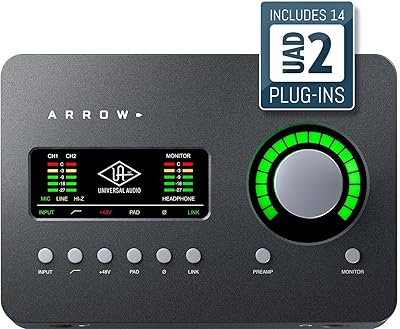
Universal Audio Arrow Thunderbolt 3 Audio Interface
77%
93%
Audio Conversion Quality
91%
Unison Preamp Performance
88%
Real-Time UAD Processing
58%
Thunderbolt 3 Connectivity
61%
Windows Compatibility
More
Black Lion Audio Revolution 2x2 Audio Interface
75%
88%
Preamp Quality
91%
Audio Transparency
86%
Clocking Performance
87%
Build Quality
73%
Value for Money
More
M-Audio M-Track Duo
M-Audio M-Track Duo
83%
88%
Preamp Clarity
93%
Value for Money
62%
Build Quality
91%
Ease of Installation
87%
Portability
More
M-Audio M-Track 2X2 USB Audio Interface

76%
84%
Build Quality
76%
Preamp Performance
82%
Ease of Setup
58%
Driver Stability
79%
Value for Money
More

FAQ

It works with any major DAW on both macOS and Windows — Pro Tools, Logic Pro, Ableton Live, Cubase, Reaper, and others all recognize it without special configuration. Audient also provides a companion app called Console for managing routing and monitor mixes, but the core audio driver is completely DAW-agnostic, so you are not locked into any particular software.

Some Windows users have reported stability hiccups, particularly on older OS versions or systems with certain USB chipsets. Before purchasing, it is worth visiting Audient's support page to check the most current driver release and confirmed Windows 11 compatibility notes. Most users get everything working without serious trouble, but the setup experience tends to be smoother out of the box on macOS.

Out of the box, you get four XLR mic inputs through the onboard preamps. Connect an eight-channel ADAT preamp expander via the optical port and you can bring that total up to twelve simultaneous mic channels — and since there are two ADAT ports on the unit, the expansion potential goes even further for larger session demands.

ADAT is a digital optical protocol that carries eight channels of audio between compatible devices — in this case, from an external preamp expander into the interface's input chain. If you only ever need four mic channels, you will never use it. But if you want to record a full drum kit, a live band, or any session requiring many simultaneous sources, it is an invaluable expansion path that most interfaces at this price level simply do not offer.

No DI box needed. There is a dedicated JFET instrument input on the front panel designed specifically for the high-impedance output of a passive guitar or bass. JFET refers to the transistor type used in the input circuit — it is the same approach found inside many quality standalone DI boxes, and it produces a clean, natural-sounding direct tone without coloration.

It handles that scenario well. With four independent mic preamps and flexible routing via the companion software, you can give each guest a clean, separate channel and configure individual headphone mixes if your show requires them. For a solo-host podcast it is more hardware than necessary, but for a three- or four-person roundtable format the I/O depth genuinely earns its place.

Open-box conditions can vary between sellers. You should receive the interface itself and a USB cable at minimum, but documentation, warranty registration cards, or supplementary accessories may be missing. Read the seller's listing description carefully and confirm their return policy before completing the purchase — knowing your options upfront avoids frustration if something essential is absent.

The Audient iD44 Audio Interface uses Class-A preamp circuitry adapted from Audient's professional console designs, which translates to a measurably lower noise floor and cleaner signal path than most budget interfaces. The difference is most audible on quieter sources — acoustic guitar, ribbon microphones, or vocals recorded at a distance where the preamp gain needs to be pushed higher without introducing hiss.

There is a genuine learning curve, especially if you have only ever used a simple plug-and-play two-channel interface. The Audient Console app is well-designed once you understand the underlying signal flow, but it is not something most people master on the first day. Audient provides tutorial videos on their website, and spending an hour with those before your first session will save considerable head-scratching.

That is one of the strongest reasons to choose this desktop recording hub over simpler alternatives. The 20-input architecture gives you enough analog inputs to connect synthesizers, drum machines, effects returns, and microphones simultaneously without running out of available channels. Mapping your routing in the companion software before the session begins makes the whole workflow significantly more manageable.

Where to Buy

Guitar Center
In stock $619.99
Musicians Friend
In stock $619.99
Incognito Guitars
In stock $699.00
Perfect Circuit
In stock $809.99