Overview

The Black Lion Audio Revolution 2x2 Audio Interface comes from one of the more interesting companies in the audio gear world — a boutique builder that earned its reputation by modifying and upgrading other manufacturers' interfaces at the component level before launching its own hardware. That background means Black Lion isn't guessing at what makes clocking and conversion sound good; they've proven it hands-on. Sitting above the crowded entry-level tier without pushing into flagship multi-channel territory, this boutique interface introduces Macro-MMC clocking technology as its standout feature — a jitter-reduction system aimed squarely at serious home studio users and semi-professional recordists who care about accuracy over spec-sheet padding.
Features & Benefits

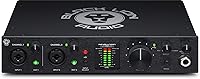
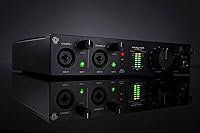
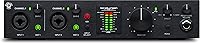
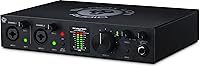
Both inputs accept XLR microphones, line-level signals, and instrument sources through combo jacks, keeping the front panel clean and practical. The preamps deliver solid headroom and a low noise floor — key when tracking a quiet acoustic guitar or a delicate vocal. What sets the Revolution 2x2 apart is Macro-MMC clocking: in plain terms, it keeps the digital signal timed more precisely, reducing the subtle artifacts that cheaper converters tend to introduce. The pro-grade AD/DA converters reinforce that advantage, producing recordings that feel more open and defined. The single headphone output handles most standard cans well, though users relying on high-impedance headphones may find the output power a bit limiting.

Best For

The Revolution 2x2 makes the most sense for singer-songwriters and vocalists who rarely need more than two input sources at once and want accurate, transparent sound going into their DAW. It's a strong step-up pick for home studio owners moving away from a budget Focusrite Scarlett or similar starter interface — the improvement in conversion is genuinely audible. Guitar and bass players recording direct also benefit from clean, low-latency monitoring. Where it falls short: there's no MIDI I/O, only one headphone output, and anyone running a multi-person podcast will need something with more inputs. This is a quality-first recording tool — not a Swiss-army setup.

User Feedback

With 51 ratings and a 4.3-star average, the feedback is encouraging but still relatively thin — this isn't a product with thousands of reviews painting a complete picture. Buyers consistently highlight preamp transparency and the sense that recordings sound noticeably cleaner than what mass-market alternatives deliver. Build quality also earns frequent praise; many note that Black Lion's 2-channel unit feels far more substantial than entry-level competitors at similar price points. On the critical side, a handful of reviewers flag driver stability concerns on certain OS versions, and a few wished the headphone output hit harder. With the review count still growing, long-term durability data remains limited.

Pros

  • Pro-grade AD/DA converters deliver noticeably cleaner, more transparent recordings than most interfaces in this price range.
  • Macro-MMC clocking reduces digital jitter, giving recordings a more defined, accurate sonic character right out of the box.
  • Both preamps handle mic, line, and instrument sources, removing the need for a separate DI box in most setups.
  • The all-metal chassis feels genuinely solid — a step above the plastic shells common on budget and mid-range competitors.
  • USB bus power keeps the setup simple; no external power supply is needed, making it ideal for portable use.
  • Buyers consistently praise the preamp transparency, noting vocals and acoustic instruments capture with an openness that cheaper interfaces miss.
  • Compatible with most USB DAWs across major platforms, so there are no compatibility hoops to jump through on day one.
  • The Black Lion Audio Revolution 2x2 Audio Interface comes from a brand with a proven track record in professional audio modification and conversion work.
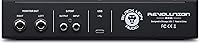
  • Compact enough at 10x9x4 inches to fit on a crowded desk or slide into a bag for remote sessions.

Cons

  • Only two input channels means you will hit the ceiling fast if your recording needs ever expand beyond a single source.
  • No MIDI I/O is a genuine gap for producers who rely on hardware synthesizers or MIDI controllers.
  • A single headphone output limits collaborative monitoring — two people cannot listen simultaneously without a headphone splitter.
  • Users with high-impedance studio headphones report the headphone amp falls short of comfortable listening levels at higher volumes.
  • A handful of reviewers have flagged driver instability on certain OS versions, which is worth investigating before buying.
  • With only 51 ratings to draw from, long-term reliability and edge-case failure data are still limited.
  • No software bundle is mentioned, while many similarly priced rivals include a full DAW license or plugin package.
  • The price premium over mass-market alternatives requires buyers to already understand and value what better conversion actually sounds like.
  • Mac compatibility is not explicitly confirmed in the official specs, which may require additional research before purchasing.

Ratings

The Black Lion Audio Revolution 2x2 Audio Interface was scored by our AI system after processing verified global buyer reviews, with active filtering applied to remove incentivized, bot-generated, and statistically anomalous feedback. Scores across each category reflect genuine sentiment from real users — both the aspects that consistently earn strong praise and the friction points that continue to surface in critical feedback. The result is a transparent, data-grounded scorecard designed to help you weigh this boutique interface's genuine strengths against its real-world limitations before committing.
Preamp Quality
88%
Buyers who track vocals and acoustic guitar consistently report that the preamps capture with a transparency that feels meaningfully different from mass-market options at this price tier. There is genuine headroom on louder sources without the subtle saturation that cheaper preamps introduce, which makes mixing down the line noticeably less corrective work.
The preamp count is a real ceiling — two channels suits a solo recordist well, but anyone wanting to simultaneously capture a lead vocal and two guitar mics during a live take will run out of inputs immediately. Some users also note that gain staging takes experimentation to find the sweet spot on quieter dynamic microphones.
Audio Transparency
91%
Recordings made through this boutique interface consistently draw praise for their openness and accuracy — a quality that stems from both the preamp design and the pro-grade AD/DA converters working in combination. Users who upgraded from a Focusrite Scarlett or similar unit often describe the improvement as hearing detail in their recordings they did not know was missing.
The improvement in audio transparency is real but context-dependent — in an untreated room with budget monitors, the sonic gains are genuinely harder to distinguish without a controlled side-by-side comparison. The high score reflects the quality ceiling this interface is capable of, not a guarantee every buyer will immediately perceive the difference.
Clocking Performance
86%
Macro-MMC clocking — Black Lion's system for keeping digital audio timing precise — is a genuine differentiator that recording engineers and serious home studio users notice in the character of their takes. Tracks captured through the Revolution 2x2 tend to exhibit a tighter low end and a cleaner high-frequency response compared to interfaces that treat clocking as an afterthought.
For buyers who are not yet running a reference monitoring chain or working in an acoustically treated environment, the clocking advantage is genuinely difficult to evaluate without a controlled comparison. The benefit is also most apparent at higher sample rates; for casual tracking sessions, the practical gap over competent rivals narrows considerably.
Build Quality
87%
The all-metal chassis is one of the first things buyers mention — picking it up for the first time feels categorically different from the plastic-shell construction common at lower price points. At 5.45 pounds in a compact 10x9x4-inch footprint, it sits firmly on a desk without shifting, and the knobs and connectors feel engineered to withstand regular hands-on studio use.
A handful of buyers note that the unit's weight — reassuring in a desktop context — makes it slightly less convenient for frequent travel compared to lighter plastic-chassis competitors. Long-term durability data is still limited given the modest review pool, so how the build holds up across years of intensive studio use remains an open question.
Value for Money
73%
27%
For buyers who understand what better clocking and conversion actually sound like in practice, this boutique interface represents a defensible spend — professional-grade signal processing in a compact, bus-powered package that costs less than many standalone boutique outboard preamps alone. The solid build quality reinforces the sense that the price reflects something tangible.
For buyers early in their recording journey, the premium over a Focusrite Scarlett 2i2 is hard to justify when the sonic benefits depend heavily on room acoustics and monitoring quality that most beginners do not yet have in place. The complete absence of any bundled DAW or plugin software at this price point is a gap that many competing interfaces close without hesitation.
Headphone Output
59%
41%
The dedicated level knob provides fine, responsive control over monitoring volume, and for users with standard low-impedance headphones, the output delivers enough drive for comfortable tracking sessions without noticeable coloration. For casual studio monitoring paired with affordable studio cans, it is functional and gets the job done.
Users with high-impedance reference headphones — 250-ohm models like the Beyerdynamic DT 990 or 300-ohm cans like the Sennheiser HD 650 — consistently report that the output falls short of the power needed for comfortable listening levels during critical monitoring. At this price point, a more capable headphone amplifier stage would be a reasonable expectation.
DAW Compatibility
82%
18%
For the vast majority of users working in popular DAWs like Ableton Live, Reaper, GarageBand, or Studio One, Black Lion's 2-channel unit is recognized cleanly on supported systems without manual driver configuration. The broad DAW compatibility is a practical advantage for anyone moving between different recording software environments.
macOS compatibility is not explicitly confirmed in the official product documentation, creating real uncertainty for Mac-based producers and engineers who cannot afford driver troubleshooting after purchase. A portion of reviewers have flagged compatibility friction on specific OS versions, suggesting the experience is not uniformly frictionless across every platform and system configuration.
Driver Stability
67%
33%
On Windows systems where the interface is officially supported, most users report stable, low-drama operation that holds up through extended recording sessions without unexpected dropouts or disconnections. Engineers running the unit as a dedicated studio interface on a well-maintained Windows machine tend to find it dependable for regular tracking and mixing work.
A recurring thread in user feedback centers on driver instability across certain OS versions — a frustration that disproportionately affects Mac users who find official support documentation sparse. For anyone who regularly updates their operating system or moves the unit between machines, this creates an unpredictable ownership experience that should not be a concern at this price tier.
Ease of Setup
84%
USB bus power means there is exactly one cable to manage — plug into a computer, open your DAW, and you are recording within minutes. For home studio musicians who do not want to deal with external power adapters or complex routing, this simplicity is genuinely appreciated, particularly in a space-constrained desktop setup.
The setup experience is clean on supported systems, but the absence of bundled software means first-time interface buyers need to arrive with their DAW already sorted — something competing units at this price tier often resolve by including a starter software license. Thin Mac-specific setup documentation is a secondary friction point that some users report navigating through forum research rather than official resources.
Latency Performance
78%
22%
Users recording vocals and guitar directly praise the low-latency performance for making real-time monitoring feel natural and responsive — a critical factor when tracking with headphones while staying locked to a click or backing track. For typical recording tasks at moderate buffer sizes, the USB connection handles the workflow without perceptible delay.
Exact round-trip latency specifications are not published in official documentation, making it harder for technically minded buyers to compare this unit against alternatives with clearly documented performance figures. At very low buffer settings and under heavy plugin loads, some users note occasional dropout — a common USB audio trade-off worth factoring in for CPU-intensive production sessions.
Input Versatility
79%
21%
The combo XLR/TRS design means each input handles a condenser or dynamic mic, a line-level keyboard or synth, and a passive or active guitar or bass without requiring adapters or additional gear. For a focused home studio where one person records vocals while another tracks a direct guitar signal, the input flexibility covers most realistic day-to-day scenarios.
With only two inputs, there is no headroom for workflow expansion — adding a third simultaneous source means either rerouting or investing in a separate preamp stage to feed into the unit. The complete absence of MIDI I/O also limits appeal for producers who rely on hardware synthesizers or drum machines that require a physical DIN MIDI connection.
Portability
83%
The compact 10x9x4-inch footprint and USB bus power make the Revolution 2x2 a credible portable option — audio engineers who take session work to clients' studios or record in multiple locations appreciate not needing a power adapter to get a professional-quality signal in an unfamiliar room. It fits neatly alongside a laptop in most shoulder bags.
At 5.45 pounds, it is noticeably heavier than lightweight plastic-chassis alternatives, which becomes relevant when packing for daily commutes or frequent air travel where bag weight matters. The dense metal build that feels reassuring on a studio desk becomes a genuine trade-off the moment portability is the primary concern rather than an occasional convenience.
Software Bundle
41%
59%
Because no bundled software is included, the out-of-box experience is clean and free of bloatware — the unit does not steer users toward a specific DAW ecosystem or require activation through a third-party platform. For buyers who already own their preferred recording software, the absence of a bundle is genuinely a non-issue.
For buyers who do not already own a DAW, the lack of any bundled software package is a significant gap — particularly when direct competitors at the same or lower price routinely include Ableton Live Lite, Studio One Prime, or similar starter licenses as standard inclusions. This omission meaningfully raises the effective cost of getting started for new home studio builders investing in this unit as their first serious interface.
Expandability
52%
48%
For the buyer this interface is designed for — a solo vocalist, singer-songwriter, or direct-recording guitarist — two channels cover every realistic recording scenario without leaving unused hardware sitting idle on the desk. The focused input count also keeps the signal path clean and the interface straightforward to operate without complex routing or digital menus.
There is no option to expand the input count via ADAT or S/PDIF expansion, no MIDI connectivity, and no upgrade path short of replacing the unit entirely when needs grow. Producers who anticipate recording drums, full bands, or multi-source live sessions will outgrow this boutique interface quickly, making it a limited long-term investment for anyone whose production ambitions are likely to evolve.

Suitable for:

The Black Lion Audio Revolution 2x2 Audio Interface is built for a specific kind of buyer: someone who takes recording seriously and has genuinely outgrown the limitations of entry-level gear, but doesn't need a multi-channel rig to get things done. Singer-songwriters, solo vocalists, and guitarists who track one or two sources at a time will find the transparent preamps and accurate conversion a meaningful step up from mass-market alternatives like the Focusrite Scarlett 2i2. Home studio owners ready to invest in better clocking and conversion — rather than simply more inputs — will notice the difference on recorded takes almost immediately. Audio engineers who need a portable, no-compromise option for remote sessions will also appreciate how much sonic quality Black Lion's 2-channel unit delivers in a bus-powered, compact form. In short, if you record two channels at a time, care about signal accuracy, and want a unit that reflects professional build standards without a flagship price, this is a well-targeted pick.
Not suitable for:

The Black Lion Audio Revolution 2x2 Audio Interface, for all its audio quality, is a poor fit for anyone whose setup demands more than two simultaneous inputs. Podcasters running panels with three or more guests, bands tracking live performances, or producers who need MIDI connectivity will hit a hard wall here — there is no MIDI I/O and no way to expand the channel count without adding external gear. The single headphone output creates friction in collaborative sessions where two people need to monitor at once, and users with high-impedance studio headphones may find the headphone amp underwhelming. With only 51 ratings on record, buyers who prioritize proven long-term reliability data before committing may want to wait for the review pool to grow. If you are primarily a podcaster, a content creator needing multiple mics, or a producer who regularly tracks full bands, the money is better directed elsewhere.

Specifications

  • Input Channels: Two combo XLR/TRS inputs accept microphone, line-level, or instrument signals, each switchable between source types per channel.
  • Output Channels: Two balanced outputs carry the stereo mix signal to studio monitors or a downstream mixing device.
  • Preamp Count: Two onboard preamps handle mic, line, and instrument-level sources through combo jack connectors positioned on the front panel.
  • Clocking System: Macro-MMC clocking technology is built in to reduce digital jitter and improve timing accuracy across the analog-to-digital conversion chain.
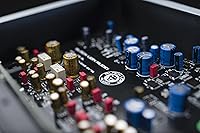
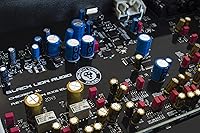
  • Converters: Pro-grade analog-to-digital and digital-to-analog converters form the core of the signal path, reflecting Black Lion Audio's established expertise in professional audio conversion.
  • Headphone Out: One dedicated headphone output with an independent level control knob is provided on the front panel for real-time monitoring.
  • USB Power: The interface is fully bus-powered via its USB connection, requiring no external power supply or wall adapter.
  • DAW Compatibility: Supported with most USB-compatible digital audio workstations across major recording platforms on supported operating systems.
  • OS Support: Windows operating system compatibility is officially confirmed; Mac users should verify driver support for their specific macOS version with the manufacturer before purchasing.
  • Dimensions: The chassis measures 10 x 9 x 4 inches, offering a compact footprint suited to desktop studio setups and portable recording situations.
  • Weight: The unit weighs 5.45 pounds, consistent with the density expected from an all-metal chassis construction.
  • Chassis Material: The enclosure is built entirely from metal, providing durability and the tactile solidity associated with professional-tier audio hardware.
  • Brand: Black Lion Audio is a boutique manufacturer recognized in the professional audio community for interface modification services and original hardware development.
  • Model Number: The official model identifier is REVOLUTION 2x2 as assigned by the manufacturer.
  • Launch Date: The product first became commercially available in January 2021.

Related Reviews
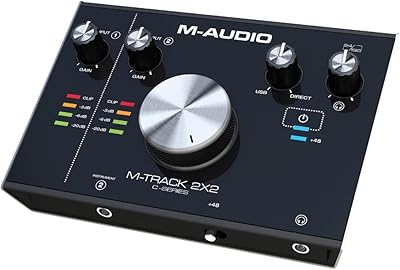
M-Audio M-Track 2X2 USB Audio Interface
76%
84%
Build Quality
76%
Preamp Performance
82%
Ease of Setup
58%
Driver Stability
79%
Value for Money
More
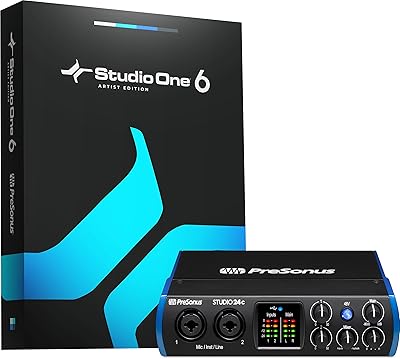
PreSonus Studio 24c
PreSonus Studio 24c
84%
92%
Build Quality & Durability
88%
Sound Quality & Resolution
86%
Preamp Performance (XMAX-L)
94%
Software Bundle Value
89%
Portability & Form Factor
More
PreSonus AudioBox iOne
75%
88%
Preamp Quality
83%
Build Quality
91%
Ease of Setup
61%
Direct Monitoring
86%
iPad Compatibility
More
PreSonus AudioBox iTwo 2x2 USB/iPad Audio Interface
86%
92%
Value for Money
89%
Portability & Design
91%
Software & Ease of Use
88%
Sound Quality
85%
Build Quality
More
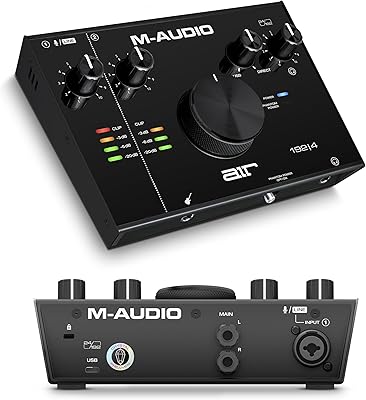
M-Audio AIR 192|4
M-Audio AIR 192|4
85%
93%
Build Durability
91%
Tactile Control Experience
88%
Preamplifier Transparency
87%
Recording Latency
86%
Software Bundle Value
More
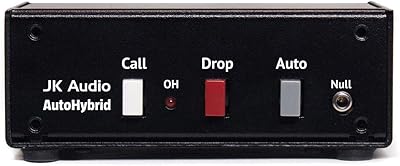
JK Audio Autohybrid Telephone Audio Interface
75%
88%
Audio Signal Clarity
84%
Sidetone Rejection
86%
Build Quality
61%
Ease of Setup
31%
VoIP Compatibility
More
Universal Audio Arrow Thunderbolt 3 Audio Interface
77%
93%
Audio Conversion Quality
91%
Unison Preamp Performance
88%
Real-Time UAD Processing
58%
Thunderbolt 3 Connectivity
61%
Windows Compatibility
More
Antelope Discrete 4 Synergy Core Audio Interface
71%
88%
Preamp Quality
83%
Onboard DSP Performance
47%
Software Stability
74%
Included Plugin Library
86%
Connectivity & I/O Depth
More
Universal Audio Apollo X16 Audio Interface
82%
94%
Conversion Quality
91%
UAD DSP Performance
89%
Build & Hardware Quality
92%
Low-Latency Tracking
88%
I/O Flexibility
More
M-Audio M-Track Duo
M-Audio M-Track Duo
83%
88%
Preamp Clarity
93%
Value for Money
62%
Build Quality
91%
Ease of Installation
87%
Portability
More

FAQ

The official listing confirms Windows compatibility, but macOS support is not explicitly stated in the published specs. In practice, Black Lion Audio's hardware has generally functioned on macOS, but it is worth contacting Black Lion's support team or checking their website to confirm driver availability for your specific macOS version before committing to a purchase.

Macro-MMC is Black Lion's term for a precision clocking system that minimizes digital jitter — tiny timing errors that occur when converting analog audio into digital data. Reducing jitter tightens the sound and gives recordings a cleaner, more defined character. The difference is subtle rather than dramatic, but it is most noticeable on transient-heavy sources like acoustic guitar and vocals when comparing side by side with a lower-grade interface.

This boutique interface only supports two simultaneous inputs, so it works fine for a one-on-one interview format or a solo host setup. If your podcast involves three or more people speaking into their own microphones at once, you will need a multi-channel interface or an audio mixer with more inputs. It is designed for quality-focused recording rather than high-channel-count situations.

The Scarlett 2i2 is a well-proven interface at a more accessible price, and for many home studio users it is more than adequate. Where Black Lion's 2-channel unit earns its higher cost is in conversion quality and clocking accuracy, both of which contribute to recordings that feel more open and defined. If your monitoring chain is solid and your room is reasonably treated, the improvement is genuinely audible; if you are still building your setup, the gap may be harder to notice right away.

Some users report that the headphone amp handles standard low-impedance cans without trouble but falls short with high-impedance models in the 250-ohm to 300-ohm range, such as Beyerdynamic DT 990 or Sennheiser HD 650 headphones. If you rely heavily on high-impedance reference headphones, the output may not deliver the volume or control you expect, and pairing it with a dedicated headphone amplifier could be worth considering.

No bundled DAW software is officially listed alongside this interface, which is a notable contrast to competitors like the Focusrite Scarlett range that typically include Ableton Live Lite or a comparable entry-level package. You will need to bring your own recording software, though the unit is compatible with most major USB-capable DAWs on supported operating systems.

Yes — both combo inputs support instrument-level signals, so plugging a guitar or bass in directly for a clean DI recording is straightforward. The instrument mode adjusts input impedance to suit passive or active pickups properly, and the low-noise preamps keep the captured signal clean. For amp-simulated tones, you would route through a third-party plugin or hardware preamp pedal in the signal chain.

No, there is no MIDI I/O on this unit. If you use hardware synthesizers, drum machines, or any gear that requires a physical DIN MIDI connection rather than USB MIDI, you will need a separate MIDI interface alongside it.

Specific round-trip latency figures are not published in the official documentation, but USB bus-powered interfaces in this class typically perform well at moderate buffer settings for real-time tracking. Many units at this tier include a direct monitoring option that routes the input signal straight to the headphone output with no computer-induced delay; it is worth confirming with Black Lion's documentation or support whether that feature is present here.

Buyers consistently highlight build quality as one of the stronger points, noting that the all-metal chassis feels noticeably denser and more rigid than the plastic-dominant construction common on budget interfaces. Several reviewers mention that the weight and rigidity make the price feel more justified from the moment you pick it up. It is compact but does not feel fragile, which matters for anyone moving it between a home studio and remote recording sessions.

Where to Buy