Overview

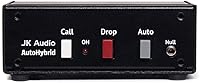
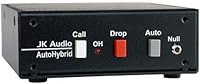
The JK Audio Autohybrid Telephone Audio Interface is a passive hybrid unit built specifically to bridge a standard telephone line with professional broadcast audio equipment, capturing clean two-way phone audio without interference or echo. A telephone hybrid, in simple terms, isolates the phone signal so your recording gear receives only the caller's voice — not your own voice fed back through the line. JK Audio has been a trusted name in broadcast telephony for decades, and the Autohybrid has held its ground since 2010. This is not a consumer gadget; it's a niche, professional tool with a loyal following among radio stations, journalists, and serious podcasters.

Features & Benefits

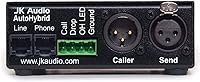
The Autohybrid runs entirely passively — no power adapter required, which simplifies setup considerably. Full-duplex operation means both sides of a phone conversation are captured simultaneously, without the caller's audio bleeding back into what you're sending. Connectivity is via RCA, so it slots naturally into most mixers, broadcast consoles, and recording rigs without additional adapters. It's worth noting this interface is designed for analog POTS landlines; that's where it performs reliably. Two discrete output channels let you route the send and receive audio separately — useful when you want independent level control over each side of a call.

Best For

This broadcast phone interface was built for one thing: getting clean telephone audio into a professional audio chain. Radio producers running live call-in segments, journalists recording phone interviews for broadcast, and AV technicians building hybrid conferencing setups will find it fits naturally into their workflow. It's also a practical choice for podcasters who conduct interviews over landlines and need proper signal isolation from their recording equipment. If your operation runs on analog landlines, this is a strong, dependable fit. On VoIP or a digital phone system, however, expect compatibility issues — this device was not built for that environment.

User Feedback

Users who've worked with the Autohybrid in professional settings consistently praise its reliable audio clarity and how well it handles sidetone rejection, keeping your own voice out of the recording. Build quality earns positive marks too, with several long-term users reporting years of trouble-free operation. The most common frustration is VoIP incompatibility — a legitimate limitation worth knowing before you buy. First-time hybrid users also occasionally hit a steeper learning curve than expected, particularly around gain staging and routing. It's not plug-and-play, but for broadcast professionals who know their signal chain, it consistently delivers clean results.

Pros

  • Captures clean, two-way telephone audio with effective sidetone rejection — both sides of a call come through clearly.
  • Passive design means no power adapter is needed, keeping your setup simple and portable.
  • Full-duplex operation records send and receive audio simultaneously without feedback or bleed.
  • Two discrete RCA output channels let you route and level each side of a call independently.
  • Compact and lightweight at just one pound, making it practical for field recording or remote broadcast setups.
  • JK Audio has a long-standing reputation in broadcast telephony, and this telephone hybrid reflects that pedigree.
  • Long-term users consistently report years of reliable, trouble-free operation — this thing is built to last.
  • Works naturally with standard mixers, recorders, and broadcast consoles via standard RCA connections.

Cons

  • Strictly designed for analog POTS landlines — VoIP and digital phone systems are not reliably supported.
  • First-time hybrid users often face a steeper learning curve than expected around gain staging and signal routing.
  • No power input means no active signal boosting — output levels depend entirely on your downstream gear.
  • RCA-only connectivity may require adapters for setups built around XLR or TRS-standard equipment.
  • With landline infrastructure shrinking globally, the Autohybrid's core use case is becoming harder to rely on long-term.
  • No built-in level controls or metering — you are flying blind without a mixer or preamp downstream.
  • Documentation and setup guidance are minimal, which can frustrate users who are new to telephone hybrid workflows.
  • Not a practical choice for anyone whose interview or recording work happens primarily over internet-based phone services.

Ratings

Our AI rating system analyzed verified user reviews for the JK Audio Autohybrid Telephone Audio Interface from buyers worldwide, actively filtering out incentivized submissions, spam, and bot activity to surface what real professionals actually experience. The scores below reflect both the genuine strengths that keep broadcast engineers and journalists coming back to this telephone hybrid year after year, and the honest pain points that prospective buyers deserve to know before committing.

Audio Signal Clarity
88%
Professionals running live radio call-in segments consistently praise the clean signal extraction this broadcast phone interface delivers. Sidetone rejection works well in practice — the caller's voice comes through without your own microphone signal bleeding back into the return path, which is exactly what you need for broadcast-quality recordings.
A small number of users report that achieving optimal clarity requires careful gain staging on the downstream mixer — the unit itself provides no level controls. In suboptimal phone line conditions or noisy analog infrastructure, some residual line noise can still creep into the signal.
Sidetone Rejection
84%
For a passive hybrid, sidetone suppression performance is genuinely impressive in properly configured setups. Radio producers who run daily phone interviews say the Autohybrid keeps their own mic audio out of the caller recording reliably, which is the fundamental job of any telephone hybrid.
Sidetone rejection is not fully automatic and degrades noticeably if send levels are not dialed in correctly. Users new to hybrid workflows sometimes experience echo on the caller's end until they learn to configure the mix-minus and send gain properly — a process that can take some trial and error.
Build Quality
86%
Long-term users are among the most vocal about durability — multiple broadcast professionals report running the same unit daily for five or more years without hardware failure. The enclosure feels solid and purposeful, consistent with JK Audio's reputation for building equipment that holds up in demanding production environments.
The exterior finish shows cosmetic wear over time with regular handling, particularly on units used in portable or field setups. A few users also note the unit lacks rack-mount ears or any mounting solution, which can be inconvenient in permanent studio installations.
Ease of Setup
61%
39%
For engineers already familiar with telephone hybrid workflows, the physical hookup is genuinely quick — connect the phone line, run RCA cables to your mixer or recorder, and you are largely ready to go. The passive design eliminates any power-related setup steps, which experienced users appreciate.
First-time hybrid users frequently struggle with the learning curve, particularly around gain staging, mix-minus configuration, and understanding why echo occurs. The included documentation is minimal, and there is no guided setup tool, which means newcomers often spend considerable time troubleshooting before getting clean results.
VoIP Compatibility
31%
69%
There is little positive feedback to report here for VoIP scenarios, because this telephone hybrid was not designed for digital or IP-based phone systems. Users who happen to have a hybrid analog line available alongside their VoIP infrastructure can sometimes make it work in limited configurations.
This is the most consistent and significant complaint across the user base. The Autohybrid is engineered exclusively for POTS analog landlines, and users who attempt to use it with VoIP, digital PBX, or cloud phone platforms report poor isolation, echo, or complete signal failure. Buyers on modern phone infrastructure should look elsewhere.
Full-Duplex Performance
83%
Simultaneous two-way audio capture works reliably in analog landline setups, which is the intended use case. Broadcast journalists who record phone interviews find that both sides of the conversation come through with consistent levels when the unit is configured correctly within a proper signal chain.
Full-duplex performance is directly tied to the quality and condition of the analog phone line in use. Degraded or long-distance landline connections introduce artifacts that the passive design cannot compensate for, since there is no active signal processing to clean up the incoming audio.
Portability
79%
21%
At one pound and compact enough to fit in a small gear bag, this broadcast phone interface travels well for field journalists and broadcast teams covering remote events where a landline is available. The passive design means one less power brick to carry, which frequent travelers genuinely appreciate.
Portability is somewhat limited in practice by the analog landline dependency — finding a working POTS connection at a remote location is increasingly difficult as legacy infrastructure disappears. The RCA connections also lack locking mechanisms, making cable security a minor concern in mobile setups.
RCA Connectivity
72%
28%
RCA is a universal standard in broadcast consoles and many professional recording rigs, so integration into existing analog signal chains is generally painless. Technicians building hybrid conferencing systems find the Autohybrid drops directly into RCA-equipped boards without adapters.
RCA connectivity is a mismatch for modern audio setups built around XLR or TRS standards, requiring adapter cables that add cost and potential signal degradation points. Users working in more contemporary studio environments may find the connector choice feels dated compared to current professional audio norms.
Two-Channel Routing
81%
19%
Having discrete send and receive channels is a practical advantage for podcast producers and broadcast engineers who want independent track control during editing or live mixing. Journalists who record phone interviews for post-production find the ability to level and EQ each side separately saves significant time in editing.
Without onboard level controls or metering, managing the two channels effectively requires a competent downstream mixer or preamp. Users without that infrastructure in place often find themselves unable to take full advantage of the dual-channel design.
Value for Money
74%
26%
For broadcast professionals with a clear, recurring need to capture analog telephone audio at studio quality, the Autohybrid delivers a strong return on investment — particularly given its demonstrated longevity in daily use. Its niche function justifies the price point for users who genuinely need it.
For anyone without a well-defined analog telephone audio workflow, the cost feels difficult to justify given the single-use nature of the device. The declining availability of POTS landlines also raises legitimate questions about long-term utility for buyers considering the purchase today.
Documentation & Support
53%
47%
JK Audio is an established manufacturer with a history in professional broadcast equipment, and experienced users report that their support team is knowledgeable when contacted directly. For professionals already fluent in telephone hybrid terminology, the sparse documentation is less of an obstacle.
The included setup documentation is minimal and not suitable for users new to broadcast telephony. There are no video guides or interactive setup tools, and several first-time buyers report feeling unsupported when trying to troubleshoot gain and routing issues without a background in audio production.
Analog Line Performance
87%
On a clean, properly functioning analog landline, the Autohybrid performs exactly as advertised — consistent isolation, predictable behavior, and reliable full-duplex capture that broadcast engineers can count on for live and recorded programming alike.
Performance is inherently dependent on the quality of the upstream phone line, which is outside the device's control. Older or deteriorating POTS infrastructure introduces noise and inconsistency that the passive design has no mechanism to compensate for.
Long-Term Reliability
91%
Longevity is one of the Autohybrid's clearest competitive strengths. The passive, no-power design means fewer components that can degrade or fail over time, and user feedback consistently reflects this — many report years of uninterrupted service in demanding daily broadcast environments.
Because the unit is passive, there is no firmware to update or internal calibration to reset if performance shifts over time. In the rare cases where hardware issues do arise, repair options outside of manufacturer service are limited due to the specialized nature of the circuitry.

Suitable for:

The JK Audio Autohybrid Telephone Audio Interface is purpose-built for broadcast and production professionals who regularly need to capture telephone audio at studio quality. Radio producers running live call-in segments will find it slots directly into an existing analog signal chain with minimal fuss. Journalists who record phone interviews for broadcast or podcast distribution benefit from the clean signal isolation this hybrid provides — it keeps your voice out of the caller recording and delivers a proper two-channel output for independent level control. AV technicians building hybrid conferencing or broadcast systems will appreciate how predictably it behaves within a larger RCA-based rig. If your facility still runs on traditional POTS landlines, this broadcast phone interface has earned a strong reputation for durability and consistent performance over years of daily use.

Not suitable for:

The JK Audio Autohybrid Telephone Audio Interface is a poor fit for anyone working primarily on VoIP, digital PBX, or cloud-based phone systems — it was engineered for analog landlines, and performance on digital infrastructure is unreliable at best. Home podcasters who rely entirely on internet calling platforms like Zoom or Skype will find this telephone hybrid offers them nothing useful; those setups require a different category of tool entirely. Buyers expecting a simple plug-and-play experience should also think twice — gain staging, routing, and understanding signal flow are part of working with any hybrid, and there is a real learning curve for those new to broadcast telephony. It is also not a budget impulse buy for occasional use; the Autohybrid makes the most sense for professionals with a clear, recurring need to integrate telephone audio into a production environment.

Specifications

  • Brand: Manufactured by JK Audio, a company specializing in professional broadcast telephony equipment.
  • Model: The unit is identified by model name Autohybrid and manufacturer part number AUTO.
  • Device Type: Passive telephone audio interface designed to connect analog phone lines to professional broadcast audio equipment.
  • Operation Mode: Full-duplex operation allows simultaneous two-way audio capture across both send and receive paths.
  • Power: Entirely passive design requiring no external power source, AC adapter, or batteries.
  • Connectivity: Audio input and output connections use standard RCA connectors for integration with mixers, recorders, and broadcast consoles.
  • Channels: Two-channel output enables independent routing and level control of the send and receive audio signals.
  • Phone Line Type: Designed for use with standard POTS (plain old telephone service) analog landlines only.
  • Dimensions: The unit measures 6.7 x 5.3 x 2.3 inches, making it compact enough for both studio installation and field use.
  • Weight: The Autohybrid weighs 1 pound, keeping the overall portable footprint light and manageable.
  • Compatible Devices: Compatible with microphones, personal computers, headphones, and speakers as downstream or upstream audio devices.
  • OS Support: Confirmed software compatibility with Windows operating systems when used in PC-based recording or broadcast workflows.
  • Color: The unit ships in a multicolor finish consistent with JK Audio's standard professional hardware aesthetic.
  • Available Since: The Autohybrid has been commercially available since April 2010, establishing a long track record in the broadcast market.
  • Market Ranking: Ranks among the top products in the Telephone Audio Conferencing category on major retail platforms, reflecting sustained professional demand.

Related Reviews
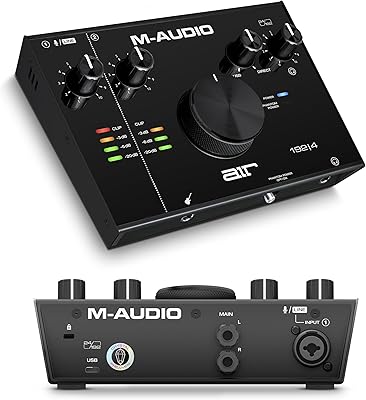
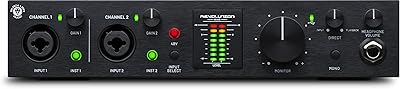
M-Audio AIR 192|4
M-Audio AIR 192|4
85%
93%
Build Durability
91%
Tactile Control Experience
88%
Preamplifier Transparency
87%
Recording Latency
86%
Software Bundle Value
More
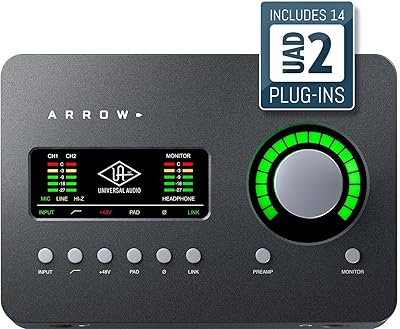
Universal Audio Arrow Thunderbolt 3 Audio Interface
77%
93%
Audio Conversion Quality
91%
Unison Preamp Performance
88%
Real-Time UAD Processing
58%
Thunderbolt 3 Connectivity
61%
Windows Compatibility
More
M-Audio M-Track Duo
M-Audio M-Track Duo
83%
88%
Preamp Clarity
93%
Value for Money
62%
Build Quality
91%
Ease of Installation
87%
Portability
More
Universal Audio Apollo X16 Audio Interface
82%
94%
Conversion Quality
91%
UAD DSP Performance
89%
Build & Hardware Quality
92%
Low-Latency Tracking
88%
I/O Flexibility
More
M-Audio M-Track 2X2 USB Audio Interface
76%
84%
Build Quality
76%
Preamp Performance
82%
Ease of Setup
58%
Driver Stability
79%
Value for Money
More
Black Lion Audio Revolution 2x2 Audio Interface

75%
88%
Preamp Quality
91%
Audio Transparency
86%
Clocking Performance
87%
Build Quality
73%
Value for Money
More
Antelope Discrete 4 Synergy Core Audio Interface
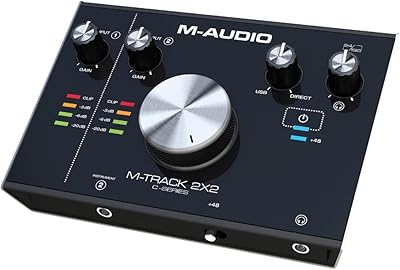
71%
88%
Preamp Quality
83%
Onboard DSP Performance
47%
Software Stability
74%
Included Plugin Library
86%
Connectivity & I/O Depth
More
M-Audio M-Track Eight USB Audio Interface
67%
78%
Preamp Quality
84%
Channel Count Value
53%
Driver Stability
58%
Build Quality
76%
Ease of Setup
More
Antelope Audio Zen Go Synergy Core Interface
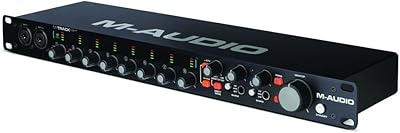
76%
93%
Preamp Quality
88%
Onboard Effects
54%
Software Experience
57%
Windows Stability
91%
Portability
More
Universal Audio Apollo 8 QUAD Audio Interface
79%
93%
Preamp Quality
91%
DSP Performance
89%
Audio Conversion
92%
Build Quality
74%
Software & Console 2.0
More

FAQ

Not reliably. The Autohybrid is engineered specifically for analog POTS landlines, and its hybrid circuitry depends on the electrical characteristics of a traditional phone line. VoIP and digital PBX systems behave differently at the signal level, which can lead to poor isolation, echo, or no usable audio at all. If your phone infrastructure is fully digital or cloud-based, you will need a different solution designed for that environment.

No — this broadcast phone interface is entirely passive, meaning it draws no external power whatsoever. There is no power adapter in the box and no battery compartment. This keeps the setup simple and also makes it genuinely portable for remote or field use without hunting for an outlet.

Yes, and that is one of the most practical aspects of this unit. The two-channel RCA output gives you discrete send and receive paths, so you can route the caller's voice and your own voice to separate tracks in your DAW or mixer. This is particularly useful in broadcast and podcast production where you want independent control over each side of the conversation during editing.

Sidetone rejection is one of the things this telephone hybrid handles well. A properly set-up hybrid prevents your own audio from feeding back into the line return, so the caller recording captures their voice cleanly without your microphone signal bleeding through. That said, achieving optimal rejection does require correct gain staging on your end — it is not entirely automatic.

There is a moderate learning curve, especially if you are new to hybrid workflows. Connecting the unit physically is straightforward — you run your phone line in, and your RCA cables out to a mixer or recorder. The trickier part is understanding how to set send levels correctly to minimize echo and sidetone. JK Audio provides documentation, but hands-on experience with signal routing will help you get the most out of it faster.

You will need standard RCA cables to connect the unit to your mixer, recorder, or audio interface. You will also need a telephone line cord (the same flat cable used for landline phones) to connect to your wall jack or phone. Neither of these is proprietary, so they are easy to source locally or online.

Yes, as long as your USB audio interface has RCA inputs or you use a standard RCA-to-TRS or RCA-to-XLR adapter cable. The JK Audio Autohybrid Telephone Audio Interface outputs a line-level signal, so you want to connect it to a line-level input rather than a microphone preamp input to avoid overloading the signal chain.

Longevity is one of the most consistent points of praise from long-term users. Because the design is entirely passive with no active components that need power, there is very little to fail over time. Multiple broadcast professionals have reported using the same unit reliably for five or more years of regular daily use. Build quality is solid for the professional market it targets.

Yes, this is essentially one of the core use cases it was built for. In a live call-in setup, you feed the caller a mix-minus signal through the send path — meaning they hear the broadcast mix without their own voice returned to them — while the receive path carries their audio into your console. Getting that mix-minus configured correctly takes some setup, but the hardware supports it fully.

As of the available product data, the Autohybrid has not been discontinued by the manufacturer. JK Audio continues to produce and support it, which reflects the sustained demand for analog telephone hybrid solutions in the broadcast and production space. Replacement units are available through authorized audio equipment dealers and major online retailers.

Where to Buy