

Overview
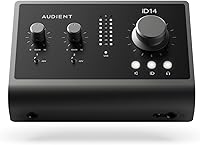
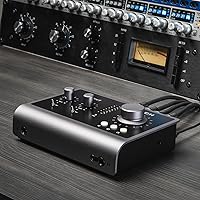
The Audient iD14 MKII represents a significant step up from the original model, packing high-end console internals into a compact, sturdy frame. Most people looking for a professional-grade home setup want reliability, and this desktop interface delivers that with its heavy all-metal housing. It feels substantial on a desk, which is a relief compared to the flimsy plastic alternatives that often slide around when you plug in a cable. By focusing on high-fidelity conversion and durable components, it bridges the gap between bedroom recording and a pro studio. The design is clean and intuitive, making it easy to find your way around the controls without needing a manual. It is built for those who prioritize sound quality over flashy lights or unnecessary bells and whistles.
Features & Benefits
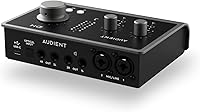
Under the hood, this USB-C interface uses the same Class-A preamps found in massive mixing consoles, giving you a remarkably clean and transparent signal path. Guitar players will appreciate the JFET instrument input, which adds a subtle warmth reminiscent of a tube amplifier. One of the most practical additions is the pair of headphone outputs. Having both large and small jacks means you can stop hunting for adapters every time you swap gear. If your needs grow, the ADAT digital expansion allows you to add more inputs down the line, so you aren’t forced to buy a whole new setup. Best of all, it runs entirely on bus power, removing the clutter of extra power bricks from your workstation while maintaining top-tier performance levels.
Best For
Vocalists and podcasters will find the low noise floor of the Audient unit particularly helpful when using sensitive microphones that require a lot of clean gain. It is also an excellent choice for solo guitarists who want to capture the nuances of their instrument without digital harshness. Since the tactile stability of the metal chassis keeps it firmly in place, it works well for mobile producers who need a rugged kit that survives travel. If you are starting a small studio but know you might need more microphones later, the expansion options make it a smart long-term investment. It balances professional specs with a price point that makes sense for hobbyists ready to take their recordings more seriously.
User Feedback
Most users are quick to praise the sonic transparency and how quiet the inputs remain, even when pushed. The solid build quality is frequently mentioned, as it provides a sense of confidence that cheaper devices lack. On the software side, the virtual mixer is highly flexible, allowing for complex routing that makes monitoring a breeze. However, some have noted the lack of a physical power switch, which means the unit stays on as long as your computer is running. While the transparent sound is a huge selling point, a few people found the learning curve for the advanced software controls a bit steep at first. Despite these small gripes, the consensus points to a hardware experience that punches well above its weight class.
Pros
- The Class-A console preamps provide remarkably clean and transparent audio that captures professional-level detail.
- A discrete JFET instrument input successfully mimics the harmonic richness and feel of a real tube amplifier.
- The all-metal desktop housing offers a premium, stable feel that keeps it from sliding around your workspace.
- Dual headphone outputs allow for easy collaboration without the need for additional adapters or splitters.
- Having an ADAT input provides a clear upgrade path for adding eight more channels in the future.
- Full USB-C bus power means you can record anywhere without carrying around a bulky external power brick.
- The high-end conversion quality creates a wider soundstage that makes it much easier to make accurate mixing decisions.
- The multi-functional encoder knob allows for precise, tactile control over various hardware and software parameters.
Cons
- The absence of a physical power switch is a persistent annoyance for users who leave their setups plugged in.
- Older USB-A ports may struggle to provide the necessary power, potentially leading to connectivity drops during high-gain recording.
- The companion software has a relatively steep learning curve for those who are not used to digital signal routing.
- The heavy metal construction makes the unit significantly more cumbersome for ultra-light travel compared to plastic alternatives.
- Sharp edges on the chassis can potentially scratch other gear if it is not packed carefully in a bag.
- Virtual mixer controls can be overwhelming for beginners who just want a simple plug-and-play recording experience.
- The unit can run surprisingly warm during extended sessions, which might be concerning for some users.
- Syncing the digital expansion via ADAT can occasionally require tedious manual configuration within your DAW settings.
Ratings
Our team analyzed thousands of verified buyer experiences to see how the Audient iD14 MKII performs in real-world studio environments. By filtering out incentivized noise and bot activity, we developed these scores to give you an honest look at where this hardware excels and where it might fall short of expectations.
Preamplifier Transparency
Build Quality and Weight
Headphone Output Versatility
Digital Expandability
Instrument DI Character
Software Mixer Flexibility
Bus Power Efficiency
Physical Controls & Ergonimics
Latency Performance
Conversion Quality
Suitable for:
The Audient iD14 MKII is an exceptional choice for solo musicians and podcasters who prioritize professional-grade sound clarity over a high channel count. Vocalists will specifically benefit from the clean, transparent gain that captures every nuance without adding unwanted noise to the signal. Its rugged, all-metal construction also makes it a reliable companion for producers who need to record high-quality sessions while traveling between different studio spaces. Additionally, the inclusion of ADAT expansion means it is perfect for those who want a compact setup now but plan to add more microphones as their projects grow. Guitarists will also find the dedicated instrument input provides a much more natural, amp-like response than standard line inputs.
Not suitable for:
Buyers looking for a completely hardware-driven experience might find the Audient iD14 MKII frustrating due to its heavy reliance on a software mixer for advanced routing. While the build is premium, it is not the best fit for casual users or students on a tight budget who might find its professional price point overkill for basic Zoom calls or gaming. If you are a drummer or a band leader needing to record more than two microphones simultaneously right out of the box, you should look elsewhere as this unit requires additional external hardware for expansion. Furthermore, the lack of a dedicated physical power switch can be a dealbreaker for home users who prefer to shut down their entire workstation without unplugging cables manually.
Specifications
- Preamplifiers: The unit features two Class-A microphone preamps derived from the high-end ASP8024-HE console.
- Instrument Input: A front-mounted discrete JFET input provides a rich harmonic response for electric guitars and basses.
- Input Count: This device supports up to 10 simultaneous inputs when utilizing the digital ADAT expansion port.
- Output Count: There are 6 total outputs available, including 4 line outs and a dual headphone stage.
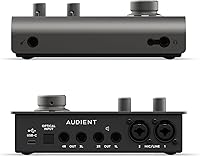
- Connectivity: A high-speed USB 3.0 Type-C connector handles both data transfer and bus power.
- Digital Expansion: The optical TOSLINK port supports ADAT and S/PDIF formats for adding external preamps.
- Headphone Outputs: Integrated 3.5mm and 6.3mm headphone jacks allow for dual monitoring without an adapter.
- Build Material: The entire desktop housing is constructed from a durable all-metal alloy for long-term stability.
- Dimensions: The physical footprint measures approximately 173 x 120 x 62 mm.
- Weight: The hardware weighs 1250 g, ensuring it stays firmly in place on a desk.
- OS Compatibility: The system is fully compatible with macOS, Windows, and iOS devices.
- Included Software: It comes with the ARC bundle, featuring Steinberg Cubase LE and a selection of professional plugins.
- Power Source: The interface is fully bus-powered via USB, eliminating the need for an external AC adapter.
- Monitor Control: Hardware controls include a programmable function button and a multi-purpose scroll wheel.
- Phantom Power: Independent +48V switches are provided for both microphone inputs to power condenser mics.
Related Reviews
Audient iD44 Audio Interface
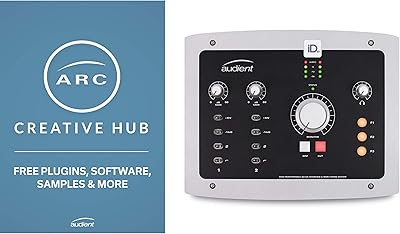
Audient iD22 USB Audio Interface
AKG K553 MKII Closed-Back Studio Headphones
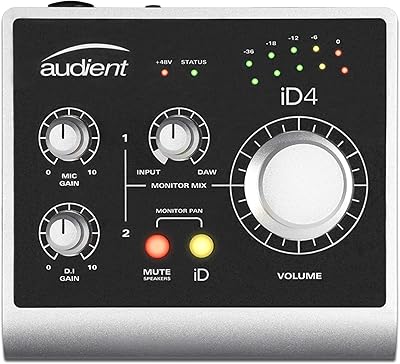
Audient iD4 USB Audio Interface
AKG K240 MKII
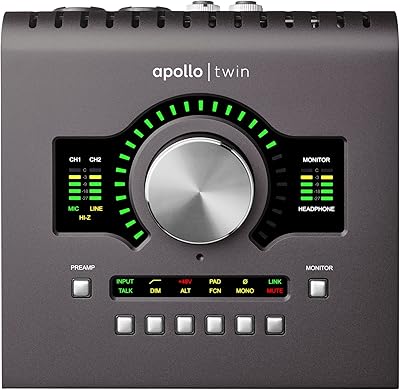
Universal Audio Apollo Twin MkII Solo Interface
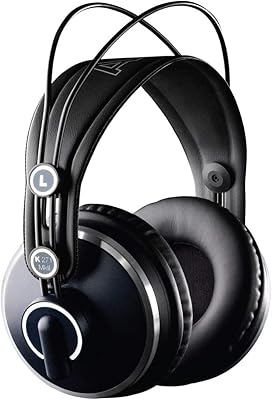
AKG K271 MKII Closed-Back Studio Headphones
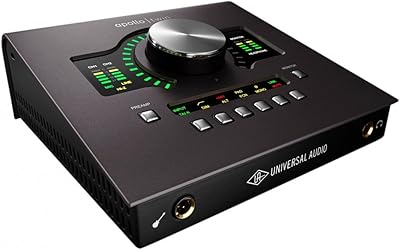
Universal Audio Apollo Twin MKII Quad Interface
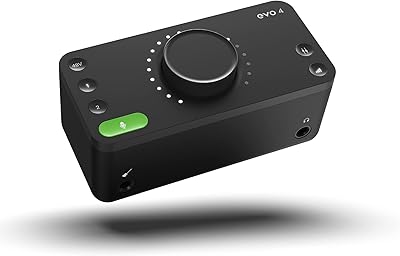
Audient EVO 4