ASUS Strix RAID PRO

Overview
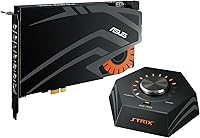
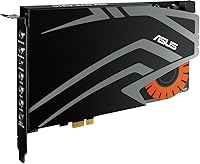
The ASUS Strix RAID PRO sits at the upper end of internal PCIe sound cards, targeting PC gamers and headphone enthusiasts who want a genuine upgrade from motherboard audio. What separates it from most cards in this space is the included tabletop control box — a small wired unit that puts volume, mute, and audio profile switching within reach without touching your keyboard. At its core, it runs an ESS SABRE9006A DAC with a claimed 116dB signal-to-noise ratio, which on paper puts it well ahead of typical onboard audio. Released in late 2015, this PCIe gaming audio card holds up reasonably on the hardware side, though its software experience has always been the more contentious part of the story.
Features & Benefits
The headline spec for most buyers will be the 600-ohm headphone amplifier. To put that in practical terms: most motherboard audio tops out around 32 to 64 ohms, meaning higher-impedance headphones — Beyerdynamic 250-ohm or Sennheiser 600-ohm models, for example — sound thin and underpowered through a standard jack. This ASUS sound card handles them without strain. The RAID MODE toggle earns its keep in competitive play, letting you shift from wide surround imaging to a chat-focused mix with a single press on the control box. Add a stable PCIe x1 connection for low latency, and Sonic Radar Pro for a visual overlay of incoming directional audio, and the feature list is genuinely well-considered for its target audience.
Best For
This ASUS sound card makes the most sense for competitive PC gamers who want rapid audio profile switching and a clear step up from integrated motherboard chips. It is also a strong fit if you own high-impedance headphones — 250 ohms and above — that never quite reach their potential through a standard output. Desktop builders looking to consolidate a DAC and amp into one internal card will appreciate the clean setup, especially with physical controls sitting on the desk. That said, it is not a strong match for music producers, anyone running a lean software environment, or users who have already hit driver walls on Windows 10 or 11.
User Feedback
With a 3.2 out of 5 average across 52 ratings, the Strix RAID PRO divides opinion fairly cleanly along hardware versus software lines. Buyers who stayed with it consistently highlight the audible improvement over onboard audio and the amp's ability to drive demanding headphones with authority. The control box gets specific praise for its solid feel and practical layout. Where things break down for a notable share of users is Sonic Studio — described repeatedly as unstable, counterintuitive, and unreliable on current Windows builds. Driver compatibility issues surface often enough to be a genuine pre-purchase consideration. The hardware holds up well; the software support, unfortunately, does not match it.
Pros
- Drives high-impedance headphones up to 600 ohms cleanly — a genuine capability most onboard audio cannot match.
- The ESS SABRE9006A DAC produces a noticeably lower noise floor compared to typical motherboard audio chips.
- Physical tabletop control box puts volume and audio profile switching within arm's reach during a session.
- RAID MODE lets you toggle between surround gaming audio and voice-clarity focus with a single button press.
- PCIe x1 interface provides a stable, low-latency connection that USB sound cards cannot always guarantee.
- The ASUS Strix RAID PRO delivers an audible upgrade in clarity and channel separation that most users notice immediately.
- Control box construction is solid and tactile — users consistently praise the feel of the knob and toggle switch.
- Sonic Radar Pro overlay offers a practical directional audio visualizer for supported competitive titles.
- Consolidates DAC and headphone amplification into one internal card, keeping the desk and cable setup clean.
Cons
- Sonic Studio software is frequently reported as unstable, crashing, or reverting settings after reboots.
- Driver compatibility on Windows 11 is inconsistent, with some users forced into full reinstalls after OS updates.
- ASUS has not updated the software ecosystem at a pace that reflects the card's continued retail presence.
- Users with sensitive in-ear monitors may notice a faint background hiss at high amplifier gain settings.
- Sonic Radar Pro game support has not expanded since launch, leaving many modern titles unsupported.
- The control box uses a proprietary connection — if the cable or unit is damaged, there is no third-party replacement path.
- Virtual surround performance is entirely dependent on Sonic Studio functioning correctly, which is not always guaranteed.
- Buyers on compact or crowded motherboards may experience electromagnetic interference from neighboring PCIe devices.
- At its current price point, newer competing cards offer comparable hardware with more actively maintained drivers.
- The card provides limited added value for anyone using low-impedance headphones or standard gaming headsets.
Ratings
Our AI-generated scores for the ASUS Strix RAID PRO were built by analyzing verified buyer reviews from multiple global sources, with spam, incentivized, and bot-flagged feedback actively filtered out before any scoring was applied. The result is an honest cross-section of real user experience — covering everything from first install through long-term daily use. Both the hardware strengths and the recurring software frustrations are reflected transparently in every category below.
Audio Quality
Headphone Amplifier
Software Experience
Driver Stability
RAID MODE Functionality
Control Box Build Quality
Installation & Setup
Value for Money
Surround Sound Performance
Compatibility
Noise Floor & Interference
Longevity & Durability
Sonic Radar Pro Usefulness
Physical Design & Aesthetics
Suitable for:
The ASUS Strix RAID PRO is a strong fit for desktop PC gamers who want a meaningful, hardware-backed upgrade from their motherboard's integrated audio without committing to a full external DAC and amplifier stack. It particularly shines for anyone running high-impedance headphones — think Beyerdynamic, Sennheiser HD-series, or similar cans in the 250 to 600 ohm range — that simply never reach their potential through a standard onboard output. Competitive players in team-based games will get real utility from the RAID MODE toggle, which lets you flip between spatial surround imaging and a voice-clarity focused mix using a physical button on the desk-mounted control box rather than digging through software menus mid-match. If you value tactile, hardware controls over software dashboards and want your audio profile switching to be instant and reliable, this PCIe gaming audio card was designed with exactly that workflow in mind. It also suits builders who want to keep their setup tidy by consolidating amplification and digital-to-analog conversion into one internal card rather than adding cables and desk clutter with external units.
Not suitable for:
The ASUS Strix RAID PRO is not the right choice for anyone who wants a plug-and-play experience with minimal software management — the Sonic Studio driver ecosystem has a documented history of instability on Windows 10 and, more critically, Windows 11, and ASUS has not kept its update cadence consistent enough to fully address this. Music producers, podcasters, or anyone who depends on reliable low-latency monitoring and consistent software behavior should look at dedicated audio interfaces instead, where driver support and professional-grade control are the primary design priority. Buyers with low-impedance headphones or earbuds under 80 ohms will not notice a meaningful difference from this ASUS sound card compared to a competent onboard chip, making the investment hard to justify for that use case. If you are sensitive to the idea of periodically troubleshooting driver conflicts after Windows updates, the ongoing maintenance this card can require will wear thin quickly. Given that the hardware launched in 2015, buyers comparing it directly against newer alternatives should weigh whether equivalent or better-spec cards with more actively maintained software are now available at similar prices.
Specifications
- Interface: The card connects to the motherboard via a PCIe x1 slot, providing a stable, low-latency internal connection.
- DAC Chip: Audio conversion is handled by an ESS SABRE9006A digital-to-analog converter, a chip well-regarded for low distortion and high dynamic range.
- Signal-to-Noise Ratio: The card is rated at 116dB SNR, indicating a very clean output with minimal background noise relative to the audio signal.
- Headphone Amp: The onboard amplifier supports headphones up to 600 ohms impedance, enabling clean, full-volume output from high-impedance audiophile and studio headphones.
- Audio Output: The card supports 7.1 surround sound output, delivered either through physical channels or virtual surround processing via software.
- Control Box: A wired tabletop control box is included, providing physical access to volume adjustment, mute, and RAID MODE switching without interacting with software.
- RAID MODE: A dual-profile audio toggle allows switching between immersive surround gaming audio and a voice or chat-clarity focused mix using the control box button.
- Software Suite: Sonic Studio handles all audio configuration and equalization, while Sonic Radar Pro adds an in-game directional audio overlay for supported titles.
- Compatible Devices: The card is listed as compatible with desktop PCs, laptops with appropriate slots, and select gaming consoles.
- Item Weight: The complete package weighs 2.53 pounds, accounting for the card, control box, and bundled accessories.
- Product Dimensions: The full package measures 17 x 11.8 x 12.3 inches, reflecting the retail box dimensions including the control box and cabling.
- Manufacturer: Designed and manufactured by ASUS Computer International, a division of the ASUS global hardware group.
- Model Number: The official model designation is STRIX RAID PRO, part of the ASUS Strix gaming peripheral line.
- First Available: The card was first made available for purchase in December 2015 and has remained in ASUS's product catalog since.
- Market Rank: The card holds a Best Sellers Rank of #32 in the Computer Internal Sound Cards category on Amazon at the time of review.
- Platform Support: The card is listed as platform-agnostic at the hardware level, though full software functionality is primarily tested and supported on Windows.
- Output Connectivity: The card provides multiple 3.5mm audio jacks for headphone output, microphone input, and multi-channel speaker connections.
- Surround Processing: Virtual 7.1 surround is processed through Sonic Studio software, which must be installed and running for surround features to function.
Related Reviews
ASUS Prime X470-Pro ATX Motherboard
ASUS ROG STRIX Z890-A ATX Motherboard
ASUS ROG XG27AQDMG 27-inch OLED Gaming Monitor
ASUS TUF Gaming Z890-PRO WiFi Motherboard

ASUS ROG Strix G17 (2021) Gaming Laptop
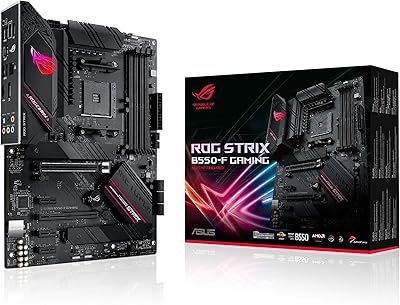
ASUS ROG Strix B550-F AMD AM4 Motherboard
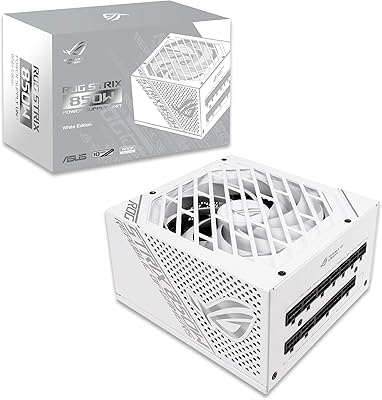
ASUS ROG Strix 850W Power Supply
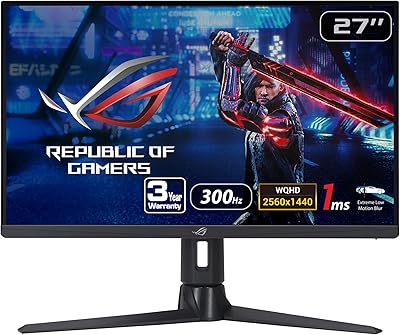
ASUS ROG Strix XG27AQMR 27” Gaming Monitor
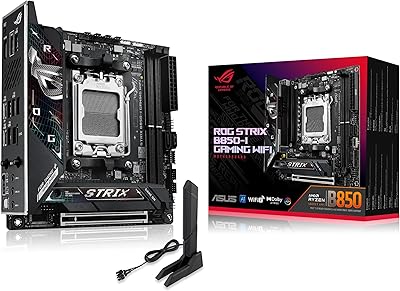
ASUS ROG Strix B850-I Mini-ITX Motherboard