Overview

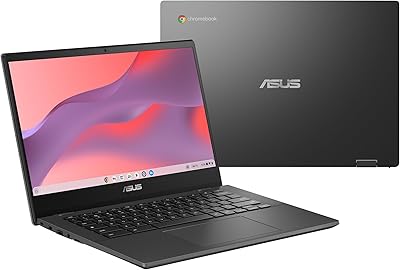
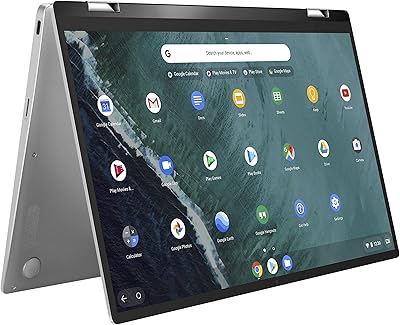
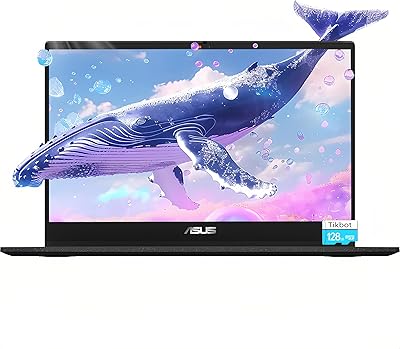
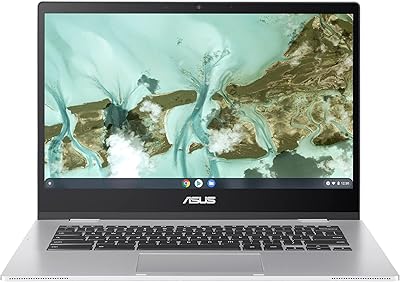
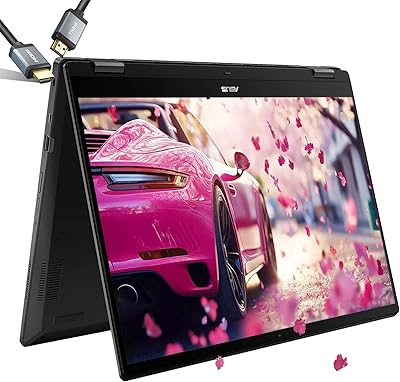
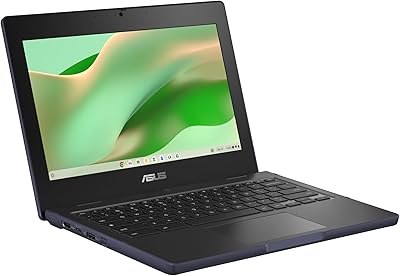
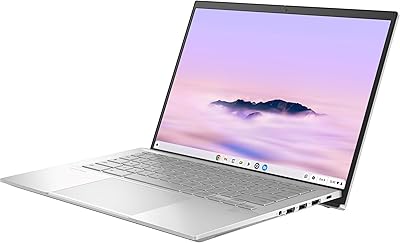
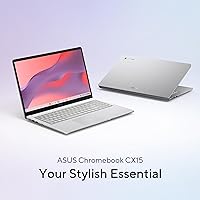
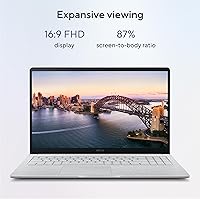
The ASUS Chromebook CX15 CX1505CKA is one of the few budget laptops that actually gives you a 15.6-inch FHD display without asking you to sacrifice much in return. At this price tier, a full 1920×1080 anti-glare screen is genuinely rare, and it makes a real difference if you spend long hours reading, watching lectures, or hopping between browser tabs. ChromeOS keeps things fast and fuss-free — boots in seconds, updates quietly in the background, and comes loaded with Google's core apps right out of the box. Add a MIL-STD-810H rating and you have a machine that projects more reliability than its price tag suggests. That said, if you need Windows software or plan to push demanding workloads, this Chromebook is simply not the right fit.
Features & Benefits

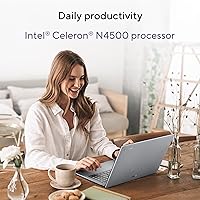
The anti-glare FHD panel is the headline here — it cuts down reflections noticeably during daylight use, which students and remote workers genuinely appreciate during long sessions. The Intel Celeron N4500 handles web browsing, Google Docs, Sheets, and video streaming without complaint; just don't expect it to juggle 20 tabs and a handful of Android apps at once. Where the CX15 genuinely surprises is storage — 128GB onboard SSD is more than most Chromebooks at this level offer, so you're not constantly managing space or leaning entirely on Google Drive. Eight gigabytes of LPDDR4X RAM keeps daily use noticeably smoother than the 4GB alternatives, and Wi-Fi 6 support means you won't be the bottleneck on a modern router.

Best For

This large-screen Chromebook hits a sweet spot for students who need a bigger display for assignments and video calls without spending a lot. It's equally well-suited to remote workers who spend most of their day in Gmail, Google Meet, or Docs — the browser-first approach of ChromeOS actually works in their favor here. Parents looking for a low-maintenance device for kids will appreciate the spill-resistant keyboard and the fact that ChromeOS largely manages itself. Older users or those coming from a tablet will find the fast startup and clean interface easy to pick up. It also works well as a secondary travel laptop when you want more screen real estate than the typical 11-to-13-inch options offer.

User Feedback

Buyers consistently praise the screen size and brightness for the price, calling it one of the better displays they've used at this level. The keyboard earns decent marks for comfort on a 15-inch chassis, though the trackpad draws mixed opinions — some find it accurate, others wish for a bit more precision. Battery life satisfies most casual users, though heavy streaming or Android app use can shorten that window noticeably. Build quality holds up well over time, with the MIL-STD certification earning real credibility. The most consistent complaint comes from Windows converts who hit the limits of ChromeOS — no native software support is a genuine adjustment, and for some buyers, that turns out to be a dealbreaker worth knowing before purchase.

Pros

  • The 15.6-inch FHD anti-glare screen is genuinely rare at this price point and reduces eye strain during long sessions.
  • 128GB of onboard SSD storage stands out in a segment where 64GB is still common.
  • 8GB of RAM keeps tab-switching noticeably smoother than most entry-level Chromebook rivals.
  • ChromeOS boots in seconds and handles updates invisibly — almost zero maintenance required.
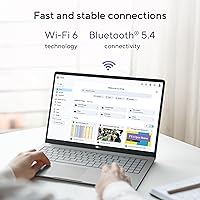
  • Wi-Fi 6 support delivers stable, fast connections on modern routers and crowded campus networks.
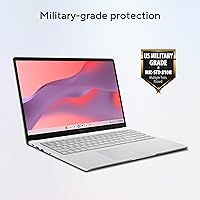
  • MIL-STD-810H certification and a spill-resistant keyboard add real durability for daily rough handling.
  • The CX15 weighs just 3.51 lbs, making it manageable for commuters and students carrying it daily.
  • Google One and YouTube Premium trial offers add tangible value right out of the box.
  • Full-size keyboard layout on a 15-inch chassis gives typists comfortable room to work.
  • Strong value proposition for buyers who know what ChromeOS is and work within its strengths.

Cons

  • The single USB 3.0 port becomes a real bottleneck the moment you need two peripherals at once.
  • No keyboard backlighting makes evening or low-light use genuinely inconvenient.
  • Battery life drops faster than advertised figures suggest when streaming video or using Android apps.
  • The plastic chassis feels hollow under pressure and shows cosmetic wear sooner than expected.
  • Built-in speakers sound thin at higher volumes — not a great experience for movie watching without headphones.
  • Webcam quality degrades quickly in dim lighting, making it unreliable for professional video calls.
  • Trackpad precision frustrates users doing fine selection tasks or coming from higher-quality hardware.
  • The Celeron N4500 processor slows noticeably under heavier multitasking loads.
  • Viewing angles narrow toward the sides, limiting comfortable screen-sharing with someone beside you.
  • No user-expandable storage means you are locked into 128GB for the life of the machine.

Ratings

The ASUS Chromebook CX15 CX1505CKA has been evaluated by our AI rating system after processing thousands of verified global buyer reviews, with spam, bot-generated, and incentivized feedback actively filtered out. The scores below reflect a transparent, balanced picture of where this large-screen Chromebook genuinely delivers and where real users have run into friction. Strengths and pain points are weighted equally so you can make an informed decision before buying.
Display Quality
83%
The 15.6-inch FHD anti-glare panel earns consistent praise from students and remote workers who use it for hours at a stretch. Brightness levels hold up reasonably well in lit rooms, and the anti-glare coating makes a tangible difference when working near windows or under overhead lighting.
Color accuracy is average at best — users doing any photo editing or creative work find the panel underwhelming. Viewing angles also narrow noticeably toward the sides, which limits comfortable screen-sharing with someone sitting next to you.
Performance & Speed
67%
33%
For core daily tasks — browsing, Google Docs, video calls, and light streaming — the Celeron N4500 keeps things moving without obvious stutters. Boot time is genuinely fast thanks to ChromeOS being lightweight, and casual users rarely feel bottlenecked during typical sessions.
Push it beyond 10 to 12 browser tabs or layer in a few Android apps simultaneously and slowdowns become noticeable. Users who expected Windows-tier multitasking performance were frequently disappointed, and demanding Android games are largely off the table.
Storage & Memory
88%
128GB of onboard SSD storage stands out clearly in this price bracket, where 64GB is still common. Paired with 8GB of RAM, everyday tab-switching and app-switching feel smoother than most budget Chromebook rivals, which makes a real difference in classroom or home-office use.
The storage is not user-expandable, which matters if your needs grow over time. A few users also noted that running multiple Android apps alongside several browser tabs can consume RAM faster than expected, occasionally triggering slowdowns on longer sessions.
Battery Life
74%
26%
Most users report comfortably getting through a school day or a standard work-from-home shift on a single charge when sticking to browsing and document work. The battery holds up well for lighter use patterns, which suits the core target audience well.
Real-world battery duration drops noticeably when streaming video continuously or using Android apps — some users report falling short of advertised figures by a meaningful margin. Those using it as a media device throughout the evening found themselves reaching for the charger sooner than expected.
Build Quality & Durability
81%
19%
The MIL-STD-810H certification is not just marketing here — buyers who have accidentally knocked the machine or used it in rough student environments report the chassis holding up better than they anticipated at this price. The spill-resistant keyboard adds meaningful reassurance for families with young kids.
The plastic body does feel light and somewhat hollow compared to mid-range laptops, and the lid flexes more than some buyers would prefer. A few users noted cosmetic scuffs appearing earlier than expected with daily bag use.
Keyboard & Typing Experience
76%
24%
Key travel is decent for a budget Chromebook, and the full-size layout on a 15-inch chassis gives typists room to work comfortably. Students who write long essays or take notes during lectures generally found it adequate without fatigue.
The keyboard lacks backlighting, which is a genuine inconvenience for evening or low-light use. Key feedback feels slightly mushy to touch typists coming from better-quality keyboards, and the layout adjustment takes time for users switching from Windows.
Trackpad Responsiveness
69%
31%
For basic navigation — scrolling web pages, clicking links, moving between tabs — the trackpad performs reliably enough. Casual users and those not doing precision work rarely complained about it in day-to-day use.
Multi-finger gestures can feel inconsistent, and precision tasks like selecting small text or dragging files feel less accurate than on competing devices. Windows converts in particular found the experience a step below what they were used to.
ChromeOS Experience
78%
22%
For users already embedded in the Google ecosystem — Gmail, Drive, Meet, YouTube — ChromeOS feels natural and refreshingly low-maintenance. Automatic background updates remove a common pain point, and the system rarely needs user intervention to stay running cleanly.
Users coming from Windows face a learning curve and quickly discover that native software they relied on simply does not exist here. This is a fit issue rather than a flaw, but first-time Chromebook buyers who did not research the OS beforehand expressed the most frustration in reviews.
Value for Money
86%
Relative to what you get — a large FHD display, 8GB RAM, 128GB SSD, and Wi-Fi 6 — the CX15 delivers a strong package at its price point. Buyers who understood what they were purchasing consistently rated satisfaction highly and considered it a smart spend.
Buyers who compared it to similarly priced Windows laptops felt the performance ceiling was harder to justify, especially for anything beyond basic tasks. If your needs evolve beyond ChromeOS capabilities, the value proposition weakens quickly.
Portability & Weight
72%
28%
At 3.51 lbs, the CX15 is reasonably manageable for a 15-inch laptop and fits into most standard backpacks without drama. Students carrying it between classes generally found it acceptable for daily transport.
It is not a featherweight by any measure, and users who prioritize portability above screen size would be better served by a smaller Chromebook. The slim 0.79-inch profile helps visually, but the overall weight adds up over a long commute.
Connectivity & Ports
61%
39%
Wi-Fi 6 support is a genuine win for users on modern routers — connection stability in crowded campus or co-working environments is noticeably better than older 802.11ac chips. Bluetooth connectivity works reliably for headphones and peripherals.
A single USB 3.0 port is a recurring frustration for users who need to connect more than one peripheral at once. The port selection overall feels sparse, and buyers without a USB hub on hand often found themselves managing around the limitation.
Screen Size & Usability
87%
The 15.6-inch format is a genuine differentiator at this price level, and users who moved up from a smaller Chromebook consistently mentioned how much easier reading, spreadsheet work, and video calls felt. It is one of the most praised aspects across reviews.
The larger footprint means it is not ideal for use on small desks, airplane tray tables, or cramped café environments. A handful of users wished the screen-to-body ratio were better, as the bezels are visible and add to the overall chassis size.
Audio Quality
54%
46%
The built-in speakers are functional enough for video calls and occasional casual listening. Volume output reaches a reasonable level for a quiet room, which covers the basic needs of most students and remote workers.
Bass is almost entirely absent, and at higher volumes the speakers sound thin and distorted. Users who planned to watch movies or listen to music through the internal speakers without headphones were frequently let down by the audio experience.
Webcam & Video Calling
63%
37%
The built-in webcam handles standard video calls on Google Meet or Zoom at an acceptable quality level for daily work-from-home or remote classroom use. Daytime image quality is usable without any external setup.
In lower light, image quality degrades quickly — faces look grainy and detail drops off noticeably. Users who expected a sharper webcam for professional video calls found themselves reaching for an external camera sooner than anticipated.

Suitable for:

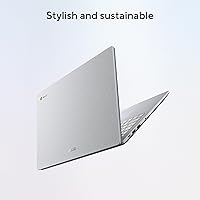
The ASUS Chromebook CX15 CX1505CKA is a strong match for students who need a larger screen without a large price tag — the 15.6-inch FHD display makes reading, writing essays, and joining video classes noticeably more comfortable than on the smaller Chromebooks that dominate this price range. Remote workers or freelancers who spend their days inside Google Workspace — Docs, Sheets, Meet, Gmail — will find ChromeOS works with them rather than against them, keeping the machine fast and largely maintenance-free. Parents shopping for a durable, no-fuss device for a teenager or a younger child will appreciate the spill-resistant keyboard and military-grade chassis rating, which add a layer of real-world reassurance. Seniors or light users making the move from a tablet or an aging Windows laptop will find the fast startup and clean interface far less intimidating than a full desktop OS. It also works well as a secondary home or travel machine for anyone who wants more screen real estate than the typical compact Chromebook offers.
Not suitable for:

The ASUS Chromebook CX15 CX1505CKA is not the right choice for anyone whose workflow depends on native Windows or macOS software — there is no workaround for that, and buyers who discover it after purchase tend to be the most disappointed. The Intel Celeron N4500 has a clear ceiling: if you routinely run more than a dozen browser tabs, stream while working, or rely heavily on Android apps running alongside your browser, slowdowns will become a regular frustration rather than an occasional one. Creative professionals — photo editors, video producers, or anyone using industry-specific desktop applications — will find this machine simply cannot meet their needs regardless of how well it handles basic tasks. Buyers who care deeply about audio quality or webcam clarity for professional-grade video calls will likely find the built-in hardware underwhelming without external accessories. The limited port selection, with just one USB 3.0 port, is also a genuine daily inconvenience for anyone who connects multiple peripherals without a hub on hand.
Specifications

  • Display: 15.6″ FHD (1920×1080) anti-glare IPS-level panel designed to reduce reflections during extended use.
  • Processor: Intel Celeron N4500 dual-core processor clocked at up to 2.8GHz, built on Intel's Jasper Lake architecture.
  • RAM: 8GB LPDDR4X memory soldered to the motherboard, not user-upgradeable after purchase.
  • Storage: 128GB eMMC SSD internal storage provides faster read/write speeds than traditional hard drives at this price tier.
  • Operating System: ChromeOS with automatic background updates, built-in Google app integration, and access to the Google Play Store.
  • Wireless: Wi-Fi 6 (802.11ax) with dual-band support and Bluetooth for peripheral connectivity.
  • Graphics: Intel UHD Graphics integrated into the Celeron N4500 processor, supporting standard display output and light media playback.
  • Ports: 1× USB 3.2 Gen 1 Type-A, 2× USB Type-C (with charging and display output), 1× MicroSD card reader, 1× headphone/microphone combo jack.
  • Keyboard: Full-size spill-resistant keyboard without backlighting, designed to withstand minor liquid exposure.
  • Weight: 3.51 lbs (1.59 kg), making it portable enough for daily student or commuter use despite the 15.6-inch form factor.
  • Dimensions: 14.15 × 9.14 × 0.79 inches (359.4 × 232.2 × 20.1mm) closed footprint with a slim profile for a 15-inch chassis.
  • Durability: MIL-STD-810H military-grade certification covering resistance to drops, vibration, humidity, and temperature extremes.
  • Webcam: Built-in HD webcam positioned at the top of the display bezel, suitable for standard video calls and online classes.
  • Audio: Dual built-in speakers with basic audio output suitable for voice calls and casual media consumption.
  • Battery: Integrated lithium-polymer battery rated for extended daily use, with actual duration varying based on screen brightness and workload intensity.
  • Charging: Charges via USB Type-C, allowing use of compatible third-party chargers and power banks with sufficient output.
  • Color: Available in Pure Grey finish with a matte plastic chassis construction throughout the lid and base.
  • Security: ChromeOS includes verified boot, sandboxed processes, and automatic encryption of local user data by default.

Related Reviews
ASUS Chromebook CM14 (CM1402CM2A-DS44)
72%
83%
Value for Money
88%
Build Quality & Durability
74%
Performance & Speed
58%
Display Quality
84%
Battery Life
More
ASUS Chromebook 16 2-in-1 Laptop
82%
91%
Value for Money
87%
Display Quality
88%
Battery Life
82%
Performance for Everyday Use
85%
Portability
More
ASUS Chromebook C423NA 14-inch 4GB 32GB
82%
72%
Performance
88%
Battery Life
95%
Portability
78%
Display Quality
84%
Build Quality
More
ASUS Chromebook Flip C434 2-In-1 Laptop
86%
91%
Build Quality
87%
Display Quality
90%
Battery Life
89%
Portability
83%
Performance (General Use)
More
ASUS Chromebook Flip CX1 14″ 8GB/128GB
73%
84%
Value for Money
78%
Build Quality & Durability
71%
Display Quality
67%
Performance & Everyday Speed
54%
Storage & Local Capacity
More
ASUS Chromebook 14 - MediaTek Kompanio 520 - 4GB RAM, 192GB Storage
84%
90%
Value for Money
93%
Battery Life
88%
Portability & Design
82%
Performance for Everyday Tasks
80%
Display Quality
More
ASUS Chromebook CX1 14″, Intel Celeron N3350, 64GB eMMC, 4GB RAM
81%
91%
Battery Life
93%
Portability/Size/Weight
87%
Build Quality/Durability
84%
Display Quality
82%
Performance for Everyday Tasks
More
ASUS Chromebook CR11, 11.6-inch, Intel N100, 4GB RAM, 64GB eMMC
83%
89%
Build Quality & Durability
92%
Portability & Size
85%
Performance for Basic Tasks
72%
Display Quality
78%
Battery Life
More
ASUS Chromebook Flip 16-inch, Intel Core i3, 8GB RAM, 128GB SSD
85%
87%
Performance
92%
Battery Life
88%
Build Quality
89%
Display Quality
85%
Portability
More
ASUS ExpertBook CX54 Chromebook Plus 14″, Intel Core i5, 8GB RAM, 128GB SSD
84%
89%
Performance
92%
Display Quality
75%
Battery Life
90%
Build Quality
88%
Portability
More

FAQ

Not natively, no. The CX15 runs ChromeOS, which does not support Windows software. That said, browser-based versions of Word, Excel, and PowerPoint work fine through Microsoft 365 online, and Google Docs covers most of the same ground. If you rely on specific Windows desktop applications, this is a genuine limitation worth thinking through before buying.

Unfortunately, no. The 8GB of RAM is soldered directly to the motherboard and cannot be changed. The 128GB internal storage is also fixed, though you can expand your available space by using a MicroSD card or connecting an external drive via USB.

Most Android apps from the Google Play Store will install and run, but performance varies. Simple apps like Spotify, Netflix, or Google Keep work well. However, heavier Android games or apps that are not optimized for larger screens may run slowly or display awkwardly on the 15.6-inch panel.

For light tasks like browsing, Google Docs, and video calls, most users comfortably get through a full school day or standard workday. If you are streaming video continuously or running Android apps alongside your browser, expect that window to shorten meaningfully — plan to have a charger accessible for heavier use days.

It is a solid choice for students whose coursework lives in a browser — research, writing, Google Classroom, video lectures, and collaboration tools all work great. If your program requires specialized software like MATLAB, Adobe Creative Suite, or AutoCAD, you would need a Windows or Mac laptop instead.

No, it does not include keyboard backlighting. If you frequently type in low-light environments — late-night study sessions or dimly lit offices — this is worth factoring into your decision, as the keys can be difficult to see without ambient light.

You can use it offline for a range of tasks — Google Docs, Sheets, and Slides all have offline modes you can enable in advance, and locally stored files remain accessible. That said, ChromeOS is clearly designed around an internet connection, so some features and apps work better or exclusively when online.

Quite durable for a budget laptop. The MIL-STD-810H certification means it has been tested against drops, vibration, and humidity, and the spill-resistant keyboard handles accidental drink spills far better than most laptops at this price. The plastic body can collect scuffs over time, but the core machine holds up well to typical student handling.

It charges via USB Type-C, which is convenient because it means you can use a compatible phone charger or a USB-C power bank in a pinch. Just make sure your backup charger delivers enough wattage — low-output chargers may charge slowly or only maintain the battery level rather than actively charging it during use.

There is a short adjustment period, but most users get comfortable within a few days. The biggest shift is accepting that you are working primarily in a browser and through Android apps rather than installed desktop software. Users who go in knowing that tend to adapt quickly; the frustration usually comes from expecting a Windows experience and getting something different.