Overview

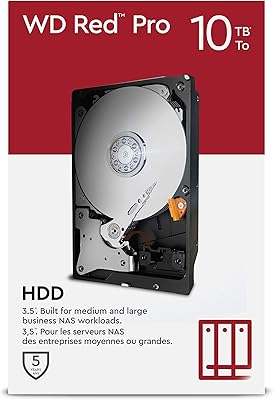
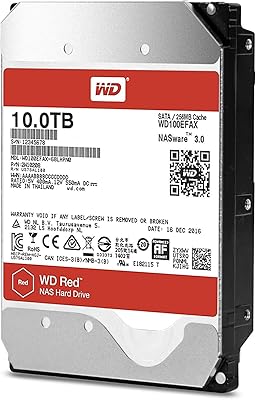
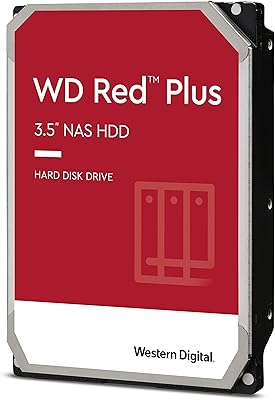
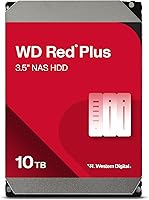
The WD Red Plus 10TB NAS Hard Drive sits in a deliberate middle ground within Western Digital's NAS lineup — above the base Red series and below the workstation-grade Red Pro. What makes this drive notable is its use of CMR recording technology, a direct response to the backlash WD faced when SMR drives were quietly shipped under the Red brand. That controversy mattered to buyers, and Western Digital clearly heard it. Spinning at 7200 RPM, this NAS drive runs faster than most comparable options in its class, which translates to better throughput in real use. It's priced at the upper-mid tier — not a bargain buy, but positioned for people who need dependable, always-on storage.
Features & Benefits

The CMR recording method is what separates this NAS drive from SMR alternatives that caused so much frustration in NAS arrays — it handles sustained writes without the performance penalties SMR suffers under heavy workloads. Running at 7200 RPM means meaningfully faster data access compared to 5400 RPM drives, especially when multiple users are reading and writing simultaneously. The 512 MB cache helps smooth out those multi-bay operations considerably. WD's NASware firmware does real work here too: it's tuned for vibration compensation and has been tested with Synology, QNAP, and other major enclosures. The 180 TB/yr workload rating is generous enough to cover most small-office or busy home-lab environments without stress.

Best For

This CMR hard drive is a strong fit for small to medium NAS builds — specifically those running 24 hours a day with up to eight bays. If you're streaming 4K content from a home media server, the 7200 RPM speed makes a real difference versus slower alternatives. Photographers and video editors who constantly move large files will appreciate the sustained read consistency. It's also an obvious upgrade path for anyone currently running desktop drives in a NAS enclosure, where reliability and vibration tolerance actually matter. And if you were burned by the SMR situation a few years ago, this NAS drive is a direct, trustworthy CMR alternative from the same brand.

User Feedback

With over 7,000 ratings and a strong average score, the WD Red Plus 10TB has clearly built a loyal user base over time. Owners frequently praise its quiet operation and the fact that NAS systems recognize it immediately without any configuration headaches. Heat management also gets positive mentions — it runs warm but not alarmingly so in well-ventilated enclosures. On the negative side, some users in densely packed bays report vibration that requires rubber dampening mounts to manage. The price-per-TB is a common point of friction, particularly against newer competing drives. That said, the 3-year warranty reassures buyers committing to a long-term storage investment, and most owners seem willing to accept the cost.

Pros

  • CMR recording technology ensures no write-speed penalties during heavy RAID or backup operations.
  • 7200 RPM spin speed delivers noticeably faster sequential reads than most competing NAS drives at this capacity.
  • NASware firmware means plug-and-play recognition on Synology, QNAP, and other major enclosures with zero configuration.
  • The 180 TB/yr workload rating comfortably handles home lab and small-office demands without pushing limits.
  • Vibration compensation built into the firmware helps maintain stability in multi-drive bay setups.
  • Strong long-term reliability track record backed by thousands of verified buyer experiences across years of real use.
  • 512 MB cache smooths out simultaneous read/write operations across multiple bays effectively.
  • The 3-year limited warranty provides meaningful peace of mind for an always-on storage investment.
  • This NAS drive initializes cleanly with accurate SMART data from first power-on in tested enclosures.

Cons

  • Price-per-TB is noticeably higher than competing NAS drives, which stings when building out multi-bay arrays.
  • Vibration resonance in densely packed enclosures requires rubber dampening mounts that are not included.
  • Three-year warranty coverage trails behind competitors offering five-year terms on comparable drives.
  • WD's historical SMR labeling controversy still creates lingering trust issues among informed buyers.
  • Runs warmer than 5400 RPM alternatives, which matters in compact or fanless NAS enclosures with poor airflow.
  • A small percentage of units report early failures, and WD RMA turnaround times vary widely by region.
  • Higher power draw compared to slower NAS drives adds up in energy cost for always-on multi-drive builds.
  • Some older or less common NAS enclosures require manual drive approval steps despite NASware firmware.

Ratings

The WD Red Plus 10TB NAS Hard Drive earns its reputation through thousands of verified buyer experiences analyzed by our AI system, which actively filters out incentivized, bot-generated, and duplicate reviews to surface what real NAS builders actually think. Scores reflect a balanced picture — where this CMR hard drive genuinely excels and where it falls short compared to buyer expectations at its price point. Both the strengths that keep people coming back and the friction points that trigger one-star posts are transparently represented below.
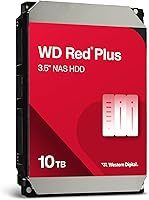
Reliability & Endurance
91%
Owners running this NAS drive in 24x7 environments consistently report multi-year operation without failures, even in always-on home lab and small office arrays. The CMR recording method plays a direct role here — it doesn't degrade under sustained write cycles the way SMR alternatives do over time.
A small but vocal segment of users report early failures within the first year, which is statistically expected in any mechanical drive population. These cases are frustrating given the price point, and WD's RMA process gets mixed reviews for speed.
CMR Recording Integrity
93%
After the SMR controversy that shook buyer trust in the Red lineup, this CMR hard drive has gone a long way toward rebuilding confidence. Users running RAID arrays and backup jobs report no write-penalty slowdowns that plagued SMR units during heavy parity operations.
The CMR advantage is largely invisible to casual users, and some buyers still feel WD hasn't been fully transparent historically. Those aware of the SMR saga remain cautious about future lineup changes, even when current specs are clearly CMR.
Read & Write Performance
84%
At 7200 RPM, this NAS drive delivers noticeably snappier sequential reads compared to 5400 RPM alternatives — users streaming multiple 4K files simultaneously or running Plex libraries with transcoding report smooth, uninterrupted performance. The 512 MB cache helps buffer burst writes effectively.
Random I/O performance, as expected from any mechanical drive, can't compete with SSD-cached NAS setups. Power users running VM workloads or heavy database queries on purely HDD-based arrays will hit throughput ceilings that no spinning drive at this tier can resolve.
NAS Compatibility
88%
NASware firmware earns consistent praise for plug-and-play recognition across Synology DS and RS series, QNAP TS models, and several other major enclosures. Most users report zero configuration required — the drive shows up, gets formatted, and joins the array without drama.
A handful of users with older or less common NAS enclosures report firmware recognition hiccups requiring manual drive approval steps. It's not a widespread issue, but it's worth checking your specific enclosure's compatibility list before purchasing, particularly for lesser-known brands.
Noise & Vibration
74%
26%
In single-drive or dual-bay setups, this CMR hard drive runs quietly enough that most users don't notice it in a home office environment. Seek noise is present but subdued, and idle hum is comparable to other 7200 RPM drives in its class.
Vibration becomes a real issue in densely populated 4-bay and 8-bay enclosures without rubber dampening mounts. Multiple users specifically mention that stacking several of these drives amplifies resonance, and some cheaper NAS cases make the problem noticeably worse.
Heat Management
79%
21%
Under typical NAS workloads — scheduled backups, media streaming, multi-user file access — the drive runs at acceptable temperatures when airflow is adequate. Owners with well-ventilated enclosures rarely report thermal throttling or heat-related errors in their NAS logs.
In compact, low-airflow enclosures the drive runs warm enough to warrant attention. A few users in fanless or poorly ventilated cases report temperatures pushing the upper boundary of the comfortable operating range during extended write-intensive operations like full-array rebuilds.
Value for Money
66%
34%
For buyers who prioritize verified CMR technology, 7200 RPM speed, and a trusted brand warranty in a single purchase, the price reflects a legitimate premium over budget alternatives. Long-term owners tend to view the cost as justified given multi-year reliability.
The price-per-TB is a frequent complaint, especially when competing 10TB NAS drives periodically undercut it meaningfully during sales events. Buyers building out multi-drive arrays feel the premium acutely — four or six drives in, the cost delta versus alternatives adds up fast.
Workload Headroom
82%
18%
The 180 TB/yr workload rating comfortably covers most home lab and small-office use cases — even users running nightly full-volume backups and active Plex libraries rarely approach that ceiling. It provides real breathing room compared to desktop drives repurposed in NAS enclosures.
Power users running continuous write workloads, such as surveillance systems recording dozens of camera streams around the clock, may find the workload ceiling tighter than expected. WD's Red Pro lineup is the appropriate step up in those cases, and some buyers only realize this post-purchase.
Installation Experience
89%
Physically installing this NAS drive is straightforward — standard 3.5-inch mounting points, appropriate weight for secure tray seating, and no unusual quirks. The drive initializes quickly in most NAS operating systems, and users report clean SMART data from first power-on.
The drive ships in basic anti-static packaging that a few users felt was insufficient for a premium product at this price. No mounting screws are included, which is expected but occasionally surprises first-time NAS builders who didn't plan ahead.
RAID Rebuild Performance
81%
19%
During RAID 1 and RAID 5 rebuild operations — one of the most stressful real-world tests for any NAS drive — this CMR hard drive performs consistently without the mid-rebuild speed drops that SMR users commonly complained about. Rebuild times are predictable and align with drive capacity expectations.
Full 10TB RAID rebuilds still take many hours, which is inherent to the capacity and not a flaw unique to this drive. Users who have experienced drive failures mid-rebuild note the process is nail-biting, and the 3-year warranty doesn't shorten that tense window.
Firmware & Software Ecosystem
77%
23%
WD's NASware firmware adds genuine value through vibration compensation tuning designed for multi-drive bays. Integration with WD's drive health monitoring tools gives NAS operators early warning signals through SMART attributes that surface in Synology and QNAP dashboards without extra setup.
WD's desktop companion software is largely irrelevant for NAS use cases, and some users feel the brand's ecosystem tools lag behind what Seagate IronWolf offers with its IHM health monitoring suite. The firmware does its job well, but it isn't particularly innovative.
Long-Term Warranty Confidence
78%
22%
The 3-year limited warranty gives buyers a meaningful safety net, and most users feel it reflects appropriate confidence from WD in this drive's durability. For a storage device meant to run continuously for years, having that coverage in writing matters to purchase decisions.
Three years is competitive but not class-leading — Seagate's IronWolf Pro extends to five years, which some buyers view as the more honest signal of enterprise-grade durability expectations. WD's RMA handling receives inconsistent feedback, with turnaround times varying widely by region.
Energy Efficiency
72%
28%
Power draw at idle and during light sequential reads is reasonable for a 7200 RPM drive, and users building energy-conscious home NAS setups report the drive supports NAS spin-down functions without wake-up errors in most enclosures.
Compared to 5400 RPM drives in the same capacity range, this NAS drive consumes measurably more power and produces more heat — a real consideration for always-on builds where electricity cost and thermal load matter over multi-year operation.
Brand Trust & Transparency
69%
31%
Western Digital is a well-established name in storage, and the WD Red Plus line carries genuine credibility among NAS builders who have used it across multiple generations of home and business arrays. Most buyers feel the brand stands behind its products adequately.
The 2020 SMR controversy left a lasting dent in trust among informed buyers, and that history surfaces regularly in community discussions. WD's response at the time was slow and inadequate by most accounts, and some technically aware buyers have not fully forgiven it.

Suitable for:

The WD Red Plus 10TB NAS Hard Drive is purpose-built for people who run NAS systems seriously — not as an occasional backup drive, but as a core part of their home or small-business infrastructure. If you operate a Synology or QNAP enclosure that stays powered on around the clock, this CMR hard drive was designed with exactly that environment in mind. Home media server enthusiasts who stream 4K content to multiple devices simultaneously will notice the 7200 RPM speed advantage over slower 5400 RPM alternatives in the same capacity range. Photographers, videographers, and other creatives who regularly move large files in and out of a NAS array will benefit from the consistent write performance that CMR recording provides under sustained load. It also makes strong sense for buyers who were burned by WD's SMR controversy and want a verified, transparently labeled CMR option from the same brand before considering a switch to a competitor.
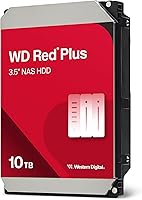
Not suitable for:

The WD Red Plus 10TB NAS Hard Drive is not the right call for buyers working with a tight budget who are comparing price-per-TB across the full market — cheaper competing drives, including some solid NAS-rated options, can undercut it enough to matter when you are populating a four- or six-bay enclosure. If your NAS workload involves continuous 24x7 surveillance recording from multiple high-resolution cameras or other write-intensive enterprise-adjacent tasks, the Red Pro lineup offers a higher workload ceiling and a longer warranty that better matches those demands. Desktop users who just want extra internal storage without a NAS enclosure are paying for NAS-specific engineering they will never use. Buyers with compact, fanless, or poorly ventilated enclosures may also find that the heat and vibration this NAS drive generates at 7200 RPM creates headaches that a slower, cooler-running drive would avoid. And if you are chasing the absolute longest warranty coverage available in the category, competitors offering five-year terms present a more confidence-inspiring long-term proposition.

Specifications

  • Storage Capacity: This NAS drive provides 10 TB of formatted storage, suitable for large media libraries, multi-user file sharing, and long-term business data archiving.
  • Recording Technology: Uses Conventional Magnetic Recording (CMR), which delivers consistent write performance under sustained workloads without the speed degradation associated with SMR drives.
  • Rotational Speed: Spins at 7200 RPM, placing it in the faster tier of NAS-rated mechanical drives and enabling higher sequential throughput than 5400 RPM alternatives.
  • Cache: Equipped with a 512 MB buffer that helps manage simultaneous read and write operations across multiple bays without creating bottlenecks.
  • Interface: Connects via SATA 6 Gb/s, which is the standard interface for virtually all consumer and prosumer NAS enclosures on the market today.
  • Form Factor: Standard 3.5-inch form factor fits the drive bays of all major NAS enclosures from Synology, QNAP, Asustor, Netgear, and compatible desktop cases.
  • Dimensions: Measures 5.79 x 4 x 1.52 inches, conforming to the universal 3.5-inch hard drive standard with no proprietary sizing considerations.
  • Weight: Weighs 1.65 pounds, which is typical for a 3.5-inch mechanical hard drive at this capacity and poses no compatibility issues with standard drive trays.
  • Workload Rating: Rated for up to 180 TB of data transferred per year, covering the demands of most small-office and home NAS workloads comfortably.
  • Bay Support: Officially supports NAS enclosures with up to 8 bays, making it appropriate for small to medium multi-drive array configurations.
  • Operating Environment: Designed and rated for continuous 24x7 operation, unlike desktop drives that are engineered for intermittent use and shorter duty cycles.
  • Firmware: Ships with WD's NASware firmware, which includes vibration compensation tuning and has been validated for compatibility with major NAS operating systems.
  • Warranty: Backed by a 3-year limited warranty from Western Digital, covering defects in materials and workmanship under normal operating conditions.
  • Brand Series: Part of the WD Red Plus family, which sits between the entry-level WD Red and the higher-endurance WD Red Pro in Western Digital's NAS drive lineup.
  • Compatible Devices: Intended exclusively for use in NAS enclosures; not optimized for direct desktop or external enclosure use where NAS-specific firmware features go unused.
  • Dust Resistance: Carries a dust-resistant designation, providing basic protection suitable for typical home and small-office server room environments.
  • Model Number: The specific model identifier for this 10 TB variant is WD100EFGX, which can be used to verify CMR status and confirm compatibility with NAS vendor drive lists.
  • First Available: This particular SKU was made available in April 2025, representing a current production revision of the WD Red Plus lineup.

Related Reviews
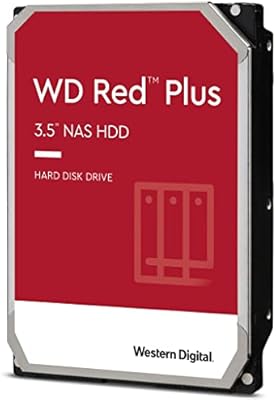
WD Red Plus 12TB NAS Hard Drive
88%
91%
Performance Under Load
95%
Storage Capacity
87%
Ease of Setup & Integration
90%
Error Recovery & Data Protection
88%
Reliability & Durability
More
WD Red Plus 6TB NAS Internal Hard Drive
88%
88%
Performance
92%
Reliability
84%
Noise Level
90%
Ease of Setup
89%
Durability
More
Western Digital 10TB WD Red NAS Hard Drive
85%
88%
Value for Money
85%
Performance in NAS Environments
91%
Reliability/Durability
82%
Installation and Setup
89%
Noise and Heat Generation
More
WD Red Pro 10TB NAS Internal Hard Drive
87%
93%
RAID Performance
91%
Reliability
89%
Capacity/Storage
88%
Data Handling (Cache & Speed)
72%
Noise Level
More
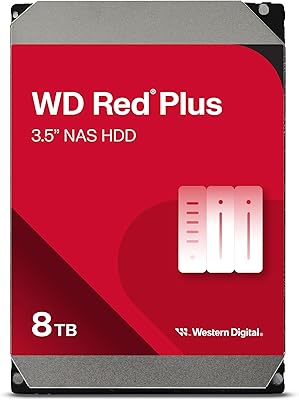
WD Red Plus 8TB NAS Hard Drive
82%
88%
Long-Term Reliability
93%
NAS Compatibility
91%
CMR Recording Technology
83%
Value for Money
86%
Noise & Vibration
More
Western Digital WD Red Plus 2TB NAS Hard Drive
87%
91%
Performance
94%
Reliability
90%
Data Integrity
85%
Setup & Installation
93%
Compatibility with NAS Systems
More
Western Digital WD Red Pro 10TB NAS Hard Drive
86%
92%
Performance
90%
Reliability in RAID Environments
88%
Data Transfer Speed
85%
Long-Term Durability
87%
Shock Resistance
More
Western Digital 3TB WD Red Plus NAS Hard Drive
87%
91%
Reliability for 24/7 Use
88%
Ease of Installation
85%
Energy Efficiency
83%
Noise Level
90%
Compatibility (PC & Mac)
More
Western Digital 14TB WD Red Plus NAS Internal Hard Drive
87%
92%
Performance
89%
Reliability
87%
Ease of Use
91%
Compatibility with NAS Systems
88%
Workload Handling
More
Western Digital 1TB WD Red Plus NAS Internal Hard Drive
87%
91%
Reliability
88%
Performance in NAS Systems
85%
Ease of Installation
92%
Compatibility with NAS Devices
80%
Noise Levels
More

FAQ

Yes, this is a confirmed CMR drive — the model number WD100EFGX is on WD's official CMR list. The SMR controversy back in 2020 affected specific Red models, and WD eventually clarified which were SMR and which were CMR. The Red Plus line as a whole was repositioned to clearly signal CMR status, so you can buy with confidence on that front.

In most cases, yes. The WD Red Plus 10TB NAS Hard Drive is tested for compatibility with Synology enclosures, and NASware firmware handles the handshake without any manual configuration needed. That said, it is always worth checking Synology's official compatibility list for your specific enclosure model before purchasing, especially if you are running an older unit.

The Red Pro targets higher-intensity workloads, offers a higher annual workload rating, and typically comes with a longer warranty period. For most home users and small offices running standard backup, file sharing, and media streaming tasks, the WD Red Plus hits a practical ceiling that the Pro rarely surpasses in daily use. If you are running surveillance systems or multi-user database workloads, the Pro makes more sense. For everything else, this CMR hard drive is the more cost-efficient choice.

Technically it will work, but it is not what this drive is built for. NASware firmware includes features like vibration compensation and error recovery tuning specifically designed for multi-drive array environments. In a standalone desktop, those features go unused, and you would be paying a premium for engineering that does not benefit you. A standard desktop drive would serve that use case better and cost less.

At 7200 RPM, it is not silent, but most users describe the noise level as acceptable for a home office or server closet environment. Seek noise during active reads and writes is the most audible part, while idle hum is relatively subdued. The bigger noise variable tends to be your NAS enclosure itself — some cases amplify drive resonance more than others, particularly if they lack rubber dampening mounts.

You would go through WD's RMA process to get a replacement. The 3-year limited warranty covers manufacturing defects under normal operating conditions. One honest note: WD's RMA experience gets mixed reviews online, with turnaround times varying depending on your region. It is worth registering the drive on WD's website after purchase to make any future warranty claims smoother.

It depends on what you are storing. For a typical Plex library with movies, TV shows, and music, 10TB is a solid starting point that gives most users a year or more of breathing room before needing to expand. If you are also backing up multiple computers or storing RAW photo and video files, you may fill it faster than expected. The good news is that this NAS drive is designed to work alongside additional drives in a multi-bay enclosure when you are ready to expand.

It runs warm, which is normal for a 7200 RPM drive under continuous load. With adequate enclosure airflow and at least one cooling fan, temperatures stay within a comfortable operating range for the vast majority of users. Problems tend to arise in compact or fanless enclosures where heat has nowhere to go during extended write operations like full-volume RAID rebuilds. Good ventilation is the key variable here, not the drive itself.

You can, but most NAS experts recommend against mixing drive capacities in a RAID array, since the usable space is limited by the smallest drive in the set. Mixing brands in the same capacity is more acceptable, though some NAS administrators prefer to keep arrays uniform to simplify troubleshooting and replacement planning. Check your specific NAS operating system documentation for any restrictions on mixed configurations.

It means the drive is rated to handle up to 180 terabytes of data written and read per year before you start exceeding its designed endurance envelope. To put that in perspective, even a fairly active home NAS running nightly full-system backups, regular Plex streaming, and occasional large file transfers would typically land well under 50 TB/yr. This NAS drive has plenty of headroom for standard home and small-office workloads.