





Overview
The UFQ L1 In-Ear Aviation Headset occupies an interesting corner of the GA headset market — a category most pilots overlook because they assume over-ear designs are the only serious option. At just 130g total weight, this lightweight pilot headset challenges that assumption directly. It has been available since 2016, which means there is a genuine track record to draw from, not just launch-day hype. It uses passive noise reduction rather than active electronics, so buyers should understand upfront that it attenuates cockpit noise through physical fit rather than signal cancellation. For a mid-range investment, the value proposition centers almost entirely on comfort during long hours aloft.
Features & Benefits
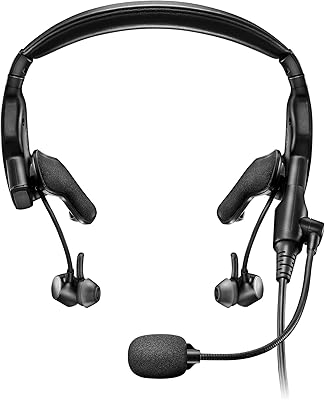
This in-ear aviation headset packs a surprising amount of hardware into its minimal frame. The steel headband keeps things rigid without adding weight, and the cables run Kevlar reinforcement inside — a genuine durability upgrade over standard wiring that pilots who stuff headsets into flight bags will appreciate. Audio comes through a balanced armature driver, which produces notably clear sound for both ATC comms and casual music listening via the included MP3 input cable. The UFQ M-7U boom mic is flexible enough to dial in placement without fumbling, and the dual volume controls plus mono/stereo switch give you practical cockpit control once you are strapped in and busy.
Best For
This lightweight pilot headset really shines for pilots who have felt the cumulative fatigue of wearing a heavy clamp-style headset through hours of pattern work or cross-country flying. Student pilots, in particular, tend to find the weight reduction genuinely meaningful once they are already juggling checklists, radio calls, and traffic scans. The included MP3 input cable is a nice touch for cruise legs where you want background music without disconnecting from the panel. That said, this in-ear aviation headset suits GA aircraft with moderate ambient noise levels best — think a Cessna 172 or Piper Cherokee. Pilots flying louder or open-cockpit aircraft should weigh whether passive attenuation alone will be sufficient.
User Feedback
Pilots who have spent time with the UFQ L1 consistently praise how non-intrusive it feels during longer flights — the kind of all-day comfort that traditional headsets rarely deliver. Fit, however, is a recurring conversation. In-ear designs are inherently personal, and while the six included ear tips help, some users report needing real time to find their ideal combination. On the microphone front, ATC clarity gets generally positive marks in typical GA environments, though a handful of reviewers note it performs less confidently in very noisy cockpits. Durability feedback improved notably after the reinforced cable revision. The honest bottom line: ear canal fit determines almost everything about how much you will enjoy this headset.
Pros
- At just 130g, this lightweight pilot headset is among the most comfortable options for extended flights.
- The Kevlar-reinforced cables and gold-plated connectors represent a meaningful durability upgrade over typical wired headsets.
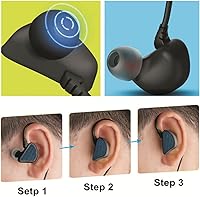
- Six ear tip options across two materials and three sizes make a personalized, secure fit genuinely achievable for most pilots.
- The balanced armature driver delivers clear audio quality that holds up well for both ATC monitoring and casual music listening.
- Dual volume controls and a mono/stereo switch give pilots useful in-cockpit adjustability without reaching for a separate panel.
- The included carrying bag with hand-held belt keeps the headset protected and tangle-free inside a flight bag.
- The MP3 input cable adds real versatility for cruise-phase use without requiring any additional adapters.
- Being on the market since 2016 means real-world durability and performance data exists beyond manufacturer claims.
- The flexible boom mic allows precise placement adjustments, which reduces cockpit fumbling during busy phases of flight.
Cons
- Passive noise reduction alone will not adequately protect hearing in genuinely loud GA cockpits or high-performance aircraft.
- In-ear fit is highly personal, and some pilots may spend considerable time trialing tip combinations before finding a workable seal.
- Microphone performance in congested airspace or high-ambient-noise environments has drawn mixed real-world feedback.
- Pilots with narrow or unusually shaped ear canals may find no included tip achieves a reliably stable fit during longer flights.
- The plastic housing components feel less premium than the steel headband suggests, which can be noticeable at this price tier.
- There is no active noise cancellation option in this model, which limits its ceiling for noise-critical flying scenarios.
- The retractable cable design, while convenient, has been flagged by some users as a potential weak point over heavy daily use.
- No in-line microphone mute or push-to-talk control is included, which some pilots find inconvenient during pattern work.
Ratings
The UFQ L1 In-Ear Aviation Headset scores here reflect AI-driven analysis of verified global buyer reviews, with spam, bot submissions, and incentivized feedback actively filtered out to surface what real pilots actually experienced. Ratings cover the most decision-critical dimensions for this product type, from cockpit noise management to long-haul wearability, and both standout strengths and genuine frustrations are weighted transparently into every score.
Wearing Comfort
Passive Noise Reduction
Microphone Clarity
In-Ear Fit Consistency
Audio Fidelity
Cable Durability
Build Quality
Value for Money
Portability & Storage
Setup & Usability
Compatibility
Ear Tip Variety
Long-Haul Endurance
Suitable for:
The UFQ L1 In-Ear Aviation Headset is genuinely well-matched to pilots who have started dreading long flights because of the neck fatigue and ear soreness that come with heavier over-ear designs. At 130g, it is the kind of headset you can wear through a four-hour cross-country and barely notice on your head, which matters far more than most pilots expect until they have experienced it firsthand. Student pilots grinding through weekly training sessions will find the low weight and compact storage a practical daily advantage. It also suits GA pilots flying quieter aircraft — a well-sealed Cessna or a Piper with decent exhaust baffling — where passive noise reduction handles the job without needing active electronics. The bundled MP3 input cable makes it a reasonable pick for pilots who like to keep music running during cruise phases, and the included carrying bag means it travels cleanly in a flight bag without tangling or getting crushed.
Not suitable for:
The UFQ L1 In-Ear Aviation Headset is not the right tool for every cockpit situation, and it is worth being direct about that. Pilots flying high-noise environments — think aerobatic trainers, tailwheel taildraggers with loud radial engines, or open-cockpit aircraft — will likely find that passive attenuation falls short of what they actually need to protect their hearing and stay clearly on ATC comms. If you have had trouble in the past with in-ear devices not seating comfortably or staying sealed, this category of headset is inherently challenging regardless of how many ear tip sizes come in the box. Pilots who rely heavily on crystal-clear microphone performance in busy Class B or Class C airspace should also approach with measured expectations, since no in-ear headset at this price tier has truly matched the microphone reliability of a dedicated professional over-ear unit. Finally, buyers who strongly prefer a no-fuss, one-size-fits experience will find the fit-tuning process of an in-ear design more involved than they bargained for.
Specifications
- Weight: The headset weighs just 130g, making it one of the lightest wired aviation headsets available for general aviation use.
- Headband Material: The headband is constructed from steel, providing structural rigidity without contributing significant weight to the overall design.
- Driver Type: Audio is delivered through a balanced armature driver, the same driver architecture used in professional in-ear monitors for high-fidelity sound reproduction.
- Noise Reduction: This headset uses Passive Noise Reduction (PNR), relying on physical ear tip sealing to attenuate ambient cockpit noise rather than electronic signal processing.
- Microphone: The UFQ M-7U noise-cancelling flex boom microphone is included and designed for clear voice transmission in high-noise aviation environments.
- Connector Type: The headset terminates in gold-plated GA twin plugs, compatible with standard general aviation aircraft radio and intercom systems.
- Cable Construction: Internal Kevlar reinforcement runs through the cables, and connectors are independently reinforced to improve resistance to wear from repeated use.
- Ear Tips Included: Six ear tip pairs are included across two materials — silicone rubber and memory foam — each available in small, medium, and large sizes, plus gel rubber ear cushions.
- Audio Input: A dedicated MP3 auxiliary input cable is included, allowing pilots to connect a music or audio source independently of the aircraft intercom system.
- Volume Controls: Dual independent volume controls allow separate adjustment of audio channels, and a mono/stereo switch provides additional in-flight audio routing flexibility.
- Connectivity: The headset is fully wired with no wireless or Bluetooth connectivity, which eliminates battery dependency and interference concerns in the cockpit.
- Compatibility: Designed specifically for use with standard GA aviation radios and communication systems using the universal dual GA plug configuration.
- Carrying Case: A protective carrying bag with a hand-held belt loop is included in the box to safeguard the headset during transport and storage.
- Available Since: The UFQ L1 series has been commercially available since March 2016, providing a multi-year real-world usage track record across the GA pilot community.
- Body Material: The earphone housing and non-structural components are constructed from plastic, keeping overall weight low while maintaining the necessary shape for ergonomic canal fit.
Related Reviews
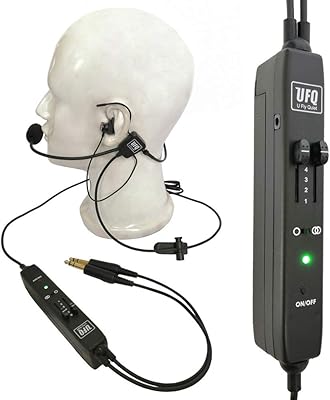
UFQ L2 ANR In-Ear Aviation Headset
UFQ A7 ANR Aviation Headset
Kore Aviation P1 Aviation Pilot Headset
Lightspeed Zulu 3 Aviation Headset
Bose A30 Aviation Headset (Dual Plug)
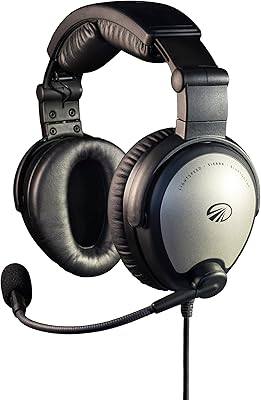
Lightspeed Aviation Sierra ANR Aviation Headset
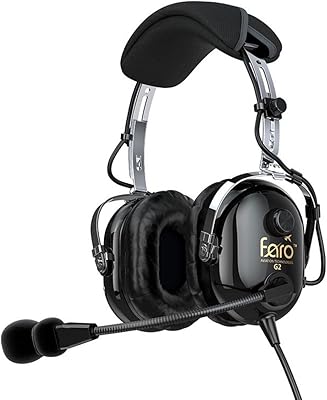
Faro G2 ANR Pilot Aviation Headset
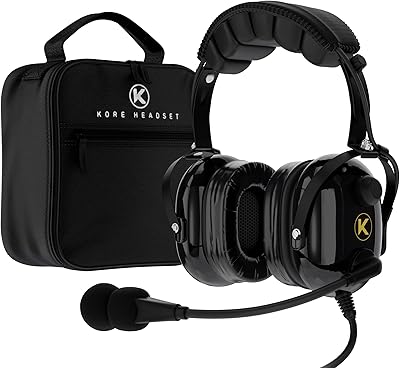
Kore Aviation KA-1 Aviation Headset
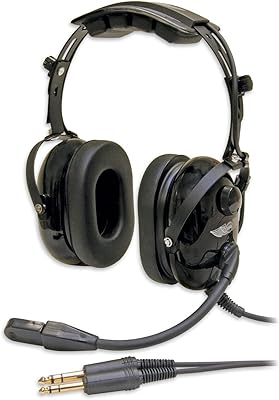
ASA HS-1 Aviation Headset