



Overview
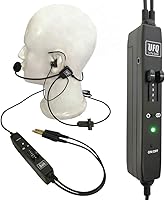
The UFQ L2 ANR In-Ear Aviation Headset takes a fundamentally different approach to cockpit noise management — ditching the familiar over-ear clamshell design in favor of a compact in-ear form that tips the scales at just 175 grams. That weight figure is genuinely striking in a category where most ANR headsets feel like wearing a helmet all day. Rather than relying solely on active electronics, this ANR headset layers active noise reduction on top of passive isolation from the ear tips themselves, achieving a combined 52 dB NRR. The price sits well below the flagship competition, making it an accessible option for student pilots, private pilots, and anyone flying enough hours to feel the strain of a heavy headset.
Features & Benefits
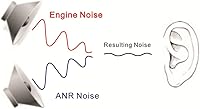
The combined 52 dB noise attenuation comes from pairing the active electronics with physical ear tip sealing — in practice, it noticeably tames the drone of a piston engine, though it won't quite match what a Bose A20 achieves in a turbine cockpit. Audio is handled by a balanced armature driver, which produces surprisingly clean sound for both music and ATC communications. The M-7U flex boom microphone holds position firmly and delivers clear transmissions in high-noise environments. Two ear tip materials — silicone and memory foam — are included in three sizes each, which matters more than people expect for achieving a proper acoustic seal. The steel headband, Kevlar-reinforced cables, and gold-plated GA plugs all point to build quality that punches above its price tier.
Best For
This in-ear aviation headset makes the most sense for pilots who have felt the neck fatigue and ear squeeze that builds up over a long cross-country flight. It is a natural fit for glasses-wearing pilots, since there is no ear cup pressing against frames — a genuinely underrated frustration that in-ear designs sidestep entirely. Student pilots on a budget will find capable ANR performance here without committing to a flagship-level price. Compact enough to slip into a flight bag side pocket, it also appeals to anyone who travels commercially between legs and wants one versatile, lightweight option. One honest caveat: in-ear comfort is personal, and if you have never worn in-ear monitors for extended periods, that factor is worth serious consideration before buying.
User Feedback
The UFQ L2 carries a 3.7-star average across several hundred ratings, which is worth examining rather than glossing over. The most consistent praise centers on comfort during long flights — pilots switching from over-ear models frequently describe genuine relief. On the critical side, some buyers feel the ANR does not quite reach the quietness of premium over-ear alternatives, and a handful reported mic clarity issues in certain aircraft. Fit variability is a recurring theme: achieving a proper seal often required working through the included tip sizes before things settled. The newer reinforced cable version has drawn noticeably fewer durability complaints. Worth flagging clearly — there is no Bluetooth on this model, which has caught a few buyers off guard who assumed otherwise.
Pros
- At 175 grams, this ANR headset is dramatically lighter than almost every over-ear alternative on the market.
- The combined 52 dB NRR meaningfully reduces cockpit drone during normal piston-engine flight operations.
- Glasses-wearing pilots can fly for hours without the ear-cup pressure that traditional headsets cause against frames.
- Six pairs of ear tips in two materials and three sizes give buyers a real chance at finding a comfortable, sealing fit.
- Kevlar-reinforced cables and gold-plated GA connectors signal durability improvements over early production versions.
- The balanced armature driver produces audio clarity well above what the price tier typically delivers.
- A 48-hour battery life means most pilots will rarely think about charging mid-week.
- When the battery dies, the headset continues functioning in passive noise-reduction mode — a sensible failsafe.
- The included carry case and compact footprint make it genuinely easy to pack for travel or multi-leg trips.
- The M-7U flex boom holds position reliably and transmits voice clearly in standard GA cockpit noise environments.
Cons
- The 3.7-star average rating suggests a meaningful share of buyers have had mixed or disappointing experiences.
- ANR performance noticeably trails premium over-ear headsets in louder or turbine aircraft environments.
- In-ear fit is inherently subjective — some pilots never find a comfortable seal regardless of tip size.
- Several users reported needing to experiment extensively with tip combinations before achieving adequate passive isolation.
- There is no Bluetooth on this model, which has caught a number of buyers off guard after purchase.
- Microphone performance has drawn criticism from some users in aircraft with above-average ambient noise levels.
- As a newer and less established brand, long-term reliability data and service support remain harder to assess.
- The in-ear format can cause ear canal fatigue on very long flights for pilots not accustomed to the style.
Ratings
The scores below for the UFQ L2 ANR In-Ear Aviation Headset were generated by our AI engine after systematically analyzing verified buyer reviews from multiple global sources, with spam, bot-submitted, and incentivized feedback actively filtered out before scoring. Each category reflects the honest distribution of real pilot experiences — where this headset genuinely impresses and where it falls short — so you can make a confident, eyes-open buying decision.
Comfort & Wearability
Active Noise Reduction
Fit & Seal Consistency
Microphone Performance
Build Quality
Audio Quality
Battery Life
PNR Fallback Mode
Value for Money
Portability & Storage
Ease of Setup
Compatibility
Headset Weight
Suitable for:
The UFQ L2 ANR In-Ear Aviation Headset is a strong match for general aviation pilots who have grown tired of the physical toll that heavy over-ear headsets exact over a long day of flying. At just 175 grams, it is particularly well-suited to pilots logging extended cross-country hours where comfort compounds over time — the kind of fatigue that builds so gradually you barely notice it until you land with a sore neck and aching ears. Student pilots will find it especially appealing, since it delivers genuine active noise reduction at a price point that does not require a second mortgage, leaving budget for the many other costs of training. Glasses-wearing pilots are another natural fit, as the in-ear design completely avoids the pressure and seal problems that ear cups create against frames. Anyone who splits time between flying and commercial travel will also appreciate how easily this headset slips into a carry-on bag without the bulk of a traditional aviation headset case.
Not suitable for:
The UFQ L2 ANR In-Ear Aviation Headset will frustrate buyers who find in-ear monitors uncomfortable for extended wear — and that is a genuine segment of the population, not a minor edge case. If you have never worn in-ear monitors for two or more hours at a stretch, the extended in-ear format may cause ear canal fatigue or discomfort that no tip swap will fully resolve. Pilots flying high-performance or turbine aircraft who need maximum noise attenuation for safety and communication clarity should look toward premium over-ear options, as the ANR performance here, while solid, does not reach the ceiling set by top-tier over-ear headsets. This model is also not the right choice for pilots who want integrated Bluetooth connectivity — the L2 is a wired-only headset, and confusing it with the Bluetooth variant is a common and avoidable mistake. Finally, buyers who prioritize a decades-long proven track record and wide service network may prefer an established legacy brand over a newer challenger at a similar functional tier.
Specifications
- Weight: The headset weighs 175 grams, making it one of the lightest ANR aviation headsets currently available.
- Noise Reduction: Total noise attenuation reaches 52 dB NRR by combining active noise reduction electronics with passive isolation from the ear tips.
- Driver Type: Audio is reproduced through a balanced armature driver, which prioritizes clarity and detail over raw bass output.
- Microphone: The M-7U flex boom microphone is noise-cancelling and adjustable, designed specifically for high-ambient-noise cockpit environments.
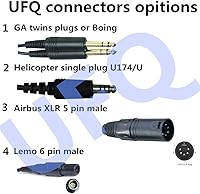
- Connector: Dual gold-plated GA twin plugs provide the standard connection used in the vast majority of general aviation aircraft.
- Battery Life: The active noise reduction system runs for approximately 48 hours on a single charge before requiring replacement or recharging.
- Ear Tip Materials: Two ear tip types are included — silicone rubber and memory foam — each available in small, medium, and large sizes.
- Headband: The headband is constructed from steel, providing structural rigidity while keeping overall weight low.
- Cable Construction: Cables are Kevlar-lined internally and feature reinforced connectors at both ends for improved resistance to wear and pulling stress.
- Connectivity: This model is wired only and does not include Bluetooth; a separate audio link cable enables connection to mobile devices and MP3 players.
- Controls: The headset includes dual independent volume controls and a mono/stereo switch for flexible audio routing.
- PNR Fallback: When the battery is depleted or the ANR is switched off, the headset continues to function as a passive noise-reduction headset.
- Compatible Devices: Works with standard GA aircraft intercoms, and connects to smartphones, tablets, and MP3 players via the included audio link cable.
- Carrying Case: A protective carrying case in black is included, with a hand-held belt loop for easy transport and storage.
- Power Source: The ANR system is powered by a single lithium polymer rechargeable battery integrated into the headset.
- Earpiece Shape: The in-ear earpieces are ergonomically contoured to fit the ear canal with a secure, low-profile form factor.
- Availability: This headset was first made available in February 2019 and has since been updated with reinforced cables and connectors.
Related Reviews
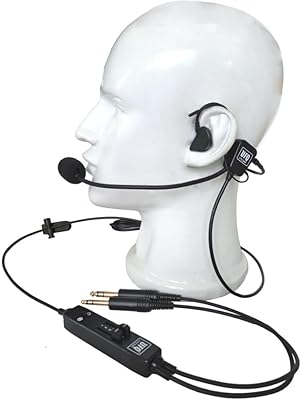
UFQ L1 In-Ear Aviation Headset
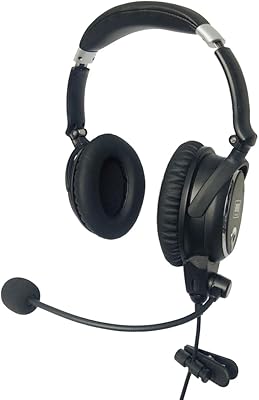
UFQ A7 ANR Aviation Headset
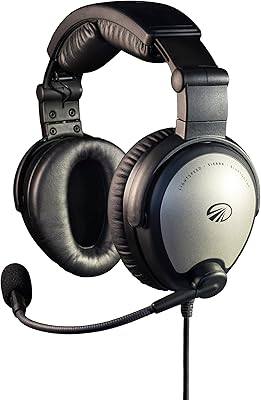
Lightspeed Aviation Sierra ANR Aviation Headset
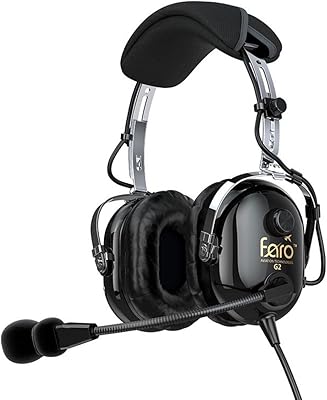
Faro G2 ANR Pilot Aviation Headset
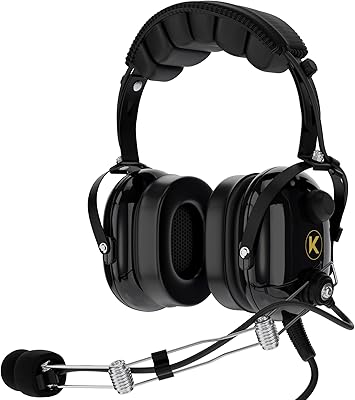
Kore Aviation P1 Aviation Pilot Headset
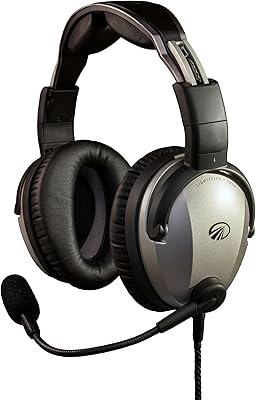
Lightspeed Zulu 3 Aviation Headset
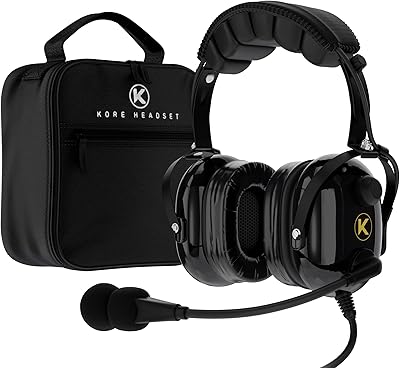
Kore Aviation KA-1 Aviation Headset
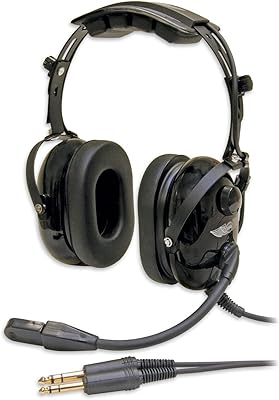
ASA HS-1 Aviation Headset
Bose A30 Aviation Headset (Dual Plug)