Overview
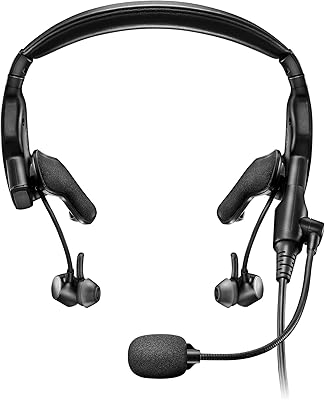
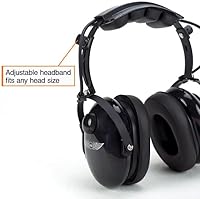
The ASA HS-1 Aviation Headset is a wired, over-ear headset built specifically for general aviation pilots who need reliable communication without spending a fortune. It sits at an accessible price point for a purpose-built aviation headset — not a toy, but not a high-end active noise reduction unit either. The earcups use high-density acoustic foam for passive noise isolation, which does a respectable job of cutting cockpit engine noise. The electret flex-boom microphone is a genuine highlight, keeping voice transmission clear even in busy radio environments. Think of this as a solid, no-frills first headset that gets the job done.
Features & Benefits
The 23 dB noise reduction rating is the headline spec here, achieved purely through passive acoustic foam — no batteries, no electronics to fail mid-flight. Gold-plated 3.5mm dual plugs resist corrosion and hold a dependable connection to the aircraft intercom or a simulator panel. Dynamic drivers inside the earcups are tuned for voice clarity rather than music reproduction, which is exactly right for monitoring ATC during a cross-country VFR leg. The retractable cable is a practical touch that keeps things tidy in a cramped cockpit. At just under two pounds, this pilot headset is comfortable enough for a full training day without serious fatigue.
Best For
This aviation headset makes the most sense for student pilots working through their private certificate, especially those doing touch-and-go patterns where noise is moderate but radio clarity matters. It is also a smart pick for ground school and flight simulator use, where active noise reduction would be overkill. Pilots flying shorter VFR hops in a Cessna 172 or similar trainer will find the passive noise protection adequate, though it will feel limited in a louder, high-performance aircraft. Flight sim enthusiasts get a bonus here — the headset connects directly to laptops and tablets, making it genuinely dual-purpose without any extra adapters.
User Feedback
Buyers consistently praise the microphone clarity, noting that ATC readback comes through cleanly without needing to shout or repeat transmissions. Build quality draws positive mentions too — the headset feels durable for its price tier and holds up well through regular training use. The most common complaint is predictable: pilots comparing against active noise reduction headsets find the passive-only isolation falls short in louder cabins. A handful of users wearing glasses mention slight discomfort from earcup clamping pressure during longer sessions. Overall, most buyers feel the value is solid for an entry-level option, and long-term durability rarely comes up as a concern among verified owners.
Pros
- Passive 23 dB noise reduction requires no batteries and eliminates the risk of electronic failure mid-flight.
- The electret noise-canceling boom mic delivers consistently clear voice transmission during ATC communications.
- Gold-plated dual plugs resist corrosion and maintain a reliable connection over years of regular use.
- At under two pounds, this pilot headset is light enough to wear through a full training day without discomfort.
- The retractable cable keeps the cockpit tidy and adapts easily to different panel configurations.
- Compatible with laptops, tablets, and desktops, making it a practical dual-purpose headset for sim training too.
- Build quality feels solid and durable for the price tier, with few long-term reliability complaints from regular users.
- Dynamic drivers are tuned for voice clarity, which is exactly right for monitoring busy ATC frequencies.
- Straightforward wired design means zero setup time — plug in and fly, no pairing or charging required.
Cons
- Passive noise isolation alone struggles in louder piston engines and higher-performance aircraft cabins.
- Pilots wearing glasses report earcup clamping pressure becoming uncomfortable during sessions longer than an hour.
- No active noise reduction means ear fatigue can build up on long cross-country or instrument training flights.
- Microphone quality, while functional, is noticeably modest compared to higher-priced aviation headsets with better mic capsules.
- The over-ear clamping fit may not suit all head sizes or shapes without some adjustment period.
- No water resistance whatsoever limits usability in wet or humid flying environments.
- At nearly two pounds, the headset feels noticeably heavier than premium lightweight ANR alternatives on the market.
- The retractable cable, while convenient, has received occasional feedback about long-term connector durability at the plug end.
Ratings
The ASA HS-1 Aviation Headset scores below are generated by our AI engine after analyzing thousands of verified buyer reviews worldwide, with spam, bot activity, and incentivized feedback actively filtered out before any scoring takes place. Every category reflects the honest distribution of real pilot experiences — strengths and frustrations alike — so you get a transparent picture of where this pilot headset genuinely delivers and where it falls short.
Noise Reduction
Microphone Clarity
Comfort & Fit
Build Quality
Audio Clarity
Value for Money
Microphone Flexibility
Cable Management
Simulator Compatibility
Ease of Use
Portability
Durability Over Time
Suitable for:
The ASA HS-1 Aviation Headset is a natural fit for student pilots working toward their private certificate who need a dependable, no-fuss headset for training flights without a large upfront investment. If you are doing touch-and-go patterns at a local airfield or flying cross-country VFR legs in a Cessna 172 or similar light trainer, the passive noise isolation handles the job well enough to keep radio communication clear and comfortable. Ground school students and flight simulator enthusiasts also get real value here, since the headset connects directly to laptops and tablets, making it genuinely useful for both sim sessions and actual flight training. Pilots who prefer mechanical simplicity — no batteries, no active electronics to troubleshoot — will appreciate that there is nothing to fail unexpectedly at an inconvenient altitude. If your priority is a durable, straightforward first headset that covers the basics reliably, this pilot headset delivers exactly that.
Not suitable for:
Pilots who regularly fly louder, high-performance aircraft or do extended IFR cross-countries will likely find the passive-only noise isolation of the ASA HS-1 Aviation Headset falls short of what active noise reduction headsets can offer. Ear fatigue becomes a real factor on longer flights when the background drone of a piston engine is only partially softened rather than actively cancelled. Pilots who wear glasses should also be cautious — the earcup clamping pressure has drawn enough complaints to make it worth trying before committing, especially on flights lasting more than an hour. Professional pilots or instrument students logging serious hours in demanding cockpit environments would be better served by investing in a mid-range to high-end ANR headset. This aviation headset is also not built for outdoor ground use in wet conditions, so if you fly in environments where rain or moisture is a regular concern, the lack of any water resistance is a genuine limitation.
Specifications
- Noise Reduction: Passive noise reduction is rated at 23 dB NRR, achieved through high-density acoustic foam earcups with no active electronics required.
- Microphone Type: An electret noise-canceling flex-boom microphone is included, designed to reduce background cockpit noise during voice transmission.
- Driver Type: Dynamic audio drivers are used inside the earcups, tuned specifically for voice frequency clarity rather than broad-spectrum audio reproduction.
- Connectivity: The headset connects via a wired dual 3.5mm plug configuration covering separate microphone and headphone channels.
- Plug Finish: Both the microphone and headphone plugs are gold-plated to resist corrosion and maintain a reliable electrical connection over extended use.
- Cable Feature: The included cable is retractable, allowing pilots to manage cord length and reduce cockpit clutter during flight.
- Ear Placement: The earcups are designed for over-ear placement, fully surrounding the ear to maximize passive acoustic isolation.
- Weight: The headset weighs 1.95 pounds, keeping it manageable for extended wear during training flights or simulator sessions.
- Dimensions: Packaged dimensions measure 7 x 10 x 5 inches, reflecting a standard over-ear aviation headset form factor.
- Compatible Devices: Beyond aircraft intercoms, this headset is compatible with laptops, desktops, tablets, and cellphones via the 3.5mm dual-plug connection.
- Water Resistance: The headset carries no water resistance rating and should be kept away from rain, moisture, and humid storage conditions.
- Manufacturer: ASA HS-1 is manufactured by ASA, which stands for Aviation Supplies and Academics, a company specializing in pilot training materials and equipment.
- Model Number: The official item model number is ASAHS1A, used for warranty and parts identification purposes.
- Intended Use: This headset is purpose-built for aviation use, including general aviation, student pilot training, and compatible flight simulator setups.
- Included Components: The package includes the headset unit and a retractable cable; no carrying case or adapter is listed as a standard included component.
Related Reviews
Kore Aviation KA-1 Aviation Headset
Kore Aviation P1 Aviation Pilot Headset
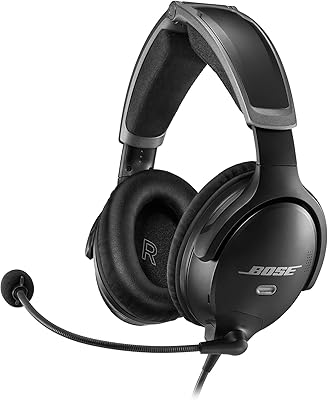
Bose A30 Aviation Headset (Dual Plug)
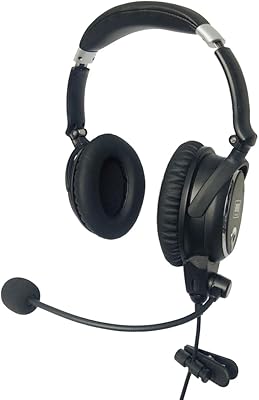
UFQ A7 ANR Aviation Headset
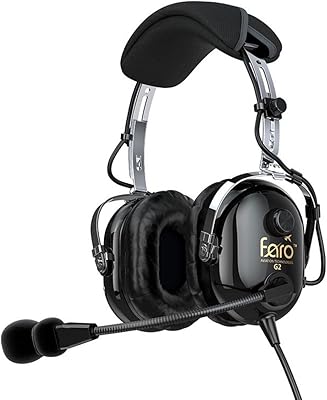
Faro G2 ANR Pilot Aviation Headset
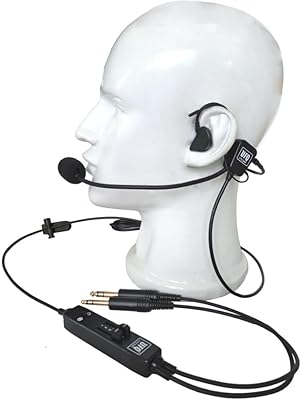
UFQ L1 In-Ear Aviation Headset
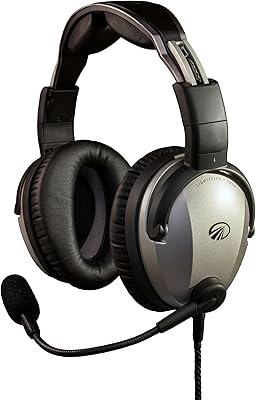
Lightspeed Zulu 3 Aviation Headset
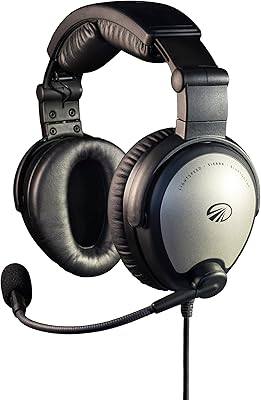
Lightspeed Aviation Sierra ANR Aviation Headset
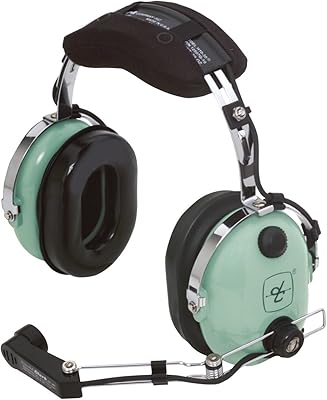
David Clark H10-30 Aviation Headset