Overview

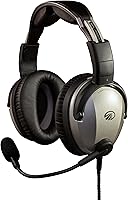
The Lightspeed Zulu 3 Aviation Headset sits firmly at the top end of the general aviation market, and it earns that position through genuine engineering rather than branding alone. Built almost entirely from stainless steel and magnesium, it feels like something designed to outlast the aircraft it flies in. At 14.6 ounces, it is noticeably lighter than many competing ANR headsets, which matters enormously on a four-hour cross-country. Bluetooth 5.0 is included here, not tacked on as an afterthought. At this price tier, buyers are not simply paying for noise reduction — they are investing in a tool they expect to use for years without compromise.
Features & Benefits

What sets the Zulu 3 apart in a crowded field is its two-pronged approach to noise management. The ANR system is tuned specifically for low-frequency engine drone, the kind that causes real fatigue on longer flights, while the magnesium ear cups handle higher-frequency noise passively. ComPriority is a genuinely clever touch — the moment a radio call comes through, your music fades automatically, then eases back in once the transmission ends. For Apple users, FlightLink recording lets you capture both sides of radio communications through a free app. The Kevlar-core cables offer quiet confidence in any cockpit where wires get pinched, pulled, and bent on a regular basis.

Best For

This ANR headset makes the most sense for active general aviation pilots who are in the air regularly — think weekend flyers logging serious hours in Cessnas, Pipers, or similar piston trainers. If you fly occasionally and are still deciding whether aviation is a long-term pursuit, a less expensive passive headset probably serves you better right now. But for pilots who fly often, care about durability, and want Bluetooth without hunting for a separate adapter, this aviation headset hits a practical sweet spot. It also appeals directly to Apple device users keen on FlightLink. Weight-conscious pilots doing long cross-countries will particularly appreciate how it feels after hour three.

User Feedback

Pilots who own the Zulu 3 tend to highlight two things above all else: noise reduction effectiveness in loud piston cockpits and genuine comfort during extended flights, with many reporting four-plus-hour sessions without meaningful fatigue. That said, some owners have noted occasional concerns about ANR module reliability over many years of hard use, and a handful report that Bluetooth pairing can be finicky with certain devices. Battery life draws mixed reactions depending on usage patterns. Where Lightspeed consistently wins back critical buyers is through customer support, a point that surfaces organically across hundreds of reviews. Head-to-head comparisons with the Bose A20 are common, and the verdict typically comes down to personal preference rather than a decisive technical edge.

Pros

  • ANR performance noticeably reduces engine drone fatigue on multi-hour piston flights.
  • At 14.6 ounces, the Zulu 3 is lighter than most competing ANR headsets in its class.
  • ComPriority handles radio and music prioritization automatically — no manual volume adjustment needed.
  • Stainless steel and magnesium construction feels built to last a decade of regular use.
  • Kevlar-core cables hold up to the pinching and bending that cockpit wiring endures daily.
  • Bluetooth 5.0 delivers stable wireless audio without needing a separate adapter or dongle.
  • FlightLink app lets Apple users capture both sides of radio communications effortlessly.
  • Lightspeed customer support is consistently praised and easy to reach when issues arise.
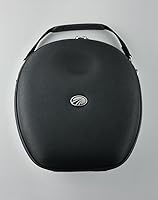
  • The included protective case keeps the headset safe during transport and storage.
  • Dual-layer noise control — ANR for low frequencies, magnesium cups for highs — covers the full cockpit noise spectrum.

Cons

  • The price is hard to swallow for pilots who fly fewer than 50 hours a year.
  • FlightLink recording is Apple-only, leaving Android users without that functionality entirely.
  • ANR module reliability has been questioned by some long-term owners after extended years of use.
  • Bluetooth pairing can be inconsistent with certain devices and occasionally requires reconnecting.
  • The headset runs on AA batteries, and ANR drops to passive mode when they die mid-flight.
  • Battery life under continuous Bluetooth and ANR use may not cover the longest cross-country legs.
  • No built-in USB or onboard charging means remembering to carry spare batteries every flight.
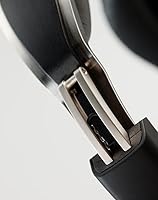
  • Pilots used to ultra-minimal headsets may find the stainless steel headband adjustment less intuitive initially.

Ratings

The scores below for the Lightspeed Zulu 3 Aviation Headset were generated by our AI after analyzing thousands of verified owner reviews from global aviation communities, actively filtering out incentivized feedback and outlier submissions. Each category reflects real patterns from pilots logging actual hours — not marketing claims — so both the standout strengths and the genuine frustrations are represented honestly.

Active Noise Reduction
93%
Pilots flying noisy piston singles consistently describe the ANR performance as genuinely fatigue-reducing over multi-hour legs, not just marginally better than passive. The dual-layer approach — electronic suppression of low-frequency drone combined with magnesium cup passive blocking — covers the cockpit noise spectrum more completely than single-method competitors.
A small number of long-term owners have reported that ANR module performance can degrade over several years of hard use, requiring service. In very high-vibration environments like some older two-stroke trainers, a few pilots feel the ANR does not fully eliminate residual frequencies.
Comfort & Fit
89%
At 14.6 ounces, this aviation headset sits notably lighter on the head than many ANR rivals, and the low-profile stainless steel headband distributes side pressure evenly across the skull. Pilots on four-plus-hour cross-countries routinely single out comfort as the primary reason they recommend the Zulu 3 over similarly priced options.
Fit is not universal — pilots with narrower or wider-than-average head shapes sometimes find the clamping pressure uneven. The oval ear seals, while effective, can cause warmth and moisture buildup on longer summer flights in un-air-conditioned cockpits.
Build Quality
91%
The stainless steel and magnesium construction genuinely stands out in a market segment where plastic components are common even at high price points. Owners frequently mention that the headset still looks and functions like new after three or four years of weekly flying, and the Kevlar-core cables show no fraying under regular cockpit use.
The ear seals are the weakest point in the durability equation — they compress and soften over time with heavy use and will eventually need replacement. A small number of users have noted that the Bluetooth module housing feels slightly less robust than the main frame materials.
Bluetooth Performance
78%
22%
Bluetooth 5.0 delivers noticeably stable audio for music and phone calls compared to older Bluetooth versions found in competing headsets. The 10-meter range is more than sufficient for typical cockpit use, and most pilots report clean wireless audio quality during cruise flight.
Bluetooth pairing reliability draws mixed feedback — while most users find it straightforward, a recurring minority report reconnection issues with specific Android phones or after firmware updates. Audio latency is occasionally noticeable during video playback, though this is rarely a cockpit concern.
ComPriority System
88%
Pilots who fly with background music praise ComPriority as one of the most practically useful features in the headset, automatically ducking music the moment ATC or intercom audio comes through without any manual adjustment needed. The soft fade-in when communications end avoids the jarring audio jump that cheaper auto-mute implementations produce.
Some pilots find the ComPriority sensitivity slightly over-aggressive, triggering on background cockpit noise or intercom squelch breaks rather than genuine transmissions in certain aircraft. There is no user-adjustable sensitivity control, so the behavior is fixed regardless of cockpit noise environment.
Microphone Quality
84%
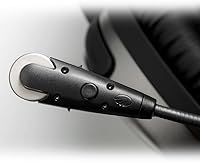
ATC readability is consistently praised by owners, with controllers rarely asking for repeats during routine operations in piston trainers and light twins. The included windscreen meaningfully reduces breath noise on transmissions, which matters during high-workload departure and arrival phases.
Some pilots feel the microphone picks up a slightly higher level of cockpit ambient noise compared to the Bose A20 in direct comparisons. In turbulent conditions, mic boom flex occasionally introduces handling noise if the boom is not positioned firmly.
FlightLink Integration
74%
26%
For Apple device users, the ability to capture both sides of radio communications through a free app is a genuinely valuable training and review tool that competitors do not offer natively. Flight instructors in particular find FlightLink useful for post-flight debrief sessions with students.
The feature is entirely locked to Apple devices, which alienates a meaningful portion of the pilot population who use Android. Setup requires the physical patch cable rather than working over Bluetooth, which adds a step that some users find inconvenient during preflight setup.
Value for Money
71%
29%
For pilots flying 100-plus hours per year, the cost amortizes favorably against the documented longevity of the build and the breadth of integrated features. Lightspeed's reputation for responsive customer support adds tangible long-term value that is difficult to put a number on but recurs across thousands of reviews.
For low-hour pilots or those still in training, the price is genuinely hard to justify against capable passive headsets that cost a fraction as much. When compared directly to the Bose A20, which sits at a similar price point, the Zulu 3 does not deliver a decisive enough performance advantage to make the choice obvious.
Battery Life
69%
31%
Under typical flight conditions with ANR active and Bluetooth in standby, most owners report battery life that comfortably covers a full day of flying. The use of standard AA batteries means replacements are universally available at any gas station or airport FBO without proprietary charging cables.
Continuous simultaneous use of ANR and active Bluetooth streaming reduces battery life noticeably, which can be a concern on longer legs without a spare set aboard. Unlike rechargeable competitors, there is no battery level indicator, so pilots have limited warning before the ANR shuts off mid-flight.
Cable Durability
87%
The Kevlar-reinforced cables address one of the most common failure points in aviation headsets, where repeated coiling, door jamming, and storage compression gradually destroy standard cables. Long-term owners consistently report that the cables remain intact and functional years into ownership where other headsets would have needed replacement.
The cables, while durable, are not user-replaceable without factory service, meaning damage from a severe snag or cut requires sending the headset in rather than a quick field fix. A few users find the cable length slightly short for certain right-seat aircraft configurations.
Noise Isolation (Passive)
82%
18%
The magnesium ear cups provide meaningful passive attenuation of high-frequency noise independent of the ANR system, which matters in the rare scenario where batteries fail mid-flight. Most pilots find the passive isolation alone superior to many entry-level ANR headsets operating with their electronics on.
In very loud turboprop or multi-engine piston environments, the passive isolation alone is insufficient for extended comfortable flying and the ANR dependence becomes more acute. The oval ear seal geometry, while effective for most face shapes, creates minor seal gaps for some pilots with pronounced cheekbones.
Setup & Usability
86%
First-time users report that the Zulu 3 is intuitive to configure out of the box — ANR activation, Bluetooth pairing, and ComPriority all operate through clearly positioned controls without requiring a manual read. The included patch cords cover the most common aircraft and phone configurations pilots will encounter.
The FlightLink app setup requires a few more steps than the in-cockpit hardware, and pilots unfamiliar with iOS app configurations occasionally need a second attempt to get communication recording working correctly. The control layout, while logical, uses small buttons that can be harder to operate accurately while wearing gloves in cold weather.
Weight Distribution
85%
The headband geometry is specifically designed to follow the curve of the head rather than sitting as a rigid arc, which distributes the 14.6-ounce weight more evenly and reduces the concentrated pressure points that cause headaches on longer flights with stiffer competitors.
Pilots who wear baseball-style caps or headsets under helmets may find the low-profile headband geometry requires additional adjustment to sit correctly. Some users note that the weight distribution advantage diminishes slightly when the headset is positioned high on the head rather than in its intended position.
Customer Support
92%
Lightspeed Aviation's customer service is one of the brand's most enduring competitive advantages, with owners consistently describing fast, helpful, and non-adversarial support experiences even for out-of-warranty issues. The company's willingness to service and repair older units rather than pushing replacement is specifically and repeatedly praised.
Support is primarily optimized for North American customers, and international buyers occasionally report longer turnaround times for warranty service and repairs. Phone wait times during peak periods like summer flying season can be longer than the brand's reputation might suggest.
Portability & Storage
81%
19%
The included hard-shell protective case is genuinely well-constructed and keeps the headset secure through the kind of bag-tossing and cargo-compartment stacking that aviation gear routinely endures. The case dimensions are manageable in most flight bag configurations without dominating available space.
The case adds meaningful bulk to a flight bag compared to soft pouches used by some competing brands, which matters for pilots who travel light or pack their own luggage into small baggage compartments. The case latch mechanism has received a handful of complaints about durability over multi-year use.

Suitable for:

The Lightspeed Zulu 3 Aviation Headset is built for pilots who spend meaningful time in the cockpit and want their gear to reflect that commitment. It is particularly well-suited to private pilots flying piston-engine aircraft regularly, where low-frequency engine noise is a constant presence and hearing fatigue across multi-hour flights is a real concern. Pilots who have outgrown passive headsets and want genuine ANR performance without bolting on a separate Bluetooth adapter will find everything integrated cleanly here. Apple device users who want to record and review their radio communications via FlightLink will get real practical value from that capability. If long cross-country flights are a regular part of your schedule and you care about durability — knowing your headset will hold up after years of being stowed, pulled out, and used hard — the stainless steel and magnesium construction addresses that concern directly.
Not suitable for:

The Lightspeed Zulu 3 Aviation Headset is genuinely difficult to justify for pilots who fly infrequently or are still in the early stages of training and unsure of their long-term commitment to aviation. At this price point, the return on investment only really makes sense if you are putting in consistent hours, and a solid passive headset will adequately serve a student pilot or occasional weekend flyer at a fraction of the cost. Android users will also find themselves locked out of the FlightLink recording feature entirely, which removes one of the more distinctive capabilities from the value equation. Pilots flying turbine aircraft or working in professional airline environments would typically look at purpose-built headsets designed for those specific noise profiles. Finally, anyone who has had recurring issues with ANR battery dependency mid-flight should be aware that this headset, like all ANR units, reverts to passive-only operation when the batteries run out — a meaningful consideration for longer trips without a backup plan.
Specifications

  • Weight: The headset weighs 14.6 ounces including ear seals and mic boom, making it one of the lighter options in the premium ANR category.
  • Materials: The frame and ear cups are constructed primarily from stainless steel and magnesium, chosen for their strength-to-weight ratio and long-term durability.
  • ANR Type: Active Noise Reduction is tuned to target low-frequency noise, such as engine and propeller drone, across a broad frequency range.
  • Ear Placement: Over-ear design with oval-shaped ear seals that fully surround the ear for both passive isolation and ANR effectiveness.
  • Audio Driver: Each ear cup uses a 40mm dynamic driver with an impedance of 560 Ohm and a frequency response extending up to 20 kHz.
  • Connector Type: Fitted with GA dual plugs, the standard twin-plug connector used in most general aviation aircraft audio panels.
  • Bluetooth: Bluetooth 5.0 is built in with a stated wireless range of up to 10 meters, supporting music streaming and phone audio.
  • Cable Construction: Headset cables are built around a Kevlar core for added resistance to fraying, kinking, and damage in demanding cockpit environments.
  • Power Source: The ANR system runs on 2 AA batteries, which are included in the box; the headset operates in passive mode if batteries are depleted.
  • FlightLink Support: Compatible with Lightspeed's free FlightLink app on Apple iPad and iPhone via a supplied patch cable for recording communications.
  • ComPriority: Patented ComPriority feature automatically reduces the volume of auxiliary audio sources when radio or intercom transmissions are detected.
  • Included Accessories: Box includes 2 AA batteries, cellphone and music patch cords, a microphone windscreen, and a protective carrying case.
  • Compatible Devices: FlightLink app compatibility is limited to Apple devices, specifically iPad and iPhone; general Bluetooth pairing works with most modern devices.
  • Product Dimensions: Packaged dimensions are approximately 13 x 11 x 5 inches, reflecting the included protective hard case.
  • Generation: This is the third generation of the Zulu series from Lightspeed Aviation, with iterative improvements over earlier Zulu models.
  • Microphone: Boom microphone is included with a windscreen accessory to reduce breath and wind noise during transmissions.
  • Water Resistance: The headset is not rated as water resistant and should be kept away from direct moisture exposure.
  • Wireless Standard: Uses Bluetooth version 5.0 for improved connection stability and lower power consumption compared to older Bluetooth generations.

Related Reviews
Lightspeed Aviation Sierra ANR Aviation Headset
77%
84%
ANR Performance
76%
Comfort & Fit
71%
Bluetooth Reliability
83%
Build Quality
81%
Microphone Quality
More
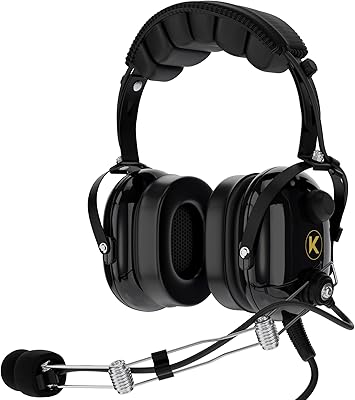
Kore Aviation P1 Aviation Pilot Headset
76%
93%
Value for Money
71%
Noise Reduction
88%
Microphone Clarity
67%
Comfort & Fit
84%
AUX Connectivity
More
UFQ A7 ANR Aviation Headset
79%
91%
Wearing Comfort
74%
ANR Performance
83%
Microphone Quality
77%
Build Quality
89%
Battery Life
More
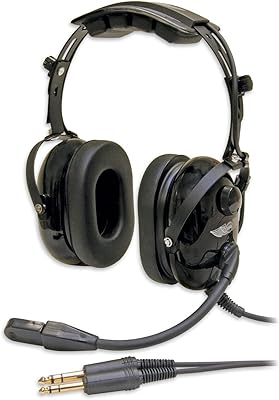
ASA HS-1 Aviation Headset
78%
71%
Noise Reduction
78%
Microphone Clarity
66%
Comfort & Fit
82%
Build Quality
74%
Audio Clarity
More
Bose A30 Aviation Headset (Dual Plug)
85%
94%
Long-Term Comfort
91%
Active Noise Reduction
89%
Audio Clarity & Intelligibility
84%
Build Quality & Durability
87%
Bluetooth Connectivity
More
UFQ L1 In-Ear Aviation Headset
80%
92%
Wearing Comfort
67%
Passive Noise Reduction
74%
Microphone Clarity
61%
In-Ear Fit Consistency
83%
Audio Fidelity
More
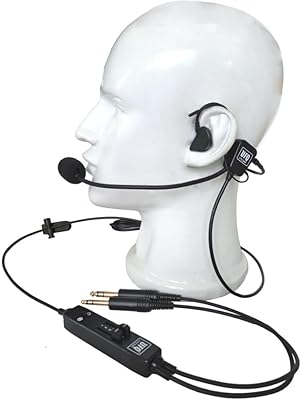
Kore Aviation KA-1 Aviation Headset
79%
86%
Comfort & Fit
74%
Noise Reduction
83%
Microphone Quality
81%
Audio Clarity
71%
Build Quality
More
Faro G2 ANR Pilot Aviation Headset
78%
83%
Active Noise Reduction
78%
Microphone Clarity
91%
Battery Life
74%
Comfort & Fit
67%
Build Quality
More
Bose ProFlight Series 2 Aviation Headset
82%
93%
Wearing Comfort
78%
Noise Cancellation
62%
Fit & Tip Sizing
88%
Audio Clarity
86%
Microphone Quality
More
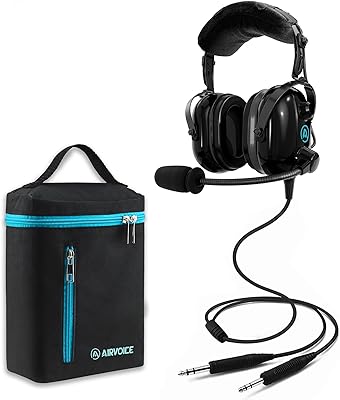
David Clark H10-30 Aviation Headset
82%
93%
Build Quality
71%
Noise Attenuation
84%
Audio Clarity
82%
Microphone Performance
58%
Comfort
More

FAQ

Yes, it uses standard GA dual plugs, which fit the vast majority of general aviation aircraft audio panels. If your aircraft uses a different connector type, you would need an appropriate adapter, but for most piston GA planes it plugs straight in.

The headset will continue to function in passive mode, meaning you can still hear radio communications and use the microphone — you just lose the active noise reduction. It is worth carrying a spare set of AA batteries on longer flights as a precaution.

Both are top-tier ANR aviation headsets and the comparison comes down to personal preference more than any clear technical winner. The Zulu 3 offers Bluetooth 5.0, ComPriority, and FlightLink recording for Apple users, while the A20 has its own loyal following for ANR feel and fit. Many pilots recommend trying both if possible before committing at this price level.

Yes, the built-in Bluetooth supports phone audio, so you can take calls through the headset. Keep in mind that ComPriority will automatically reduce phone audio volume if a radio transmission comes through, which is actually useful for maintaining situational awareness.

No, FlightLink is exclusively available for Apple devices — iPad and iPhone. Android users can still use the headset fully for ANR and Bluetooth audio, but the flight communication recording feature will not be accessible to them.

The ear seals are a wear item that will eventually soften and compress with heavy use, as with any aviation headset. Replacement ear seals are available from Lightspeed, and the overall build quality of the frame and cups means the rest of the headset typically outlasts several sets of seals.

Comfort on long flights is one of the most consistently praised aspects of the Zulu 3 among owners. At 14.6 ounces and with a low-profile stainless steel headband designed to follow the head's curve, most pilots report significantly less fatigue compared to heavier headsets. Individual fit varies, of course, but the feedback on comfort during extended flights is genuinely strong.

Bluetooth audio works wirelessly without any cable — you pair your phone or tablet to the headset just like any Bluetooth device. The supplied patch cable is specifically needed for FlightLink communication recording, which routes audio data between the headset and your Apple device.

Pairing follows the standard Bluetooth process and is straightforward for most devices. A small number of users have reported occasional reconnection issues with specific phones, but for the majority, initial pairing is quick and reconnection on subsequent flights is automatic.

The ANR system is specifically tuned for low-frequency engine and propeller noise, which is exactly the dominant noise profile in piston trainers like the 172. Pilots flying these aircraft regularly tend to be the most satisfied with the noise reduction performance, citing noticeably reduced fatigue compared to passive headsets.

Where to Buy

Lightspeed Aviation
In stock $949.00
Sporty's Pilot Shop
In stock $949.00
Aircraft Spruce and Specialty
In stock $949.00
PilotMall.com
In stock $949.00
Gulf Coast Avionics
In stock $949.00
Banyan Pilot Shop
In stock $949.00
Marv Golden Pilot Supplies
In stock $949.00
Chief Aircraft
In stock $949.00