
Overview

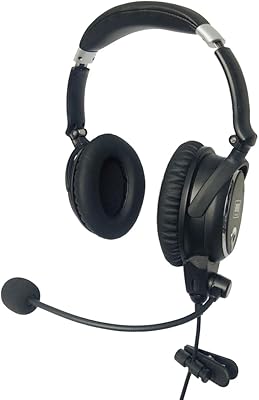
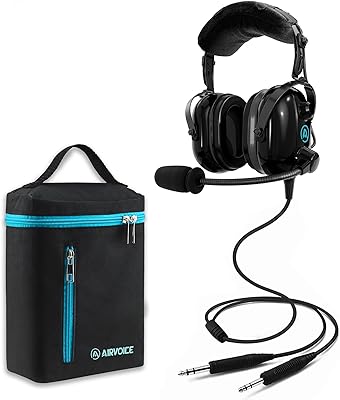
The Kore Aviation KA-1 Aviation Headset sits in that practical sweet spot where real-world usability meets an accessible price point — without asking you to compromise on the basics. Built around a passive noise reduction system rated at 24 dB NRR, it handles cockpit noise well enough for most light GA flying without the complexity or cost of active electronics. Mono and stereo compatibility means it works across a wider range of aircraft than some rivals at this tier. Toss in the included carrying bag and a spare mic muff, and you have a reasonably complete package from day one — something many competing options quietly leave out.

Features & Benefits

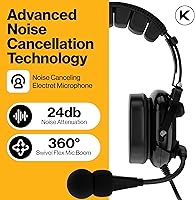
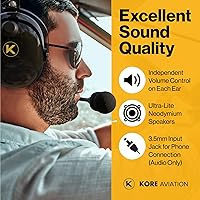
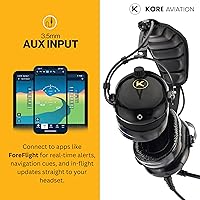
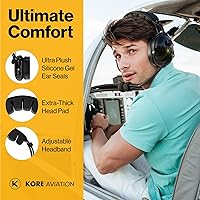
The silicone gel ear seals are genuinely one of this pilot headset's strongest selling points — they conform well to the head during long training blocks and can be swapped out when they wear down. The electret microphone sits on a 360-degree flex boom that holds its position reliably, which matters when you're juggling a busy frequency. Each ear has its own volume knob, useful when one side is feeding comms and the other ATC audio differs in level. The 3.5mm AUX input pulls navigation cues directly from ForeFlight or similar apps. The 50mm neodymium drivers keep audio clear without adding noticeable bulk or weight to the headband.

Best For

This aviation headset makes the most sense for student pilots working through their training syllabus — it covers the fundamentals without overcomplicating the buying decision. VFR private pilots flying weekend trips in Cessnas or Pipers will find it more than adequate for their needs. If you rely on a tablet EFB for situational awareness, the AUX input makes the KA-1 genuinely practical rather than just a communications tool. Flight schools looking for reliable loaner headsets that can survive multiple users and regular packing and unpacking will appreciate both the durability and the included carrying case. It is not an ANR headset — and that distinction matters for longer IFR flights.

User Feedback

Across a broad base of verified buyers, the overall reception is strong — a 4.4-star average that reflects genuine satisfaction rather than inflated enthusiasm. Comfort during multi-hour sessions gets the most consistent praise, with many citing the gel seals as noticeably better than foam alternatives at the same price. Mic intelligibility on the radio holds up well in pattern work and cruise. That said, a few pilots mention the clamping pressure feels stiff fresh out of the box, though most report it loosens with regular use. The cord has drawn minor complaints for being somewhat rigid, and buyers should know upfront that this is a passive headset — those expecting ANR-level quiet will need to look elsewhere.

Pros

  • Silicone gel ear seals deliver noticeably better comfort than foam alternatives, especially during multi-hour training sessions.
  • The noise-canceling mic on a 360-degree flex boom holds position reliably and produces clear transmissions in busy airspace.
  • Independent volume controls on each ear cup are a practical touch that most passive headsets at this price skip entirely.
  • The 3.5mm AUX input makes this aviation headset genuinely compatible with ForeFlight and other tablet EFB apps.
  • Mono and stereo switching broadens compatibility across a wide range of light aircraft audio panels.
  • Gel ear seals are user-replaceable, which meaningfully extends the headset's service life without returning it for repairs.
  • The included carrying bag and spare mic muff add real value rather than serving as filler packaging.
  • A 4.4-star average across a wide buyer base reflects consistent, not just anecdotal, satisfaction.
  • Standard dual GA plugs mean it works out of the bag in virtually any piston aircraft without adapters.
  • At its price point, the KA-1 competes credibly with legacy passive headsets that cost considerably more.

Cons

  • Passive noise reduction cannot match the cockpit quiet that active noise-reduction headsets provide in louder aircraft.
  • The clamping force feels tight fresh out of the box, requiring a noticeable break-in period for some users.
  • The straight cord is reported to be stiffer than expected, which can be awkward in tighter cockpits.
  • Gel ear seals, while replaceable, are not included as extras in the box — a spare set costs extra.
  • The 2.12-pound weight is manageable but not feather-light; pilots sensitive to headset mass may notice it on long flights.
  • No water resistance at all, which limits utility in humid environments or open-cockpit aircraft.
  • Cloth ear covers are not included, which some pilots prefer for hygiene in shared or loaner scenarios.
  • The headset frame uses ABS plastic in several areas, which may feel less premium compared to all-metal competitors.
  • No Bluetooth connectivity means smartphone audio requires a physical cable rather than a wireless link.

Ratings

The Kore Aviation KA-1 Aviation Headset has been scored by our AI system after analyzing verified buyer reviews from across the globe, with spam, bot-generated, and incentivized feedback actively filtered out. The scores below reflect the genuine range of pilot experiences — from student flyers to weekend VFR hobbyists — and transparently capture both where this pilot headset earns its reputation and where real-world users have run into friction.

Comfort & Fit
86%
The silicone gel ear seals are the standout feature for most buyers — pilots doing back-to-back training lessons consistently report less ear fatigue compared to foam-seal alternatives at a similar price. The adjustable headband accommodates a reasonable range of head sizes without constant readjustment mid-flight.
The clamping force is notably firm out of the box, and a meaningful number of users describe the break-in period as genuinely uncomfortable for the first few hours of wear. Pilots with larger heads or pressure sensitivity should factor in some adjustment time before expecting a relaxed fit.
Noise Reduction
74%
26%
For light piston aircraft — Cessnas, Pipers, and similar trainers — the 24 dB passive NRR does a solid job of reducing engine drone to a manageable level during VFR cross-countries and pattern work. Pilots flying in quieter aircraft report that communications come through cleanly without straining to hear ATC.
Passive noise reduction has a physics ceiling that no amount of padding overcomes, and pilots stepping out of louder aircraft or comparing this headset directly to ANR options will feel the gap immediately. It is simply not competitive with active noise-canceling headsets in high-noise cockpit environments.
Microphone Quality
83%
Radio communications through the electret noise-canceling mic consistently receive positive marks from instructors and other pilots on frequency — transmissions come through clearly even during busy pattern operations. The 360-degree flex boom holds its angled position well, which removes the constant frustration of a drooping mic during critical phases of flight.
A small subset of users note that in particularly loud cockpits, background engine noise can bleed into transmissions at higher engine settings. The mic performance is solid for the price tier but does not match the cleanliness of higher-end electret systems found on premium aviation headsets.
Audio Clarity
81%
19%
The 50mm neodymium drivers produce clean, intelligible audio for both ATC communications and navigation cues fed through the AUX input. Pilots using ForeFlight or Garmin Pilot for real-time alerts report that audio from apps comes through distinctly without muddying the intercom channel.
The speakers prioritize speech clarity over audio fidelity, which is appropriate for aviation use but means music or podcast playback through the AUX input sounds functional rather than impressive. Audiophiles using this headset for casual listening on long legs will notice the limitation.
Build Quality
71%
29%
The combination of stainless steel reinforcement and high-impact ABS plastic gives the KA-1 enough structural rigidity to hold up under the daily packing and unpacking routine that flight training demands. The hinges and adjustment mechanisms feel stable, and the included ballistic fabric bag adds a layer of protection that extends the headset's working life.
The ABS plastic construction in several visible areas gives the headset a noticeably budget feel compared to the all-metal frames on legacy brands, and a handful of long-term users have flagged cosmetic wear appearing earlier than expected. It is durable enough for its purpose, but the materials do not inspire confidence for heavy professional use.
Value for Money
89%
Relative to its price tier, the KA-1 punches well above expectations — the gel seals, noise-canceling mic, and AUX input together represent a feature set that typically costs significantly more from established aviation brands. Student pilots and recreational flyers who compared it against older foam-seal competitors consistently describe it as the smarter spend.
The value proposition weakens if a buyer's primary aircraft is louder or more demanding, since the passive noise reduction ceiling may eventually push them toward an ANR headset anyway. Spending on the KA-1 as a stepping stone is logical; buying it expecting it to serve indefinitely in serious IFR flying is less so.
Compatibility
91%
The standard dual GA plug works without adapters in virtually every light aircraft intercom system a student or recreational pilot is likely to encounter, and the mono/stereo switch removes the guesswork of matching the headset to different panel configurations. The 3.5mm AUX input broadens that compatibility further by bridging aviation and consumer devices.
Compatibility with consumer devices like smartphones and laptops is limited without additional adapters, and the microphone does not function through standard consumer audio jacks at all. Pilots hoping to use this as a dual-purpose headset for both flying and everyday computer use will be disappointed.
Mic Boom Usability
78%
22%
The 360-degree swivel design means left- and right-seat pilots can both position the boom comfortably, and once set, it stays put without constant repositioning — a quality that matters most when heads-down in busy airspace. The extra mic muff included in the box is a useful addition that extends hygiene life in shared cockpits.
The boom adjustment mechanism, while functional, lacks the smooth precision of higher-end flex booms that allow micro-adjustments without disturbing the seated position. A few users noted the boom can feel slightly loose after extended use, requiring occasional repositioning mid-flight.
Cable Quality
63%
37%
The tangle-free shielded cord is genuinely tangle-free in practice — pilots who have dealt with coiled cables that snag on yokes and throttle quadrants will notice the difference. The cable is long enough to reach the audio panel in most single-engine cockpit layouts without excess slack cluttering the footwell.
The cord stiffness is among the more commonly cited frustrations, and in smaller cockpits it can pull on the headset slightly when routed awkwardly. The rigidity is less of an issue during cruise but becomes more noticeable during active maneuvering or when shifting between seats.
Weight & Portability
82%
18%
At 2.12 pounds, the KA-1 sits within a comfortable range for extended wear — light enough that neck fatigue is not a common complaint, even among pilots doing multiple training sorties in a day. The included carrying bag packs down small enough to tuck into a standard flight bag without consuming the whole compartment.
It is not among the lightest passive headsets available at this price, and pilots who have worn sub-two-pound alternatives will notice the difference on flights exceeding three hours. The carrying case adds further packed weight, which matters for pilots who walk to the flight line.
Controls & Adjustability
77%
23%
Independent per-ear volume knobs are a genuinely useful design choice — being able to dial down one ear while keeping full volume in the other is practical when splitting attention between intercom and ATC on busy frequencies. The controls are accessible without removing the headset, which matters in a cockpit context.
The volume knobs are somewhat small and can be fiddly to adjust while wearing gloves, a minor but real inconvenience in colder operating environments. The mono/stereo switch is effective but does not have a clearly tactile detent, making it easy to accidentally shift mid-flight when reaching for other controls.
Durability Over Time
68%
32%
The replaceable gel ear seals address the single component most likely to degrade with regular use, which meaningfully extends the headset's serviceable lifespan compared to designs with fixed foam seals. Several long-term users report the core structure holding up well after two or more years of regular flying.
The cosmetic finish on the plastic components shows wear relatively quickly under frequent use, and the hinge areas are the most commonly cited structural concern among buyers who have owned the headset for more than a year. It is a durable enough headset for its price tier, but not one to buy expecting decade-long service.
Setup & Out-of-Box Experience
84%
There is essentially no setup required — the headset is ready to use straight out of the bag, with the dual GA plugs, extra mic muff, and carrying case all included without any assembly. Student pilots who are already navigating a steep learning curve appreciate not having to configure anything before their first lesson.
The instruction materials included are minimal, which is fine for experienced pilots but can leave newer flyers unsure about the mono/stereo switch function or how to properly position the mic boom for optimal transmission quality. A brief setup guide would benefit the core student pilot audience.

Suitable for:

The Kore Aviation KA-1 Aviation Headset is purpose-built for the kind of pilot who wants dependable, comfortable gear without paying a premium for features they may never need. Student pilots grinding through their private certificate will find it covers every practical requirement — clear radio communication, adequate noise attenuation, and enough comfort to get through back-to-back lessons without ear fatigue. Weekend VFR flyers hopping between small airports in a Cessna 172 or Piper Cherokee will feel right at home with the dual GA plugs and straightforward controls. The 3.5mm AUX input is a genuine asset for anyone running ForeFlight or a similar EFB app on a tablet, since navigation audio feeds directly into the headset rather than competing with ambient cockpit noise. Flight schools and flying clubs looking for a practical shared headset will appreciate its durability, the included bag for storage, and the replaceable gel seals that extend the product's usable life across multiple users.

Not suitable for:

The Kore Aviation KA-1 Aviation Headset is not the right call for pilots who spend serious time in louder or more demanding cockpit environments. Active noise-reduction headsets — think David Clark One-X or Bose A20 — create a noticeably quieter experience that passive designs simply cannot replicate at the physics level, and pilots who regularly fly in turboprops, higher-horsepower singles, or under IFR for extended legs will feel that gap acutely. The initial clamping force has drawn enough complaints that pilots with larger heads or sensitivity to headband pressure may find the break-in period genuinely uncomfortable. The cord stiffness, while a minor issue for most, could be a recurring annoyance for pilots who pack and unpack gear frequently. This pilot headset also lacks any water resistance, so it is not suited for flight operations in humid or unpredictable outdoor environments. Professionals, commercial operators, or serious instrument pilots with larger budgets should consider stepping up to an ANR option rather than expecting passive protection to fill that role.

Specifications

  • Noise Reduction: Passive noise reduction is rated at 24 dB NRR, sufficient for typical light general aviation piston aircraft environments.
  • Audio Modes: A built-in mono/stereo switch allows the headset to operate in either mono or stereo mode depending on the aircraft's audio panel output.
  • Connector Type: Uses the standard dual GA plug configuration (one for audio, one for microphone) compatible with the vast majority of light aircraft intercom systems.
  • Microphone: An electret noise-canceling microphone is mounted on a 360-degree swivel-flex boom that can be positioned on either the left or right side.
  • Ear Seal Material: Over-ear cups are fitted with silicone gel ear seals that conform to the head for extended comfort and are designed to be user-replaceable.
  • Driver Size: Each ear cup houses a 50mm neodymium dynamic driver optimized for clear speech and radio audio reproduction.
  • AUX Input: A 3.5mm auxiliary input jack allows direct connection to tablets, smartphones, or portable GPS units running EFB applications.
  • Volume Controls: Independent rotary volume knobs on each ear cup allow the pilot to balance audio levels between the two ears separately.
  • Cable: A straight, tangle-free shielded cord is included, terminated with the standard dual GA plugs for direct aircraft panel connection.
  • Headset Weight: The complete headset weighs 2.12 pounds, keeping head and neck fatigue manageable during typical training and recreational flight durations.
  • Frame Materials: The headband and structural components are constructed from high-impact ABS plastic reinforced with stainless steel for durability under regular use.
  • Carrying Case: An included carrying case made from nylon or ballistic fabric provides protection during transport and storage between flights.
  • Included Accessories: The package includes the headset, a straight shielded dual-plug cord, one extra mic muff, and the nylon carrying bag at no additional charge.
  • Water Resistance: This headset has no rated water resistance and is not designed for use in wet or highly humid operating environments.
  • Ear Placement: The KA-1 uses a full over-ear design that fully encloses the ear for passive sound isolation and noise attenuation.
  • Case Weight: The carrying case weighs approximately 16 ounces, keeping the total packed travel weight practical for flight bag storage.
  • Compatibility: The headset is primarily designed for standard aviation intercom systems and has limited compatibility with consumer iOS and Android devices without an adapter.
  • Control Method: All audio adjustments are made via physical touch controls — rotary volume knobs and a manual mono/stereo toggle switch.
  • Package Dimensions: The retail package measures approximately 9.69 x 8.94 x 4.88 inches, sized to accommodate the headset and all included accessories.
  • Manufacturer: Designed and sold by Kore Aviation, a brand focused on producing accessible general aviation pilot equipment for the consumer market.

Related Reviews
Kore Aviation P1 Aviation Pilot Headset
76%
93%
Value for Money
71%
Noise Reduction
88%
Microphone Clarity
67%
Comfort & Fit
84%
AUX Connectivity
More
ASA HS-1 Aviation Headset
78%
71%
Noise Reduction
78%
Microphone Clarity
66%
Comfort & Fit
82%
Build Quality
74%
Audio Clarity
More
Lightspeed Zulu 3 Aviation Headset
83%
93%
Active Noise Reduction
89%
Comfort & Fit
91%
Build Quality
78%
Bluetooth Performance
88%
ComPriority System
More
UFQ L1 In-Ear Aviation Headset
80%
92%
Wearing Comfort
67%
Passive Noise Reduction
74%
Microphone Clarity
61%
In-Ear Fit Consistency
83%
Audio Fidelity
More
Lightspeed Aviation Sierra ANR Aviation Headset
77%
84%
ANR Performance
76%
Comfort & Fit
71%
Bluetooth Reliability
83%
Build Quality
81%
Microphone Quality
More
UFQ A7 ANR Aviation Headset
79%
91%
Wearing Comfort
74%
ANR Performance
83%
Microphone Quality
77%
Build Quality
89%
Battery Life
More
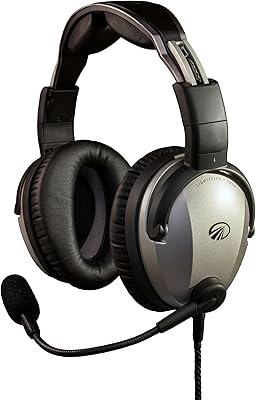
Bose A30 Aviation Headset (Dual Plug)
85%
94%
Long-Term Comfort
91%
Active Noise Reduction
89%
Audio Clarity & Intelligibility
84%
Build Quality & Durability
87%
Bluetooth Connectivity
More
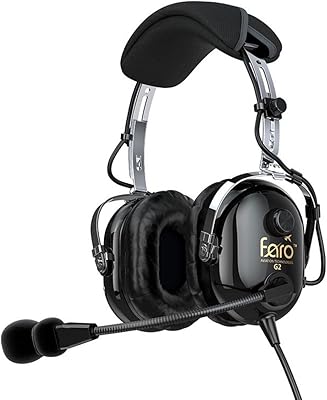
Faro G2 ANR Pilot Aviation Headset
78%
83%
Active Noise Reduction
78%
Microphone Clarity
91%
Battery Life
74%
Comfort & Fit
67%
Build Quality
More
David Clark H10-30 Aviation Headset
82%
93%
Build Quality
71%
Noise Attenuation
84%
Audio Clarity
82%
Microphone Performance
58%
Comfort
More
Rugged Air RA200 Aviation Pilot Headset
78%
91%
Value for Money
78%
Comfort & Fit
72%
Passive Noise Reduction
74%
Microphone Performance
81%
Audio Clarity
More

FAQ

It is one of the more practical choices at this price tier for someone in flight training. The gel ear seals hold up well through repeated lessons, the mic is clear enough for radio work in the pattern and on cross-country flights, and the dual GA plugs work in almost any training aircraft you are likely to sit in. It covers everything a student needs without overcomplicating the decision.

Yes, the 3.5mm AUX input lets you plug in a cable from your tablet directly to the headset, so navigation audio and alerts from ForeFlight feed into your ears alongside normal intercom audio. You will need a standard 3.5mm audio cable — it is not included — but the connection itself is straightforward.

Passive noise reduction works by physically blocking sound with the ear cup seal and padding, while active systems use electronics to cancel noise waves before they reach your ears. The KA-1 does a reasonable job for a passive design, but in louder cockpits — especially high-horsepower singles or turboprops — there is a noticeable difference versus ANR headsets. For light trainers and typical VFR flying, 24 dB NRR is workable.

Several buyers mention the same thing. The clamping force is on the firmer side initially, but most pilots report it softens noticeably after a few hours of regular wear. If you find it uncomfortable early on, you can gently flex the headband by hand to loosen it slightly — a common trick for breaking in stiffer aviation headsets.

Yes, the silicone gel ear seals are designed to be user-replaceable, which is a genuine long-term value benefit. Replacement seals are available separately from Kore Aviation, so when they eventually compress or degrade, you can swap them out rather than replacing the whole headset.

Yes, that is one of the more practical features of this pilot headset — the built-in mono/stereo switch lets you match the output to whatever audio panel you are plugging into. Most older GA aircraft run mono intercom systems, while newer panels and some multi-coms support stereo, so the switch covers both without any extra adapters.

Only in a limited sense. The dual GA plugs are not standard consumer audio connectors, so you cannot plug directly into a phone or laptop. You can use the 3.5mm AUX input to pipe audio in, but the microphone will not function through a standard consumer device without additional adapters. It is primarily designed for aviation use.

The ABS plastic and stainless steel frame holds up reasonably well under regular use, and the included carrying case gives it proper protection between flights. The gel seals are the component most likely to wear over time with heavy multi-user use, but since they are replaceable, that is a manageable maintenance item rather than a dealbreaker for shared environments.

Yes, the 360-degree swivel-flex boom can be positioned to either side, which is useful for pilots who prefer a particular setup or need to accommodate their seating position in different aircraft.

The straight shielded cord is designed for standard GA cockpit use and should reach the aircraft's audio panel in most single-engine and light twin setups without being overly long or tangled. A few users note the cord feels slightly stiffer than expected, but length has not been a commonly reported complaint.

Where to Buy

Marv Golden Pilot Supplies
In stock $197.95
Pilot John International
In stock $202.46
Sporty's Pilot Shop
In stock $224.95
Aircraft Spruce and Specialty
In stock $224.95
Northstar Aviation References
In stock $224.95