
Overview

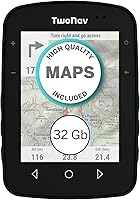
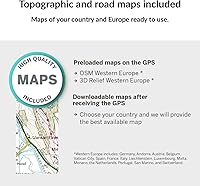
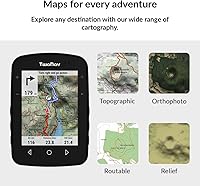
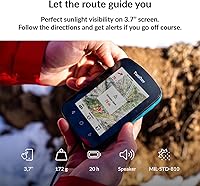
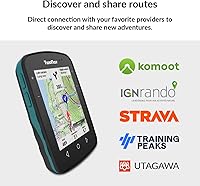
The TwoNav Terra 32GB GPS Bike Computer is a premium navigation device built for riders and hikers who find standard bike computers too limiting when the trail gets serious. The screen alone sets it apart — at 3.7 inches wide, it gives you actual map context rather than a postage-stamp view of your surroundings. World of MTB named it the best MTB GPS of 2023, which carries real weight, though the deeper story is the included map package: TomTom coverage for the US, Canada, and Mexico, plus OSM World and 3D Relief. This is not a Garmin dressed in different branding — it is a distinct, navigation-first ecosystem with a very specific audience in mind.

Features & Benefits

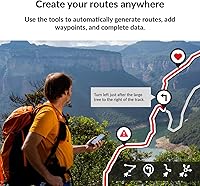
Pull in satellite data from four separate networks — GPS, Galileo, GLONASS, and BeiDou — and you understand why the Terra holds signal where cheaper units give up. The 480x640 display is genuinely readable in direct sunlight, which matters when you are above the treeline with no shade in sight. On-device route editing is a practical feature riders actually use: load a GPX file, find a section that looks wrong, and adjust it without pulling out a phone. Wireless sync via dual Bluetooth and 5G Wi-Fi keeps the device current with training platforms. The bundled SeeMe live tracking and GO Cloud storage add real utility for riders venturing solo into remote terrain.

Best For

This trail GPS unit is not trying to replace a road cycling computer or compete with sport watches tracking cadence and power. It is built for riders and hikers who spend serious time in unmarked terrain and need a device that handles spontaneous route changes without complaint. If you regularly plan rides on desktop software and want the same map detail on your handlebars, this fits naturally. For multi-day bikepacking trips, a 15-hour battery and offline map reliability matter more than live segment alerts. The bundled ecosystem — route planning, cloud backup, emergency tracking — makes TwoNav's bike navigator particularly compelling for self-supported adventurers.

User Feedback

With 60 ratings averaging 3.8 stars, there is enough signal to spot patterns without treating it as definitive. Buyers consistently highlight map clarity and flexible route management as standout strengths. Where reviews turn critical is the learning curve — the interface takes real time to internalize, and several users flag inconsistencies in the companion app and occasional syncing hiccups. Compared to Garmin's Edge lineup, some buyers note this trail GPS unit wins on map depth but concedes on interface polish and third-party app integration. Customer support experiences appear mixed in lower-rated reviews, which is worth weighing given the one-year warranty coverage.

Pros

  • The 3.7-inch screen is substantially larger than most competing bike computers, making maps actually readable while riding.
  • Offline topographic maps for the US, Canada, and Mexico are included out of the box — no additional purchases needed.
  • Four satellite networks plus SBAS-EGNOS give the Terra a real advantage in dense forest or deep canyon terrain.
  • On-device route editing lets you adapt your plan mid-ride without pulling out a phone.
  • The bundled SeeMe live tracking adds meaningful safety coverage for solo riders in remote areas.
  • 32 GB of onboard storage means you can carry an extensive library of maps and routes without management headaches.
  • USB-C charging is a practical detail that makes cable management easier on longer trips.
  • The Land route planning software included at no extra cost is a capable desktop tool for pre-ride preparation.
  • Sunlight readability on exposed alpine or open terrain is consistently praised by real-world users.

Cons

  • The interface has a notable learning curve that frustrates buyers expecting intuitive navigation from day one.
  • With only 60 ratings, the sample size is too small to draw firm conclusions about long-term reliability.
  • The companion app has drawn complaints about inconsistent syncing and occasional reliability issues.
  • Third-party platform integration is narrower than what Garmin or Wahoo offer in the same price range.
  • At nearly 200 grams, this trail GPS unit is heavier than several competing devices in its category.
  • Customer support experiences in lower-rated reviews are mixed, which is a real concern given only a one-year warranty.
  • The device is sized more like a dedicated mapping unit than a streamlined bike computer, which may feel bulky for some setups.
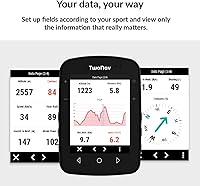
  • Performance data features are minimal — riders who track power or advanced training metrics will find this unit lacking.

Ratings

Our AI rating engine analyzed verified global user reviews for the TwoNav Terra 32GB GPS Bike Computer, actively filtering out incentivized, duplicate, and bot-generated feedback to surface what real riders and hikers actually experience. The scores below reflect a candid synthesis of recurring praise and genuine pain points across navigation accuracy, usability, hardware, and value — nothing is glossed over. Strengths and frustrations are weighted equally, so you can make a purchase decision based on the full picture.

Map Quality
91%
Reviewers consistently single out the topographic map detail as a standout strength, particularly on unmarked trails and remote terrain where generic maps fall apart. The included TomTom and OSM layers give riders genuine confidence navigating off-grid, with contour accuracy that holds up in dense forest and mountain environments.
A small number of users noted occasional discrepancies between mapped paths and actual trail conditions, which is partly a limitation of any static map dataset rather than the hardware itself. Map update processes can also feel cumbersome compared to how Garmin handles incremental updates.
Screen Readability
88%
The 3.7″ display earns genuine praise from riders who have struggled with smaller screens on alpine routes and open ridgelines where direct sun is unavoidable. Anti-reflective properties hold up in real conditions, and the physical size means map context is visible at a glance without stopping to zoom.
In lower-light conditions such as early morning forest trails or overcast days, some users found the brightness calibration less impressive than expected. A handful of reviews mention the resolution feels slightly soft compared to the sharpest displays in this price tier.
Navigation Accuracy
86%
Multi-constellation satellite support covering GPS, Galileo, GLONASS, and BeiDou translates into dependable signal acquisition in the kinds of terrain where single-network devices struggle — deep canyons, dense canopy, and high-latitude routes all get positive mentions from experienced users.
Signal lock time on cold starts draws criticism in some reviews, with a few users reporting it takes longer than comparable Garmin units to acquire a fix. SBAS-EGNOS correction helps positional precision, but the improvement is not always perceptible in everyday trail conditions.
Route Planning & Editing
84%
The ability to edit routes directly on the device — not just follow pre-loaded tracks — is a feature riders genuinely value when a trail is washed out or conditions change mid-ride. On-device point-to-point creation on topographic maps is more capable than what most competitors offer at any price.
The route editing workflow has a noticeable learning curve, and users without prior experience with TwoNav software tend to find it unintuitive at first. Creating complex routes on the device itself is slower and more tedious than doing the same task on the Land desktop application.
Battery Life
79%
21%
The rated 15-hour ceiling is sufficient for most full-day trail rides and moderate bikepacking stages without needing a top-up, and USB-C charging is a practical convenience that most riders already have cables for. Users on long day rides report the battery holding up well under normal navigation loads.
Real-world runtime drops noticeably in cold conditions or when using maximum screen brightness, with some bikepacking users reporting closer to 11–12 hours under demanding conditions. For multi-day trips with no power access, the battery capacity requires more careful management than the headline figure implies.
Ease of Use
61%
39%
Once past the initial setup, users who invest time in learning the TwoNav ecosystem find the interface logical and well-organized for navigation-focused tasks. The physical button layout works reliably with gloves and in wet weather, which is more than can be said for touchscreen-only competitors.
The interface learning curve is the most frequently cited frustration across reviews, with multiple buyers noting they needed hours of experimentation before the device felt intuitive. New users expecting the plug-and-play simplicity of Garmin or Wahoo devices will almost certainly find the Terra's software architecture more demanding.
Companion App
58%
42%
The TwoNav app covers the core use cases of route transfer and basic monitoring, and the integration with GO Cloud storage works reasonably well for keeping routes synchronized across devices when everything is functioning as intended.
App reliability is a recurring pain point, with syncing failures and inconsistent Bluetooth connections mentioned across multiple independent reviews. Several users describe the app as feeling behind the quality of the hardware it supports, which is a frustrating gap at a premium price point.
Build Quality
77%
23%
The physical construction inspires confidence for a device intended for rough trail use — buttons feel deliberate and tactile, and the chassis does not flex or creak under pressure. Riders report it handling vibration from technical terrain without display issues or case deformation.
At 198 g the Terra is meaningfully heavier than lighter competitors, which is a trade-off some users are not willing to make for extended mountain rides. Water resistance details are not prominently confirmed in official documentation, leaving some buyers uncertain about its durability in sustained rain.
Value for Money
67%
33%
The bundled map package, route planner subscription, cloud storage, and SeeMe live tracking represent genuine added value that would cost extra with most competing platforms. For buyers who will actually use the full ecosystem, the total package is more competitive than the hardware price alone suggests.
At its price point, the Terra competes directly with Garmin's most capable Edge navigation units, and buyers who prioritize software polish and third-party integration tend to feel the value equation does not fully favor the Terra. Users who primarily want basic navigation without the ecosystem depth may find the asking price hard to justify.
Software Ecosystem
73%
27%
The Land desktop route planner is a capable and genuinely useful tool for pre-ride preparation, particularly for users who plan complex routes with elevation profiles and waypoint management. GO Cloud storage and SeeMe integration add layers of utility that standalone GPS units simply cannot match.
The ecosystem is less open than Garmin's, with more limited compatibility with popular third-party training platforms, which frustrates riders who want to use tools like Komoot or TrainingPeaks at full depth. Software updates have sometimes introduced minor bugs that take time to resolve through patches.
Satellite Connectivity
83%
Simultaneous use of four satellite networks gives the Terra a real technical edge for riders who venture into environments where GPS alone loses signal — steep-sided gorges, dense mixed forest, and northern latitudes all benefit from the expanded constellation support.
The practical difference between four-constellation and two-constellation units is most pronounced in genuinely challenging terrain; in typical park or resort trail conditions, many users will not notice a meaningful difference over a well-tuned single-network device.
Mounting & Setup
72%
28%
The handlebar mount is functional and secure for most standard bar configurations, and the USB-C port placement is sensible for cable routing on a mounted setup. Initial hardware installation is straightforward even without detailed instructions.
The device's larger footprint compared to mainstream bike computers can create clearance issues on some cockpit configurations, particularly on bikes with shorter stems or a lot of bar accessories. A small number of users have reported the mount feeling less rigid over extended rough-terrain use.
Customer Support
55%
45%
TwoNav offers a one-year manufacturer warranty, and some users report positive resolution experiences for hardware defects when the issue is clear-cut and documented promptly.
Support responsiveness is unevenly rated across reviews, with lower-scored feedback frequently citing slow response times and difficulties escalating software-related problems. For an international brand selling in North America, the support infrastructure does not yet feel on par with what Garmin offers in the same market.

Suitable for:

The TwoNav Terra 32GB GPS Bike Computer is purpose-built for mountain bikers, trail riders, and hikers who spend serious time in terrain where getting lost is a real risk, not just a theoretical one. If you regularly venture into remote wilderness, unmarked singletrack, or high-alpine routes where cell signal is nonexistent and a wrong turn costs hours, the Terra's offline topographic accuracy and multi-constellation satellite support become genuinely valuable rather than marketing checkboxes. It suits riders who plan detailed routes on desktop software and want that same depth of information readable on the handlebar without squinting at a tiny screen. Bikepacking enthusiasts will appreciate the 15-hour battery window and the bundled SeeMe live tracking, which adds a meaningful safety layer on multi-day solo trips. If you also hike the terrain you ride and want one capable device that crosses over naturally between both activities, this navigator handles that dual role well.

Not suitable for:

The TwoNav Terra 32GB GPS Bike Computer is a poor fit for road cyclists or competitive riders whose priority is real-time performance data — power output, live segment racing, or deep integration with platforms like Zwift or TrainingPeaks. Garmin's Edge lineup and Wahoo's ELEMNT series are more mature ecosystems for that use case, with broader third-party app support and a more refined interface out of the box. Casual weekend riders who only follow pre-loaded routes on established trail networks will find the full feature set unnecessary at this price point — a simpler, less expensive unit would serve them just as well. The interface takes a genuine commitment to learn, and buyers who expect plug-and-play simplicity from day one are likely to feel frustrated early. If budget is a primary concern, the premium ask here requires a clear, specific need to justify it.

Specifications

  • Screen Size: The device features a 3.7″ wide display, noticeably larger than the 2.6–3.0″ screens found on most competing bike computers.
  • Resolution: The screen renders at 480x640 pixels, providing enough detail to read topographic contour lines and trail labels while riding.
  • Storage: 32 GB of onboard storage accommodates the pre-installed map library plus a substantial collection of personal routes and additional map layers.
  • Battery Life: TwoNav rates the battery at up to 15 hours of active navigation, making full-day and some multi-day itineraries achievable on a single charge.
  • Weight: The unit weighs 198 g (approximately 7 oz), which is on the heavier side for a handlebar-mounted navigation device.
  • Dimensions: Physical dimensions measure 80 x 115 x 19 mm, giving the device a tablet-like footprint compared to slimmer cycling computers.
  • Satellite Systems: The Terra connects to GPS, Galileo, GLONASS, and BeiDou networks simultaneously, with SBAS-EGNOS correction for improved positional accuracy.
  • Connectivity: Dual Bluetooth and 5 GHz Wi-Fi allow wireless route transfer, sensor pairing, and syncing with compatible training platforms.
  • Charging Port: A USB-C port handles both data transfer and charging, eliminating the need for proprietary cables on the road or trail.
  • Controls: Navigation is handled via 3 front-facing buttons and 4 side buttons, allowing operation with gloves or in wet conditions without a touchscreen.
  • Included Maps: The package includes TomTom road and trail data for the United States, Canada, and Mexico, plus OSM World coverage and a 3D Relief layer.
  • Mounting Type: The device ships with a handlebar mount designed for standard bar diameters, compatible with common aftermarket mounting systems.
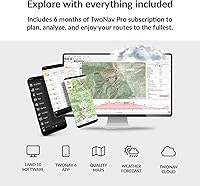
  • Bundled Software: Purchase includes access to Land desktop route planner, the TwoNav mobile app, SeeMe live location and emergency service, and GO Cloud storage.
  • Warranty: TwoNav covers the device with a 1-year manufacturer warranty against defects in materials and workmanship.
  • Manufacturer: The Terra is designed and manufactured by TwoNav, a Spanish company with over two decades of experience in GPS navigation hardware and software.
  • Power Source: The device operates on an integrated rechargeable battery; no external AA or AAA cells are required for primary operation.

Related Reviews
Timex T5K615 GPS Bike Computer
69%
83%
GPS Accuracy
86%
ANT+ Sensor Pairing
79%
Battery Life
71%
Training Peaks Integration
58%
Display Readability
More
CooSpo BC107 GPS Bike Computer
76%
91%
Value for Money
86%
GPS Accuracy
78%
Ease of Setup
62%
App Experience
79%
Build Quality
More
Beeline Velo 2 Cycling GPS Computer
77%
88%
Ease of Setup
79%
Navigation Accuracy
86%
Battery Life
83%
Build Quality & Durability
74%
Display Readability
More
Bryton Rider S510 GPS Cycling Computer
77%
93%
Battery Life
78%
Navigation Accuracy
84%
Touchscreen Quality
72%
Climb Challenge 2.0
88%
Sensor Compatibility
More
Bryton Rider 17 GPS Cycling Computer
78%
88%
Screen Readability
91%
Battery Life
87%
Value for Money
69%
GPS Performance
63%
App Reliability
More
Garmin Edge 1040 Solar GPS Bike Computer
80%
93%
GPS Accuracy
88%
Battery Life
71%
Solar Charging
86%
Navigation
84%
Training Analytics
More
Sigma ROX 12.1 EVO GPS Bike Computer
78%
88%
GPS Accuracy
91%
Map Navigation
71%
Touchscreen Responsiveness
74%
Battery Life
86%
E-Bike Integration
More
Garmin Edge 540 GPS Cycling Computer
81%
93%
GPS Accuracy
89%
Battery Life
86%
Navigation & Mapping
91%
ClimbPro Functionality
74%
Adaptive Coaching & Training Tools
More
Bryton Rider 420e GPS Cycling Computer
78%
88%
Display Clarity
91%
Battery Life
79%
GPS Accuracy
72%
Navigation & Routing
86%
Sensor Connectivity
More
Garmin Edge 840 GPS Cycling Computer
79%
93%
GPS Accuracy
88%
Battery Life
91%
ClimbPro Feature
62%
Touchscreen Performance
74%
Adaptive Training Tools
More

FAQ

The maps included are genuinely comprehensive for North American use — you get TomTom data covering the US, Canada, and Mexico, along with OSM World and a 3D Relief layer. For most riders in those regions, there is nothing extra to purchase to get started.

Garmin's Edge lineup is more polished in terms of interface, has broader third-party app integration, and dominates for performance metrics like power. The Terra wins on raw map depth and topographic detail, which matters more if navigation is your priority rather than structured training data. It really comes down to what you need on the trail.

It works well on foot too. The topographic maps and multi-satellite positioning are just as useful on a hiking trail as on singletrack. You can mount it on your bike when riding and carry it in a pack or attach it to a strap when you switch to hiking.

User feedback consistently backs up the sunlight readability claim, particularly on open alpine terrain and exposed ridge lines where glare is a real problem. It is not perfect in every lighting condition, but it holds up noticeably better than standard glossy screens.

You can transfer routes via Wi-Fi or USB-C, and the Land desktop software makes the process reasonably straightforward once you have learned the workflow. The initial learning curve is real — expect to spend an hour or two getting comfortable with how the system is organized before it feels natural.

For most single-day rides, yes. Keep in mind that battery ratings are typically measured under controlled conditions, and factors like cold temperatures, screen brightness, and heavy satellite polling can reduce real-world runtime. For multi-day bikepacking, you will need a way to recharge — the USB-C port makes that straightforward with a power bank.

On-device route editing is one of the Terra's genuine strengths. You can modify a route's path, add waypoints, or create a new point-to-point route directly on the device without needing a phone or laptop. It is slower than doing it on desktop, but it works when you are already on the trail.

SeeMe shares your live GPS location with contacts you designate, and it includes an emergency alert function. For solo riders in remote areas, this is a meaningful safety layer — a friend or family member can follow your progress in real time and know if you stop unexpectedly.

TwoNav does not prominently advertise a specific IP waterproofing rating for the Terra, which is worth noting before assuming full submersion protection. The button-based interface rather than a touchscreen is a practical advantage in rain and mud, but you should check the current official specs for confirmed water resistance levels before riding in heavy downpours.

Yes, the dual Bluetooth connectivity supports pairing with external ANT+ and Bluetooth sensors, including heart rate straps and cadence sensors. It is not a performance-training computer at its core, but basic sensor data can be recorded alongside your navigation.