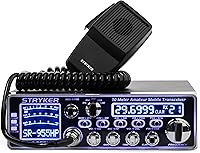
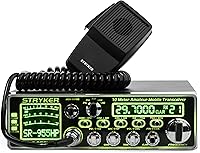
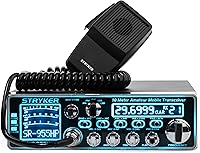
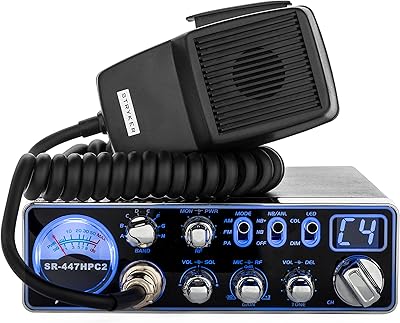
Overview

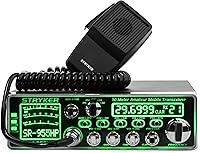
The Stryker SR-955HPC 10 Meter Amateur Radio has been a serious contender in the ham radio space since it first appeared in 2012 — and it hasn't quietly faded away like many rigs from that era. This is a full-featured SSB/AM transceiver, not a CB radio dressed up with extra knobs, and that distinction matters. At 60+ watts PEP, it punches well above what most competing units offer at this tier. If you're expecting a pocket-friendly starter rig, look elsewhere. The SR-955HPC is built for operators who already know what they're doing and want a reliable, frequency-stable base or mobile station without chasing exotic imports.
Features & Benefits

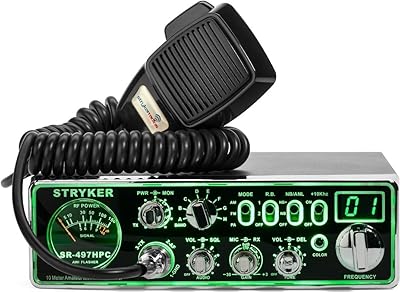
What immediately stands out when operating this 10-meter transceiver is how rock-solid it stays on frequency. On SSB especially, drift is a constant frustration with cheaper rigs — tune in a contact, step away briefly, and you've often lost them. Not here. The DSP-based noise reduction is genuinely useful on a crowded band, filtering out background hash that makes long QSOs tiring. Variable talkback lets you hear your own transmitted audio in real time — a small feature that serious operators appreciate immediately. Six Roger Beep options and digital echo feel like extras, but the 8-color LED faceplate with its 32-step dimmer is surprisingly practical for mobile night operation.

Best For

The SR-955HPC is squarely aimed at licensed amateur operators — specifically those holding a Technician or higher FCC license, which is legally required to transmit on 10 meters. It's a natural step up for anyone who has outgrown entry-level 10-meter or CB equipment and wants more output power and cleaner audio without jumping into a complex all-band HF rig. The compact footprint fits comfortably in a vehicle or on a desk, and the customizable backlight adds a personal touch. Operators who prioritize SSB audio clarity and stable frequency performance will get the most from what this Stryker rig consistently delivers.

User Feedback

Across more than 400 ratings, the Stryker rig holds a 4.4-star average — and reading through the comments, that number feels earned. The most consistent praise centers on received audio reports, with contacts on both AM and SSB frequently noting how clean the signal sounds. Build quality draws positive mentions too, with the faceplate coming across as more polished than many buyers expected. On the flip side, some users find the DSP and echo controls unintuitive without a thorough manual — a real consideration for newer hams. A handful of buyers have also flagged after-sale support response times as inconsistent, which is worth factoring in before committing.

Pros

  • Frequency stays locked on SSB — no drifting mid-contact, even during extended operating sessions.
  • 60+ watts PEP output puts this 10-meter transceiver well ahead of most competitors in its class.
  • DSP noise reduction noticeably cleans up reception on a busy or noisy band.
  • Variable talkback lets you monitor your own audio quality while transmitting — a genuinely useful tool.
  • Eight backlight color options with a 32-step dimmer make nighttime mobile operation much more comfortable.
  • Received audio reports from contacts on both AM and SSB are consistently praised across hundreds of reviews.
  • Compact enough for a vehicle dash or a small desk without dominating the space.
  • Comes ready to install with a microphone, power cord, mounting bracket, and USB cable included.
  • Water-resistant build adds a layer of durability that budget rigs typically skip.
  • Still actively sold and supported after more than a decade — a reassuring sign of product longevity.

Cons

  • The included manual is thin, making the DSP and echo settings genuinely confusing for less experienced operators.
  • Customer support response times have been inconsistent, according to a recurring thread of user complaints.
  • No built-in SWR meter — you will need a separate unit to properly tune your antenna system.
  • Six Roger Beep options feel like filler for operators who simply want a clean, no-frills setup.
  • At 5.48 pounds and 17 inches deep, it is not the most space-efficient option for very tight mobile installations.
  • Only covers 10 meters as its primary band — operators who want HF versatility will need a separate rig.
  • Power requirements are 12 Volts DC only, so a quality power supply is an additional expense for home base use.
  • Echo and talkback controls share front-panel real estate in a way that some users find cluttered and easy to bump.

Ratings

The scores below were generated by our AI after analyzing verified buyer reviews for the Stryker SR-955HPC 10 Meter Amateur Radio from across global marketplaces, with spam, bot-generated, and incentivized submissions actively filtered out before scoring. Each category reflects the honest distribution of real operator experiences — both the strengths that keep this rig in active shacks a decade after launch and the friction points that surfaced consistently enough to matter. Nothing has been smoothed over.
Frequency Stability
94%
This is the category where the SR-955HPC genuinely separates itself from the competition. Operators working long SSB contacts report that once they are tuned in, the frequency simply stays put — no creeping drift mid-QSO, no frustrating re-tuning cycles. For anyone who has wrestled with cheaper rigs drifting off frequency during a morning net, this reliability feels like a significant upgrade.
A small number of users reported minor instability during the initial warm-up period immediately after powering on, suggesting the rig benefits from a brief warm-up before critical operating sessions. This is fairly common in the category but worth knowing about upfront.
Transmit Audio Quality
91%
Received audio reports from contacts on both AM and SSB are among the most praised aspects across the entire review pool. Operators consistently describe getting compliments on their signal clarity, which reflects well on the RF chain and microphone preamplifier design. For operators who care about how they sound on the air, this rig genuinely delivers.
The stock included microphone, while functional, holds back the full audio potential of the radio for some users. Reviewers who upgraded to an aftermarket dynamic microphone reported a noticeable further improvement, suggesting the mic is the weak link in an otherwise strong transmit chain.
Power Output
89%
Sixty-plus watts PEP is a meaningful step up from the 25–40 watt ceiling of many competing 10-meter radios, and operators working crowded band conditions or trying to push through marginal propagation feel the difference. Mobile users especially appreciate having headroom to spare without running a separate amplifier.
A handful of users noted that sustaining peak power output during extended AM transmissions generates noticeable heat, and a few questioned long-term thermal management under heavy duty cycles. Running the rig at full power continuously without adequate ventilation is not recommended.
DSP Noise Reduction
78%
22%
When the band gets noisy and signals start stacking up, the DSP noise reduction makes a real, audible difference — particularly for pulling weaker SSB signals out of the hash. Operators who run the rig in electrically noisy vehicle environments found it especially effective at cutting ignition interference and power line noise.
Setting the DSP aggressiveness too high introduces an artificial, over-processed quality to received audio that some operators find fatiguing over long sessions. The absence of a thorough manual means many users are dialing in settings by trial and error rather than understanding what the controls actually do.
Build Quality
83%
The physical construction came up repeatedly in reviews as a positive surprise — the chassis feels solid, the faceplate has a finished, above-budget appearance, and the controls have a reassuring tactile response. Several long-term owners noted the unit still looks and performs well years into regular use, which speaks to material durability.
A minority of reviewers flagged inconsistencies in the tightness of certain panel controls and knobs, suggesting some unit-to-unit variation in assembly quality. Water resistance is rated but not sealed, so mounting in locations with direct water exposure still carries some risk.
Faceplate & Backlight
86%
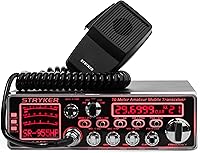
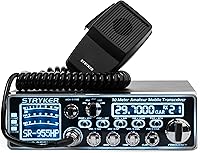
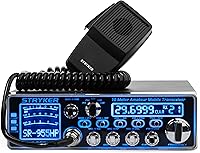
The eight-color LED backlight with its 32-step dimmer is one of the more thoughtful ergonomic features on this rig. Mobile operators running night shifts particularly appreciated being able to dial the brightness down to a low amber or red glow that does not wash out peripheral vision while driving.
The backlight color selection, while fun, is largely a cosmetic feature and adds no functional value for operators who just want a clean white or green display. A small number of users found certain color options harder to read in bright daylight conditions.
Ease of Setup
71%
29%
Physical installation is genuinely straightforward — the included mounting bracket, power cord, and clear connector layout mean most experienced operators can have the rig on the air within an hour of opening the box. The logical front-panel layout makes basic tuning and channel selection intuitive from the start.
The DSP controls, echo settings, and talkback adjustments are significantly less intuitive, and the documentation bundled with the radio does not go deep enough to guide users through them properly. New operators or those coming from simpler CB setups reported a frustrating initial configuration experience.
Included Accessories
74%
26%
The package covers the essentials well — microphone, power cord, mounting hardware, and a USB cable are all present, meaning the rig can be installed and operational without an immediate accessories run. For a product at this tier, arriving with a complete starter kit is a reasonable expectation and Stryker meets it.
The microphone quality is adequate but noticeably below what the radio itself is capable of supporting. The documentation included in the box is thin for a radio with this many adjustable features, and the absence of a proper owner's manual PDF or online resource compounds the problem.
Receive Sensitivity
81%
19%
Receiver performance on 10 meters draws consistent praise for pulling in distant and weak signals when the band is open. The combination of DSP noise filtering and a reasonably quiet noise floor means operators can work DX contacts that a budget rig would miss entirely.
Some users noted the receiver can exhibit mild overload behavior when connected to a large antenna in proximity to strong local signals — a trait common in high-gain transceivers but worth mentioning for operators in dense RF environments.
Value for Money
77%
23%
For operators who specifically need a dedicated, high-power 10-meter SSB transceiver, the SR-955HPC delivers capabilities that justify its position in the market. Frequency stability, transmit audio quality, and output power together form a compelling package for the segment it targets.
Buyers comparing it against entry-level options may feel the price delta is hard to justify on features alone, particularly given the thin documentation and inconsistent support experience. The value proposition is strongest for operators who will actively use the SSB and DSP capabilities rather than basic AM operation.
Audio Features (Echo & Talkback)
68%
32%
Variable talkback is a legitimately useful monitoring tool that experienced operators appreciate for self-monitoring audio quality during transmissions. The six Roger Beep options offer some personality for operators who want them, and the dual front-mounted echo controls are at least physically accessible.
The digital echo feature, while present, lands as a novelty for most serious operators and can actively detract from signal professionalism if accidentally left enabled. Several reviewers noted accidentally engaging echo during operation due to its front-panel placement, which is a minor but recurring irritation.
After-Sales Support
52%
48%
The product has remained actively available for over a decade without discontinuation, which at minimum suggests a manufacturer standing behind the product line commercially. Some users reported warranty claims being handled satisfactorily without major friction.
Customer support responsiveness is one of the most consistently raised negatives across the review pool. Response times have been described as slow and inconsistent, and multiple buyers noted difficulty getting timely resolutions for technical issues. For a premium-tier purchase, this gap between product quality and support quality is a meaningful concern.
Mobile Installation Suitability
82%
18%
The compact 3-inch height and included mounting bracket make vehicle installation practical for most standard cab configurations. The 12V native power requirement means direct connection to the vehicle electrical system without a converter, and the water-resistant build adds appropriate confidence for a mobile environment.
At 17 inches deep, the rig requires meaningful under-dash or trunk space, and tight or modern minimalist vehicle interiors can make installation awkward. The depth dimension catches some mobile operators off guard who did not check measurements before purchasing.
Band Coverage
58%
42%
For operators whose primary interest is the 10-meter band, the focused design means the radio is purpose-optimized for that segment rather than spreading performance thin across many bands. This single-band focus contributes directly to the frequency stability and power output numbers.
The 10-meter-only limitation is a genuine constraint for operators who want flexibility across HF bands like 40, 20, or 15 meters. Buyers who later want to expand their operating beyond 10 meters will need a separate multiband transceiver, which effectively means this purchase does not scale with growing ham radio interest.

Suitable for:

The Stryker SR-955HPC 10 Meter Amateur Radio is best suited for licensed ham radio operators — specifically those holding a Technician class license or higher — who want a capable, high-output transceiver for 10-meter SSB and AM operation without paying for a full HF all-band rig. It fits naturally into both mobile vehicle installations and home base station setups, thanks to its compact dimensions and included mounting hardware. Operators upgrading from CB equipment or a budget 10-meter unit will notice an immediate difference in transmitted audio quality and frequency stability. It also rewards enthusiasts who enjoy personalizing their station, given the multi-color faceplate backlighting and adjustable echo features. If your primary goal is clean, powerful SSB contacts on 10 meters without constantly babysitting your VFO, this Stryker is a genuinely strong fit.
Not suitable for:

The Stryker SR-955HPC 10 Meter Amateur Radio is not the right choice for anyone who does not hold a valid amateur radio license — operating on 10 meters without authorization is illegal, and no radio purchase changes that requirement. It is also a poor match for beginners who are new to SSB operation entirely, as the DSP controls and audio features have a learning curve that an incomplete manual does not help navigate. Those hoping to use this as a CB radio replacement will be disappointed — it is categorically a different class of equipment operating under different rules. Buyers who need multiband HF coverage across 40, 20, or 15 meters should look at dedicated HF transceivers instead, since the SR-955HPC is purpose-built for 10 meters. Finally, anyone who depends heavily on manufacturer after-sales support should go in with measured expectations, as responsiveness has drawn mixed feedback from existing owners.
Specifications

  • Brand: Manufactured by Stryker, a company focused on amateur and export-class radio transceivers.
  • Model: The SR-955HPC is the specific variant in Stryker's 10-meter lineup featuring high-power output and DSP audio processing.
  • Modes: Supports both AM (amplitude modulation) and SSB (single sideband) operating modes.
  • Power Output: Rated at 60+ watts PEP, placing it well above the output ceiling of most competing 10-meter transceivers in this category.
  • Frequency Range: Covers 530 kHz to 30 MHz, with primary intended operation on the 10-meter amateur band (28–29.7 MHz).
  • Channels: Features 10 channel positions for quick frequency recall during operation.
  • Dimensions: Physical footprint measures 17″ deep by 9.5″ wide by 3″ tall, suited for mobile dash or compact base station mounting.
  • Weight: Unit weighs 5.48 pounds, making it manageable for both vehicle and desktop installations.
  • Voltage: Requires a 12 Volts DC power source, compatible with standard vehicle electrical systems or a regulated DC bench supply.
  • Noise Reduction: Incorporates DSP-based Advanced Noise Reduction that filters and compresses continuous analog interference to improve received audio clarity.
  • Backlight: Faceplate features an 8-color LED backlight system with a 32-position dimmer for precise brightness control in low-light environments.
  • Audio Features: Includes Digital Echo with dual front-mounted controls, Variable Talkback, and six selectable Roger Beep tones.
  • Water Resistance: Rated as water resistant, offering a basic level of protection against moisture exposure during mobile operation.
  • In The Box: Package includes the transceiver unit, a microphone, a power cord, a mounting bracket with side knobs, and a USB cable.
  • Compatibility: Designed for use with two-way radio setups and external antennas or devices operating within the 530 kHz to 30 MHz frequency range.
  • Market Rating: Holds a 4.4 out of 5 star aggregate rating based on 423 verified customer ratings on Amazon.
  • Availability: As of the current product listing, the SR-955HPC has not been discontinued by the manufacturer.
  • First Listed: The product was first made available for purchase on December 25, 2012, establishing over a decade of market presence.

Related Reviews
Stryker SR-655 10 Meter Amateur Radio
86%
89%
Transmission Range
91%
Build Quality
65%
Ease of Setup
87%
Display Visibility
93%
Power Output
More
Stryker SR-447HPC2 Heavy-Duty 10 Meter Radio
87%
91%
Performance
88%
Build Quality
85%
Ease of Use
92%
Power Output
89%
Durability
More
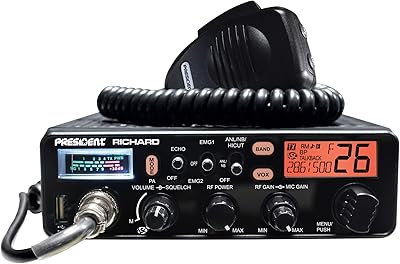
President Richard 10 Meter Radio
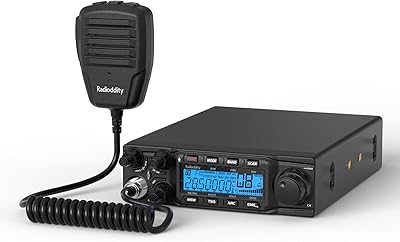
87%
88%
Performance
90%
Ease of Use
84%
Build Quality
92%
Mobile Setup Suitability
78%
Range/Signal Strength
More
Radioddity QT80 10 Meter Ham Radio Transceiver
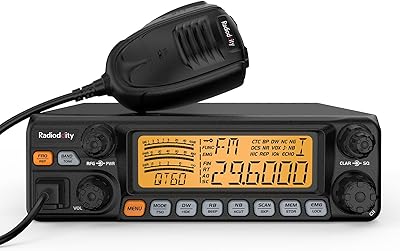
78%
88%
Transmission Power
84%
Receive Audio Quality
79%
Noise Reduction Performance
86%
Ease of Setup
83%
Display & Interface
More
AnyTone ARES II 10 Meter Radio
85%
88%
Signal Clarity & Performance
92%
Installation & Setup
85%
Noise Reduction
90%
Programmability & Customization
87%
Build Quality
More
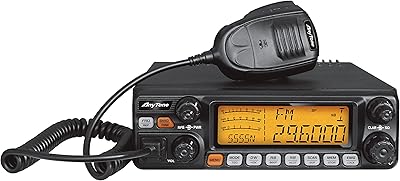
AnyTone AT-5555N II 10 Meter Radio
86%
94%
Power Output
89%
Ease of Use
92%
Range and Signal Clarity
85%
Build Quality
90%
Noise Reduction Performance
More
Radioddity QT60 Pro 10-Meter Ham Transceiver
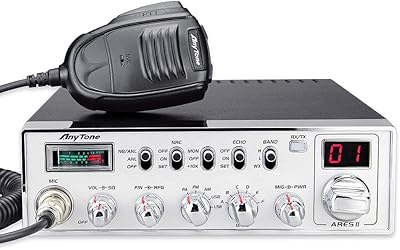
78%
83%
RF Performance
81%
Audio Clarity (RX)
71%
Transmit Audio Quality
86%
Display & Interface
79%
Noise Reduction System
More
Stryker SR-497-HPC AM/FM 10M Radio
82%
88%
Signal Clarity
91%
Power Output
85%
Ease of Installation
83%
Noise Reduction
87%
Customizability
More
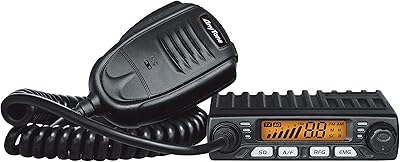
AnyTone SMT-02 10 Meter Mobile Radio
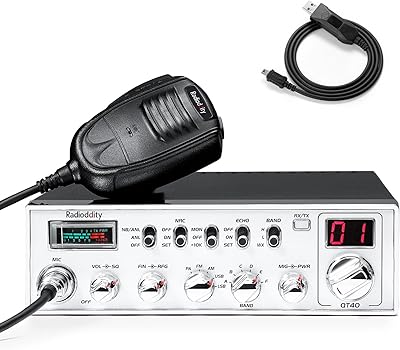
71%
93%
Form Factor & Portability
84%
Audio Clarity & Receive Quality
67%
Transmit Power & Range
78%
Build Quality & Durability
81%
Ease of Installation
More
Radioddity QT40 10 Meter SSB Ham Radio
77%
86%
SSB Signal Performance
83%
Noise Reduction Effectiveness
88%
Power Output
84%
Audio Clarity
81%
NOAA Weather Integration
More

FAQ

Yes, absolutely. To legally transmit on the 10-meter band in the United States, you need at minimum an FCC Technician class amateur radio license. Receiving-only use does not require a license, but keying up without authorization is a violation of FCC regulations. If you are not yet licensed, look into the ARRL licensing resources — the Technician exam is very accessible for newcomers.

Not really, no. CB radio operates on the 11-meter band under Part 95 rules, while the SR-955HPC is designed for licensed amateur 10-meter operation under Part 97. The operating frequencies, legal power limits, and licensing requirements are entirely different. They are separate services, so this is not a drop-in CB replacement.

You will need a 10-meter antenna — a half-wave dipole, a vertical, or a beam antenna all work well depending on your setup. For mobile use, a mag-mount or trunk-lip 10-meter vertical is the most common choice. The radio does not have a built-in SWR meter, so pairing it with an external SWR meter or antenna tuner is strongly recommended to protect the finals and get the most from your signal.

Range on 10 meters is highly variable and largely depends on band conditions, your antenna, and propagation rather than the radio itself. During good solar conditions with the band open, DX contacts reaching thousands of miles are entirely possible. When the band is quiet or closed, contacts may be limited to local distances. The radio's power output gives you a solid signal to work with, but no transceiver can overcome poor propagation.

The physical installation is fairly straightforward using the included mounting hardware and power cord. Where it gets trickier is learning to operate SSB itself — tuning technique, the talkback controls, and the DSP settings all have a learning curve. The included documentation is thin, so new operators should supplement it with online forums, YouTube walkthroughs, and local ham club resources.

Talkback feeds your transmitted audio back through the radio's internal speaker so you can hear what you sound like while you are transmitting. It lets you monitor your own microphone gain, audio tone, and whether the echo effect is too heavy — all in real time. It sounds like a small thing, but experienced operators find it genuinely useful for dialing in their audio before a long session.

It works well in both environments. For home base use, you will need a regulated 12-volt DC power supply capable of handling the current draw at full power — a quality 20 to 30 amp supply is a sensible choice. The compact footprint fits comfortably on a desk or shelf, and the dimmer-controlled faceplate backlight keeps it easy on the eyes during evening sessions.

The faceplate supports eight different LED backlight colors, and the 32-position dimmer means you can reduce brightness incrementally down to a very low glow. Whether the dimmer can reduce brightness all the way to completely off depends on the individual unit — users typically dial it down to its lowest setting for nighttime operation rather than turning it fully dark.

The stock microphone is functional and gets the job done for general operation. That said, many operators eventually upgrade to an aftermarket dynamic or electret mic to extract the best possible audio quality from the rig. If you are getting good audio reports from contacts on the included mic, there is no immediate need to spend extra. Consider upgrading if you find yourself chasing cleaner audio over time.

For most operators, yes — the DSP-based noise reduction noticeably reduces the hash and background interference that makes crowded band operation tiring. It is not a miracle cure for a genuinely terrible signal, but it filters enough ambient noise that weak signals become more readable. Setting the level too aggressively can make received audio sound a bit processed, so it is worth experimenting to find a comfortable balance for your conditions.

Where to Buy