Overview

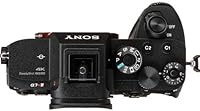
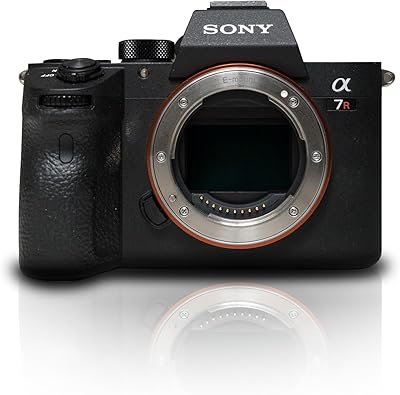
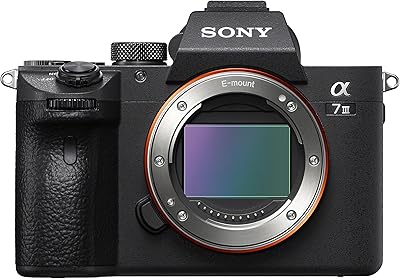
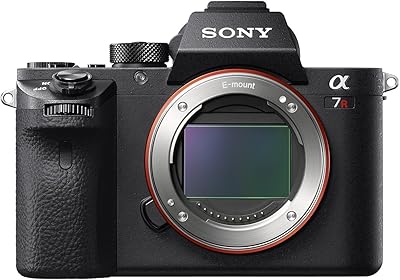
The Sony Alpha 7R IV Full-Frame Mirrorless Camera sits firmly at the top of Sony's Alpha lineup, built for photographers who treat resolution as a non-negotiable — landscape shooters, commercial studios, and anyone who routinely delivers large-format work. The 61MP back-illuminated sensor is the headline, but what makes the 7R IV genuinely compelling is that it pairs that pixel count with 10fps continuous shooting. That combination is rare. Rivals like the Nikon Z7 II and Canon EOS R5 compete in this space, but Sony's head start in autofocus maturity gives this body a real edge. The price reflects a professional tool, not a casual purchase.
Features & Benefits

Shoot a dense cityscape at dusk and the 15-stop dynamic range becomes immediately obvious — shadow detail that would normally clip lifts cleanly in post, and the 14-bit uncompressed RAW gives you genuine latitude to work with. In the studio, 61 megapixels means you can crop aggressively and still deliver a billboard-ready file. The 567-point phase-detection autofocus with Real-time Eye AF tracks subjects with impressive consistency, even in motion. Handheld shooting with long, heavy glass is made more practical by the 5-axis in-body stabilization, and the 5.76 million dot OLED viewfinder is sharp enough that you rarely second-guess focus confirmation. Dual UHS-II card slots handle the large files without bottlenecking your capture rate.

Best For

This high-resolution mirrorless is the right call for landscape and architecture photographers who need to pull fine texture out of every frame, and for commercial shooters who want medium-format-level output without the cost or system limitations of that format. Wildlife and portrait photographers will appreciate the Eye AF working reliably at full resolution. Existing Sony E-mount users upgrading from a lower-resolution body will find the transition smooth. Video is capable — 4K is clean — but this body is built around stills. Photographers for whom video is the primary deliverable will be better served by a camera designed with that workflow as the priority, not a secondary consideration.

User Feedback

Across more than 350 ratings averaging 4.6 stars, buyers are consistent: the image quality and autofocus reliability are the reasons people recommend it without hesitation. The EVF draws frequent praise, with several users calling it the sharpest they have used on any mirrorless body. Criticism tends to cluster around practical realities. Battery life is a known limitation — serious shooters carry spares as a matter of habit. The bigger friction for many is the file size; 61MP RAW files put real pressure on storage, card speed, and editing hardware. Sony's 61MP powerhouse earns its reputation, but buyers who go in without fast cards and a capable workstation often report frustration in the editing room.

Pros

  • 61MP files deliver print-ready detail even after aggressive cropping in the field.
  • 15-stop dynamic range gives landscape photographers exceptional shadow recovery at base ISO.
  • Real-time Eye AF tracks human and animal subjects reliably, even during continuous shooting.
  • The 5.76 million dot OLED viewfinder is among the sharpest available on any mirrorless body.
  • 10fps continuous shooting at full resolution is rare for a camera in this resolution class.
  • 5-axis in-body stabilization makes handheld shooting with heavy lenses genuinely practical.
  • Dual UHS-II card slots allow simultaneous backup, which is essential for paid commercial work.
  • 14-bit uncompressed RAW files provide serious post-processing latitude for complex edits.
  • Sony's 61MP powerhouse fits existing E-mount glass, protecting prior lens investments completely.
  • Weather sealing and a solid magnesium alloy build hold up well in demanding outdoor conditions.

Cons

  • Battery life is genuinely short — field photographers routinely need three or more spares per day.
  • Uncompressed RAW files can exceed 100MB each, placing heavy demands on storage and editing hardware.
  • Buffer depth limits extended bursts, making it a frustrating choice for unpredictable action sequences.
  • Older computers often struggle with smooth 61MP file playback, forcing unexpected hardware upgrades.
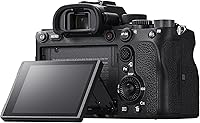
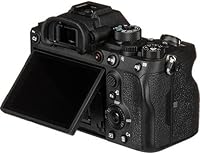
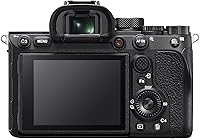
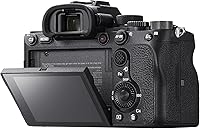
  • The tilting screen does not fully articulate, limiting usability for overhead or ground-level compositions.
  • Wireless RAW transfer over Wi-Fi is slow enough that most professionals revert to a card reader.
  • The Sony Imaging Edge app has drawn consistent criticism for being unintuitive and occasionally unreliable.
  • High ISO noise is more visible than on lower-resolution sensors due to smaller individual photosites.
  • Total system cost — body, cards, storage, and potentially a workstation upgrade — adds up quickly.
  • Video feature set lags behind dedicated hybrid bodies, with no 4K 60fps and a recording time cap.

Ratings

The Sony Alpha 7R IV Full-Frame Mirrorless Camera has been scored below by our AI system after analyzing verified buyer reviews from across global markets, with spam, incentivized, and bot-generated feedback actively filtered out. Scores reflect the honest consensus of working photographers — from landscape professionals to studio operators — and both the standout strengths and the genuine frustrations are represented without sugar-coating.
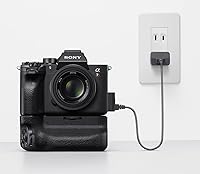
Image Quality & Resolution
97%
The 61MP output is the reason most buyers chose this body, and it consistently delivers. Photographers printing at large formats or cropping heavily into wildlife shots report that the detail retention is in a different league from 24MP or even 42MP alternatives. Studio work in particular benefits enormously.
A small number of users note that at very high ISOs, the fine detail advantage narrows and noise reduction in post starts to soften the pixel-level sharpness that makes this sensor special. It is still excellent, but the gap over competitors shrinks above ISO 6400.
Autofocus Performance
91%
Real-time Eye AF is reliable enough that portrait and wildlife photographers regularly report keepers rates they could not achieve with previous bodies. Tracking locks on fast-moving subjects — birds in flight, athletes — with a consistency that surprised even skeptical reviewers coming from DSLR systems.
In very low contrast or backlit situations, the system occasionally hunts before locking. A few users also report that animal Eye AF, while impressive, is less consistent than human Eye AF, particularly with smaller or partially obscured subjects.
Dynamic Range
94%
Landscape photographers shooting high-contrast scenes — bright skies against dark foregrounds — describe the 15-stop range as genuinely liberating. Shadow recovery at base ISO is exceptional, allowing single-exposure shots in situations that previously required bracketing and blending.
The dynamic range advantage is most pronounced at low ISOs. As sensitivity climbs, the headroom in the shadows tightens noticeably, and buyers who primarily shoot indoors in mixed artificial lighting get less dramatic benefit from this specification than outdoor shooters do.
Continuous Shooting Speed
78%
22%
10fps with full AE/AF tracking at 61MP is genuinely impressive for a resolution-focused body. Sports photographers using it as a secondary camera for controlled action sequences report that the buffer handles short bursts well and the files that come out are publication-ready without cropping.
The buffer depth is the real constraint. Extended bursts fill it faster than many action-oriented buyers would like, and the write speed to card — even with UHS-II media — introduces a waiting period that dedicated sports shooters find frustrating during unpredictable action.
In-Body Image Stabilization
83%
The 5-axis sensor-shift stabilization makes a meaningful practical difference when shooting handheld with longer, heavier lenses. Architecture photographers working in dim interiors without a tripod report being able to use shutter speeds they would previously have considered unusable.
Some users feel the stabilization does not fully compensate when paired with the heaviest telephoto glass, particularly at focal lengths above 200mm. It works well for moderate telephoto and wide-angle work, but is not a replacement for optical stabilization in demanding telephoto scenarios.
Electronic Viewfinder
93%
The 5.76 million dot OLED EVF is consistently called out as a standout feature in user reviews, with several photographers stating it is the best viewfinder they have used on any mirrorless body. Framing critical compositions and manually focusing with the EVF feels close to optical quality.
In very bright direct sunlight, a small number of users find the EVF slightly dimmer than they would prefer, requiring squinting or shielding. It is also worth noting that the high-resolution display draws on battery, which is already a weak point of the overall system.
Battery Life
52%
48%
For studio and controlled shooting environments where a spare battery or USB charging is accessible, battery management is not a major obstacle. Photographers doing tethered studio sessions rarely encounter issues since the body can be powered externally through USB.
In the field, battery life is a persistent complaint across a wide range of reviewers. Landscape photographers shooting all day routinely carry three or more batteries. The high-resolution EVF and processing demands of a 61MP sensor eat through a charge faster than most users expect when coming from older or lower-resolution bodies.
File Management & Workflow
61%
39%
Dual UHS-II card slots allow photographers to shoot with a simultaneous backup, which is essential for commercial work where losing a card means losing a paid assignment. The USB 3.0 connection makes tethered shooting and file transfers faster than older Alpha bodies.
61MP RAW files are large — typically 80MB to 120MB uncompressed — and the downstream impact on storage costs, card requirements, and editing hardware is real. Multiple buyers report that older computers struggle with smooth playback and editing, requiring hardware upgrades they did not anticipate when budgeting for the camera.
Build Quality & Ergonomics
88%
The magnesium alloy body feels solid and purposeful in hand. Weather sealing gives working professionals confidence shooting in light rain or dusty outdoor environments. The grip depth and button layout are well-regarded by users transitioning from Sony's older Alpha bodies.
Users coming from full-size DSLRs occasionally find the body slightly compact relative to the size of lenses they pair it with. The body-only weight is manageable, but with large G Master glass mounted, the balance shifts forward in a way that causes fatigue during long handheld sessions.
Video Capability
71%
29%
4K video output is clean and detailed, and for photographers who occasionally need to deliver video alongside stills — event coverage, behind-the-scenes content — the quality is more than adequate. Real-time Eye AF works in video mode, which is useful for interview-style talking-head shoots.
This body was not designed as a video-first tool, and it shows in the feature set. There is no 4K 60fps, no built-in ND filter, and the recording time limit frustrates videographers expecting a hybrid experience. Buyers whose primary deliverable is video should look elsewhere.
Connectivity & Wireless Features
76%
24%
Bluetooth and Wi-Fi remote control through the Sony Imaging Edge app works reliably for basic tasks — remote triggering, image transfer to a phone for quick social sharing, and GPS location tagging via a paired device. NFC pairing is fast and convenient for quick setups.
The wireless transfer speed for large RAW files over Wi-Fi is slow enough that most professional users default to a card reader. The Imaging Edge app has received criticism for being less intuitive than competing manufacturer apps, and occasional connectivity drops during remote shooting are noted.
Low-Light Performance
82%
18%
The expanded ISO range to 102,400 gives photographers working in very low light a usable fallback. At ISO 3200 and below, the large sensor delivers clean files with strong detail retention, making it capable for dimly lit studio setups and interior architecture work without strobes.
At higher ISOs the pixel-level noise becomes more visible than on lower-resolution sensors, partly because the smaller photosites pack more pixels into the same physical area. Photographers who regularly shoot fast-paced events in dark venues may find the noise handling less impressive than the headline resolution suggests.
Touchscreen & Display
69%
31%
The 3-inch tilting touchscreen is useful for low-angle shooting and for quickly selecting autofocus points without taking your eye off the composition. Touch responsiveness is smooth and the tilt range covers the most common shooting positions adequately.
The screen does not fully articulate, which limits its usefulness for shooting at extreme angles — overhead or ground level — compared to fully articulating displays on competing bodies. Outdoor visibility in strong sunlight is acceptable but not exceptional, which pushes most users back to the EVF anyway.
Value for Money
79%
21%
For professional photographers billing commercial rates and delivering work that demands maximum resolution, the pricing is justifiable when compared to medium-format alternatives that cost significantly more. Users in that bracket consistently describe it as a practical investment that pays for itself.
For enthusiast photographers or those who do not routinely need 61MP, the price is difficult to rationalize. The total system cost — body, fast cards, additional storage, and potentially a computer upgrade to handle the files — pushes the real-world investment considerably higher than the body price alone.

Suitable for:

The Sony Alpha 7R IV Full-Frame Mirrorless Camera was built for photographers who treat resolution as a professional requirement, not a luxury. Landscape and nature shooters who deliver large-format prints will find the 61MP output gives them cropping and enlargement freedom that simply is not available at lower resolutions. Commercial and studio photographers who would otherwise need to invest in medium-format systems will appreciate getting comparable output quality at a significantly lower total system cost. Wildlife and portrait photographers benefit from the combination of high resolution and reliable Real-time Eye AF — a pairing that used to require compromising one for the other. Existing Sony E-mount users upgrading from a 24MP or 42MP body will find the transition straightforward, with their current lenses and accessories carrying over directly. For anyone whose final deliverable is a large print, a high-resolution stock library, or a commercial image that will be scrutinized at 100 percent, this body is genuinely hard to argue against.
Not suitable for:

The Sony Alpha 7R IV Full-Frame Mirrorless Camera is a poor fit for photographers whose primary work is fast-paced action or sports, where extended burst depth and rapid buffer clearing matter more than per-image resolution. Videographers looking for a hybrid body that handles motion as a first-class priority will find the lack of 4K 60fps and limited video-specific features frustrating — this is a stills camera that shoots video, not the other way around. Photographers on a tight budget who cannot also invest in fast UHS-II cards, expanded storage infrastructure, and a capable editing workstation should think carefully before committing, since the total system cost grows quickly once file management demands are factored in. Casual shooters, beginners, or anyone who photographs primarily for social media will find the complexity, physical weight, and file overhead far beyond what their use case demands. Those who frequently shoot in low-light event environments — concerts, receptions, indoor sports — may also find that the high pixel density works against them at elevated ISOs compared to cameras designed with low-light sensitivity as the primary goal.
Specifications

  • Sensor: 61MP full-frame back-illuminated Exmor R CMOS sensor delivers high-resolution output suited for large-format printing and heavy post-production cropping.
  • Dynamic Range: 15-stop dynamic range with 14-bit uncompressed RAW capture provides exceptional latitude for recovering highlights and shadows in post-processing.
  • ISO Range: Native ISO range spans 100 to 32,000, expandable to ISO 50 at the low end and ISO 102,400 at the high end for extreme low-light scenarios.
  • Continuous Shooting: Captures up to 10 frames per second with continuous AE/AF tracking active at full 61MP resolution.
  • Autofocus System: 567-point phase-detection AF system with Real-time Eye AF for humans and animals, functional in both still and video recording modes.
  • Viewfinder: 5.76 million dot UXGA OLED Tru-Finder electronic viewfinder with 0.78x magnification, offering one of the highest-resolution EVFs in its class.
  • Stabilization: 5-axis in-body SteadyShot sensor-shift image stabilization compensates for camera movement during handheld shooting across all compatible lenses.
  • Display: 3″ tilting capacitive touchscreen LCD with a maximum output resolution of 9504 x 6336 pixels for image review and AF point selection.
  • Memory Slots: Dual card slots support SD/SDHC/SDXC media with UHS-II interface speeds, enabling simultaneous backup or overflow recording.
  • Video Resolution: Records 4K video (up to 4320p output) in XAVC S and AVCHD formats, with Real-time Eye AF active during video capture.
  • Shutter Speed: Mechanical shutter range runs from 30 seconds to 1/8000 second, with a flash sync speed of 1/250 second.
  • Lens Mount: Sony E-mount is fully compatible with all Sony FE and E-series lenses, as well as third-party E-mount optics from Sigma, Tamron, and others.
  • Connectivity: Includes Bluetooth 4.1, Wi-Fi 802.11b/g/n, NFC, USB 3.2 Gen 1 (Type-C), Micro-HDMI output, and a 3.5mm headphone jack.
  • Battery: Powered by a rechargeable lithium-ion NP-FZ100 battery, with USB charging supported directly through the camera body.
  • Body Weight: Body-only weight is approximately 1 pound (around 665g) excluding battery and memory card.
  • Body Material: Magnesium alloy construction with dust and moisture resistance sealing throughout the body, mount, and controls.
  • Flash System: No built-in flash; hotshoe mount supports external flash units with modes including fill flash, hi-speed sync, rear sync, and wireless triggering.
  • Shooting Modes: Supports full Auto, Program AE, Aperture Priority, Shutter Priority, Manual, and dedicated Movie modes.
  • File Formats: Captures JPEG (Basic, Fine, Normal) and RAW (Sony ARW format), with simultaneous RAW plus JPEG recording available.
  • Warranty: Covered by a 1-year limited manufacturer warranty from Sony in the United States.

Related Reviews
Sony Alpha a7R V
Sony Alpha a7R V
78%
97%
Image Quality
91%
Autofocus Performance
78%
Video Capabilities
88%
Autofocus Tracking Consistency
84%
Build Quality & Ergonomics
More
Sony Alpha 7C Full-Frame Mirrorless Camera
80%
93%
Autofocus Performance
91%
Image Quality
94%
Portability & Size
86%
Video Capability
62%
Battery Life
More
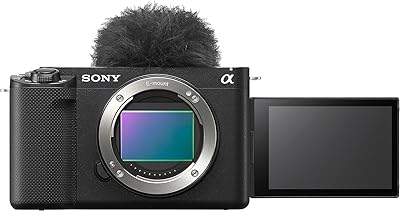
Sony ZV-E1
Sony ZV-E1
78%
94%
Video Quality
92%
Autofocus Reliability
91%
Image Stabilization
89%
Low-Light Performance
78%
Build Quality & Ergonomics
More
Sony Alpha 7CR Full-Frame Mirrorless Camera
78%
97%
Image Resolution & Detail
88%
Autofocus Performance
91%
In-Body Image Stabilization
93%
Dynamic Range
84%
Body Size & Portability
More
Sony Alpha 7R III Mirrorless Camera
78%
96%
Image Quality
91%
Autofocus Performance
89%
Build Quality & Ergonomics
53%
Battery Life
58%
Menu System & Usability
More
Sony a7 III
Sony a7 III
83%
93%
Autofocus Performance
91%
Low-Light & High-ISO Quality
92%
Image Quality & Dynamic Range
84%
Battery Life
81%
Video Capabilities
More
Sony a7R II Full-Frame Mirrorless Camera
85%
93%
Image Quality
91%
Autofocus Performance
89%
Video Quality (4K)
90%
Build Quality & Durability
78%
Ease of Use
More
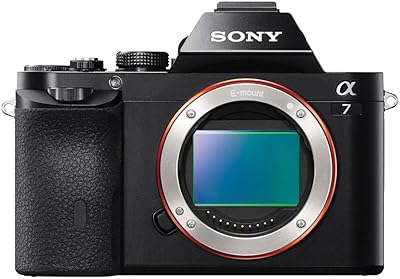
Sony a7 Full-Frame Mirrorless Camera Body
84%
91%
Image Quality
94%
Autofocus Performance
88%
Build Quality
72%
Battery Life
85%
Ease of Use
More
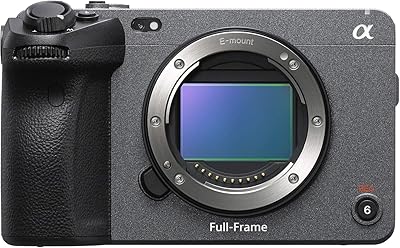
Sony FX3 Full-Frame Cinema Camera
80%
93%
Autofocus Reliability
94%
Image Quality & Dynamic Range
91%
Color Science (S-Cinetone)
89%
Video Codec & Recording Options
82%
Thermal Management & Recording Limits
More
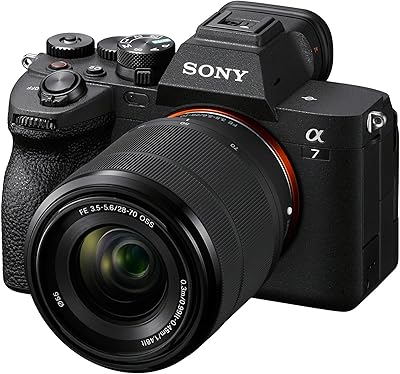
Sony Alpha 7 IV
Sony Alpha 7 IV
80%
94%
Autofocus Performance
92%
Image Quality
89%
Video Capabilities
83%
In-Body Image Stabilization
58%
Battery Life
More

FAQ

If you already own Sony E-mount or FE-mount lenses, they will work natively without any adapter. The 7R IV uses the same Sony E-mount as every other Alpha mirrorless body, so your current glass, batteries, and accessories carry straight over.

Uncompressed RAW files from this 61MP sensor typically land between 80MB and 120MB each. If your machine is more than a few years old or has less than 32GB of RAM, you may notice sluggish performance in Lightroom or Capture One. It is worth stress-testing your editing setup before committing, or budgeting for a RAM upgrade alongside the camera.

You will want UHS-II rated SD cards for both slots to avoid bottlenecking the buffer during continuous shooting. Cards with a V90 video speed class rating are ideal if you plan to shoot 4K or rapid bursts. Slower UHS-I cards technically work but will noticeably slow down file writing and buffer recovery.

It handles 4K video competently, and the Eye AF works well in video mode too. But if video is a significant part of your workflow rather than an occasional add-on, you will likely feel constrained — there is no 4K at 60fps, and the recording time has limits. Photographers who shoot video on the side will be fine; dedicated videographers or serious hybrid shooters should look at bodies built with video as a higher priority.

It is a genuine limitation, and experienced users are candid about it. A full day of outdoor shooting will typically drain one battery well before the session ends, especially if you use the EVF heavily. Most working photographers who rely on this body in the field carry two to three spare NP-FZ100 batteries as standard practice. The upside is that the body charges via USB-C, so a power bank can extend your shooting time in a pinch.

Yes, and it is one of the more impressive aspects of the camera given its resolution. Real-time Eye AF locks onto human and animal subjects quickly and holds tracking through moderate movement very well. It is not a sports-first AF system, and extremely fast or erratic movement can cause occasional hunting, but for wildlife at moderate distances and portrait sessions with active subjects, it performs reliably.

The 5-axis in-body stabilization makes a real practical difference for handheld shooting, particularly with wider lenses and in the moderate telephoto range. Many users report sharp results two to four stops below what they would normally need without stabilization. For very long telephoto lenses above 200mm or for maximum sharpness in critical studio or landscape work, a sturdy tripod is still the better choice.

The 5.76 million dot OLED EVF is consistently described by users as one of the best available on any mirrorless body, and the transition from an optical viewfinder is smoother than many DSLR users expect. The added benefit is exposure preview in real time — you see the effect of your settings before you shoot, which is genuinely useful. In very bright sunlight, it can appear slightly dim to some users, but under normal conditions it is excellent.

The magnesium alloy body has dust and moisture resistance sealing, and it holds up well during light rain, mist, and dusty outdoor environments. It is not rated for submersion or heavy rain, and Sony does not publish a formal IP rating for this body. For typical landscape and outdoor commercial work, the sealing is reliable — just pair it with similarly sealed lenses for the best protection.

The core difference is resolution — at 61MP, Sony's high-resolution mirrorless sits well above the Z7 II at 45.7MP and the R5 at 45MP, which matters for large prints and aggressive cropping. The Canon R5 has the edge for video and in some continuous shooting scenarios. The Nikon Z7 II is often praised for in-body stabilization strength. For pure still image resolution and autofocus maturity, the 7R IV is hard to beat in its class, though the larger file size is the trade-off you accept.

Where to Buy