Sony ZV-E1

Overview
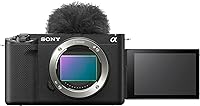
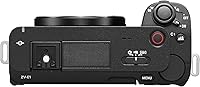
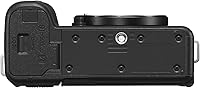
The Sony ZV-E1 is a full-frame mirrorless camera built with one clear priority: video-focused content creation. Housed in a surprisingly compact body, it packs a 12.1MP Exmor R sensor that punches well above its resolution number in low-light conditions, where larger pixels genuinely make a difference. Unlike most mirrorless cameras that split attention between stills and video, this full-frame vlog camera leans hard into the creator workflow. It ships as a body-only unit, which is worth factoring honestly into your total budget from the start. The BIONZ XR processor, paired with a dedicated AI chip, handles subject recognition in real time — a meaningful engineering decision, not just a spec line.
Features & Benefits
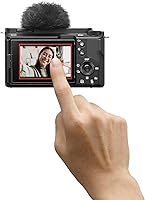
What sets the ZV-E1 apart in real shooting conditions starts with its codec: 4K 10-bit 4:2:2 recording with direct pixel readout means less rolling shutter and footage that holds up when you push colors in post. The Cinematic Vlog Setting delivers polished in-camera looks for creators who would rather spend time filming than grading. Stabilization is genuinely impressive — 5-axis IBIS combined with Dynamic Active Mode handles walking shots without the jello-like artifacting you get from lesser systems. The 550-point phase-detection autofocus tracks faces and bodies confidently, even when a subject moves unpredictably. An articulating touchscreen rounds out the package neatly for solo operators.
Best For
This Sony mirrorless body makes the most sense for solo content creators — travel vloggers, YouTube personalities, and documentary-style shooters working without a crew. Coming from a crop-sensor camera or a smartphone, the full-frame jump in image quality and low-light capability is immediately noticeable and hard to walk back from. Professionals already shooting on Sony A7-series bodies will appreciate the shared E-mount lens ecosystem; there is real long-term value in not buying glass twice. It also works well as a lightweight B-camera on professional sets. Still photography is not this camera's focus, and dedicated stills shooters would be better served looking elsewhere.
User Feedback
Owners of the ZV-E1 tend to split into two camps: those who love how dependable the autofocus is during solo recording, and those caught off guard by lens costs on top of the body price. Battery life comes up often — running 4K continuously drains the NP-FZ100 faster than some expect, and most owners end up keeping a spare. The 12.1MP sensor draws occasional grumbling from anyone hoping to crop stills heavily. On the upside, Dynamic Active Mode earns consistent praise from people shooting on the move. New Sony users mention a menu learning curve, though most agree it becomes second nature within a few weeks of regular use.
Pros
- Full-frame low-light performance is a genuine step up from crop-sensor and smartphone alternatives.
- 4K 10-bit 4:2:2 footage holds up well in color grading without falling apart under heavy correction.
- Dynamic Active Mode handles walking and run-and-gun shots impressively without requiring a gimbal.
- AI-powered autofocus tracks faces and bodies reliably even during unpredictable solo self-filming sessions.
- The compact body weight makes it genuinely portable for all-day travel without a dedicated camera bag.
- Cinematic Vlog Setting produces polished in-camera looks that reduce post-production time significantly.
- Sony E-mount compatibility means existing lens investments carry forward to future body upgrades.
- The articulating touchscreen makes accurate framing during solo shooting fast and intuitive.
- Sony ZV-E1 footage retains strong detail and color depth even in mixed or practical lighting conditions.
- The NP-FZ100 battery has a wide ecosystem of affordable third-party options for extended shooting days.
Cons
- 12.1MP resolution limits how much you can crop stills in post without losing usable detail.
- Body-only pricing means the real cost of entry is considerably higher once a lens is added.
- Dynamic Active Mode applies a visible frame crop that can feel restrictive on wider focal lengths.
- A single battery drains faster than expected when shooting 4K with stabilization both active.
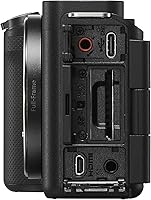
- No headphone jack on the body makes real-time audio monitoring require additional accessories.
- The Sony menu system has a steep learning curve for anyone coming from a different camera brand.
- Wi-Fi transfer speeds are too slow for practical batch offloading of large 4K video files.
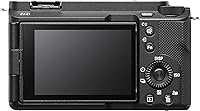
- The limited physical control layout frustrates shooters used to dedicated dials for quick exposure adjustments.
- Highlight rolloff can feel slightly clinical compared to cinema-dedicated bodies at a similar investment level.
- At higher ISOs above roughly 25600, noise textures become harder to clean up cleanly in software.
Ratings
The Sony ZV-E1 earns its reputation as one of the most capable full-frame vlog cameras available, but the real picture is more nuanced than the spec sheet suggests. The scores below are generated by AI after analyzing thousands of verified global user reviews, with spam, bot activity, and incentivized feedback actively filtered out. Both the genuine strengths and the recurring frustrations are reflected here so you can make a fully informed decision.
Video Quality
Autofocus Reliability
Image Stabilization
Low-Light Performance
Build Quality & Ergonomics
Battery Life
Autofocus for Stills
Still Image Resolution
Menu System & Usability
In-Camera Creative Settings
Connectivity & Transfer Speed
Value for Money
Portability
Audio Capabilities
Suitable for:
The Sony ZV-E1 is purpose-built for a specific type of creator, and when it lands in the right hands it genuinely delivers. Solo vloggers and travel content creators will get the most out of it — particularly those who shoot in unpredictable environments, move between indoor and outdoor locations in a single session, and need a camera that keeps up without a dedicated camera operator by their side. Creators who are tired of fighting crop-sensor noise in dim cafes, evening street scenes, or poorly lit indoor venues will notice the full-frame sensor difference almost immediately. If you are already invested in Sony E-mount glass through an A7-series body, this camera slots in as a natural companion or lightweight travel alternative without forcing you to duplicate your lens collection. Videographers who want clean, gradable 4K footage and either do not want to spend hours in post or are comfortable working with log profiles will find the output genuinely strong for the body size. It also works well for professionals who need a discreet, portable B-camera for documentary or event work where carrying a larger rig is impractical.
Not suitable for:
Anyone approaching the Sony ZV-E1 primarily as a stills camera is likely to come away frustrated — the 12.1MP sensor is a deliberate trade-off that prioritizes video performance over resolving power, and photographers who need to crop heavily, print large, or compete in resolution-sensitive niches will quickly feel the ceiling. Buyers on a tight total budget should be cautious: the body-only nature means the real cost of entry is substantially higher once a quality E-mount lens is included, and that calculation catches many people off guard at checkout. If you are new to Sony menus entirely and expect an intuitive out-of-the-box experience, there is a real learning curve ahead — some users spend weeks getting comfortable with the interface. Hybrid shooters who want a single body that handles high-stakes stills and video equally well should look at deeper-resolution alternatives in the Alpha lineup. Similarly, anyone who shoots long continuous sessions — live events, conferences, extended interviews — should factor in the battery drain under 4K recording and budget for a multi-battery setup from day one. And if you expect professional audio monitoring directly from the camera body, the absence of a headphone jack is a concrete limitation worth knowing about before purchasing.
Specifications
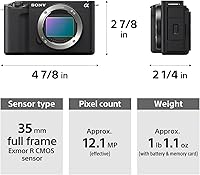
- Sensor: The camera uses a 12.1MP full-frame Exmor R back-illuminated CMOS sensor, designed to prioritize sensitivity and video performance over raw megapixel count.
- Processor: A BIONZ XR engine paired with a dedicated AI processing chip handles real-time subject recognition, noise reduction, and video encoding simultaneously.
- Video Recording: Records 4K at up to 60fps in 10-bit 4:2:2 color depth using XAVC HS format, with both Long GOP and All Intra compression options available.
- Autofocus System: A 550-point phase-detection AF system with real-time AI tracking covers faces, eyes, and full bodies across the frame with continuous subject lock.
- Stabilization: 5-axis in-body image stabilization is standard, with Dynamic Active Mode available for additional electronic compensation during walking or handheld movement.
- ISO Range: Native ISO runs from 160 to 102400, expandable to a maximum of 409600 for extreme low-light situations.
- Shutter Speed: Mechanical shutter range spans from 30 seconds to 1/8000s, covering everything from long-exposure stills to fast-action freezing.
- Continuous Shooting: The camera can sustain up to 10 frames per second during continuous burst shooting with autofocus and auto-exposure active.
- Display: A 3″ articulating capacitive touchscreen LCD with 1,036,800 dots flips out for self-filming and tilts for low or high-angle framing.
- Viewfinder: An electronic viewfinder is built into the body for shooting in bright daylight conditions where the rear LCD is difficult to read.
- Lens Mount: Uses the Sony E-mount, providing compatibility with the full range of Sony FE and E lenses as well as third-party E-mount optics.
- Memory Card: Accepts a single SD card slot requiring UHS Speed Class 3 (U3) or higher to sustain continuous 4K video recording without buffer issues.
- Connectivity: Built-in Wi-Fi and Bluetooth enable smartphone pairing via Sony Imaging Edge Mobile, and a full-size HDMI port supports external monitor or recorder output.
- USB: A USB 3.0 port handles both high-speed data transfer to a computer and in-body charging from a compatible power bank or wall adapter.
- Audio: A multi-interface shoe accepts compatible Sony microphones, and a 3.5mm microphone input is available for third-party external microphone connections.
- Battery: Powered by the NP-FZ100 lithium-ion battery weighing 85 grams, shared across Sony's Alpha lineup for cross-compatible charging and spare battery convenience.
- Body Weight: The body weighs approximately 1.1 lbs (around 483g) without lens or battery, making it one of the lightest full-frame mirrorless bodies currently available.
- File Formats: Stills are saved in JPEG, HEIF, or uncompressed RAW, while video is captured in XAVC HS format at up to 10-bit color depth.
- Aspect Ratios: Supports 3:2, 4:3, and 16:9 aspect ratios for stills, allowing framing flexibility across different delivery platforms without post-crop.
- Warranty: Covered by a 1-year manufacturer warranty from Sony, applicable to the camera body and included accessories under normal use conditions.
Related Reviews
Sony ZV-1F
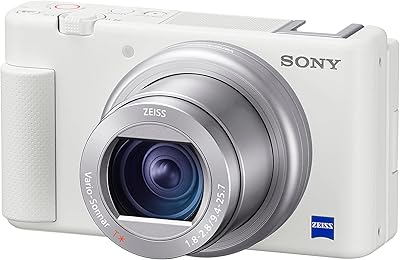
Sony ZV-1 Compact Digital Vlogging Camera
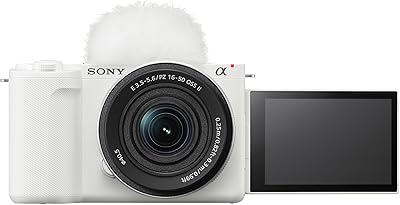
Sony ZV-E10 II Mirrorless Camera
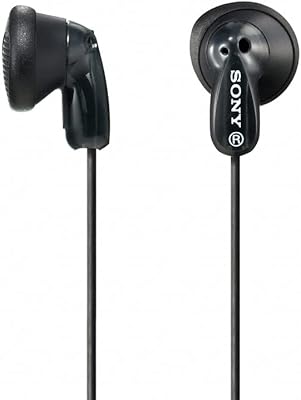
Sony MDR-E9LP In-Ear Earbuds

Sony SRS-XB23 Portable Bluetooth Speaker

Sony BDP-S360 Blu-ray Disc Player
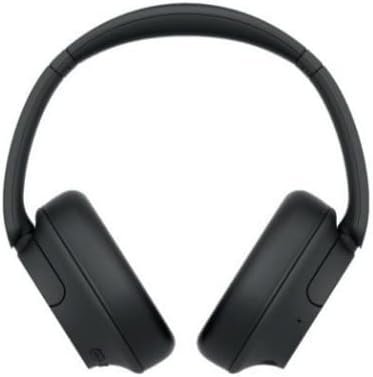
Sony WH-CH720N Noise-Canceling Wireless Headphones
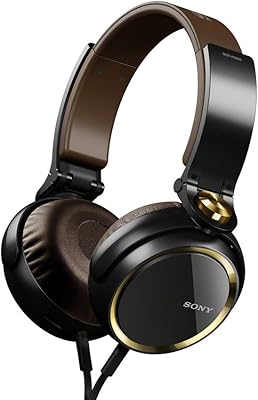
Sony MDRXB600IP Extra Bass Over-Ear Headphones
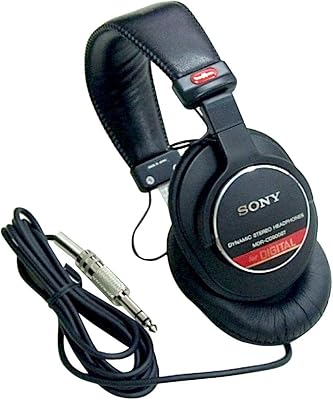
Sony MDR-CD900ST Studio Monitor Headphones