Overview

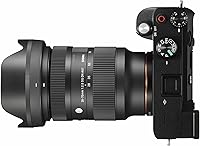
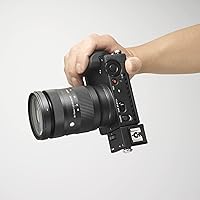
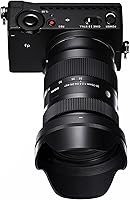
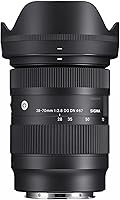
The Sigma 28-70mm F2.8 DG DN Zoom Lens arrived in early 2021 and quickly caught the attention of Sony E-mount shooters who wanted a fast standard zoom without the weight and cost of the G Master. It sits in an interesting spot — not quite a budget lens, but meaningfully more accessible than Sony's own 24-70mm f/2.8. Build quality is immediately impressive for this price class; the barrel feels solid and purposeful in hand without adding unnecessary bulk to a mirrorless kit. That said, this is an everyday workhorse zoom, not a prime replacement. Expect versatility and convenience rather than absolute optical perfection at every focal length and aperture.
Features & Benefits

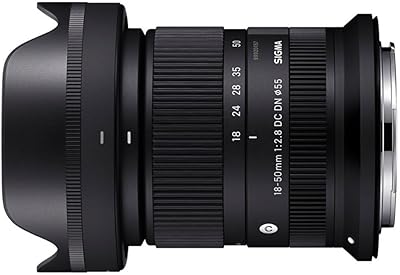
What sets this Sigma zoom apart from other zooms in its class is the constant f/2.8 aperture held across the entire range — no stopping down as you reach 70mm, which matters a lot when shooting in mixed or low light. The internal focusing design keeps the barrel length fixed whether you're at 28mm or 70mm, which helps with balance on a gimbal and maintains any front filter or polarizer orientation. Sigma's Nano Porous Coating does real work suppressing flare in backlit situations. The stepping motor autofocus is notably quiet, making it a practical choice for video work. A physical AF/MF switch on the barrel rounds things out nicely.

Best For

The 28-70 f/2.8 makes the most sense for travel and street photographers who want a single capable lens without the fatigue of carrying heavy glass all day. Sony A7 and A9 series users cross-shopping against the G Master will find this lens covers the vast majority of real-world shooting needs at a noticeably lower weight and price. Video shooters will appreciate the quiet motor and stable barrel for gimbal or handheld rigs. Event and documentary photographers who shift between dim interiors and bright outdoor situations will also get a lot out of the constant aperture. It's an especially strong upgrade from any kit lens.

User Feedback

Owners consistently praise center-frame sharpness and the lens's noticeably low weight for an f/2.8 zoom — most say it changes how much they're willing to carry on a long day out. The build quality earns genuine appreciation too, feeling more substantial than the price might suggest. On the critical side, edge sharpness at 28mm wide open is a recurring complaint; stopping down to f/4 largely resolves it, but it's worth knowing going in. Autofocus is fast and dependable in good light, though a handful of users note occasional hunting in very low contrast conditions. Mild barrel distortion at 28mm is real but corrects automatically in-camera or in Lightroom. Bokeh is smooth for a zoom, though prime lens rendering it is not.

Pros

  • Constant f/2.8 aperture across the full zoom range keeps exposure consistent in changing light.
  • At roughly 470g, this Sigma zoom is significantly lighter than most competing f/2.8 standard zooms.
  • Center-frame sharpness is genuinely impressive and holds up well across focal lengths.
  • The internal focusing design keeps the barrel stable, which is a real practical benefit on a gimbal.
  • Stepping motor autofocus is quiet enough for video work without noticeable noise bleed in audio.
  • Nano Porous Coating noticeably reduces flare and ghosting in backlit or high-contrast shots.
  • A physical AF/MF switch on the barrel saves time in fast-moving shooting situations.
  • Build quality feels premium and durable without adding bulk to a travel or street kit.
  • Mild distortion at 28mm corrects automatically in-camera or with standard software profiles.
  • Bokeh from the 9-blade rounded aperture is smooth and natural for a zoom lens of this class.

Cons

  • Edge and corner sharpness at 28mm wide open is a recurring complaint among real-world users.
  • The focal range starts at 28mm, which may feel slightly tight for environmental or architectural work.
  • No official weather-sealing rating, which is a concern for photographers who shoot in rain or dust.
  • Autofocus can hunt or hesitate in very low contrast or flat-light conditions.
  • The 28-70mm range offers less versatility than alternatives like a 24-105mm for travel photographers who want more reach.
  • Distortion at the wide end, while correctable, is visible in uncorrected raw files.
  • The lens is designed exclusively for Sony E-mount, with no cross-platform flexibility.
  • Bokeh, though pleasant, does not match the subject separation quality of dedicated fast primes.

Ratings

The scores below reflect AI-driven analysis of verified global user reviews for the Sigma 28-70mm F2.8 DG DN Zoom Lens, with spam, bot-generated, and incentivized feedback actively filtered out before scoring. Each category is evaluated on real-world shooting experiences from thousands of buyers across travel, street, event, and video use cases. Both standout strengths and genuine pain points are represented transparently so you can make a fully informed decision.

Optical Sharpness
83%
Center-frame sharpness earns consistent praise from users shooting everything from street portraits to indoor events. At f/2.8, subjects in the middle of the frame render with clean, well-defined detail that holds up well in print and on high-resolution screens.
Edge and corner sharpness at 28mm wide open is a recurring complaint, and it is the most cited optical weakness across user reviews. Stopping down to f/4 or f/5.6 largely resolves it, but photographers shooting architecture or landscapes who need sharp corners wide open will notice the trade-off.
Autofocus Performance
79%
21%
In typical shooting conditions — indoor events, street photography, even moving subjects in reasonable light — the autofocus is fast, confident, and consistent. Users on Sony A7 IV and A9 bodies in particular report excellent subject tracking with smooth, predictable acquisition.
In very low contrast or flat-light scenarios, occasional hunting has been flagged by multiple users, which can be frustrating when timing matters. The AF is not quite on the level of Sony G Master glass in these edge cases, and sports or wildlife shooters with demanding AF needs may feel that gap acutely.
Build Quality
88%
The barrel feels solid and purposeful in hand — not plasticky or hollow like some third-party lenses at this price level. Multiple users note that after months of regular use, there is no noticeable wobble in the zoom or focus rings, which speaks well to long-term durability.
The absence of an official weather-sealing rating is a real omission at this price point, and several users expressed frustration after discovering this. For photographers who shoot in light rain or dusty environments, the lack of confirmed protection is a genuine risk worth weighing carefully.
Weight & Portability
93%
At roughly 470g, this is one of the lightest constant f/2.8 standard zooms available for Sony full-frame, and users regularly mention how much it changes their willingness to bring a fast zoom on travel days or long shoots. Paired with an A7C or similar compact body, the overall kit remains genuinely pocketable compared to alternatives.
A small number of users who upgraded from Sony G Master glass noted that while lighter, the slightly less premium tactile feel of the zoom ring is noticeable. It is a minor complaint, but those accustomed to higher-end barrels may perceive a subtle difference in damping quality.
Value for Money
91%
Relative to the Sony 24-70mm G Master, this lens delivers an impressive share of the optical and autofocus performance at a significantly lower cost, and buyers frequently describe it as the smartest value decision in the Sony f/2.8 zoom category. For photographers who do not need the last few percent of G Master performance, the value proposition is hard to argue with.
The Tamron 28-75mm G2 competes at a similar or lower price and adds slightly more reach at the long end, which some buyers feel makes the 28-70 f/2.8 a harder sell than it appears at first glance. Users who purchased without comparing to the Tamron sometimes expressed mild regret upon discovering the price differential.
Video Performance
86%
The stepping motor autofocus is quiet enough to avoid audio bleed in most recording situations, and the internal zoom design keeps weight distribution stable on a gimbal throughout the focal range. Video shooters working on documentary and event content consistently rate it highly for practical usability.
A handful of video users noted occasional focus breathing — slight changes in field of view during focus pulls — which can be distracting in controlled video productions. It is not extreme, but dedicated video shooters accustomed to cine lenses will notice it in certain scenarios.
Bokeh Quality
77%
23%
For a zoom lens, the nine rounded aperture blades produce a pleasing, smooth out-of-focus rendering that works well for portrait and lifestyle shooting. Background separation at 70mm f/2.8 is genuinely attractive, and users coming from kit lenses are often pleasantly surprised by the subject isolation they can achieve.
Against dedicated fast primes, the bokeh lacks the same three-dimensional quality and smoothness, which is expected but still worth noting for buyers with specific portrait-focused expectations. At the wider end of the zoom range, subject separation is more limited and the transition between sharp and blurred areas is less defined.
Flare & Ghosting Resistance
82%
18%
Sigma's Nano Porous Coating does meaningful work when shooting toward bright windows, streetlights, or the sun at the edge of frame — situations where cheaper lenses fall apart quickly. Users shooting backlit street scenes or indoor events near bright fixtures report that contrast holds up better than expected.
In extreme direct backlit conditions, some ghosting still appears, particularly at wider apertures. A few users noted that strong point light sources at 28mm can still produce visible artifacts that require some post-processing work to clean up.
Distortion Control
71%
29%
For most shooting scenarios, automatic in-camera correction handles the barrel distortion at 28mm transparently, and JPEG shooters will rarely notice any issue at all. Raw shooters using Lightroom or Capture One also benefit from automatic correction profiles that apply with no manual input required.
In uncorrected raw files, barrel distortion at 28mm is clearly visible and more pronounced than some users anticipated for a lens in this price range. Photographers who regularly shoot architecture or precise geometric subjects and prefer to handle distortion manually in post will find it requires consistent attention.
Low-Light Capability
85%
The constant f/2.8 aperture is a practical asset when shooting in dimly lit restaurants, evening street scenes, or indoor venues where flash is restricted. Users consistently highlight this as one of the most tangible real-world upgrades compared to the variable-aperture kit zooms they replaced.
While f/2.8 is genuinely useful, it still falls short of a dedicated 35mm or 50mm f/1.4 prime for truly demanding low-light work. Users who regularly shoot in very dark environments — nightlife, concerts without flash — may find they still need to push ISO higher than expected at the wide end.
Handling & Ergonomics
84%
The physical AF/MF switch on the barrel is one of those small design choices that earns genuine appreciation from users who switch between modes frequently in the field. The zoom and focus rings move smoothly without being loose, and the overall balance on mid-sized Sony bodies feels natural for extended handheld shooting.
The zoom ring direction and resistance level divide opinion slightly — a small number of users find the rotation direction unintuitive compared to native Sony lenses, which can cause brief hesitation during fast shooting situations. The grip texture, while adequate, is not as refined as what you find on first-party Sony glass.
Minimum Focus Distance
76%
24%
The 19cm minimum focus distance at the wide end allows for fairly close subject work that goes beyond what many standard zooms offer, which is useful for food, detail, and product photography alongside its general-purpose role. Users appreciate not needing a macro lens for casual close-up shots.
At the telephoto end, the minimum focus distance extends to 38cm, which limits close-up versatility when zoomed in. Users who need tight framing on small subjects at longer focal lengths have noted this as a frustrating constraint in practice.
Compatibility & Integration
89%
As a mirrorless-native DN series design, this lens integrates cleanly with Sony full-frame bodies without any adapter-related compromises in autofocus speed or EXIF data accuracy. Firmware update support through Sony bodies has also been reliable, keeping the lens current with newer body AF features.
The lens is Sony E-mount only, with no Leica L-mount or other variant available, which limits its audience strictly to the Sony ecosystem. Photographers who shoot across multiple systems or are considering switching platforms in the future will not be able to carry this investment forward.

Suitable for:

The Sigma 28-70mm F2.8 DG DN Zoom Lens is a strong match for Sony E-mount photographers who want a fast, versatile zoom they can realistically carry all day without fatigue. Travel shooters will particularly appreciate the compact form factor — it pairs well with bodies like the A7C or A7 IV without tipping the balance toward a heavy, professional-grade kit. Street photographers benefit from the constant f/2.8 when light drops unexpectedly, while the internal focusing keeps handling predictable and clean. Video creators working with gimbals or run-and-gun setups will find the quiet stepping motor autofocus and fixed barrel length genuinely useful in practice. It also makes a compelling first serious lens for Sony shooters upgrading from a kit zoom, offering a real jump in low-light capability and overall optical quality without requiring a G Master budget.

Not suitable for:

Photographers who demand absolute edge-to-edge sharpness wide open will find the Sigma 28-70mm F2.8 DG DN Zoom Lens comes with a real compromise — corner softness at 28mm f/2.8 is a known limitation, and while stopping down helps, it does not fully disappear. Shooters who regularly work at the wider end of a standard zoom, and care deeply about technically clean frames from corner to corner, may be better served by a prime or the Sony 24-70mm G Master despite the significant price premium. Those needing weather sealing comparable to professional-grade Sony lenses should also temper expectations; the build is solid but not rated for heavy weather exposure. Wildlife or sports photographers who rely on a longer reach will find 70mm limiting, and the lens does not extend toward telephoto territory the way a 24-105mm or 24-200mm would. Finally, anyone shooting in very low contrast conditions — foggy scenes, plain skies — may encounter occasional autofocus hesitation that could be frustrating in critical moments.
Specifications

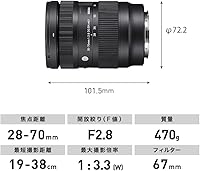
  • Focal Length: This lens covers a 28–70mm zoom range, suitable for full-frame Sony E-mount cameras.
  • Max Aperture: The maximum aperture is a constant f/2.8, maintained at every focal length across the zoom range.
  • Lens Mount: Designed exclusively for Sony E-mount, covering full-frame 35mm format sensors.
  • Optical Design: The lens uses 13 elements arranged in 11 groups, with Nano Porous Coating applied to suppress flare and ghosting.
  • Aperture Blades: Nine rounded aperture blades produce smooth, circular bokeh at wider aperture settings.
  • Focus System: Internal focusing keeps the physical barrel length fixed during autofocus operation, which benefits balance and filter use.
  • Autofocus Type: A stepping motor (STM-style) drives autofocus, optimized for quiet and smooth operation suitable for video recording.
  • Focus Switch: A physical AF/MF switch is mounted on the lens barrel for quick toggling between autofocus and manual focus modes.
  • Min Focus Distance: Minimum focus distance is approximately 19cm at the wide end and 38cm at the telephoto end.
  • Filter Thread: The front element accepts 67mm screw-in filters, including polarizers and ND filters.
  • Weight: The lens weighs approximately 470g (1.04 lbs), making it notably compact for a constant f/2.8 zoom.
  • Dimensions: The lens measures approximately 3.94 inches in length and 2.83 inches in diameter.
  • Weather Sealing: The lens does not carry an official IP or splash-resistance rating, though the build quality is considered solid for its class.
  • Zoom Type: This is an internal-zoom design, meaning the barrel does not extend or rotate externally during zooming.
  • Compatibility: Compatible with Sony full-frame E-mount bodies including the A7, A7R, A7S, A9, and A1 series.
  • Manufacturer: Made by Sigma under their DN (mirrorless-native) series, designed specifically for compact mirrorless systems rather than adapted from DSLR optics.

Related Reviews
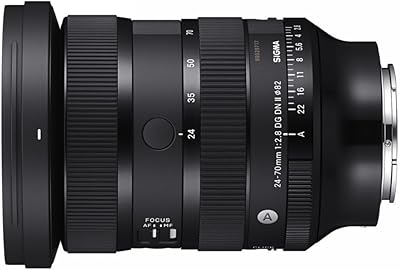
Sigma 24-70mm F2.8 DG DN II Lens
82%
93%
Optical Sharpness
84%
Autofocus Performance
88%
Build Quality
86%
Weather Sealing
71%
Value for Money
More
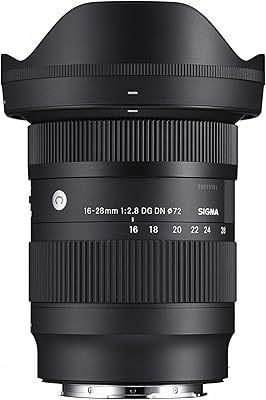
Sigma 16-28mm F2.8 DG DN Wide-Angle Lens
81%
91%
Optical Sharpness
74%
Distortion Control
88%
Autofocus Performance
86%
Build Quality & Weather Resistance
89%
Size & Portability
More
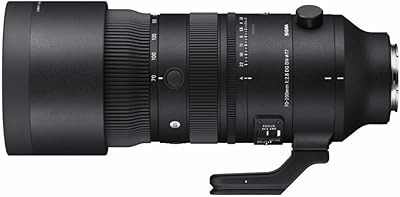
Sigma 70-200mm F2.8 DG DN OS Lens
84%
88%
Autofocus Speed
92%
Optical Image Quality
91%
Build Quality
87%
Weather Sealing
89%
Autofocus Noise
More
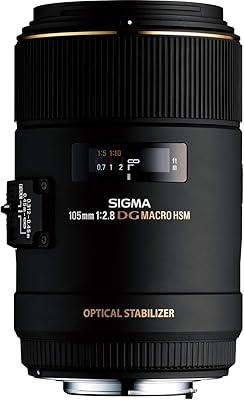
Sigma 105mm F2.8 EX DG OS HSM Macro Lens for Canon
85%
88%
Autofocus Performance
92%
Sharpness and Image Quality
89%
Optical Stabilization (OS)
87%
Build Quality
85%
Ease of Use
More
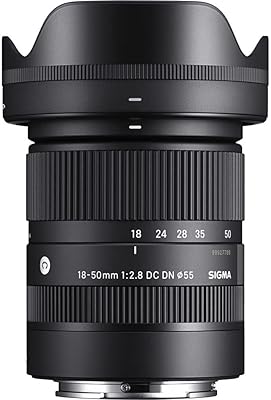
Sigma 18-50mm F2.8 DC DN Zoom Lens
81%
88%
Autofocus Performance
83%
Optical Sharpness
81%
Build Quality
94%
Size & Portability
86%
Low-Light Performance
More
Sigma 18-50mm F2.8 DC DN Zoom Lens
84%
88%
Optical Sharpness
91%
Autofocus Performance
74%
Build Quality & Handling
86%
Value for Money
93%
Portability & Size
More
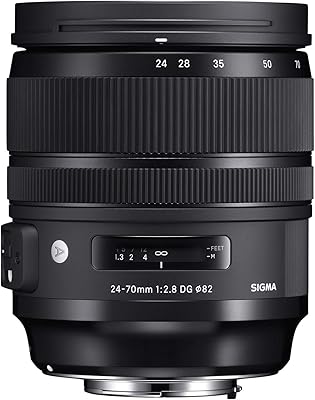
Sigma 24-70mm f/2.8 Art Zoom Lens
79%
91%
Optical Sharpness
83%
Autofocus Performance
84%
Image Stabilization
72%
Build Quality
78%
Value for Money
More
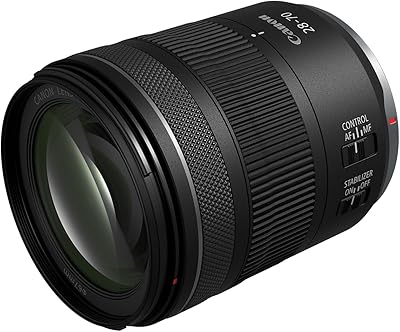
Canon RF 28-70mm F2.8 IS STM Lens
81%
91%
Image Sharpness
67%
Autofocus Performance
88%
Build Quality & Durability
76%
Image Stabilization
94%
Size & Portability
More
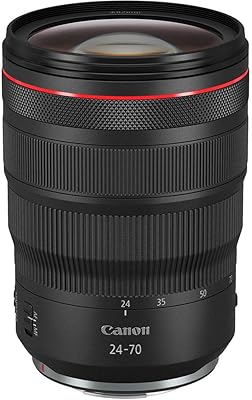
Canon RF 24-70mm F2.8 L Zoom Lens
84%
96%
Optical Sharpness
93%
Autofocus Performance
91%
Image Stabilization
94%
Build Quality & Weather Sealing
92%
Aperture Consistency
More
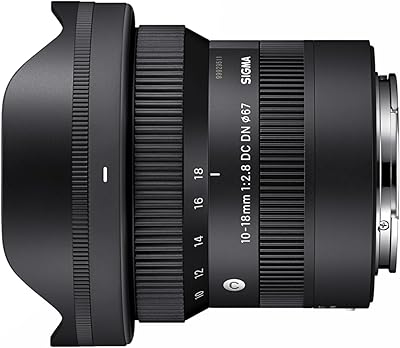
Sigma 10-18mm F2.8 DC DN Zoom Lens
81%
84%
Optical Sharpness
91%
Aperture Performance
67%
Distortion & Correction
79%
Autofocus Speed & Accuracy
88%
Video Suitability
More

FAQ

Yes, it will physically mount and function on APS-C Sony E-mount bodies, but the lens is designed for full-frame sensors. On an APS-C body you will get a cropped field of view equivalent to roughly 42–105mm, which may or may not suit your shooting style.

Both are strong options in the same general category, but they differ in meaningful ways. The Tamron extends to 75mm, giving slightly more reach, and its G2 version has strong optical performance. This Sigma zoom is notably lighter and more compact, which tends to win out for photographers who prioritize portability. Autofocus is competitive between the two; your choice may come down to weight and handling preferences.

There is no official weather-sealing rating on this lens. It is built solidly and handles normal shooting conditions well, but if you regularly shoot in rain, dust, or harsh environments, you would be better served by a lens with a confirmed weather-resistant construction.

In reasonably lit environments the AF is fast and confident. In very low contrast situations — think dimly lit plain walls or flat overcast skies — some users do report occasional hunting. For most everyday shooting, including indoor events and street photography at night, it performs reliably.

Yes. The front element does not rotate during focusing because of the internal focus design, which means a circular polarizer stays correctly oriented once you set it. The 67mm filter thread is a common size and easy to find.

It works well for that use case. The stepping motor autofocus is quiet enough that it rarely bleeds into on-camera audio, and the fixed barrel length keeps the weight distribution stable on a gimbal. Many video shooters specifically choose this lens for run-and-gun work for exactly these reasons.

Barrel distortion at the wide end is present and visible in uncorrected raw files. In practice, most Sony bodies apply automatic lens correction profiles that handle it transparently in JPEG output, and Lightroom or Capture One will apply the correction profile automatically when shooting raw. It is rarely a problem in real-world use.

Not really for portraits, since you are typically focused on a subject in the center or mid-frame where sharpness is strong. Edge softness tends to matter more for architecture, landscapes, or any subject where detail across the full frame is critical. For portraits and general people photography, the wide-open performance is more than adequate.

Yes, Sigma includes a petal-style lens hood in the box. A soft pouch is also typically included. Neither item is exceptional in quality, but both are functional and serviceable for day-to-day use.

It performs consistently well across the current Sony full-frame lineup. On newer bodies like the A7 IV, the lens benefits from Sony's latest AF algorithms and real-time tracking, which noticeably improves subject acquisition speed. On older bodies it is still a solid performer, though you may see a slight difference in how quickly the AF locks in fast-moving scenes.

Where to Buy