Overview

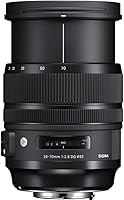
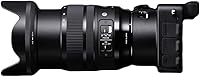
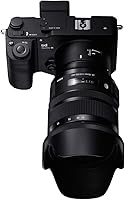
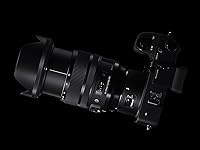
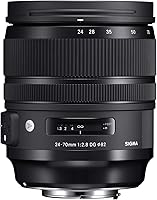
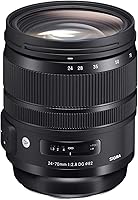
The Sigma 24-70mm f/2.8 Art Zoom Lens sits squarely in Sigma's professional Art lineup — a series built to compete with first-party glass, not merely imitate it. The 24-70mm range is one of the most practical focal lengths in photography, covering everything from wide environmental shots to flattering short-telephoto portraits without swapping glass. For Canon DSLR shooters, the elephant in the room is obvious: Canon makes its own 24-70 f/2.8L II, and it's excellent. But this Sigma Art zoom undercuts it meaningfully on price while adding something Canon's version doesn't — optical image stabilization. That alone changes the conversation. First available in 2012, it has aged well enough to remain a serious contender in any professional kit.
Features & Benefits

The constant f/2.8 aperture is the foundation everything else builds on — shoot at 24mm or 70mm and your exposure settings stay consistent, which matters enormously in fast-changing light. Sigma's built-in optical stabilization deserves honest praise here: it genuinely helps with handheld camera shake, particularly useful when shooting in dim reception halls or at slower shutter speeds. Just don't confuse it with subject-motion control. The HSM autofocus is quick and quiet enough for video work without distracting noise. Optically, the 19-element construction keeps chromatic aberration well controlled, and the 9-blade diaphragm renders out-of-focus backgrounds with the kind of smooth quality that holds up in large prints.

Best For

This third-party workhorse earns its keep across a surprisingly wide range of professional work. Wedding photographers will appreciate having a single lens that handles wide reception hall coverage and tight portrait framing without missing a moment. Documentary and photojournalists get the versatility to react quickly without changing glass mid-assignment. For video shooters, the stabilization pulls real weight during handheld b-roll. Enthusiasts stepping up from a kit zoom will find this 24-70 Art handles almost every situation they throw at it. If you shoot Canon DSLR and want one professional zoom that covers the bulk of your work, this is a genuinely strong answer.

User Feedback

Real-world owners of the 24-70 Art paint a consistent picture: center sharpness is excellent, and performance holds up well toward the longer end of the range. The OS system gets cited regularly as a practical advantage over Canon's native equivalent. That said, a few honest caveats are worth knowing. Size and weight catch people off guard — at just over two pounds, it feels heavier in the field than specs suggest. Some buyers have reported sample variation in sharpness, so testing yours promptly after purchase is sensible. Low-light autofocus for video can hunt occasionally. Overall durability seems solid, though the build leans more toward engineered plastic than machined metal.

Pros

  • Constant f/2.8 aperture delivers consistent exposure and background separation across the full zoom range.
  • Built-in optical stabilization is a genuine practical advantage over Canon's own 24-70 f/2.8L II.
  • Autofocus is fast and quiet, making it a comfortable choice for both stills and video work.
  • Optical sharpness holds up well across the focal range, especially from 50mm through 70mm.
  • The 9-blade rounded diaphragm produces smooth, natural-looking background blur in portraits and detail shots.
  • Priced meaningfully below Canon's native equivalent while delivering comparable real-world image quality.
  • The 24-70mm range functions as a highly practical single-lens solution for most professional shooting situations.
  • Chromatic aberration is well controlled for a zoom of this complexity, reducing post-processing time.
  • Long-term durability feedback from owners is generally positive for a lens in this price tier.

Cons

  • At roughly 36 ounces, this Sigma Art zoom is heavy enough to cause real fatigue during long handheld sessions.
  • Some buyers have reported sample variation in corner sharpness — testing immediately after purchase is strongly advised.
  • Autofocus can hunt in very low light during video recording, which is disruptive in quiet environments.
  • The build quality, while solid, leans on engineered plastic rather than the metal construction some expect at this price.
  • No weather sealing means shooting in rain or dusty conditions carries real risk to the lens.
  • The 82mm filter thread means filter accessories cost noticeably more than those for smaller-threaded lenses.
  • Stabilization helps with camera movement only — fast-moving subjects in low light still require a fast shutter speed.
  • Not compatible with Canon mirrorless R-system bodies without an adapter, which can affect autofocus reliability.
  • Barrel size makes this a bulky option for photographers who prefer a discreet or low-profile setup.

Ratings

The scores below reflect AI-driven analysis of verified global user reviews for the Sigma 24-70mm f/2.8 Art Zoom Lens, with spam, bot-submitted, and incentivized feedback actively filtered out before scoring. Each category captures both the genuine strengths owners celebrate and the real frustrations that surface after extended use. Nothing is glossed over — the numbers reflect what photographers actually experience in the field.

Optical Sharpness
91%
Center sharpness is consistently praised by owners shooting everything from wedding portraits to editorial journalism, with results holding up well across the zoom range. Performance noticeably strengthens from 50mm onward, and many users report that images hold detail cleanly even when cropped significantly in post.
A portion of buyers have flagged sample variation — some copies deliver softer corners wide open than others, which is frustrating at this price tier. Corner performance at 24mm and f/2.8 simultaneously is the most commonly cited weak point, requiring stopping down to f/5.6 for edge-to-edge consistency.
Autofocus Performance
83%
The HSM motor delivers fast, quiet locking for stills work — event and portrait photographers report confident tracking in moderately lit indoor venues without the racking or hesitation common in older third-party designs. The near-silent operation is also appreciated by video shooters working in quiet environments.
Low-light video autofocus is the most recurring pain point, with the lens occasionally hunting before settling on a subject. Continuous autofocus reliability during video recording lags behind what users expect at this price, and some photographers report switching to manual focus for critical video work as a result.
Image Stabilization
84%
Owners working handheld in dim reception halls or museum interiors consistently credit the OS system with rescuing shots they could not have captured otherwise. The stabilization is frequently cited as a decisive advantage over Canon's native equivalent, which lacks it entirely, and it makes a tangible difference at slower shutter speeds for static subjects.
The stabilization only addresses camera shake — it does nothing for subject movement, and some buyers initially overestimate its scope. A handful of users report that OS engagement occasionally introduces a subtle jitter at the moment of activation, requiring a brief pause before shooting for best results.
Build Quality
72%
28%
The overall structure feels dense and well-assembled in hand, and long-term owners generally report no mechanical degradation in zoom or focus rings after years of regular use. The barrel tolerances are tight with minimal zoom creep, which is appreciated by photographers who carry the lens pointed downward.
The primary complaint is that the construction leans heavily on engineered plastic rather than the metal chassis buyers expect at a professional price point. There is no weather sealing, which limits confidence in rain or dusty conditions and puts this lens behind competing options that offer environmental protection in the same segment.
Value for Money
78%
22%
Against Canon's own 24-70 f/2.8L II, the 24-70 Art undercuts on price while adding optical stabilization, making the value case genuinely compelling for working photographers who shoot in mixed or challenging light. For enthusiasts stepping up from kit glass, the optical quality per dollar is hard to argue with.
At its asking price, the absence of weather sealing and the reported sample variation are harder to accept than they would be at a lower tier. A small but vocal group of buyers feel the build quality does not fully match the premium positioning, and the cost of 82mm filters adds an unexpected ongoing expense many do not factor in upfront.
Portability & Handling
58%
42%
The zoom ring action is smooth and well-damped, and the focus ring responds predictably for manual adjustments during video. Photographers already accustomed to professional zoom lenses find the balance point on a mid-sized DSLR body reasonably comfortable for short to moderate sessions.
At roughly 36 ounces, this third-party workhorse is one of the heavier options in its class, and buyers upgrading from lighter primes or kit lenses frequently describe being caught off guard by the real-world heft. Extended handheld event shooting over four or more hours can make the weight genuinely tiring without a monopod or supportive strap.
Bokeh Quality
86%
The nine-blade rounded diaphragm produces background separation with smooth, circular highlights that hold up well in portrait work and close-environmental shots. Owners shooting wide-open at 70mm particularly praise how backgrounds dissolve without the harsh geometric edges sometimes seen in older zoom designs.
At wider focal lengths the bokeh character becomes slightly busier, with some onion-ring texture visible in specular highlights when examined closely. This is a minor complaint in practice but is worth noting for photographers whose work demands pristine background rendering at every focal length.
Low-Light Performance
82%
18%
The constant f/2.8 aperture keeps the lens competitive in low-light scenarios like candlelit ceremonies or dimly lit editorial environments, and paired with the OS, many owners can push to slower shutter speeds than they could with a non-stabilized alternative. The results at f/2.8 in real indoor event conditions are consistently well-received.
When pushed to its limits in very dim conditions, some chromatic fringing appears around high-contrast edges, requiring modest correction in post. The lens does not have the absolute low-light edge of a fast prime, and photographers who primarily shoot in near-darkness may find a dedicated 50mm or 85mm f/1.4 a more targeted tool.
Video Usability
68%
32%
The quiet HSM motor and effective OS make handheld video coverage a realistic use case for documentary and event videographers who do not require the precision of a cinema lens. The focal range covers wide establishing shots through tighter subject framing without lens swaps mid-recording.
Focus hunting in low light during video is a consistent user complaint, and the autofocus breathing — a slight shift in framing during focus adjustments — is noticeable in critical footage. Dedicated video shooters who need smooth, reliable continuous autofocus will find the lens a compromise rather than a complete solution.
Focal Range Versatility
93%
The 24-70mm span is genuinely one of the most practical ranges available in a single lens, covering wide interiors, environmental portraits, and tighter subject isolations without requiring a bag swap. Photojournalists and event shooters in particular respond to how much creative ground this range covers in a single shooting session.
The range tops out at 70mm, which leaves telephoto and sports shooters wanting more reach for distant subjects. Photographers who regularly need anything beyond 70mm will still require a second lens in their kit, limiting how truly all-in-one this zoom can be for varied professional assignments.
Chromatic Aberration Control
79%
21%
For a zoom of this optical complexity, lateral chromatic aberration is well managed in the mid-range focal lengths, and most users report needing minimal correction during post-processing for standard event and portrait use. The specialized glass elements in the construction are doing their job for the majority of real-world shooting scenarios.
At 24mm wide open, some purple fringing appears along high-contrast edges in backlit scenes, which requires a correction step in Lightroom or Capture One. It is not severe, but it is consistent enough that photographers shooting in strong backlight should budget a small amount of post time to clean edges.
Compatibility & Integration
81%
19%
On native Canon EF DSLR bodies the lens integrates cleanly, and communication with in-camera metering and EXIF data recording is reliable and accurate. Users also appreciate Sigma's optional USB dock accessory, which allows autofocus micro-adjustment calibration at home without a trip to a service center.
Canon mirrorless R-series users need an EF-to-RF adapter, and while functional, this setup can reduce autofocus speed and reliability compared to native RF optics. As Canon's DSLR lineup ages and the ecosystem shifts toward mirrorless, this EF-mount lens faces an increasingly narrow native body compatibility window going forward.
Flare & Ghosting Resistance
71%
29%
In controlled or overcast shooting conditions the flare resistance is adequate, and most event photographers report no significant issues when light sources are kept outside the frame. The lens coating handles diffuse light reasonably well for indoor venue work.
Shooting toward strong directional light sources — stage lighting, sunset rims, or bare flash units — can produce noticeable ghosting artifacts across the frame. Photographers who regularly incorporate sun-flare effects or shoot into backlit setups will need to adjust their angle or use manual shading more often than they might with premium first-party glass.
Minimum Focus Distance
74%
26%
The roughly 37cm minimum focusing distance allows for closer product detail shots and environmental close-ups that add flexibility beyond standard event and portrait work. Owners appreciate not having to step back as far as older zoom designs required, giving them more compositional options in tight spaces.
At a 1:4.8 maximum magnification ratio, the lens is clearly not a macro tool, and photographers hoping for tight ingredient or jewellery shots without a dedicated macro lens will find it falls short. Close-up shooters who work at high magnification regularly will need to supplement this zoom with a dedicated solution.

Suitable for:

The Sigma 24-70mm f/2.8 Art Zoom Lens is a strong match for Canon DSLR shooters who need one reliable, high-performing zoom that handles a wide variety of professional situations. Wedding and event photographers in particular will find it well-suited to their work — the constant f/2.8 aperture keeps exposure consistent whether you're shooting a sunlit outdoor ceremony or a dimly lit reception, and the built-in optical stabilization gives you an extra margin of safety during handheld shots in challenging light. Photojournalists and documentary shooters benefit from the versatile focal range, letting them cover wide environmental context and tighter subject framing without swapping glass mid-shoot. Video creators working handheld will appreciate the stabilization for smoother b-roll, though it works best controlling camera shake rather than compensating for fast subject movement. Enthusiasts making a serious upgrade from a kit zoom will also find this third-party workhorse handles the vast majority of everyday shooting scenarios with genuine optical quality.
Not suitable for:

The Sigma 24-70mm f/2.8 Art Zoom Lens is a harder sell for photographers who prioritize portability or travel light by necessity. At just over two pounds and with a fairly substantial barrel, it is noticeably heavy for extended handheld use — photographers who shoot all-day events without a bag or monopod will feel it by evening. Mirrorless Canon R-series shooters should look elsewhere entirely, as this is an EF-mount lens designed specifically for DSLR bodies; native RF-mount options will serve those cameras better. Budget-conscious buyers who shoot mostly outdoors in good light may find the price hard to justify, since many of the lens's key advantages — stabilization and wide aperture — matter most in difficult lighting conditions they may rarely face. If you primarily shoot with prime lenses and already own dedicated wide and short-telephoto options, the practical case for adding this zoom to your kit weakens considerably. Finally, buyers who need weather-sealing as a firm requirement should note that this lens does not offer the dust and moisture protection found on some competing professional zooms.
Specifications

  • Focal Length: This lens covers a 24-70mm zoom range, spanning wide-angle through short-telephoto for versatile shooting in a single optic.
  • Maximum Aperture: A constant f/2.8 maximum aperture is maintained throughout the entire zoom range, ensuring consistent exposure and depth-of-field control.
  • Minimum Aperture: The minimum aperture is f/22, providing flexibility for long-exposure and high-depth-of-field scenarios in bright conditions.
  • Lens Mount: Designed exclusively for the Canon EF mount, making it compatible with Canon's full range of EF-mount DSLR camera bodies.
  • Optical Construction: The lens uses 19 elements arranged in 14 groups, incorporating specialized glass types to minimize aberrations and maximize sharpness.
  • Image Stabilization: Sigma's built-in Optical Stabilizer (OS) helps reduce the effect of camera shake during handheld shooting, particularly in low-light conditions.
  • Autofocus Motor: A Hypersonic Motor (HSM) drives autofocus, delivering fast and near-silent focusing well-suited for both stills and video recording.
  • Diaphragm Blades: Nine rounded diaphragm blades produce smooth, circular bokeh in out-of-focus areas, which is beneficial for portrait and event work.
  • Filter Thread: The front element accepts 82mm screw-in filters, a standard size for professional-grade lenses in this aperture and zoom class.
  • Minimum Focus: The closest focusing distance is approximately 37cm (about 15 inches), allowing for moderate close-up work without a macro extension.
  • Max Magnification: Maximum magnification is 1:4.8, sufficient for detailed product or environmental close-ups but not intended as a macro replacement.
  • Weight: The lens weighs approximately 1,020g (about 36 oz), which places it in the heavier range for professional standard zooms.
  • Dimensions: Physical dimensions measure approximately 4.24 inches in length and 3.46 inches in diameter, making for a substantial but manageable barrel.
  • Angle of View: The angle of view ranges from 84.1 degrees at 24mm down to 34.3 degrees at 70mm on a full-frame sensor.
  • Manufacturer: Designed and manufactured by Sigma Corporation of America, the lens is part of Sigma's premium Art optical series.

Related Reviews
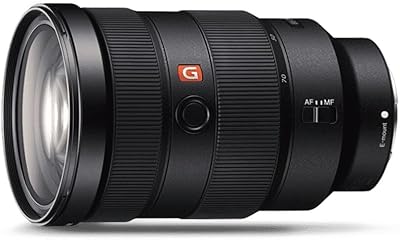
Sony FE 24-70mm F2.8 GM Zoom Lens
84%
94%
Optical Sharpness
91%
Autofocus Performance
92%
Bokeh Quality
93%
Build Quality
63%
Value for Money
More
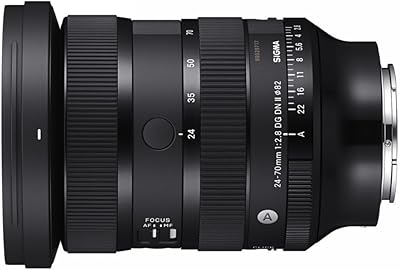
Sigma 24-70mm F2.8 DG DN II Lens
82%
93%
Optical Sharpness
84%
Autofocus Performance
88%
Build Quality
86%
Weather Sealing
71%
Value for Money
More
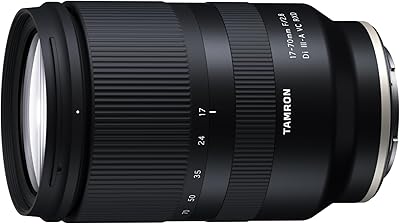
Tamron 17-70mm F/2.8 Di III-A VC RXD Zoom Lens for Fujifilm X
86%
91%
Image Quality
88%
Vibration Compensation (VC) Effectiveness
84%
Autofocus Performance
90%
Build Quality and Durability
85%
Low Light Performance
More
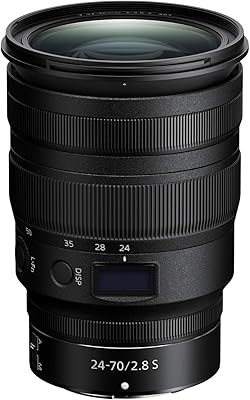
Nikon NIKKOR Z 24-70mm f/2.8 S Zoom Lens
87%
93%
Autofocus Speed & Accuracy
91%
Video Performance
94%
Optical Image Quality
96%
Build Quality
89%
Weather Sealing
More
Canon EF 24-70mm f/2.8L II Zoom Lens
78%
94%
Optical Sharpness
91%
Autofocus Performance
93%
Build Quality & Durability
62%
Value for Money
38%
Image Stabilization
More
Tamron SP 24-70mm F/2.8 G2 Camera Lens
85%
91%
Image Sharpness
88%
Autofocus Performance
84%
Vibration Compensation
93%
Build Quality
82%
Weather Sealing
More
Nikon AF-S FX NIKKOR 24-70mm f/2.8E ED VR Lens
86%
94%
Image Quality
91%
Vibration Reduction (VR)
88%
Autofocus Performance
90%
Build Quality
86%
Ease of Use
More
Tamron 17-70mm f/2.8 Di III-A Zoom Lens
82%
91%
Optical Sharpness
93%
Aperture Versatility
84%
Autofocus Performance
86%
Image Stabilization
82%
Build Quality & Durability
More
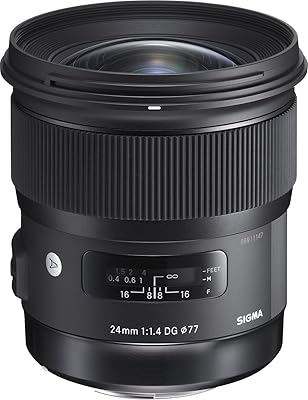
Sigma 24mm f/1.4 DG HSM Art Lens for Nikon F
88%
94%
Optical Performance
93%
Low-Light Performance
90%
Build Quality
86%
Ease of Use
74%
Weight and Portability
More
Tamron 35mm f/2.8 Di III OSD M1:2 Lens for Sony E-Mount
85%
94%
Image Quality
75%
Autofocus Speed
90%
Macro Performance
88%
Build Quality
91%
Portability
More

FAQ

It works on both. The EF mount is shared across Canon's full-frame and APS-C DSLR lineup, so bodies like the Rebel series, 90D, or 7D Mark II all accept it without any adapter. On a crop-sensor body the effective field of view narrows due to the 1.6x crop factor, so 24mm behaves more like 38mm — still useful, but you lose some of the wide end.

It genuinely helps for static subjects in dim light — think indoor receptions, museum interiors, or handheld architecture. You can comfortably shoot a stop or two slower than you otherwise might and still get sharp results. That said, it does nothing for subject motion, so fast-moving people or action still require a sufficiently fast shutter speed regardless of whether OS is active.

Not natively. This is an EF-mount lens, so using it on a Canon R-series body requires Canon's EF-to-RF mount adapter. The adapter works reasonably well, but autofocus may not be as responsive as it is on a native EF DSLR body. If you are primarily shooting mirrorless, a native RF-mount lens will serve you better in the long run.

The Canon L is an exceptional lens with arguably slightly better corner sharpness wide open, but it lacks optical stabilization entirely. The Sigma Art zoom undercuts it on price while adding that stabilization, which is a meaningful practical advantage for a lot of shooters. If you regularly shoot handheld in low light, the stabilization alone can tip the decision. If you mostly shoot with the lens on a tripod or in bright conditions, the gap narrows considerably.

It is a legitimate concern worth taking seriously. Some buyers have received copies with softer-than-expected corners or slight front or back focus issues. The practical advice is to test your specific copy thoroughly within your return window — shoot flat targets at multiple focal lengths and apertures. Sigma also offers an optional USB dock accessory that lets you fine-tune autofocus calibration at home, which can help with minor front or back focus deviations.

No, this lens does not include weather sealing or dust and moisture resistance. Using it in rain or sandy conditions puts the optics and mechanism at real risk. If weather protection is a firm requirement for your work, you will need to look at other options or use additional lens protection accessories outdoors.

At just over two pounds, it is noticeably substantial, and that weight adds up quickly during a long event or walking shoot. Paired with a heavier DSLR body like a 5D Mark IV, the combined weight is something you feel by hour three or four. A monopod or good camera strap makes a real difference for extended use. It is not unusual — this is the expected weight class for a professional f/2.8 standard zoom — but first-time buyers upgrading from lighter glass are sometimes caught off guard.

Yes, the front accepts standard 82mm screw-in filters. The downside is that 82mm is at the larger end of common filter sizes, so polarizers, ND filters, and UV protectors in this diameter cost noticeably more than 67mm or 77mm equivalents. Budget a bit extra if you plan to add filters to your kit.

For stills, yes — the HSM autofocus is quick and accurate in good to moderate light, and it handles the typical demands of event and portrait work well. Where it can struggle is in very low light video scenarios, where the focus system occasionally hunts before locking. For video, manual focus or a camera with good face-tracking can help work around this limitation.

Typically the lens ships with a front and rear lens cap, a petal-type lens hood, and a padded carrying case. The exact accessories can vary slightly by seller, so it is worth confirming with the retailer if the hood or case is critical to your purchase decision. No batteries or memory cards are required for lens operation.

Where to Buy