Overview

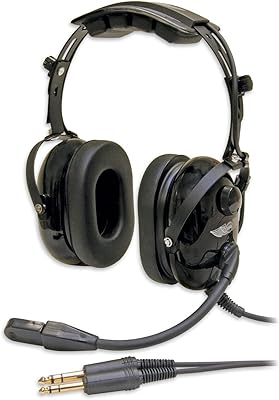
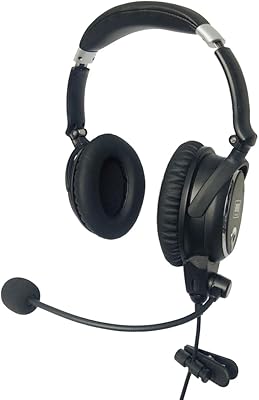
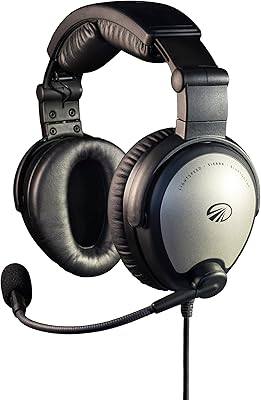
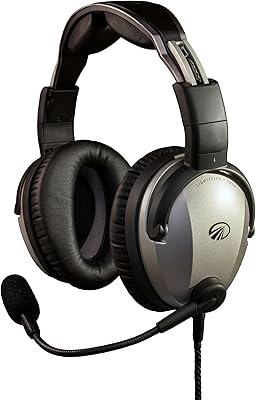
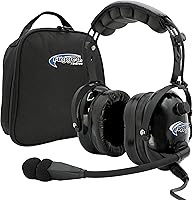
The Rugged Air RA900 Aviation Pilot Headset sits in an interesting middle ground in the GA headset market — capable enough for serious flight training, yet priced well below the tier dominated by Bose and David Clark. It's aimed squarely at student pilots, PPL holders, and flight instructors who need reliable gear without a steep upfront cost. The RA900 uses the standard dual-plug GA connection with a mono/stereo switch built into the cable, so it plays nicely with most intercom systems out of the box. A protective headset bag is included — practical, not luxurious. Set your expectations accordingly: solid performance for the price, not a premium aviation experience.
Features & Benefits

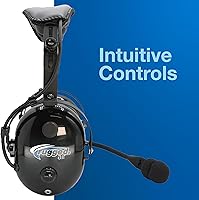
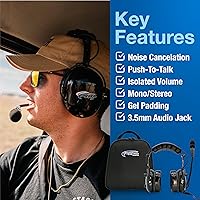
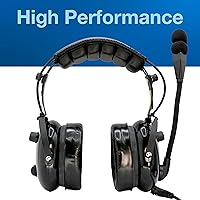
In a noisy Cessna or Piper cockpit, passive noise reduction is your first line of defense against ear fatigue, and the RA900 holds its own with a 24dB NRR rating backed by silicone gel ear seals that seal noticeably better than standard foam. The electret microphone handles radio comms cleanly even at higher power settings when engine noise spikes. Independent volume knobs on each ear are genuinely useful for instructors monitoring separate audio sources simultaneously. The ear cup-mounted PTT button is easy to find without looking, which matters during busy traffic patterns. A 3.5mm aux input adds music playback during cruise — audio only, not tied to the intercom.

Best For

This pilot headset makes the most practical sense for student pilots grinding through their training hours who want something dependable without a major upfront investment. Flight instructors benefit more than most from the per-ear volume control, which makes splitting attention between intercom and radio a lot more manageable during dual instruction. Pilots regularly flying noisier piston aircraft — think high-wing trainers with aging engines — will get the most return from the passive noise attenuation. It also works well as a dedicated backup headset, compact enough for any flight bag and capable enough to rely on if a primary unit fails mid-trip.

User Feedback

Across its rating pool, the RA900 earns its 4.2-star standing honestly. Pilots upgrading from foam-sealed headsets consistently highlight the gel ear seal difference as a meaningful comfort upgrade during longer flights — that part of the reputation holds up. ATC readability draws frequent praise as well, coming through reliably during pattern work. On the downside, mic boom stiffness frustrates some users who struggle to lock it into the right position, and clamping force perception varies noticeably between individuals. Long-term durability past two years is an open question based on available feedback, and a handful of buyers have noted occasional quirks with older intercom setups.

Pros

  • Silicone gel ear seals offer a noticeable comfort upgrade over standard foam-seal headsets at this price range.
  • The electret noise-canceling microphone delivers clear, readable audio during radio comms even in noisy cockpits.
  • Independent volume controls on each ear cup are a practical feature rarely found at this price point.
  • The ear cup-mounted PTT button is well-placed and easy to locate instinctively during busy traffic patterns.
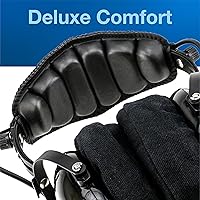
  • At just over 21 oz with low clamping force, the RA900 stays comfortable across multi-hour flights.
  • The built-in mono/stereo switch on the cable makes it compatible with a wide range of GA intercom systems.
  • A 3.5mm aux input adds music or phone audio during cruise without requiring any additional hardware.
  • Includes a protective carry bag, which keeps the headset in good condition between flights.
  • The detachable cable reduces wear on the connection point and makes storage easier.
  • Solid 4.2-star rating across a meaningful sample of real pilot buyers reflects genuine everyday reliability.

Cons

  • Mic boom stiffness makes precise positioning difficult and may require repeated readjustment between flights.
  • This pilot headset offers passive noise reduction only — it cannot compete with active ANR technology in high-noise environments.
  • Clamping force comfort is inconsistent across users; pilots with larger or unusually shaped heads may find the fit uncomfortable.
  • Long-term durability past two years of regular use remains an open question based on current owner feedback.
  • The 3.5mm aux input carries audio only and is not integrated with the intercom system, limiting its practical usefulness in flight.
  • A small number of users have reported compatibility quirks with older or less common intercom systems.
  • The stainless steel frame, while sturdy, does not offer the refined adjustability found on higher-end headsets.
  • No active noise cancellation means effectiveness drops significantly in louder aircraft compared to premium alternatives.

Ratings

The scores below reflect our AI-driven analysis of verified global buyer reviews for the Rugged Air RA900 Aviation Pilot Headset, with spam, bot-generated, and incentivized submissions actively filtered out before scoring. Each category was weighted against real pilot use cases — from student training flights to cross-country recreational trips — so the numbers capture honest consensus rather than marketing claims. Both the genuine strengths and the recurring frustrations are transparently reflected in every scorecard.

Comfort & Fit
81%
19%
Pilots logging two- and three-hour training sessions consistently praised the low clamping force and lightweight frame for reducing the fatigue that heavier headsets cause over time. The silicone gel ear seals drew particular attention from buyers upgrading from foam alternatives, who noticed the difference almost immediately during their first flight.
Clamping pressure comfort is inconsistent across head sizes and shapes — some users with wider heads reported notable discomfort after about an hour. The fit feels less refined than headsets from established premium brands, and the headband adjustment range does not accommodate all pilots equally well.
Passive Noise Reduction
74%
26%
In typical piston trainer cockpits like the Cessna 172 or Piper Archer, the 24dB NRR rating translates into real, usable noise attenuation that makes long legs noticeably less fatiguing. The gel seals contribute meaningfully to the seal quality, which is where passive NR either works or falls apart.
This is a purely passive system, and the limitations become apparent in louder aircraft or at higher power settings during climb. Pilots accustomed to active noise-reduction headsets will find the ambient cockpit noise level significantly higher, particularly in older piston aircraft with less engine insulation.
Microphone Clarity
83%
ATC readability is one of the most consistently praised aspects of this pilot headset, with multiple buyers noting that tower controllers and instructors had no complaints about audio quality. The electret noise-canceling element does a solid job of isolating voice from background engine noise during radio calls.
The mic boom stiffness is a genuine ergonomic problem — it does not glide smoothly into position, and some users find it snaps to preset angles rather than settling exactly where they want it. Shared headsets used across multiple pilots highlight this issue most, since each person ends up fighting the boom to reposition it.
Build Quality
69%
31%
The stainless steel frame provides structural confidence and feels meaningfully sturdier than plastic-framed headsets at a similar price point. Buyers using this aviation headset as a training backup — kept in the flight bag and used occasionally — reported no structural issues after moderate use periods.
Questions about long-term durability under daily heavy use remain unanswered by the available review pool, and the plastic components on the ear cups feel noticeably less premium than the frame itself. A few users flagged early wear on the cable connector area with regular plugging and unplugging.
Value for Money
88%
For student pilots who need a fully capable GA headset without the financial burden of a premium ANR unit, the RA900 consistently lands as a strong recommendation in its price tier. Features like independent per-ear volume controls and a built-in PTT button are not guaranteed at this price point, which makes the overall package feel punchy.
The value proposition depends heavily on what you compare it to — against bare-bones headsets it looks excellent, but buyers expecting near-premium performance will feel the gap. If you plan to fly heavily for years, the unclear long-term durability picture slightly complicates the cost-per-flight calculation.
Ease of Setup
91%
The dual-plug GA connection is as plug-and-play as aviation headsets get — connect the mic and audio plugs, flip the mono/stereo switch to match your aircraft, and you are ready to go. Most buyers reported being radio-ready within minutes of opening the box, even those flying for the first time.
The mono/stereo switch labeling is small and can be easy to overlook initially, leading some first-time users to troubleshoot audio issues before noticing the switch position. Instructions included in the box are minimal, which may cause brief confusion for brand-new student pilots unfamiliar with GA audio systems.
Intercom Compatibility
76%
24%
The built-in mono/stereo cable switch makes this headset broadly compatible with the majority of GA intercom systems found in training fleets, covering most Cessnas, Pipers, and similar aircraft without needing any additional adapters. Flight schools with mixed intercom setups appreciated this flexibility.
A handful of buyers reported intermittent compatibility issues with older or less common intercom systems, particularly in vintage aircraft. Helicopter pilots found the standard GA plug configuration less reliable in rotary-wing setups, where impedance and connector standards sometimes diverge from fixed-wing norms.
PTT Button Usability
84%
The ear cup-mounted PTT placement is intuitive for most right-hand dominant pilots and easy to locate without breaking scan during busy traffic pattern work. Buyers flying solo appreciated not needing a separate yoke-mounted PTT for basic radio communication.
Left-hand dominant pilots occasionally noted the button placement felt less natural for their grip style during radio calls. The button action itself is functional but lacks the tactile precision of dedicated PTT switches found on higher-end headsets, which some experienced pilots noticed immediately.
Aux Input Usefulness
67%
33%
Being able to route phone audio through the ear cups during cruise phases is a genuinely practical feature for recreational pilots who want situational awareness without removing the headset. Several buyers used it for GPS voice navigation during longer cross-country legs.
The 3.5mm input is audio-only and completely separate from the intercom system, which limits how useful it really is during active flight phases where radio monitoring is constant. Pilots hoping to integrate it more deeply with their cockpit audio setup will find the functionality more limited than they anticipated.
Volume Control Precision
78%
22%
Having independent volume dials on each ear cup is a feature that flight instructors specifically called out as valuable — it lets them balance intercom audio from a student against incoming ATC without a compromise setting. The dials are accessible without removing the headset.
The dial resistance is not particularly precise, and small adjustments can produce bigger volume jumps than expected. A few users also noted the knobs feel plasticky and raised minor concerns about whether they would hold up well to regular adjustment over hundreds of flight hours.
Ear Seal Quality
86%
The silicone gel seals are one of the most frequently praised aspects of this headset among buyers who have used foam alternatives, with many describing noticeably better comfort and a more effective acoustic seal around the ear during flight. Pilots with glasses found the gel more forgiving than firmer foam designs.
Gel seals can degrade faster than foam alternatives under heavy sweat and UV exposure over time, and replacement availability for this specific model is not guaranteed long-term. Some buyers noted the seals retain heat on warmer days, which adds minor discomfort during ground operations in summer.
Cable & Connector Quality
63%
37%
The detachable cable design is a smart choice that reduces wear on the headset body and makes coiling for storage much cleaner compared to fixed-cable competitors. Pilots who store their headset frequently between flights appreciated the flexibility this provides.
The cable itself feels thinner than expected for aviation use, where wiring takes regular flexing around door frames and seat adjustments. A small cluster of buyers flagged early fraying near the GA plug ends after several months of regular use, which raises legitimate questions about long-term cable reliability.
Weight & Portability
82%
18%
At just over 21 oz, the RA900 sits comfortably in the lighter half of the GA headset market, which matters during multi-hour cross-country flights where neck fatigue from heavier units becomes a real factor. The included carry bag makes tossing it in a flight bag between sessions easy.
The included bag is functional but thin, offering basic scratch protection rather than meaningful impact cushioning. Pilots who travel frequently and check luggage would benefit from a sturdier case, and the bag provided offers minimal reassurance for anything beyond light day-to-day transport.
Long-Term Durability
57%
43%
For casual or student-level use — say, a private pilot working toward their certificate and flying 50 to 100 hours per year — the RA900 appears to hold together reasonably well within the first year based on available feedback. Short-term robustness is generally adequate for the use case it targets.
The durability picture beyond two years of regular use is genuinely unclear, with insufficient long-term reviewer data to draw confident conclusions. Given the plastic components and thinner cable construction, pilots planning on heavy daily use over multiple years should weigh whether a higher-tier headset might offer better total cost of ownership.

Suitable for:

The Rugged Air RA900 Aviation Pilot Headset is a smart pick for student pilots working through their training hours who need reliable, comfortable gear without committing to a high-end price point. Flight instructors stand to benefit particularly well here — the independent per-ear volume controls let you monitor intercom and radio feeds separately, which is a genuinely useful feature during dual instruction that many headsets at this tier simply skip. Pilots who regularly fly noisier piston trainers like the Cessna 172 or Piper Cherokee will find the passive 24dB NRR and silicone gel seals do a respectable job of taking the edge off engine noise during longer legs. Recreational pilots who want to pipe in music or phone audio during cruise will appreciate the aux input without needing to spend more. It also earns its place as a dependable backup headset — something capable enough to rely on if your primary unit goes down, yet affordable enough to keep stashed in the flight bag without worry.
Not suitable for:

Pilots who fly high-performance aircraft, turboprops, or any environment where sustained high noise levels are the norm will likely find the passive noise reduction of the Rugged Air RA900 Aviation Pilot Headset falls short of what they actually need — this is not an active noise-reduction headset, and it should not be evaluated as one. Experienced pilots who have logged hours with premium ANR options from Bose or David Clark will notice the gap immediately and probably find it frustrating rather than acceptable. The mic boom rigidity has been a sticking point for users who need precise positioning, so anyone whose role demands consistent, hands-free mic placement — like a busy CFI running back-to-back instruction days — may find that annoying over time. Long-haul pilots or anyone prioritizing proven multi-year durability should be cautious, as the track record beyond two years of regular use is not well-established from available feedback. If comfort fit is a particularly individual concern, the variable clamping force means it is worth trying before committing.
Specifications

  • Brand & Model: Manufactured by Rugged Air under the model designation RA900.
  • Weight: The headset weighs 21.2 oz (1.72 lbs), keeping fatigue manageable across extended flights.
  • Dimensions: Overall packaged dimensions measure 10 x 7 x 4.5 inches, fitting most standard flight bags comfortably.
  • Frame Material: The headband and structural frame are constructed from stainless steel for rigidity without excessive bulk.
  • Ear Seal Material: Ear cups are fitted with silicone gel seals designed to conform to varied head shapes and improve passive noise attenuation.
  • Noise Reduction: Passive noise reduction is rated at 24dB NRR, providing meaningful attenuation of cockpit engine and propeller noise.
  • Microphone Type: An electret noise-canceling microphone is used, positioned on an adjustable boom arm for radio and intercom communication.
  • Driver Type: Each ear cup houses a dynamic neodymium speaker driver for audio playback and incoming comms.
  • Impedance: Speaker impedance is rated at 150 Ohm, consistent with standard GA aviation audio equipment requirements.
  • Connection Type: The headset uses a wired dual-plug GA connection (one for mic, one for audio) standard across most general aviation aircraft.
  • Mono/Stereo Switch: A built-in switch on the cable allows the user to toggle between mono and stereo radio compatibility without any adapters.
  • Volume Control: Each ear cup features its own independent volume dial, allowing separate audio level adjustment per ear.
  • PTT Button: A Push-to-Talk button is mounted directly on the ear cup for quick, ergonomic radio transmission access.
  • Aux Input: A 3.5mm jack provides audio-only input from a phone or portable device; it is not connected to the aircraft intercom system.
  • Cable: The cable is detachable, which reduces long-term wear on the connection point and simplifies storage.
  • Noise Cancellation Type: This headset uses passive noise cancellation only; it does not include active noise reduction (ANR) electronics.
  • Compatibility: Compatible with most GA aircraft intercoms and any audio device equipped with a 3.5mm headphone jack.
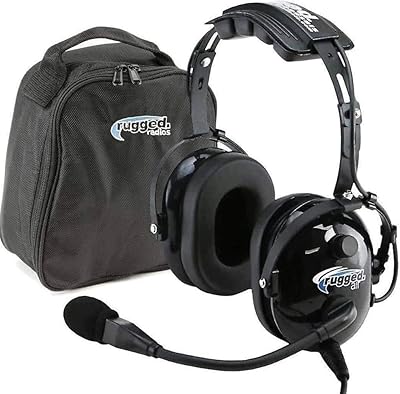
  • Included Accessories: A protective headset carry bag is included in the box for storage and transport between flights.
  • Target Users: Designed for adult pilots including student pilots, private pilots, and flight instructors flying general aviation aircraft.
  • Water Resistance: The RA900 is not rated for water resistance and should be kept away from rain and moisture.

Related Reviews
Rugged Air RA200 Aviation Pilot Headset
78%
91%
Value for Money
78%
Comfort & Fit
72%
Passive Noise Reduction
74%
Microphone Performance
81%
Audio Clarity
More
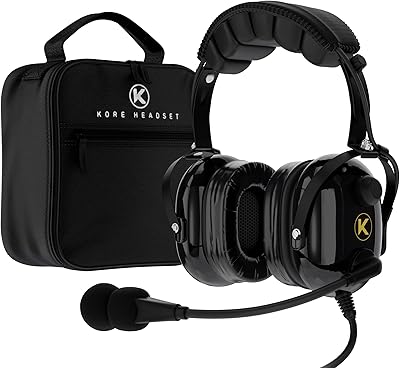
Kore Aviation P1 Aviation Pilot Headset
76%
93%
Value for Money
71%
Noise Reduction
88%
Microphone Clarity
67%
Comfort & Fit
84%
AUX Connectivity
More
Lightspeed Aviation Sierra ANR Aviation Headset
77%
84%
ANR Performance
76%
Comfort & Fit
71%
Bluetooth Reliability
83%
Build Quality
81%
Microphone Quality
More
Lightspeed Zulu 3 Aviation Headset
83%
93%
Active Noise Reduction
89%
Comfort & Fit
91%
Build Quality
78%
Bluetooth Performance
88%
ComPriority System
More
UFQ L1 In-Ear Aviation Headset
80%
92%
Wearing Comfort
67%
Passive Noise Reduction
74%
Microphone Clarity
61%
In-Ear Fit Consistency
83%
Audio Fidelity
More
UFQ A7 ANR Aviation Headset
79%
91%
Wearing Comfort
74%
ANR Performance
83%
Microphone Quality
77%
Build Quality
89%
Battery Life
More
Bose A30 Aviation Headset (Dual Plug)
85%
94%
Long-Term Comfort
91%
Active Noise Reduction
89%
Audio Clarity & Intelligibility
84%
Build Quality & Durability
87%
Bluetooth Connectivity
More
Faro G2 ANR Pilot Aviation Headset
78%
83%
Active Noise Reduction
78%
Microphone Clarity
91%
Battery Life
74%
Comfort & Fit
67%
Build Quality
More
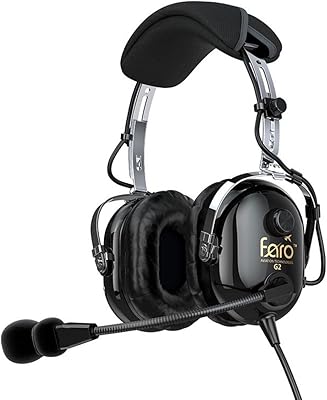
Kore Aviation KA-1 Aviation Headset
79%
86%
Comfort & Fit
74%
Noise Reduction
83%
Microphone Quality
81%
Audio Clarity
71%
Build Quality
More
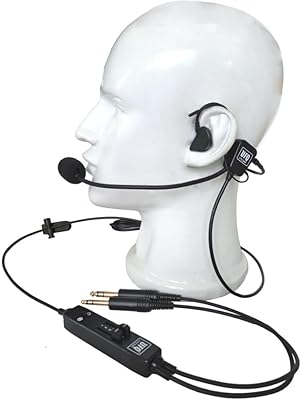
ASA HS-1 Aviation Headset
78%
71%
Noise Reduction
78%
Microphone Clarity
66%
Comfort & Fit
82%
Build Quality
74%
Audio Clarity
More

FAQ

Yes, the RA900 uses the standard dual-plug GA connection — one plug for mic, one for audio — which is the same standard found in the vast majority of general aviation piston aircraft. The built-in mono/stereo switch on the cable also helps with intercom compatibility across different aircraft systems.

It can work with some helicopter intercom systems, but helicopter audio setups often use different impedance requirements and connector standards than fixed-wing GA aircraft. You would want to verify your specific helicopter intercom specs before assuming direct compatibility.

The 24dB NRR rating gives this aviation headset a reasonable level of passive attenuation for typical trainer-class aircraft. Pilots flying Cessnas or Pipers report it does a solid job of taking the edge off engine drone during cruise. That said, it is a purely passive system, so in significantly noisier aircraft — like older round-engine planes or turboprops — you will feel the limits compared to an active noise-reduction headset.

You can pipe audio from a phone or music player through the 3.5mm aux input. Keep in mind this is audio only — it routes sound into your ear cups but is completely separate from your aircraft intercom system. You will still hear radio and intercom comms normally alongside whatever you are playing.

Comfort feedback is generally positive, especially from pilots upgrading from foam-seal headsets who notice the silicone gel seals right away. The low clamping force and relatively light weight help during extended wear. That said, clamping pressure perception varies between individuals — some pilots find it slightly tight after a couple of hours, particularly those with wider head profiles.

The mic boom is adjustable, but a recurring complaint among buyers is that it can feel stiff and somewhat difficult to position precisely. Once you find the right angle it generally holds, but if you are flying multiple legs or sharing the headset, you may find yourself re-positioning it more than you would like.

The independent per-ear volume controls make this pilot headset more practical for flight instruction than most headsets in its price range. A CFI can set each ear to a different level to better manage intercom versus radio audio. It is not a full dual-GA-plug intercom solution on its own, but the flexibility is genuinely useful in the right setup.

Short-term durability reports are largely positive, and the stainless steel frame adds structural confidence. However, honest feedback from the available review pool raises some uncertainty about how it holds up past the two-year mark under frequent use. It is probably fine for student-pilot training hours, but if you are logging 200 or more hours a year consistently, the long-term track record is not fully established yet.

Rugged Air does offer replacement parts for their headsets, including ear seals, but availability can vary over time. It is worth checking directly with the manufacturer if you plan to use this as a long-term daily headset and want to factor in maintenance costs down the road.

Yes, a protective carry bag is included in the box. It is functional rather than fancy — a decent soft case to keep the headset protected in your flight bag between uses. The cable is also detachable, which makes storage cleaner and reduces stress on the connectors over time.