Overview

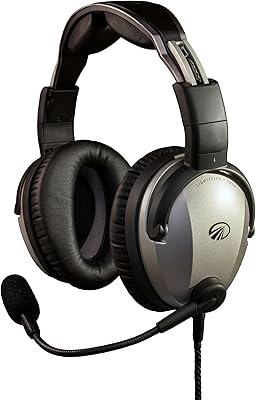
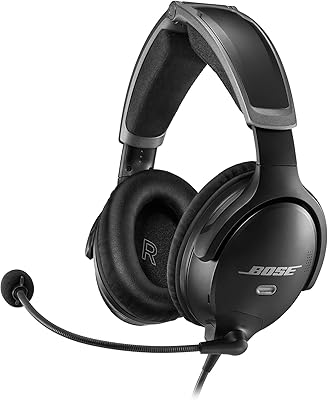
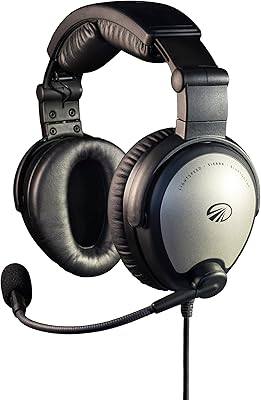
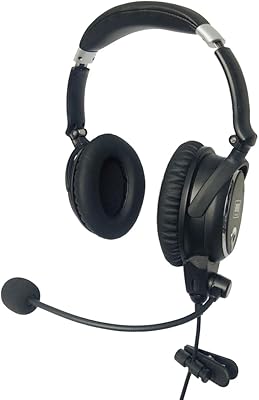
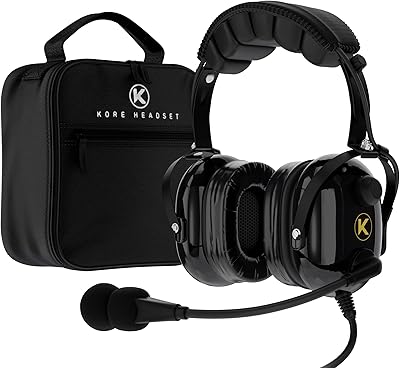
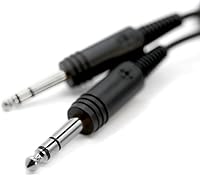
The Rugged Air RA200 Aviation Pilot Headset is designed squarely for student pilots and flight schools looking to get airborne without breaking the bank. Built around a standard dual-plug GA connector and passive noise cancellation, it takes a no-frills approach that works reliably in most training environments. At just 1.2 lbs, the stainless steel and foam frame stays comfortable through a full morning of pattern work without fatigue. It won't challenge a Bose A20 or Lightspeed Zulu — and it's not trying to. Think of it as a dependable first headset, and it comes with a padded carry bag included, which is a genuinely useful touch at this price tier.

Features & Benefits

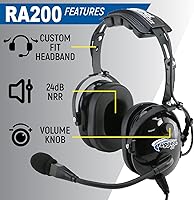
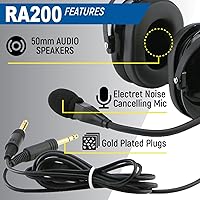
The RA200's 24dB noise reduction rating comes entirely from the foam over-ear seals — there's no active electronics involved. In a Cessna 172 cockpit, that cuts out a meaningful chunk of engine and prop noise, though you'll still notice ambient sound more than you would with an ANR headset. The electret microphone handles radio calls clearly enough that instructors and ATC can read you back without issues, especially with the wind-block muff doing its job during taxi. Individual volume dials on each ear cup are a practical touch, and the 3.5mm aux jack lets you pipe in music or ForeFlight audio during longer cross-country legs. The tangle-free cable is one less thing to wrestle with during preflight.

Best For

This student headset makes the most sense for pilots early in their training — think first solo prep, ground reference maneuvers, and short cross-countries in a light trainer aircraft. Flight schools will find the value proposition particularly strong: outfitting five or six students costs less than a single premium ANR unit. Recreational pilots and passengers who fly occasionally will also find it more than adequate. If you need a reliable backup headset to stash in your flight bag alongside your primary, the RA200 fits that role neatly without the guilt of leaving something expensive in a baggage compartment. It's best suited to lower-noise piston trainers rather than turboprops or noisy experimental aircraft.

User Feedback

Pilots who've put this entry-level aviation headset through real training hours tend to praise long-session comfort most consistently — the lightweight frame and soft foam seals hold up well across a full block of lessons without leaving marks or fatigue. Microphone clarity gets positive mentions too, with instructors reporting that transmissions come through cleanly during pattern work. The recurring criticisms are worth noting: some users find the clamping pressure a bit firm out of the box, and the foam seals can show wear after heavy use. Build quality is solid for the price but noticeably below David Clark or Faro territory. If you go in with calibrated expectations for an entry-tier headset, most buyers come away satisfied.

Pros

  • Lightweight at just 1.2 lbs, making it comfortable through full training sessions without fatigue.
  • The 24dB passive noise reduction handles typical light trainer cockpit noise well enough for pattern work and short cross-countries.
  • Microphone clarity is consistently praised by instructors and ATC in normal training conditions.
  • Individual volume controls on each ear cup give useful fine-tuning that many budget headsets skip.
  • The 3.5mm aux input lets you pipe in music or navigation audio during longer legs.
  • Standard dual GA plugs mean it works out of the box in virtually any general aviation aircraft.
  • Comes with a padded carry bag that actually protects the headset between flights.
  • Tangle-free cable keeps preflight and post-flight handling simple and frustration-free.
  • Adjustable headband fits a wide range of head sizes, making it practical for shared flight school use.
  • Represents one of the more honest value-for-money options in the entry-level aviation headset category.

Cons

  • Clamping pressure can feel tight out of the box and may require a break-in period for some users.
  • Foam ear seals show wear faster than expected under heavy, repeated daily use.
  • Passive noise cancellation falls noticeably short in louder or older aircraft compared to any ANR headset.
  • Build quality, while adequate for the price, feels noticeably less solid than David Clark or Faro equivalents.
  • The 3.5mm aux jack is audio playback only — it cannot be used for intercom or communication input.
  • Microphone performance is adequate for training but lacks the crispness of higher-grade electret mics in noisy conditions.
  • No Bluetooth connectivity, which some newer budget competitors in the same price range are beginning to offer.
  • Students who progress quickly may find themselves outgrowing this entry-level aviation headset sooner than expected.

Ratings

The scores below were generated by AI after analyzing verified buyer reviews from aviation communities and retail platforms worldwide, with spam, bot-submitted, and incentivized feedback actively filtered out. Across thousands of real pilot experiences — from first solos to flight school instructors evaluating shared equipment — the Rugged Air RA200 Aviation Pilot Headset earns consistent respect as an entry-level workhorse, though the data also surfaces clear limitations that more demanding pilots will feel. Both the genuine strengths and the recurring frustrations are reflected transparently in every score.

Value for Money
91%
This is where the RA200 earns its strongest praise by a wide margin. Student pilots and flight schools consistently report that the feature set — passive NRR, noise-canceling mic, individual volume controls — punches well above what you'd expect at this price tier. For a first headset, buyers feel they're getting something genuinely functional, not a toy.
A small but vocal segment of reviewers who had previously owned a David Clark or Faro headset felt the value story weakens slightly when factoring in long-term durability. If foam seals need replacing within a year of heavy use, the total cost of ownership starts to close the gap with pricier alternatives.
Comfort & Fit
78%
22%
Most users praise the lightweight 1.2 lb design during multi-hour training sessions, noting that after a full morning of touch-and-goes, the headset isn't creating pressure points or leaving marks. The adjustable headband accommodates a wide range of head sizes, which flight schools in particular appreciate when cycling between students.
Clamping force is the most consistent comfort complaint across reviews. Out of the box, several users with narrower or more sensitive heads describe it as noticeably firm, and it takes a break-in period of several flights before the tension eases. A minority of users found the fit never quite settled into something they'd call genuinely comfortable.
Passive Noise Reduction
72%
28%
The 24dB NRR rating holds up in practice for the aircraft this headset is designed for. In a Cessna 172 or Piper PA-28, student pilots report the engine and prop noise is reduced enough to hold a clear conversation with their instructor and focus on radio calls without straining. For the intended use case, it does the job.
Pilots who have flown with ANR headsets and switched to the RA200 — even temporarily as a backup — consistently note the gap in isolation quality, especially on flights over 90 minutes where fatigue from ambient noise accumulates. In older or noisier aircraft, the passive-only approach feels clearly inadequate.
Microphone Performance
74%
26%
ATC readbacks and instructor feedback both trend positive in normal training conditions. The electret microphone and wind-block muff combination handles typical cockpit noise levels well enough that most student pilots receive no complaints about transmission clarity during pattern work, ground calls, or standard cross-country communications.
In higher wind situations or noisier aircraft, the microphone's limitations become apparent. A handful of reviewers noted ATC asking for repeats on busy approach frequencies, and the mic is sensitive enough to pick up prop wash in certain aircraft configurations. It's adequate, but not a mic you'd brag about.
Audio Clarity
81%
19%
The 50mm neodymium drivers deliver noticeably clear intercom and radio audio for a headset at this price point. Students consistently report that ATIS playback, instructor commentary, and ATC instructions all come through with enough resolution to catch phonetic details cleanly, which matters during early training when every instruction counts.
A small number of users noticed a slight muddiness in the low-mid frequency range at higher volume levels, particularly when both ear cups are pushed toward maximum. It's not a dealbreaker, but audiophile-minded pilots who also use the aux jack for music will notice the driver ceiling more quickly.
Build Quality
67%
33%
The stainless steel frame feels solid enough for everyday student use, and the overall construction holds together well under normal handling. For a headset that might spend time in a shared locker or get casually tossed in a flight bag, the core structure doesn't feel fragile or worryingly lightweight.
Several long-term users flag plastic components — particularly the connector housings and microphone boom joint — as feeling noticeably less robust than competitors at a similar price point. The general consensus is that build quality is acceptable, but you're aware you're not holding a David Clark when you pick it up.
Foam Seal Durability
58%
42%
For moderate personal use — a few flights per week over a training period of six to twelve months — the foam seals generally hold up without significant acoustic degradation. Pilots working through their private pilot certificate at a measured pace rarely flagged seal deterioration as a problem within their training window.
This is one of the most commonly mentioned long-term pain points. Flight schools using these headsets on a high-rotation basis report foam compression and cracking within a year of heavy shared use. Even personal users flying several times a week notice the seals losing their initial firmness faster than expected for the price paid.
Volume Controls
83%
Having independent left and right volume dials is a feature most budget headsets skip entirely, and users genuinely appreciate it. Pilots with any degree of hearing asymmetry — common in older recreational flyers — find the ability to balance the two ears independently makes a meaningful difference to listening comfort across long flights.
The dials themselves are functional but not refined. A few users note that the adjustment range feels slightly coarse, with a jump between positions rather than a smooth gradual increase. It's a minor ergonomic gripe rather than a functional failure, but it reinforces the sense of budget-tier component selection.
Aux Input Usefulness
69%
31%
Pilots flying longer cross-country legs appreciate being able to pipe in music, podcasts, or navigation audio from a phone through the 3.5mm jack. It's a simple feature that adds genuine quality-of-life value during cruise portions of a flight, and users consistently mention it as a welcome bonus.
The audio-only limitation is a recurring source of confusion in reviews, with multiple buyers expecting the jack to enable phone or Bluetooth intercom capability. Once users understand it's strictly listen-only, the frustration settles — but the ambiguity in how the feature is described creates unnecessary disappointment at the point of use.
Cable Quality
76%
24%
The tangle-free cable design receives quiet but consistent appreciation from pilots who have wrestled with coiled or cheap cables in cramped cockpits. During preflight and post-flight packing, the cable behaves predictably and doesn't spring back into knots, which is a small but genuinely useful practical improvement.
Some users with longer-term ownership report that the cable jacket begins to stiffen or show minor cracking near the connector ends after extended exposure to the sun and temperature swings typical of leaving gear in an aircraft or a hot car. It's a durability concern rather than an immediate failure, but worth noting.
Carry Bag Quality
77%
23%
The included padded fabric bag earns more appreciation than you might expect from a bundled accessory. Users who treat it as an actual part of their kit — storing the headset in it between every flight — report it does a solid job protecting the boom mic and ear cups from incidental damage during transport.
The bag is fabric rather than semi-rigid, so it doesn't offer much crush protection if something heavy ends up on top of it in a flight bag or a car boot. It's a worthwhile inclusion, but pilots who want serious storage protection will eventually look at a hard-shell case.
Headband Adjustability
80%
20%
The adjustable headband is one of the more practically useful features for a shared-use headset. Flight instructors running students with very different head sizes throughout the day report that the adjustment range is wide enough to get a reasonable fit without fiddling excessively between sessions.
The adjustment mechanism, while functional, lacks the satisfying precision of higher-end headsets where each click lands definitively. A few users note that the headband can creep slightly during longer flights, requiring minor repositioning — not a major issue, but a noticeable step below mid-range competitors.
Compatibility
93%
Standard dual GA plugs mean this entry-level aviation headset works in virtually every single-engine and light twin trainer without adapters or compatibility checks. Student pilots and instructors highlight this plug-and-fly reliability as one less thing to think about before a lesson, which is genuinely valuable when you're focused on learning.
The wired-only design and GA-specific connectors mean the RA200 is not cross-compatible with helicopter intercom systems or aircraft that use LEMO or U-174 connectors without aftermarket adapters. For GA training, this is rarely an issue, but it's worth knowing if your flying eventually diversifies.
Unboxing & Setup
88%
First-time aviation headset buyers consistently praise how immediately ready-to-use the RA200 is. There are no batteries to source, no pairing sequences to complete, and no confusing initial setup — students plug in, adjust the headband, set volume levels, and are operational within two minutes of opening the box.
The included documentation is minimal, which means buyers who are unfamiliar with GA dual-plug connectors or the purpose of the aux jack sometimes have to seek answers online. A simple illustrated quick-start guide covering the basics of GA intercom connection would meaningfully reduce first-use confusion.

Suitable for:

The Rugged Air RA200 Aviation Pilot Headset is purpose-built for student pilots who are just getting started and need something dependable without a steep upfront investment. If you're logging your first hours in a Cessna 172 or a Piper Cherokee, this headset covers everything you actually need during early training — clear enough audio, workable noise reduction, and a microphone that won't embarrass you on the radio. Flight schools shopping for a small fleet of shared headsets will find the value hard to argue with, since outfitting multiple students doesn't require spending premium-tier money per unit. Recreational pilots who fly occasionally and don't want to commit to a high-end ANR headset will also get solid use out of it. It's equally practical as a backup headset for experienced pilots who want something reliable stashed in the flight bag without worrying about it taking a knock.

Not suitable for:

The Rugged Air RA200 Aviation Pilot Headset is not the right call for pilots who regularly fly in high-noise environments — think louder piston twins, turboprops, or older aircraft with significant cabin noise — where passive 24dB NRR simply won't cut it the way active noise reduction would. If you're a certificated pilot putting in serious hours and expect your headset to last through years of daily flying, the long-term durability of the foam seals and frame may leave you wanting something more robust. Buyers who have already tried an ANR headset like a Bose A20 or Lightspeed Zulu and grown accustomed to that level of noise isolation will likely find the RA200 a noticeable step down in quiet and fatigue reduction on longer flights. It's also not suited to professional or commercial operations where communication clarity and equipment reliability are held to a higher standard. If your budget can stretch to a mid-range ANR option, serious pilots who fly frequently will likely outgrow this headset faster than they expect.

Specifications

  • Weight: The headset weighs approximately 1.2 lbs (16 oz), keeping fatigue low during extended training flights.
  • Noise Reduction: Passive noise reduction is rated at 24dB NRR, achieved through foam over-ear seals rather than active electronics.
  • Microphone Type: An electret noise-canceling microphone is fitted with a wind-block muff to reduce turbulence and ambient interference during transmissions.
  • Audio Drivers: 50mm neodymium dynamic drivers deliver clear audio reproduction across each ear cup for cockpit communications and auxiliary audio.
  • Impedance: Speaker impedance is rated at 150 Ohm, compatible with standard general aviation aircraft intercom systems.
  • Connectivity: The headset uses a wired dual-plug standard GA connector configuration for use with general aviation aircraft intercoms.
  • Auxiliary Input: A 3.5mm auxiliary input jack is included for connecting a phone or device for audio playback only, not intercom or communications use.
  • Ear Seals: Over-ear foam ear seals provide the primary acoustic seal and contribute to the headset's passive noise attenuation rating.
  • Frame Materials: The headset frame is constructed from stainless steel combined with foam padding for a balance of durability and lightweight comfort.
  • Headband: The headband is fully adjustable to accommodate a range of head sizes, making it practical for shared flight school use.
  • Cable Design: The connecting cable is designed to resist tangling, simplifying storage and preflight handling.
  • Dimensions: Packaged dimensions measure 9.7 x 7.2 x 5 inches, making it compact enough to fit easily in a flight bag.
  • Color: The headset is finished in black with a consistent color scheme across the frame, ear cups, and carry bag.
  • Included Accessories: A padded fabric carry bag in black is included in the box to protect the headset during storage and transport.
  • Volume Controls: Independent volume control dials are located on each ear cup, allowing left and right audio levels to be adjusted separately.
  • Noise Control Type: Noise management is entirely passive, relying on physical ear seal isolation rather than any active noise-canceling circuitry.
  • Compatibility: The standard GA dual-plug connector makes the RA200 compatible with the intercom systems found in most single-engine and light twin training aircraft.

Related Reviews
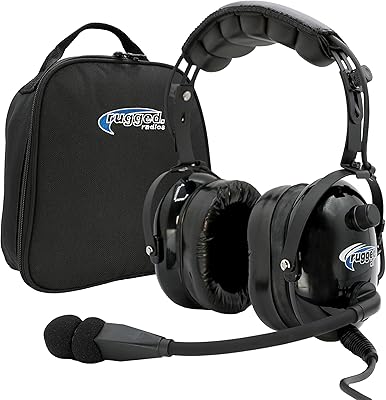
Rugged Air RA900 Aviation Pilot Headset
77%
81%
Comfort & Fit
74%
Passive Noise Reduction
83%
Microphone Clarity
69%
Build Quality
88%
Value for Money
More
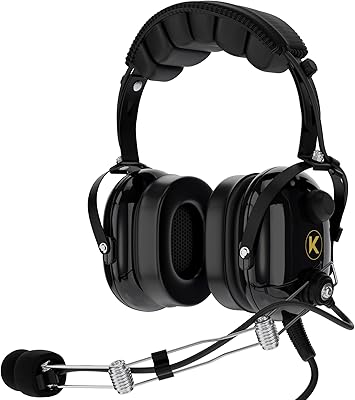
Kore Aviation P1 Aviation Pilot Headset
76%
93%
Value for Money
71%
Noise Reduction
88%
Microphone Clarity
67%
Comfort & Fit
84%
AUX Connectivity
More
Lightspeed Zulu 3 Aviation Headset
83%
93%
Active Noise Reduction
89%
Comfort & Fit
91%
Build Quality
78%
Bluetooth Performance
88%
ComPriority System
More
Kore Aviation KA-1 Aviation Headset
79%
86%
Comfort & Fit
74%
Noise Reduction
83%
Microphone Quality
81%
Audio Clarity
71%
Build Quality
More
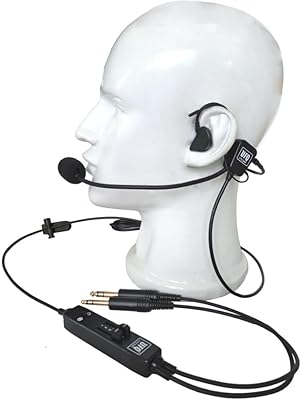
UFQ L1 In-Ear Aviation Headset
80%
92%
Wearing Comfort
67%
Passive Noise Reduction
74%
Microphone Clarity
61%
In-Ear Fit Consistency
83%
Audio Fidelity
More
UFQ A7 ANR Aviation Headset
79%
91%
Wearing Comfort
74%
ANR Performance
83%
Microphone Quality
77%
Build Quality
89%
Battery Life
More
Faro G2 ANR Pilot Aviation Headset
78%
83%
Active Noise Reduction
78%
Microphone Clarity
91%
Battery Life
74%
Comfort & Fit
67%
Build Quality
More
Telex Airman 850 ANR Aviation Headset
77%
74%
Noise Reduction Performance
83%
Microphone Clarity
78%
Wearing Comfort
61%
Build Quality
79%
Audio Fidelity
More
Lightspeed Aviation Sierra ANR Aviation Headset
77%
84%
ANR Performance
76%
Comfort & Fit
71%
Bluetooth Reliability
83%
Build Quality
81%
Microphone Quality
More
ASA HS-1 Aviation Headset
78%
71%
Noise Reduction
78%
Microphone Clarity
66%
Comfort & Fit
82%
Build Quality
74%
Audio Clarity
More

FAQ

Yes, the RA200 uses a standard dual-plug GA connector, which fits the intercom jacks found in the vast majority of light training aircraft including the Cessna 172 and Piper PA-28. If you're flying any common single-engine trainer at a flight school, this headset will plug straight in without any adapter.

There's a meaningful difference. The RA200's 24dB NRR passive rating reduces engine and prop noise noticeably in a typical trainer cockpit, but it won't match the isolation you get from an active noise-reducing headset like a Bose A20 or Lightspeed Zulu. For student pilots doing pattern work or short cross-countries, passive NRR is usually sufficient, but on longer flights or in noisier aircraft you'll feel more fatigue than you would with ANR.

You can connect a phone via the 3.5mm jack for audio playback — music, podcasts, or navigation alerts — but it's important to understand that this is a one-way audio input only. It won't allow your phone to interface with the aircraft's intercom for voice communications. Think of it as a listen-only port.

The adjustable headband is designed to accommodate a reasonable range of head sizes, which is part of why flight schools like using it as a shared headset. Some users with larger heads have noted that the initial clamping pressure feels firm, but most find it loosens up after a few hours of use.

The foam seals hold up well for casual or moderate use, but if this headset is being shared heavily in a flight school environment — multiple students, multiple days a week — you should expect the foam to compress and show wear within a year or so. Replacement ear seals are available for many aviation headsets at this tier, so it's worth checking availability before you commit.

For standard training communications — tower calls, ground, approach — the electret microphone is more than adequate. Instructors and controllers can read students back clearly in typical conditions. It's not a professional-grade mic, so in very noisy or windy situations the wind-block muff helps, but you won't be the one clogging up the frequency on a busy approach.

Yes, everything you need is in the box — the headset itself and a padded carry bag. There's no battery to install, no software to configure, and no adapter required for standard GA aircraft. Just plug in, set your volume levels on the ear cup dials, and you're ready to fly.

Both are well-regarded entry-level passive headsets, but they have slightly different characters. David Clark is known for robust, no-nonsense build quality that holds up to years of heavy use. The RA200 is lighter and a bit more comfortable for longer sessions out of the box, but some pilots feel the David Clark edges it on long-term durability. For a first headset or a backup, either is a reasonable choice — it largely comes down to personal comfort preference.

It works perfectly well for passengers too, assuming the aircraft has a passenger intercom jack. The over-ear design and noise reduction make it a much better experience than flying without a headset, and the adjustable headband means it fits a wide range of adults without much fiddling.

For the ear seals, a gentle wipe with a slightly damp cloth after flights keeps them clean and extends their life. Avoid harsh solvents or alcohol-based cleaners on the foam. The headband and cable can be wiped down the same way. Storing the headset in the included carry bag rather than loose in a flight bag will also protect the microphone boom and cable connectors from unnecessary wear.

Where to Buy