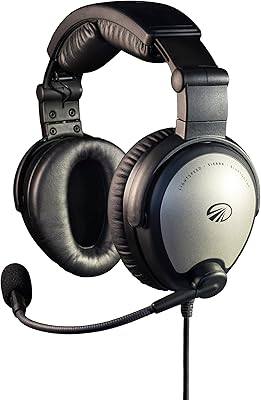
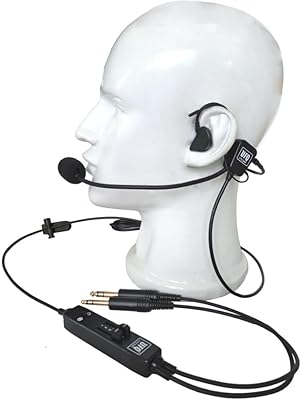
Overview

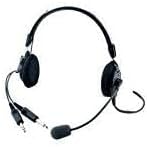
The Telex Airman 850 ANR Aviation Headset has been a fixture in general aviation since 2008 — a run that speaks to its staying power in a market that tends to be unforgiving of mediocre gear. Telex, a brand with deep roots in professional communications, built this headset specifically for the cockpit: wired, practical, and focused on active noise reduction without unnecessary complexity. This is not a luxury headset chasing audiophile accolades. It sits in the mid-to-premium GA segment, targeting pilots who want real ANR performance and long-haul comfort at a price that does not demand a second mortgage. Honest, capable, and proven.
Features & Benefits

The 12 dB of ANR this headset delivers will not match top-shelf numbers from the priciest names in aviation, but in a typical piston single or twin it meaningfully tames engine drone and propeller noise — enough that you feel noticeably less fatigued after a three-hour cross-country. The electret microphone handles cockpit noise with clarity that controllers can easily understand. Dual PJ plugs connect straight into virtually any GA aircraft without adapters. The balanced armature driver produces audio that is cleaner and more detailed than a typical dynamic driver, which matters when parsing ATC through static. At just four ounces, long-flight comfort is genuinely achievable, and the retractable cable keeps things tidy in cramped cockpits.

Best For

This ANR pilot headset is a natural fit for student pilots grinding through training hours in noisy Cessnas and Pipers, where ear fatigue is a real concern over long sessions. Flight instructors will also appreciate the microphone cutting through the ambient roar of a dual-instruction environment cleanly. If you are a private pilot who flies mostly VFR cross-countries and wants wired ANR reliability without worrying about battery life or Bluetooth dropouts, this GA headset checks those boxes efficiently. It is particularly well-suited to pilots who travel light — the included case and modest weight make it easy to toss into a flight bag. Less ideal where top-tier noise attenuation is mission-critical.

User Feedback

Pilots who have spent real hours with the Airman 850 consistently point to all-day wearing comfort as a highlight — particularly during extended cross-countries where headset fatigue becomes its own distraction. The microphone draws consistent praise for remaining intelligible even in rougher ambient conditions. On the other side, some users note the clamping force runs firm out of the box, especially for wider heads, and the plastic construction can feel less substantial next to metal-framed competitors. Long-term owners occasionally flag ear cushion wear after a couple of years of regular use. Many reviewers describe it as their first meaningful step up from a passive headset — a genuine upgrade, even if not necessarily the last one they will ever make.

Pros

  • Meaningful ANR performance in typical piston GA aircraft significantly reduces ear fatigue on longer flights.
  • The electret microphone transmits voice clearly even with high ambient noise in the cockpit.
  • Dual PJ plugs make this GA headset compatible with virtually every general aviation aircraft out of the box.
  • At just four ounces, it is light enough to wear for a full cross-country without neck or jaw strain.
  • Wired-only design means zero battery anxiety and no pairing hassles before every flight.
  • The retractable cable keeps the cockpit tidy and reduces snag points in tight spaces.
  • Proven market longevity since 2008 suggests reliable availability of accessories and replacement parts.
  • The included protective case adds practical value for pilots who move the headset between aircraft or store it in a bag.
  • Balanced armature driver produces noticeably cleaner audio than typical entry-level dynamic-driver headsets.
  • Compact dimensions make it easy to pack and store without a dedicated headset bag.

Cons

  • The 12 dB ANR rating lags behind higher-end competitors, which can matter in louder cockpit environments.
  • Plastic construction feels less durable and less premium compared to metal-framed alternatives at a similar price point.
  • Clamping force is firm out of the box and can cause discomfort for pilots with wider heads during extended sessions.
  • No Bluetooth or wireless capability limits its usefulness for pilots who want audio streaming or phone integration.
  • Ear cushions are prone to wear after a couple of years of regular use and may need replacement.
  • Headband padding can degrade over time with heavy use, which is a recurring complaint among long-term owners.
  • The ANR system offers no adjustability — you get what you get, with no low or high attenuation mode.
  • Pilots upgrading from this headset to a top-tier ANR model often report wishing they had made the jump sooner.

Ratings

The scores below for the Telex Airman 850 ANR Aviation Headset were generated by our AI engine after analyzing verified buyer reviews from pilots worldwide, with spam, bot-submitted, and incentivized feedback actively filtered out before scoring. Each category reflects the honest distribution of real-world experiences — not just the highlights — so both consistent strengths and recurring frustrations are transparently baked into every number.
Noise Reduction Performance
74%
26%
In typical piston single-engine cockpits, pilots consistently report that the ANR takes a real edge off engine and propeller drone, making two- and three-hour cross-countries noticeably less fatiguing than flying with a passive headset. For student pilots upgrading for the first time, the improvement feels substantial and immediate.
The 12 dB attenuation figure sits below what higher-end ANR headsets achieve, and pilots who have flown with premium alternatives often describe the noise floor as still noticeably present, particularly during run-up or in noisier twin-engine environments. In louder cockpits, the gap becomes hard to ignore.
Microphone Clarity
83%
The electret microphone earns consistent praise from flight instructors and active cross-country pilots alike — ATC readbacks come through clearly, and controllers rarely ask for repeats even in turbulent or high-noise conditions. Transmission quality holds up well without the pilot needing to shout or adjust mic position frequently.
A minority of users report occasional wind noise pickup when flying with windows cracked or in turbulent conditions, and a small number noted that the mic boom can work loose from its optimal position over time, requiring periodic readjustment mid-flight.
Wearing Comfort
78%
22%
At just four ounces, this GA headset sits on the head with remarkably little weight, which pays real dividends on longer flights where heavier headsets start to create neck and jaw fatigue. Many pilots specifically cite comfort as the reason they continue to reach for it over other options they own.
The clamping force is firm, and pilots with wider or larger heads frequently flag discomfort after the first hour, particularly around the temples. The clamp does soften slightly with extended use, but for some users it never fully reaches a pressure-free sweet spot without manual adjustment to the headband.
Build Quality
61%
39%
The construction is functional and holds together well enough under regular flying use — many owners report years of reliable service without structural failures, which speaks to adequate engineering even if the materials are not premium.
The all-plastic construction is the most consistently cited criticism across user reviews. Compared to metal-framed competitors in the same segment, the Airman 850 feels noticeably less solid in the hand, and the headband in particular shows visible wear and minor play after sustained use — something pilots who handle their gear roughly may notice sooner.
Audio Fidelity
79%
21%
The balanced armature driver produces cleaner, more articulate audio than the dynamic drivers found in most entry-level aviation headsets, making ATC audio easier to parse through static and interference during long IFR legs. Pilots who fly in busy airspace appreciate the additional definition when frequencies get congested.
Audio quality is calibrated for communication intelligibility rather than listening pleasure, so pilots who want to enjoy music or podcasts during long cruise segments may find the frequency response a little narrow and mid-heavy compared to general-purpose over-ear headphones.
Aircraft Compatibility
94%
The dual PJ plug GA standard means this ANR pilot headset connects without adapters to virtually every general aviation aircraft a typical private or student pilot will encounter — from club Cessnas and flight school Pipers to personal touring aircraft and light twins. There are essentially no compatibility headaches at the GA level.
Pilots who also fly helicopters or military-specification aircraft will find the GA plug setup incompatible without adapters, and the wired-only design rules out aircraft with Bluetooth-enabled audio panels that some newer installations are beginning to feature.
Ear Cushion Longevity
58%
42%
Replacement ear seals are available through aviation parts channels, and pilots who do swap them out report that the refreshed cushions restore comfort noticeably — a worthwhile maintenance step for long-term owners who fly frequently.
Ear cushion degradation is one of the most consistently mentioned long-term complaints — the foam and leatherette material shows compression and surface cracking within roughly two years of regular use for pilots flying multiple times per week. This is an ongoing ownership cost that buyers should factor in upfront.
Cable Design & Management
81%
19%
The retractable cable is a genuinely practical feature in a cramped cockpit — it keeps excess cable from draping across the yoke or catching on the throttle quadrant, which is a small but real quality-of-life improvement during busy phases of flight.
Some long-term users report that the retraction mechanism stiffens over time and eventually stops retracting as smoothly as it did when new, which can make cable management more manual and fiddly than expected after the first year or two of heavy use.
Value for Money
76%
24%
For pilots who want verified ANR performance and a capable electret microphone without stretching into flagship headset territory, the Airman 850 represents a reasonable exchange — the core flying functions work reliably, and the headset has earned a loyal following among budget-conscious private pilots and students for exactly this reason.
As competing ANR headsets in the segment have improved and, in some cases, narrowed the price gap, the Airman 850 is increasingly judged against alternatives that offer deeper noise attenuation or better build materials at comparable cost, which makes the value calculation feel tighter than it once did.
Headband Durability
63%
37%
The headband adjustment mechanism functions reliably in the short to medium term and holds its set position well during flight, which matters for pilots who share the headset between multiple heads or resize it frequently.
Headband padding wear is a recurring theme among owners who have used the headset beyond the two-year mark — the cushioning compresses and the outer material can crack, which affects both comfort and appearance. This is not a failure per se, but it does signal that the headband materials were not engineered for indefinite heavy use.
Setup & Ease of Use
91%
There is genuinely nothing complicated about using this headset — plug in the GA connectors, adjust the headband, and fly. Pilots new to ANR headsets appreciate not having to navigate Bluetooth pairing, app configuration, or complex mode switching before a flight.
The absence of any ANR intensity adjustment means pilots flying a wide range of aircraft types cannot fine-tune attenuation to suit different noise environments, which is a small but real limitation compared to headsets that offer selectable ANR levels.
Portability & Storage
85%
The compact form factor and lightweight build make this one of the easier GA headsets to travel with — it fits into a standard flight bag without monopolizing space, and the included protective case adds just enough structure to prevent the mic boom and ear cups from getting damaged during transport.
The included case is a basic soft-style protective sleeve rather than a rigid hard-shell case, so pilots who pack their bags aggressively or check luggage during travel may want to invest in additional protection to avoid damage to the plastic housing or ear cups.
Long-Term Reliability
72%
28%
The headset has been in continuous production since 2008, and there is a meaningful base of pilots who report years of regular service without major electronic failures — the ANR circuit and microphone in particular tend to hold up well over time when the headset is treated with reasonable care.
Cosmetic and comfort degradation — cracking plastic, worn cushions, stiffening headband — tends to set in faster than the electronics fail, which means the headset can still work functionally while feeling noticeably worse to wear than it did when new. Long-term owners should budget for periodic refresh of the wearing components.

Suitable for:

The Telex Airman 850 ANR Aviation Headset is a strong match for student pilots and working private pilots who spend meaningful time in piston-powered GA aircraft and want active noise reduction without stepping into top-tier territory. If you are flying a Cessna 172, a Piper Cherokee, or a similar trainer week after week, the fatigue reduction from 12 dB of ANR adds up quickly over a training season — your ears and your focus will both thank you by the end of a long dual lesson. Flight instructors who talk constantly and need their voice transmitted cleanly will find the electret microphone more than capable in noisy cockpit environments. The wired GA plug setup means no fussing with pairing, battery checks, or Bluetooth dropout anxiety — you plug in and fly. Pilots who travel light and want a proven headset that fits a flight bag without drama will also appreciate the four-ounce weight and the included protective case.
Not suitable for:

Pilots who demand the deepest possible active noise attenuation — particularly those regularly flying high-performance twins, turboprops, or other higher-noise-floor aircraft — may find that the Telex Airman 850 ANR Aviation Headset does not cut enough ambient noise to satisfy. If you have already used a flagship ANR headset and are accustomed to its attenuation depth, stepping down to 12 dB will feel like a noticeable trade-off. Buyers who prefer premium build materials and a solid, metal-framed feel may also be put off by the plastic construction, which, while functional, does not inspire the same confidence as heavier-duty alternatives. Anyone who needs Bluetooth connectivity for music streaming or phone integration will need to look elsewhere, as this is a purely wired setup with no wireless functionality. Finally, pilots with wider heads or sensitivity to clamping pressure should be aware that the fit runs on the firmer side.

Specifications

  • Noise Reduction: The active noise reduction system attenuates ambient cockpit noise by 12 dB, meaningfully reducing engine and propeller drone during flight.
  • Audio Driver: Uses a balanced armature driver, which delivers cleaner and more detailed audio reproduction than conventional dynamic drivers commonly found in entry-level headsets.
  • Microphone Type: An electret condenser microphone is fitted for voice capture, optimized to maintain transmission clarity in high-ambient-noise cockpit environments.
  • Connectivity: Wired connection via dual PJ plugs (GA plug standard), compatible with the vast majority of single-engine and twin-engine general aviation aircraft.
  • Jack Type: Includes a 3.5 mm jack in addition to the dual PJ plug configuration for auxiliary audio connectivity.
  • Cable Design: The cable is retractable, reducing cockpit clutter and minimizing snag risk in confined flight deck environments.
  • Ear Placement: Over-ear (circumaural) ear cup design fully encloses the ear to combine passive isolation with active noise reduction.
  • Weight: The headset weighs 4 ounces (approximately 113 g), keeping head and neck strain minimal during extended flight sessions.
  • Dimensions: Overall product dimensions measure 9.9 x 7.1 x 3.1 inches, making it compact enough to fit comfortably in a standard flight bag.
  • Material: Primary construction uses plastic throughout the headband and ear cup housings, keeping overall weight low at the cost of a less premium tactile feel.
  • Volume Control: An inline remote control provides volume adjustment without requiring the pilot to interact with the aircraft audio panel.
  • Included Accessories: Ships with a protective carrying case to shield the headset during transport and storage between flights.
  • Compatibility: Designed specifically for general aviation communication systems and compatible with standard GA aircraft audio panels.
  • Power Requirement: The ANR circuit requires power to operate; the headset relies on an internal power source to drive the active noise reduction electronics.
  • Intended Use: Purpose-built for aviation communication in cockpit environments, not designed for general consumer music listening or non-aviation use.
  • Market Availability: The product has been commercially available since February 2008 and is listed as not discontinued by the manufacturer, supporting parts and accessory availability.
  • Manufacturer: Produced by Telex Communications, a brand with a long-standing background in professional aviation and broadcast audio equipment.
  • Package Contents: The standard package includes one headset unit and one protective case; count is listed as a single unit with no additional accessories bundled.

Related Reviews
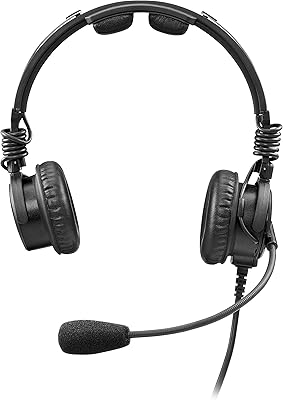
Telex Airman 8 ANR Aviation Headset
74%
74%
ANR Performance
61%
Microphone Clarity
52%
Comfort & Fit
81%
Build Quality
67%
Value for Money
More
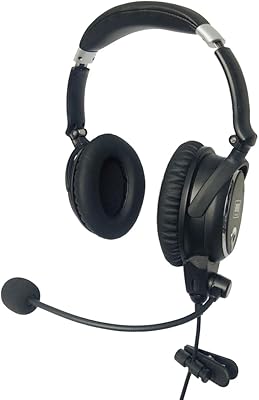
UFQ A7 ANR Aviation Headset
79%
91%
Wearing Comfort
74%
ANR Performance
83%
Microphone Quality
77%
Build Quality
89%
Battery Life
More
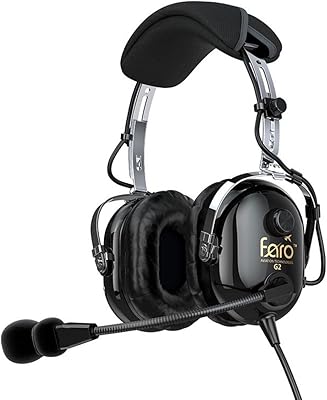
Faro G2 ANR Pilot Aviation Headset
78%
83%
Active Noise Reduction
78%
Microphone Clarity
91%
Battery Life
74%
Comfort & Fit
67%
Build Quality
More
Lightspeed Aviation Sierra ANR Aviation Headset
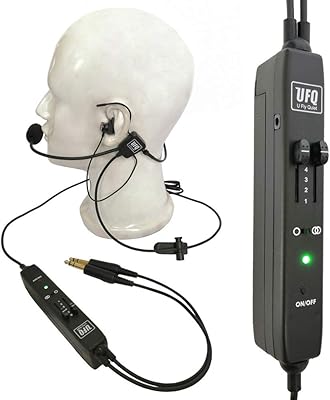
77%
84%
ANR Performance
76%
Comfort & Fit
71%
Bluetooth Reliability
83%
Build Quality
81%
Microphone Quality
More
UFQ L2 ANR In-Ear Aviation Headset
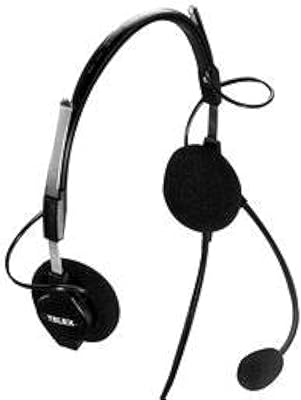
81%
83%
Comfort & Wearability
71%
Active Noise Reduction
63%
Fit & Seal Consistency
68%
Microphone Performance
74%
Build Quality
More
Telex Airman 750 Aviation Headset
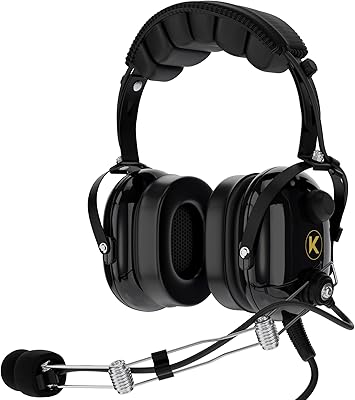
78%
88%
Build Quality
67%
Noise Isolation
74%
Microphone Clarity
61%
Comfort & Fit
79%
Audio Clarity
More
Kore Aviation P1 Aviation Pilot Headset
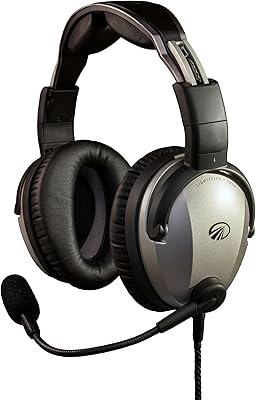
76%
93%
Value for Money
71%
Noise Reduction
88%
Microphone Clarity
67%
Comfort & Fit
84%
AUX Connectivity
More
ASA HS-1 Aviation Headset
78%
71%
Noise Reduction
78%
Microphone Clarity
66%
Comfort & Fit
82%
Build Quality
74%
Audio Clarity
More
Kore Aviation KA-1 Aviation Headset
79%
86%
Comfort & Fit
74%
Noise Reduction
83%
Microphone Quality
81%
Audio Clarity
71%
Build Quality
More
Lightspeed Zulu 3 Aviation Headset
83%
93%
Active Noise Reduction
89%
Comfort & Fit
91%
Build Quality
78%
Bluetooth Performance
88%
ComPriority System
More

FAQ

Yes, the dual PJ plug configuration is the GA standard and will connect directly to the audio panel in virtually any Cessna, Piper, Beechcraft, or similar piston GA aircraft. No adapter should be needed for typical trainers or touring aircraft.

Most pilots coming from a passive-only headset report a clear and immediate reduction in the low-frequency drone from the engine and propeller. It will not make the cockpit silent, but after a two- or three-hour flight you will likely feel less mentally worn down than you would with passive attenuation alone. The 12 dB of reduction is genuine and meaningful, even if it does not match the depth of higher-end ANR headsets.

If the ANR circuit loses power, the headset will still function as a passive headset — you will still hear audio and be able to transmit — but the active noise reduction will be inactive. It is worth monitoring battery status before longer flights to avoid this situation.

It is a solid option for student pilots who want to invest in a real ANR headset early rather than spending heavily on a passive model they will eventually replace. The comfort during long dual lessons and the clear microphone performance are both genuinely useful during training, and the GA plug compatibility means it will work in essentially any training aircraft you are likely to encounter.

The fit tends to run on the firmer side, which some pilots find reassuring for stability but others find uncomfortable over extended sessions, particularly those with wider heads. The ear cups can be adjusted, and the clamp typically softens a little with use over time. If you have had trouble with tight-fitting headsets in the past, it is worth trying one on before committing.

You can route audio through the 3.5 mm jack, but keep in mind this headset is engineered for cockpit communication rather than entertainment audio. The balanced armature driver does produce cleaner sound than many basic aviation headsets, so casual listening is workable, but it is not designed or marketed as a music headset.

Based on consistent user feedback, the ear cushions tend to show noticeable wear after roughly two years of regular flying, though this varies depending on how often the headset is used and how it is stored. Replacement ear seals are generally available through aviation parts suppliers, which is one benefit of the headset having been on the market for well over a decade.

It will function in those aircraft, but pilots who regularly fly higher-noise-floor environments — turboprops, high-performance piston twins — often find that 12 dB of ANR is not quite enough to take the edge off the way they would like. If your primary flying is in noisier aircraft, you may want to look at headsets offering deeper attenuation.

Most users find the retractable cable a genuine convenience — it keeps excess cable from tangling around the yoke or control column, which can be a real nuisance in a tight cockpit. A small number of users have noted that the retraction mechanism can feel a little stiff over time, but it is generally considered a useful feature rather than a liability.

It is a functional carrying case rather than a premium hard-shell solution, but it does provide adequate protection against dust, scratches, and minor impacts during transport. For pilots who move the headset between aircraft or store it in a shared flight bag, it is a worthwhile inclusion that helps preserve the ear cups and mic boom between flights.

Where to Buy