Overview

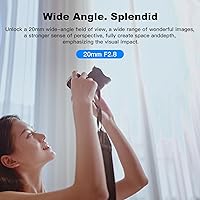
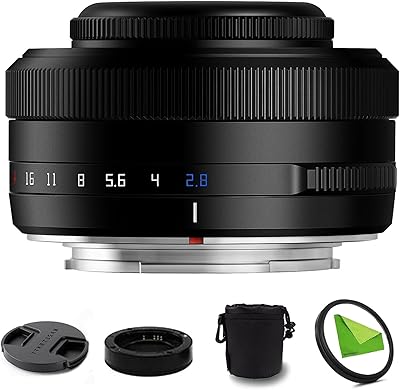
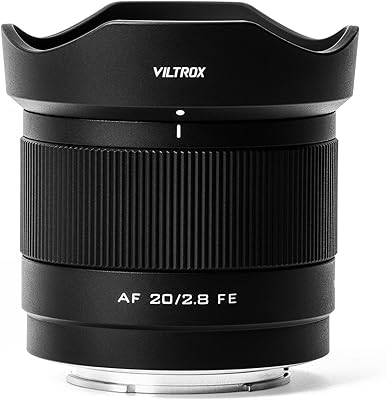
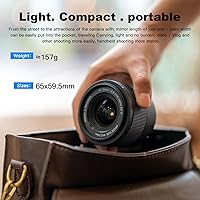
The Viltrox AF 20mm F2.8 Wide-Angle Lens arrived in early 2024 as a native Z-mount option that Nikon shooters had been quietly waiting for — a full-frame ultra-wide prime that doesn't demand a premium price. At 20mm with an F2.8 aperture, this wide-angle prime covers landscapes, tight interiors, and busy street scenes with real confidence. What makes it stand out in a crowded third-party market is the weight: just 157g, putting it among the lightest full-frame options at this focal length. Nikon's own Z-mount wide primes cost considerably more, so this compact Z-mount lens lands in a genuinely useful spot for budget-conscious shooters.
Features & Benefits

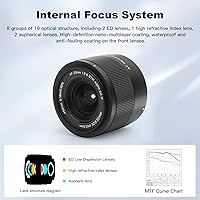
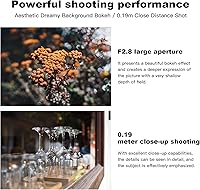
The Viltrox 20mm F2.8's optical formula — 10 elements in 8 groups, including 2 ED elements and 2 aspherical lenses — does solid work controlling chromatic aberration and distortion across the frame. The near-silent autofocus motor is a genuine plus for video shooters; it won't bleed into on-camera audio the way a noisier lens might. At a 0.19m minimum focus distance, this wide-angle prime can get surprisingly close to a subject, adding flexibility well beyond wide establishing shots. EXIF data passes through correctly to your camera body, and the USB firmware port means you're not locked into launch-day performance — Viltrox has a solid track record of pushing post-release improvements.

Best For

This wide-angle prime makes the most sense for photographers and creators who spend a lot of time on the move. At under 160g, it slips into a jacket pocket without a second thought — a real advantage when you're already carrying a full mirrorless body. Travel photographers and landscape shooters will appreciate the wide field of view paired with a workable low-light aperture. Street photographers benefit from the quiet focus motor, and videographers get a native AF lens that won't break the bank. Beginners moving from kit zooms to primes will find 20mm genuinely versatile. It's less suited for wildlife or fast-action sports, where longer reach matters more.

User Feedback

With 138 ratings averaging 4.5 out of 5 stars, buyer sentiment is consistently positive, though not without nuance. The sharpness-to-price ratio draws the most praise — many reviewers note it punches well above its cost, especially in center-frame performance. Autofocus gets solid marks for everyday shooting, though a handful of users caution against expecting miracles in chaotic, fast-moving scenes. Two recurring criticisms are worth noting: vignetting at F2.8 is noticeable in the corners but resolves clearly at F4, and architectural shooters flag mild barrel distortion that corrects easily in post-processing. Build quality earns consistent praise given how little the lens weighs, and the overall critical feedback remains minor.

Pros

  • At 157g, the Viltrox 20mm F2.8 is one of the lightest full-frame wide primes available for Nikon Z cameras.
  • Center-frame sharpness consistently impresses buyers, especially given the accessible price point.
  • Native Z-mount autofocus is quick and reliable for travel, street, and everyday shooting scenarios.
  • The near-silent AF motor is a genuine advantage for video creators and candid photographers alike.
  • USB firmware upgradability means AF and compatibility improvements can be pushed post-purchase.
  • Full EXIF data transmission integrates cleanly with Lightroom, Capture One, and in-camera corrections.
  • A 0.19m minimum focus distance adds creative flexibility well beyond what most wide primes offer.
  • Solid build quality feels confidence-inspiring in hand despite the compact, lightweight construction.
  • This compact Z-mount lens covers the full Nikon Z mirrorless lineup, from the Z30 to the Z9.
  • Vignetting and distortion, while present, respond well to standard lens correction profiles in editing software.

Cons

  • Corner sharpness drops noticeably at F2.8, which limits usefulness for astrophotography and flat-field work.
  • Barrel distortion at 20mm requires post-processing correction for architecture and real estate shooting.
  • No weather sealing makes outdoor use in rain or dusty environments a real risk.
  • Focus breathing during video rack-focus pulls is visible enough to concern narrative filmmakers.
  • Autofocus can hesitate in low-contrast or fast-action scenarios — it is not a sports lens.
  • Vignetting at maximum aperture is prominent enough to be distracting in evenly lit wide-angle scenes.
  • The compact form factor can feel awkward on larger Z bodies, reducing ergonomic comfort in long sessions.
  • Long-term firmware support depends entirely on Viltrox sustaining update cadence as the product ages.
  • Lateral chromatic aberration appears on high-contrast edges at wide apertures, requiring correction in post.

Ratings

The Viltrox AF 20mm F2.8 Wide-Angle Lens has been scored by our AI system after analyzing verified buyer reviews from global markets, with spam, bot activity, and incentivized feedback actively filtered out. Across hundreds of real-world shooting experiences — from mountain landscapes to city streets — clear patterns emerged in both what this compact Z-mount lens gets right and where it falls short. The scores below reflect that full picture, strengths and frustrations alike.
Image Sharpness
88%
Center sharpness consistently draws praise from users shooting landscapes and architecture, with many noting that detail rendering holds up well even at F2.8. Stopped down to F5.6 or F8, reviewers describe edge-to-edge clarity that feels more expensive than the price suggests.
Corner sharpness at wide-open apertures is noticeably softer, which some photographers find limiting when shooting flat subjects like starry skies or wide-angle interiors where edge detail matters across the full frame.
Autofocus Performance
83%
For everyday use — street photography, travel vlogging, and general walkaround shooting — the native AF motor locks on quickly and quietly enough to feel genuinely reliable. Video shooters in particular appreciate how smoothly focus transitions without hunting or snapping.
In fast-moving or low-contrast scenes, a few users report hesitation or occasional missed locks. It is a strong performer for its class and price, but expecting sports or wildlife-level tracking speed would be setting the bar unfairly high for this lens.
Build Quality & Durability
81%
19%
Despite the lightweight 157g body, most users describe the physical construction as solid and well-assembled, with no wobble in the mount or barrel. Photographers who regularly toss it in a bag report no signs of premature wear after months of regular use.
There is no weather sealing, which is a real limitation for outdoor photographers shooting in rain or dusty conditions. A small number of users also wished the aperture ring had more tactile resistance to prevent accidental adjustments during handling.
Value for Money
93%
This is where the wide-angle prime earns its most enthusiastic user praise. Buyers repeatedly note that the combination of full-frame coverage, native AF, and respectable optics at this price point is genuinely hard to argue against, especially compared to first-party Nikon alternatives.
A handful of buyers who upgraded from the lens after extended use feel the optical limitations — vignetting, edge softness — do eventually push serious shooters toward pricier glass. At the entry level it excels, but growth-minded photographers may outgrow it.
Portability & Size
96%
At 157g, this is one of the most pocketable full-frame prime lenses available for Nikon Z cameras, and real-world users feel that difference immediately. Travel photographers frequently mention pairing it with a compact Z body as a genuinely carry-everywhere kit that imposes almost no burden.
For users with larger hands, the compact form factor can make the lens feel a little short when attached to bigger Z bodies like the Z9, reducing ergonomic comfort during extended handheld sessions.
Vignetting Control
62%
38%
When stopped down to F4 or F5.6, vignetting becomes largely negligible, and most photographers shooting landscapes or travel scenes in good light will rarely notice it as a practical problem in those conditions.
At F2.8, corner darkening is visible enough that users shooting astrophotography or evenly lit architectural scenes will need to apply lens corrections in post. It is correctable, but it is a consistent point of friction that surfaces across a meaningful portion of reviews.
Distortion
67%
33%
For general travel, street, and environmental photography, the level of barrel distortion is mild enough that most users never feel the need to correct it. Subjects with organic shapes or unstructured environments mask it effectively.
Architectural photographers and real estate shooters flag it more pointedly — straight lines near frame edges show noticeable bowing at 20mm. Software correction handles it well, but it adds a post-processing step that buyers should factor into their workflow.
Chromatic Aberration
78%
22%
The two ED elements in the optical formula do their job well in typical shooting conditions, and reviewers shooting landscapes and street scenes in natural light rarely call out fringing as a noticeable issue in everyday images.
High-contrast edges — bare tree branches against a bright sky, backlit architectural details — can reveal some lateral chromatic aberration at wide apertures. It is not severe, but users doing pixel-level inspection or large prints will likely want to correct it.
Low-Light Performance
79%
21%
The F2.8 aperture gives users a workable advantage when light drops, and photographers shooting golden-hour landscapes or dimly lit interiors report genuinely usable results without relying heavily on high ISO settings.
Compared to faster primes at F1.8 or F1.4, the light-gathering advantage has clear limits. Users expecting night street photography or indoor event shooting without flash may find F2.8 just barely sufficient, depending on their camera body's ISO performance.
Video Usability
84%
The near-silent AF motor is the standout feature for video users — on-camera microphones pick up very little mechanical noise, making this compact Z-mount lens genuinely practical for solo content creators and documentary-style shooters who cannot use separate audio rigs.
There is some focus breathing noticeable during close-to-infinity focus pulls, which is a concern for narrative filmmakers or anyone doing precise rack-focus transitions. It is manageable but worth knowing before committing to a video-heavy workflow.
Close-Focus Capability
74%
26%
A 0.19m minimum focus distance gives this wide-angle prime an unexpectedly flexible creative range. Users shooting travel details — food, textures, small objects in context — find it adds a dimension to the lens that a typical wide prime at this focal length would not offer.
The 0.17x maximum magnification means it is firmly a near-focus feature, not macro performance. Buyers hoping to use it for detailed product or nature close-ups will find it falls short of what a dedicated macro lens delivers.
Firmware & Long-Term Support
82%
18%
The USB-C firmware upgrade port is a practical feature that users with longer ownership experience genuinely appreciate. Viltrox has demonstrated a willingness to push post-launch updates that improve AF performance and compatibility, adding real-world value over time.
Firmware update availability depends entirely on Viltrox's ongoing support commitment, which newer buyers cannot guarantee long-term. Users with older Viltrox lenses note that support cadence can slow as products age, which introduces some uncertainty.
Autofocus Noise
89%
For photographers who shoot candid street or event work, the quiet focus motor means the lens does not announce itself — subjects are less likely to react or look toward the camera, preserving the naturalness of unposed moments.
In truly silent environments — museum interiors, libraries, quiet ceremonies — a faint mechanical sound is still perceptible to the photographer, even if not to nearby subjects. It is near-silent, not completely silent, and users should set expectations accordingly.
Compatibility & EXIF Integration
91%
Full native EXIF data transmission means aperture, focal length, and focus distance data flow cleanly into Lightroom, Capture One, and in-camera metadata. Photographers who rely on this data for organization or automatic lens correction profiles benefit noticeably.
A small number of users on specific Z-body firmware versions reported occasional EXIF inconsistencies at launch, though most of these issues appear to have been resolved through subsequent Viltrox firmware updates.
Aesthetic Rendering & Bokeh
71%
29%
At 0.19m focus distance and F2.8, this wide-angle prime produces more background separation than most people expect from a 20mm lens. Users shooting environmental portraits or detail shots in cluttered travel scenes find the rendering pleasant and natural.
At typical landscape or street shooting distances, subject separation is minimal as expected at this focal length, and bokeh quality is not a primary strength. Buyers looking for smooth, creamy background blur should look toward longer focal lengths.

Suitable for:

The Viltrox AF 20mm F2.8 Wide-Angle Lens is a strong match for Nikon Z-mount photographers who want a capable wide prime without spending significantly on first-party glass. Travel photographers especially stand to benefit — at just 157g, this compact Z-mount lens slips into a jacket pocket and adds virtually no burden to a day pack, yet delivers full-frame coverage across landscapes, cityscapes, and tightly framed interiors. Street photographers will appreciate the near-silent autofocus motor, which keeps the shooting experience discreet and avoids alerting subjects. Videographers and content creators running solo setups will find the quiet AF and wide field of view well-suited for vlogging, documentary work, and environmental storytelling. Beginners making their first move from kit zoom lenses to primes will also find 20mm a genuinely versatile focal length that teaches compositional discipline without feeling too restricting in everyday use.

Not suitable for:

The Viltrox AF 20mm F2.8 Wide-Angle Lens is not the right tool for every Nikon Z shooter, and it is worth being clear-eyed about where it falls short. Architectural and real estate photographers who need geometrically precise images straight out of camera will find the barrel distortion at 20mm frustrating — it is correctable in post, but it adds a consistent step to an already demanding editing workflow. Astrophotographers or wide-angle portrait shooters who demand clean, sharp corners wide open will be disappointed by the softness and vignetting at F2.8, which is noticeable enough to matter in technically demanding work. Sports and wildlife photographers should look elsewhere entirely; the autofocus is capable for general use but is not built for tracking fast, erratic subjects. Photographers who regularly shoot in rain, dust, or harsh outdoor conditions will also find the lack of weather sealing a genuine limitation rather than a minor inconvenience.
Specifications

  • Focal Length: This lens has a fixed 20mm focal length, providing an ultra-wide angle of view suitable for full-frame Nikon Z-mount cameras.
  • Maximum Aperture: The maximum aperture is F2.8, allowing solid light gathering for low-light shooting without requiring a bulky optical design.
  • Lens Mount: Designed exclusively for the Nikon Z-mount, enabling full native communication with compatible Nikon mirrorless camera bodies.
  • Sensor Coverage: Provides full-frame image circle coverage, meaning it performs without crop or vignetting penalty on all full-frame Nikon Z bodies.
  • Optical Formula: Built with 10 elements arranged in 8 groups, incorporating 2 ED (Extra-low Dispersion) elements and 2 aspherical elements for aberration control.
  • Minimum Focus: The minimum focus distance is 0.19m (0.62 ft), enabling close-up detail capture at unusually short working distances for a wide-angle prime.
  • Max Magnification: Maximum magnification ratio is 0.17x, offering near-focus flexibility without reaching dedicated macro lens territory.
  • Autofocus System: Equipped with a native AF motor that operates near-silently, supporting continuous and single autofocus modes across all compatible Z-mount bodies.
  • EXIF Support: Full EXIF metadata transmission is supported, passing focal length, aperture, and focus distance data directly to the camera and editing software.
  • Firmware Upgrade: A USB-C port on the lens barrel allows direct firmware updates from a computer, enabling Viltrox to push performance and compatibility improvements post-purchase.
  • Weight: The lens weighs 157g, making it one of the lightest full-frame 20mm prime lenses currently available for any mirrorless system.
  • Dimensions: Physical dimensions measure 3.5 x 5 x 5 inches, resulting in a compact barrel profile that pairs well with smaller Z-mount bodies.
  • Compatible Cameras: Confirmed compatible with Nikon Z5, Z50, Z6, Z6II, Z7, Z7II, Z9, Zfc, Z30, and Z8 mirrorless camera bodies.
  • Filter Thread: The lens accepts standard front-mounted screw-in filters, allowing use of polarizers, ND filters, and UV protectors in the field.
  • Aperture Blades: The aperture diaphragm uses rounded blades to produce natural-looking out-of-focus rendering when shooting at close focus distances near maximum aperture.
  • Availability Date: This lens was first made available for purchase in February 2024, making it a relatively recent addition to the third-party Z-mount lens ecosystem.
  • Manufacturer: Designed and manufactured by Viltrox, a Chinese optics company with an established track record producing third-party lenses for major mirrorless mount systems.

Related Reviews
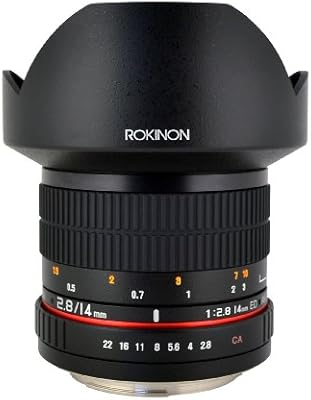
Rokinon 14mm F2.8 Wide Angle Lens
71%
83%
Optical Sharpness (Center Frame)
58%
Edge & Corner Sharpness
52%
Vignetting Control
61%
Chromatic Aberration
74%
Flare & Ghosting Resistance
More
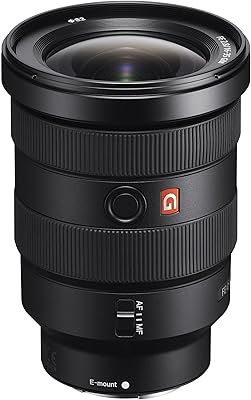
Sony FE 16-35mm F2.8 GM Zoom Lens
82%
94%
Optical Sharpness
91%
Aperture Consistency
89%
Autofocus Performance
88%
Build Quality & Weather Sealing
86%
Distortion Control
More
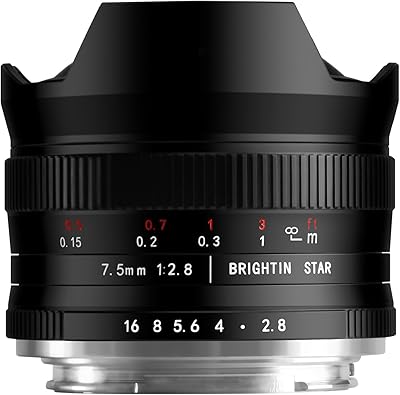
Brightin Star 7.5mm F2.8 III Fisheye Lens
75%
78%
Image Sharpness
88%
Value for Money
71%
Low-Light & Astrophotography Performance
82%
Build Quality & Construction
61%
Manual Focus Usability
More
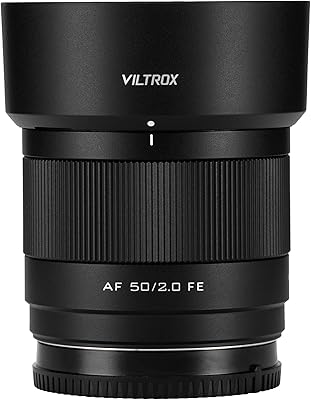
Viltrox AF 50mm F2.0 FE Lens
86%
89%
Image Quality
77%
Autofocus Performance
85%
Build Quality
91%
Low-Light Performance
96%
Portability/Weight
More
TTArtisan AF 27mm F2.8 Mirrorless Camera Lens
78%
83%
Autofocus Speed & Accuracy
71%
Image Sharpness
88%
Build Quality & Materials
74%
Bokeh & Background Rendering
93%
Portability & Form Factor
More
TTArtisan AF 27mm F2.8 XF-Mount Autofocus Lens
80%
78%
Autofocus Speed
74%
Autofocus Accuracy
83%
Optical Sharpness
81%
Bokeh Quality
71%
Build Quality
More
Viltrox 20mm f/2.8 FE Wide-Angle Lens
74%
93%
Value for Money
74%
Image Sharpness
71%
Autofocus Performance
67%
Build Quality
96%
Portability & Size
More
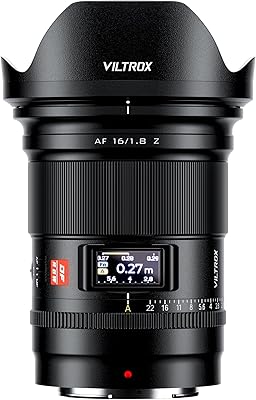
Viltrox AF 16mm F1.8 Wide Angle Lens
82%
91%
Optical Sharpness
84%
Chromatic Aberration Control
78%
Autofocus Performance
83%
Video Usability
88%
LCD Display Utility
More
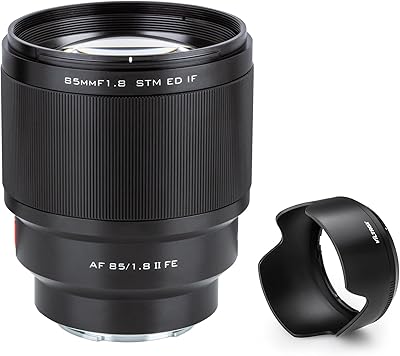
Viltrox AF 85mm F1.8 Mark II Lens
81%
86%
Autofocus Speed
91%
Autofocus Noise
88%
Center Sharpness
63%
Edge & Corner Sharpness
79%
Bokeh Quality
More
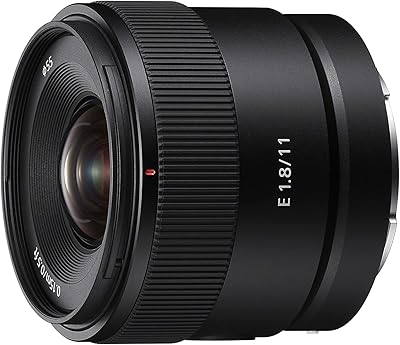
Sony E 11mm F1.8 APS-C Ultra-Wide-Angle Prime Lens
87%
93%
Autofocus Speed
91%
Image Quality
89%
Portability
74%
Low-Light Performance
88%
Build Quality
More

FAQ

Yes, it mounts and functions on APS-C Z bodies without any issues. Keep in mind that on a crop sensor body the effective field of view narrows to roughly 30mm equivalent, which changes the ultra-wide character of the lens noticeably. If you primarily shoot on an APS-C body and want a true ultra-wide feel, that is worth factoring into your decision.

It performs well for video in most practical situations — the motor is quiet enough that on-camera microphones pick up very little mechanical noise, and focus transitions are reasonably smooth. For slow-paced subjects like walking people or panning landscape shots, it handles things confidently. Fast-moving subjects or precise narrative rack-focus work will expose its limits, so manage expectations there.

No, there is no weather sealing on this lens. If you regularly shoot in rain, sea spray, or dusty environments, that is a real practical concern. A protective UV filter on the front element offers minimal help but does not substitute for proper sealing, so plan your shooting conditions accordingly.

At F2.8 the corner darkening is visible, particularly on evenly lit subjects or clear skies. Stopping down to F4 clears it up significantly for most shooting scenarios. Most raw processors — Lightroom, Capture One, and even Nikon's own NX Studio — have lens profiles that can apply automatic corrections, so it rarely becomes a persistent workflow problem.

You can do it yourself at home. Viltrox provides firmware files and a simple updater application on their website. You connect the lens directly to your computer via a USB-C cable using the port on the lens barrel, run the updater, and the process takes just a few minutes. It is straightforward enough that even less technically confident users handle it without issue.

The core trade-off is price versus optical perfection. Nikon's first-party wide primes offer better corner sharpness, weather sealing, and typically faster AF — but they cost considerably more. The Viltrox 20mm F2.8 gives you full native communication, solid center sharpness, and real-world usability at a fraction of that price. For most travel and everyday shooters, the gap in optical performance simply does not justify the difference in cost.

Yes, the lens communicates natively with high-end bodies like the Z9 and Z8, passing full EXIF data and supporting all standard AF modes. A small number of early users reported minor EXIF hiccups at launch, but subsequent firmware updates from Viltrox resolved those for most users. Keeping the lens firmware current is the easiest way to ensure smooth compatibility.

For typical travel, landscape, and street photography, most people never actively notice it — organic scenes naturally mask barrel distortion. Where it becomes genuinely frustrating is architectural photography, real estate shooting, or any subject with prominent straight horizontal or vertical lines near the frame edges. Software correction handles it cleanly, but it does add a post-processing step you should plan for.

Honestly, it feels great on compact bodies. The 157g weight and short barrel create a well-balanced combination with smaller Z cameras, and the overall package is genuinely pocketable in a jacket or large coat pocket. On larger bodies like the Z6II or Z9, it can feel a little short in the hand during extended shooting, but it is never uncomfortable to the point of being a real problem.

More than you might expect from a 20mm lens. At 0.19m minimum focus distance, you can shoot compelling close-up details — food on a table, small objects in a travel context, textured surfaces — with a dramatic wide-angle perspective that separates the subject from its environment in an interesting way. It is not a macro lens by any stretch, but it adds genuine creative range that a typical wide prime at this focal length would not give you.

Where to Buy