Rode SC6-L Lightning Dual-Input Mobile Interface
Overview
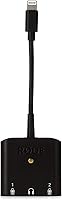
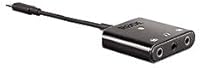
The Rode SC6-L Lightning Dual-Input Mobile Interface is a niche but genuinely useful accessory for anyone who records interviews directly on an iPhone or iPad. Strip away the jargon and it does one specific thing: it splits a single Lightning port into two TRRS inputs plus a headphone output, letting you run two lavalier microphones at once. It launched in 2018 as part of Rode's growing mobile audio lineup and works hand-in-hand with the RØDE Reporter App on iOS. Worth stating upfront — this is not a standalone recorder or a full audio interface. It relies entirely on your iOS device for processing, so temper expectations accordingly.
Features & Benefits
The SC6-L adapter's most practical feature is its dual TRRS inputs, which let you clip a lavalier on both yourself and your subject without any extra gear. Plug in a pair of headphones to the 3.5mm output and you can monitor audio live — a small thing that makes a real difference when recording in a noisy street or a busy event hall. Through the RØDE Reporter App, you can toggle direct monitoring, apply a gain boost, and switch between dual-mono and summed stereo recording modes. The whole unit weighs barely half an ounce and slips into any pocket. It works best with Rode's own smartLav+ mics; third-party TRRS mics may function but results are not guaranteed.
Best For
This dual-input interface was practically built for mobile journalists and field interviewers who use an iPhone as their primary camera. Think a reporter conducting a street interview, a wedding videographer capturing vows with two clip-on mics, or a YouTube creator shooting a sit-down conversation without a bulky recorder nearby. If you are already in the Rode ecosystem — meaning you own a pair of smartLav+ microphones — the SC6-L adapter slots in almost too easily. It is less suited to studio work or anyone who has already moved to a USB-C iPhone, since the Lightning connector becomes a compatibility concern as the lineup shifts. For run-and-gun recording on location, few solutions are this compact.
User Feedback
Buyers consistently praise the build quality and how quickly this Lightning mic splitter gets you recording — no firmware issues, no driver installs, just plug in and go. Real-world reviewers mention using it for news packages, YouTube sit-downs, and wedding ceremonies where two mics were non-negotiable. That said, two concerns come up repeatedly. The price feels steep relative to what the hardware actually does; it is a fairly simple adapter, and some buyers expected more for the cost. With Apple's shift to USB-C on newer iPhones, the Lightning connector is a genuine long-term concern for anyone thinking ahead. A handful of users also flagged inconsistent results with non-Rode TRRS microphones, so compatibility is not entirely universal.
Pros
- Lets you record two lavalier microphones simultaneously through a single iPhone Lightning port.
- Plug-and-play setup on iOS — no drivers, no configuration headaches, just connect and record.
- The dedicated headphone output lets you monitor audio live while recording, catching problems before they ruin a take.
- Weighs barely half an ounce and fits in a shirt pocket, making it one of the most portable dual-mic solutions available.
- The RØDE Reporter App adds useful controls like gain boost and dual-mono or summed stereo switching.
- Build quality feels solid and durable for field use, not flimsy like many small adapters.
- Works exceptionally well as part of a paired smartLav+ setup — a genuinely polished combination for interview recording.
- No external power source needed; draws everything it needs from the connected iOS device.
Cons
- The Lightning connector locks you out of USB-C iPhones, limiting the adapter's long-term usefulness as Apple's lineup shifts.
- The price feels difficult to justify for what is, at its core, a passive splitter adapter with no onboard processing.
- Compatibility with third-party TRRS microphones is inconsistent — you are largely expected to stay within the Rode ecosystem.
- The SC6-L adapter is iOS-only, so Android users or those working on Windows or Mac have no use for it.
- No physical gain knob or hardware controls; all adjustments require opening the RØDE Reporter App, which adds steps mid-shoot.
- The product has not been updated since its 2018 launch, raising questions about how long it will remain relevant or supported.
- Some users report that the direct monitoring introduces a slight latency that can be distracting during sensitive recordings.
- Offers no phantom power, ruling out any condenser microphone that requires external power to operate.
Ratings
The scores below reflect an AI-driven analysis of verified global user reviews for the Rode SC6-L Lightning Dual-Input Mobile Interface, with spam, bot activity, and incentivized feedback actively filtered out before scoring. Each category is rated independently, so both the genuine strengths and the recurring frustrations are represented with equal weight. Buyers can expect a transparent, balanced picture of how this adapter actually performs across real-world use cases.
Ease of Setup
Build Quality
Audio Quality
iOS Compatibility
Value for Money
Microphone Compatibility
Portability
App Integration
Headphone Monitoring
Longevity & Future-Proofing
Recording Flexibility
Packaging & Unboxing
Direct Monitoring Quality
Suitable for:
The Rode SC6-L Lightning Dual-Input Mobile Interface was built for a specific type of creator, and if you fit the profile, it delivers exactly what it promises. Mobile journalists who regularly conduct one-on-one interviews using an iPhone will get the most out of it — clip a smartLav+ on yourself and your subject, plug into your phone, and you are recording dual-channel audio in under a minute. Wedding videographers and documentary filmmakers who need a lightweight, discreet two-mic solution without hauling a dedicated recorder will also find it genuinely practical. It slots naturally into the Rode ecosystem, so if you already own a pair of smartLav+ microphones, this adapter completes that setup without friction. Content creators shooting YouTube sit-downs or on-location podcast episodes on an iPhone will appreciate how little space it takes up in a kit bag.
Not suitable for:
Anyone who has upgraded to a USB-C iPhone should think carefully before purchasing, because the Rode SC6-L Lightning Dual-Input Mobile Interface uses a Lightning connector that is incompatible with Apple's newer devices without a separate adapter — and even then, performance is not guaranteed. This is also not the right choice for Android users or anyone working outside the iOS ecosystem, since the companion app and the connector are both Apple-specific. If you need studio-quality gain control, multi-track recording, or phantom power for condenser microphones, this passive-style adapter will not meet those expectations — it is fundamentally a splitter that leans on your iPhone to do the heavy lifting. Buyers hoping to use a wide range of third-party TRRS microphones may hit compatibility walls, as the adapter is optimized around Rode's own smartLav+ and results with other brands can be inconsistent. Given that it launched in 2018, anyone planning to use it as a long-term investment should weigh the Lightning platform's declining relevance against the asking price.
Specifications
- Brand: Manufactured by Rode, an Australian audio company known for professional-grade microphones and accessories.
- Model Number: The official model designation is SC6-L, distinguishing it from the older SC6 designed for non-Lightning devices.
- Connector Type: Uses an Apple Lightning connector for direct plug-and-play connection to compatible iPhones and iPads.
- Inputs: Equipped with two 3.5mm TRRS input jacks for connecting up to two lavalier or other TRRS microphones simultaneously.
- Output: Features one 3.5mm TRRS headphone output jack for real-time audio monitoring during recording sessions.
- Channels: Supports two-channel recording, configurable as dual-mono or summed stereo through the companion app.
- Dimensions: Measures 5.08 x 1.57 x 0.39 inches, making it compact enough to carry in a pocket or small kit bag.
- Weight: Weighs just 0.528 ounces, adding virtually no burden to a mobile recording setup.
- Compatible OS: Works exclusively with Apple iOS devices; no Android, Windows, or macOS compatibility is supported.
- Companion App: Designed to work with the free RØDE Reporter App on iOS, which provides gain boost, monitoring controls, and recording mode selection.
- Gain Control: Offers a software-based gain boost toggle accessible via the RØDE Reporter App rather than a physical hardware knob.
- Monitoring: Direct monitoring can be enabled or disabled through the RØDE Reporter App, with audio routed to the 3.5mm headphone output.
- Mic Compatibility: Optimized for the Rode smartLav+ microphone; other TRRS microphones may work but are not officially guaranteed to perform consistently.
- Power Source: Draws power directly from the connected iOS device via the Lightning port; no batteries or external power supply are required.
- First Available: The product was first made available in August 2018 as part of Rode's expanding mobile audio accessory lineup.
- Average Rating: Holds an average customer rating of 4.0 out of 5 stars based on 286 ratings on Amazon at time of review.
Related Reviews
AnyTone AT-5888UV Dual Band Mobile Radio
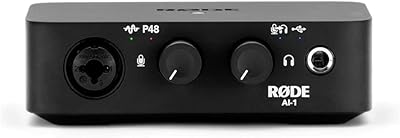
Rode AI-1
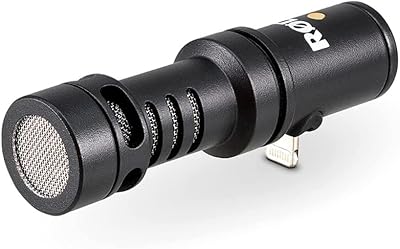
Rode VideoMic Me-L Lightning Microphone
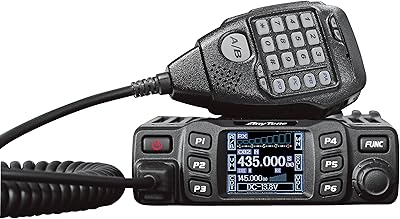
AnyTone AT-778UV Dual Band Mobile Radio
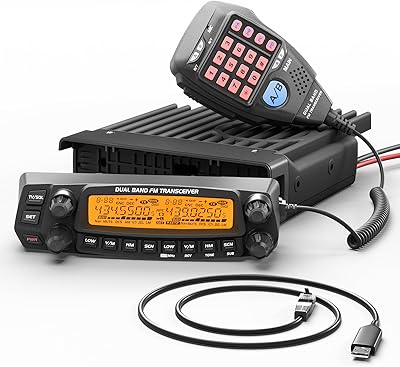
Radioddity DB50 Dual Band Mobile Radio Transceiver
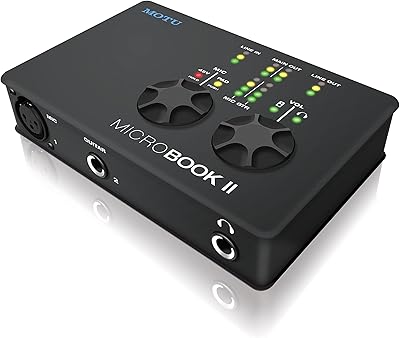
MOTU MicroBook IIc USB Audio Interface
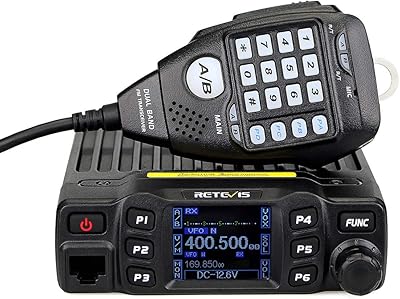
Retevis RT95 Dual Band Mobile Ham Radio
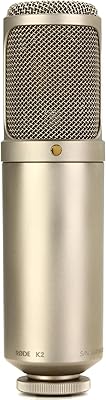
Rode K2 Tube Condenser Microphone
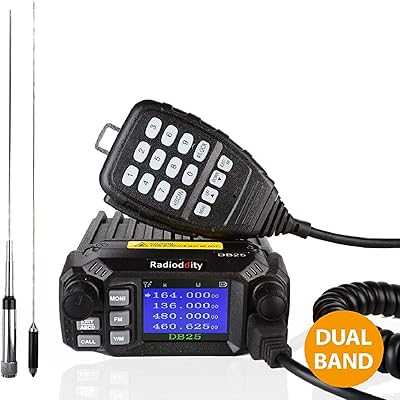
Radioddity DB25 Pro Dual Band Mobile Radio