Overview
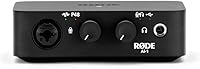
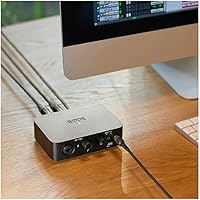
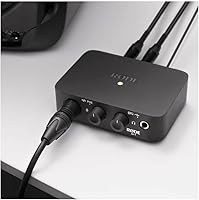
Starting out with the Rode AI-1, the first thing you notice is just how much heft is packed into such a small frame. It avoids the flimsy plastic feel common in entry-level gear, opting instead for a rugged aluminum chassis that sits firmly on your desk without sliding around when you plug in a cable. Setting up the Rode unit is about as simple as it gets thanks to the modern USB-C connection that handles both data and power. There are no cluttered menus or confusing displays here. Instead, you get a clean, minimalist layout with a few tactile knobs that offer immediate control over your levels. It is a refreshing departure from overly engineered devices that try to do too much at once.
Features & Benefits
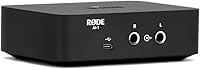
Under the hood, this recording hub relies on a discrete Class-A preamp that delivers remarkably clean gain, ensuring your vocal takes remain free from distracting background hiss. If you use a high-end condenser microphone, the switchable 48V phantom power provides the necessary juice without any extra fuss. One of the standout practical inclusions is the zero-latency monitoring feature. By simply pressing the volume knob, you can hear yourself in real time, which is vital for staying on pitch during a session. On top of that, the headphone amplifier is surprisingly beefy, easily driving studio cans that usually require a dedicated power source. Rounding out the back are balanced line outputs, allowing you to connect monitor speakers with a noise-free signal that professional users expect.
Best For
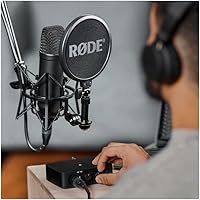
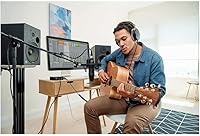
If you are a solo podcaster or a live streamer, this compact interface is a natural fit for your workflow. It strips away the complexity that often scares off home studio beginners, providing a focused environment where you can just plug in and start talking. Because it is entirely bus-powered, it also serves as a durable recording solution for traveling musicians who need to capture high-fidelity tracks in hotel rooms or remote spaces. While veteran engineers might miss having more inputs, vocalists who only ever record one microphone at a time will appreciate the straightforward path to a professional sound. It eliminates the need to navigate clunky software interfaces, making it ideal for anyone who prefers spending their time creating content rather than troubleshooting their hardware configuration.
User Feedback
Owners often point out that the Rode unit feels much heavier than expected, which is a major plus for anyone tired of lightweight gear being dragged off the table by a thick XLR cable. There is a general consensus that the sound clarity rivals much more expensive equipment, largely due to the transparent nature of the internal circuitry. People specifically appreciate the driver-free operation, as it works immediately upon being plugged in without necessitating a hunt for firmware updates. However, some users have noted the single-input limitation as a drawback if they eventually want to record an instrument and a vocal simultaneously. While this does restrict future expansion, most buyers find the trade-off for such a reliable, no-nonsense experience to be well worth the investment.
Pros
- The heavy aluminum body ensures the unit stays put on your desk even with heavy cables attached.
- Its discrete Class-A preamp provides a remarkably clean signal with very low floor noise for professional vocal tracks.
- A simple push of the volume knob engages zero-latency monitoring for instant real-time feedback while recording.
- The high-power headphone amp easily drives demanding studio-grade headphones that usually require external power.
- Plug-and-play USB-C connectivity means you can start recording on most computers without hunting for driver software.
- Balanced line outputs on the back provide a noise-free connection to your studio monitor speakers.
- The minimalist design is incredibly intuitive, making it accessible for users who find traditional interfaces intimidating.
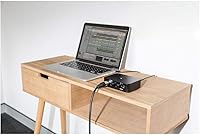
- Its compact size is perfect for small home office desks or mobile recording rigs where space is limited.
Cons
- Having only one input channel means you cannot record two microphones or a mic and instrument at once.
- There is no dedicated software suite, so you are limited to the physical controls on the front panel.
- The gain range can feel a bit narrow for low-output dynamic microphones without using an external booster.
- Some users might find the Rode AI-1 overpriced when compared to multi-input alternatives in the same category.
- The matte black finish is prone to showing fingerprints and dust, requiring frequent cleaning to maintain a professional look.
- The status LEDs for phantom power and monitoring can be difficult to see in brightly lit environments.
- Its significant weight, while great for stability, adds noticeable heft to a portable laptop bag for travel.
- Rear-facing outputs are positioned closely together, which can make using thicker professional cables a bit of a tight squeeze.
Ratings
To provide a clear picture of how the Rode AI-1 performs in home studios, our AI analyzed thousands of verified global reviews while stripping away bot-generated spam and incentivized fluff. This scoring schema provides a transparent look at both the professional-grade strengths and the specific hardware limitations reported by real-world users.
Chassis Durability
Preamp Transparency
Setup Simplicity
Input Flexibility
Zero-Latency Monitoring
Headphone Amp Power
Desktop Footprint
USB-C Connectivity
Phantom Power Reliability
Aesthetic Design
Value for Money
Portability Weight
Suitable for:
The Rode AI-1 is an ideal choice for solo content creators who need a simple, high-quality audio path without a steep learning curve. If you are a podcaster or a streamer working on your own, the single-input design keeps your desk clutter-free while providing professional results. It also serves mobile musicians well, as the sturdy metal build can survive being tossed into a gig bag for remote sessions. Beginners will especially appreciate that this recording hub works immediately without the need for complex driver installations. It is best suited for those who prioritize a reliable, tactile user experience over a long list of digital features.
Not suitable for:
However, the Rode AI-1 is a poor fit for anyone planning to record more than one source at a time. If you are a musician who needs to track a guitar and a vocal simultaneously, or a podcaster who hosts in-person guests, the single-input limitation will be an immediate dealbreaker. It also lacks advanced internal routing and software-based mixing, which might frustrate seasoned engineers used to more digital control. Furthermore, users with extremely power-hungry dynamic microphones may find that the preamp gain, while clean, does not quite provide the massive boost required for those specific models.
Specifications
- Interface Type: This is a single-channel USB-C audio interface designed for high-resolution recording.
- Chassis Material: The external housing is constructed from rugged aluminum with a matte black finish.
- Input Connection: It features a single Neutrik XLR-1/4-inch combo input that accepts both microphones and instruments.
- Output Connections: The rear panel includes two balanced 1/4-inch line outputs for studio monitor speakers.
- Headphone Jack: A front-facing 1/4-inch high-power headphone output provides monitoring for studio cans.
- Preamp Type: The unit utilizes a discrete Class-A preamp to ensure a clean and low-noise audio signal.
- Audio Resolution: It supports professional-grade recording at a maximum resolution of 24-bit/96kHz.
- Phantom Power: Switchable 48V phantom power is available to drive professional condenser microphones.
- Power Source: The device is entirely USB bus-powered, meaning no external power brick is required.
- Monitoring: Zero-latency direct monitoring is supported via a tactile push-knob on the front panel.
- Weight: The total weight of the hardware is 560g, providing a non-slip desktop experience.
- Dimensions: The footprint measures 124mm wide, 38mm high, and 100mm deep.
Related Reviews
HP OmniBook X Flip 14″ 2K Touch-Screen 2-in-1 Laptop, AMD Ryzen AI 7 3500U, 24GB RAM, 1.5TB Storage

Rode NTG-1 Shotgun Condenser Microphone
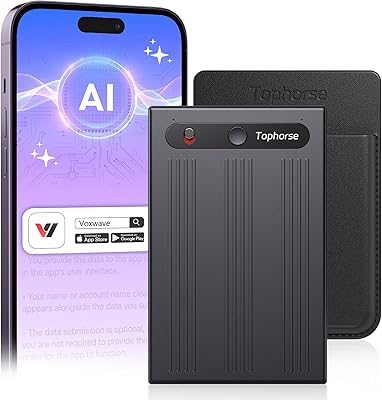
Tophorse NOTE-1 AI Voice Recorder 64GB
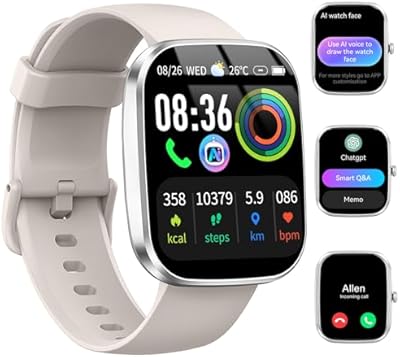
uaue T70-AI ChatGPT Smartwatch

My Perfect Goatee v1.1 Shaving Template
Shakespeare 5215-AIS 3-Foot AIS VHF Antenna
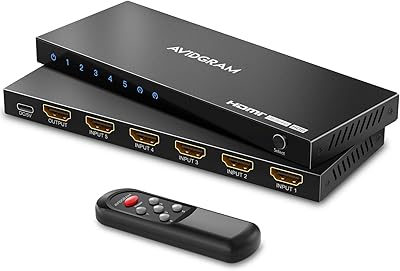
AVIDGRAM AG5SW51X 5-Port HDMI 2.1 Switch

Particle 6-in-1 Face Cream for Men, 1.7oz
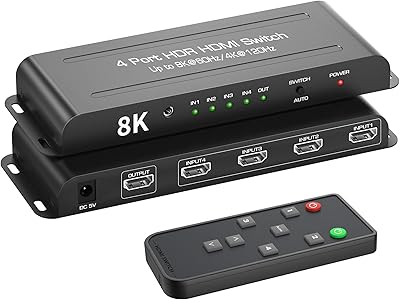
FERRISA 8K HDMI 2.1 Switch 4-in-1