Overview

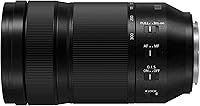
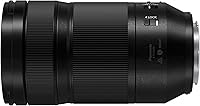
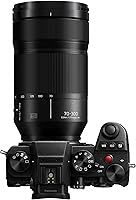
The Panasonic LUMIX S 70-300mm Telephoto Lens occupies an interesting niche in the L-mount ecosystem — it's the kind of lens serious shooters reach for when they need genuine long-reach versatility without hauling two separate optics. Built for full-frame mirrorless bodies, it covers a useful zoom range and surprisingly doubles as a capable macro lens, which is uncommon at this focal length. The build quality feels confidence-inspiring for outdoor work, with weather-sealing that holds up in rough conditions. One honest caveat: the variable aperture of F4.5-5.6 means it won't keep up in low light the way a faster prime would. This is a premium-tier lens aimed at dedicated outdoor and travel photographers.

Features & Benefits

The zoom range stretches from a flattering portrait-length 70mm all the way to 300mm — enough to pull in distant wildlife or compress a busy street scene. What really sets this telephoto zoom apart is its macro capability: a 0.5x magnification at 300mm lets you fill the frame with a flower or small insect without switching lenses. The optical image stabilizer compensates for up to 5.5 stops of camera shake, which makes a real difference when handholding at 200mm or beyond. Video shooters will appreciate the suppressed focus breathing, keeping shots clean during rack focuses. The L-mount standard also means it works equally well across Panasonic, Leica, and Sigma full-frame bodies.

Best For

Wildlife and nature photographers are the obvious fit — this L-mount lens gives you enough reach to work at a safe distance from subjects while the macro function handles close-up detail shots you'd otherwise need a second lens for. Travel photographers will appreciate the combination of range and rugged construction; leaving a dedicated macro lens at home is a genuine bag-space advantage. LUMIX S video shooters who want a clean telephoto with controlled focus breathing will find it particularly well-suited. Even Leica and Sigma L-mount users stand to benefit equally. It's a weaker fit for fast sports shooting, where a constant-aperture lens and quicker autofocus would serve better.

User Feedback

Early impressions from buyers are largely positive, with a 4.5-star average across roughly 60 ratings. Recurring praise centers on sharpness at 300mm, which tends to surprise people given the zoom range, alongside reliable O.I.S. performance during handheld shooting. Build quality earns consistent compliments. On the critical side, some users find the variable aperture limiting once light drops off, and a few note that while the macro results are impressive for a telephoto zoom, they stop short of what a dedicated macro prime delivers in fine detail. Autofocus draws mixed responses — adequate for stationary subjects, less reliable for unpredictable wildlife. On balance, most buyers consider the overall package solid value at this tier.

Pros

  • Sharpness at 300mm consistently surprises users who expect more compromise from a variable-aperture zoom.
  • The O.I.S. system delivers genuinely usable handheld shots at long focal lengths, even in fading afternoon light.
  • Built-in macro capability at 0.5x magnification adds a creative dimension that most telephoto zooms simply do not offer.
  • Weather sealing holds up in rain, dust, and freezing temperatures — real field confidence, not just a spec sheet checkbox.
  • Suppressed focus breathing makes this telephoto zoom a practical choice for narrative video and documentary work.
  • Weighing around one pound, it is noticeably lighter than comparable full-frame telephoto options from other systems.
  • L-mount compatibility extends its usefulness across Panasonic, Leica, and Sigma mirrorless bodies equally.
  • The zoom range from 70mm to 300mm covers portrait compression, wildlife reach, and distant travel subjects in one lens.

Cons

  • F5.6 at 300mm limits usefulness in low-light scenarios where pushing ISO introduces unwanted noise.
  • Autofocus tracking on fast or unpredictable moving subjects is inconsistent and lags behind faster constant-aperture alternatives.
  • The barrel extends significantly when zooming to 300mm, which some users find cumbersome in tight or urban shooting situations.
  • Macro performance, while useful, falls short of what a dedicated macro prime delivers for fine detail and true close-up work.
  • Corner sharpness wide open at the long end is noticeably softer, requiring stopping down to get the best image quality.
  • No tripod collar is included, and the front-heavy balance when extended can be awkward for prolonged handheld use.
  • Buyers looking for wide or standard focal length coverage will need a second lens — 70mm is where this optic starts.
  • Advanced autofocus and stabilization features integrate most smoothly with native Panasonic bodies; non-LUMIX users may notice behavioral differences.

Ratings

The scores below for the Panasonic LUMIX S 70-300mm Telephoto Lens were generated by AI after analyzing verified purchase reviews from buyers worldwide, with spam, bot activity, and incentivized feedback actively filtered out. The result is an honest picture of where this L-mount lens genuinely excels and where real-world use reveals its limits. Both strengths and frustrations are reflected transparently so you can make a fully informed decision.

Image Sharpness
89%
Users consistently report that sharpness at 300mm holds up better than expected for a variable-aperture zoom. Landscape and wildlife shots show strong center resolution, and even edge performance earns praise when stopped down slightly to F8 or F11.
At wide-open apertures, particularly toward the long end, some softness creeps in at the corners. Buyers shooting flat subjects like architectural details at 300mm wide open occasionally notice this, though it improves noticeably with even modest stopping down.
Optical Image Stabilization
92%
The O.I.S. system draws some of the most enthusiastic feedback in the entire review pool. Photographers shooting handheld at 200–300mm report keeper rates they simply could not achieve with non-stabilized alternatives, especially during golden-hour wildlife sessions when shutter speeds have to drop.
A small number of users note that in very low light combined with subject movement, the stabilizer compensates for camera shake but cannot freeze motion — a distinction worth understanding before purchase. Stabilization also adds a slight processing pause during burst shooting for some users.
Macro Performance
78%
22%
For a telephoto zoom, the 0.5x magnification at 300mm is a genuine creative bonus. Nature photographers report being able to capture detailed insect and flower shots on the same outing without swapping lenses, which is a meaningful practical advantage in the field.
Buyers who own or have used dedicated macro primes are quick to note that this lens does not fully replicate that experience — fine surface textures and very small subjects reveal a noticeable gap in magnification and corner sharpness compared to a true macro optic. It is an entry point, not a replacement.
Build Quality & Weather Sealing
91%
The physical construction earns consistent praise from outdoor shooters. Users report taking the lens through light rain, dusty trails, and cold winter shoots without any degradation in performance or visible ingress, which builds real trust for travel and wildlife work.
The lens barrel extends noticeably when zooming to 300mm, and a handful of users express mild concern about long-term durability of the extension mechanism under heavy field use. The overall feel is solid but not quite at the level of the most robust professional telephoto glass.
Autofocus Speed & Accuracy
71%
29%
For stationary or slow-moving subjects — portraits, landscapes, perched birds, static wildlife — autofocus is reported as quick and reliable. Most users find everyday acquisition speed well-suited to the type of shooting this lens is designed for.
Fast and erratic subjects expose the lens more clearly. Bird-in-flight and action sports users flag inconsistent tracking, with some focus hunting in lower contrast scenes. For dedicated sports photographers, this is a meaningful limitation that the slower aperture range compounds further.
Video Performance
84%
Focus breathing suppression is a feature video users specifically call out as well-implemented. Documentary and nature videographers report clean rack focuses without the distracting zoom-like shift in framing that plagues many telephoto lenses during focus pulls.
Autofocus in video mode can occasionally stutter when subjects move laterally at distance, particularly at 200mm and beyond. Users shooting fast-moving wildlife on video note that continuous AF requires careful settings and some patience to get consistent results.
Zoom Range Versatility
86%
The 70–300mm span handles a wide spread of shooting scenarios with a single lens attached. Travel photographers report using it for compressed street scenes at 70mm in the morning and distant architecture or wildlife shots at 300mm by afternoon, all without a lens change.
The range starts at 70mm, meaning there is no wide or standard coverage — users who hoped to travel with a single lens find they still need a second optic for anything below 70mm. It is a specialized zoom, not a do-everything solution.
Low-Light Performance
61%
39%
With body-based and optical stabilization working in tandem on compatible LUMIX bodies, static subjects in dim conditions are manageable. Indoor wildlife enclosures and overcast outdoor shoots are cited as scenarios where users extract usable shots despite the aperture constraints.
F5.6 at 300mm in anything less than good light is genuinely restrictive. Multiple buyers express that this is the lens's most significant real-world limitation — raising ISO to compensate introduces noise, and faster alternatives at this focal length remain a strong temptation for low-light specialists.
Size & Portability
74%
26%
Relative to what you get — a full-frame telephoto zoom with macro capability and weather sealing — the physical footprint is considered reasonable. Travel photographers frequently mention fitting it alongside a wide zoom in a standard carry-on camera bag without major compromise.
At full extension the lens is noticeably long, and users who came from compact mirrorless setups report an adjustment period. A few buyers mention that the extended barrel draws attention in urban environments where a smaller profile would be preferred.
Weight & Handling
83%
Weighing approximately one pound, this telephoto zoom sits on the lighter end for its class. Photographers who shoot handheld for extended periods on nature walks or travel days report noticeably less fatigue compared to heavier L-mount or DSLR-era telephoto equivalents.
The balance point shifts considerably when fully extended to 300mm, which some users find awkward without a tripod collar or external support. Those using smaller L-mount bodies in particular mention that the front-heavy feel takes adjustment during one-handed shooting.
L-Mount Ecosystem Compatibility
88%
Broad L-mount compatibility is a genuine advantage that buyers on Leica SL and Sigma fp bodies highlight specifically. The lens does not restrict itself to a single manufacturer, and cross-brand users report consistent optical performance regardless of which compatible body it is mounted on.
Some advanced features — particularly deeper O.I.S. integration and firmware-driven autofocus improvements — are reported to work most reliably on native Panasonic LUMIX S bodies. Non-Panasonic users occasionally note minor behavioral differences in AF responsiveness.
Focus Breathing Control
82%
18%
Narrative and documentary video users single out the suppressed focus breathing as a feature that genuinely affects their workflow. Rack focuses between a nearby subject and a distant background stay clean, with minimal apparent change in the field of view during the pull.
At very fast focus transitions — such as snapping quickly between subjects at very different distances — a faint residual breathing effect is visible on closer inspection in high-resolution footage. It is better than most lenses in this category, but not entirely absent under stress.
Value for Money
76%
24%
Buyers who factor in the macro capability, O.I.S., and weather sealing together tend to view the pricing as justified — effectively three specialized tools consolidated into one well-built lens. For L-mount users who want telephoto reach without investing in multiple primes, the economics are compelling.
Users comparing it directly against faster constant-aperture alternatives or sharper telephoto primes within similar price territory find the value calculation less clear. At this tier, the variable aperture remains the most common reason buyers hesitate or ultimately look elsewhere.
Lens Coatings & Flare Resistance
73%
27%
Shooting against backlit subjects and bright skies, most users report acceptable contrast retention. The coatings handle typical outdoor shooting conditions reasonably well, and ghosting is not flagged as a recurring complaint in general travel or wildlife use.
Shooting directly into strong point light sources — particularly at 70–100mm with a bright sun near the frame edge — produces visible flare that requires active management through positioning or a lens hood. A small number of users note the supplied hood feels less robust than expected.
Firmware & Long-Term Support
69%
31%
Panasonic has a reasonable track record of firmware updates for its LUMIX S lenses, and some early buyers report that autofocus responsiveness improved noticeably following post-launch updates. The lens benefits from being part of an actively developed ecosystem.
The lens launched in early 2021 and the review pool is still relatively modest, making long-term support comparisons harder to draw firm conclusions from. A few users express uncertainty about whether future firmware improvements will address AF tracking limitations meaningfully.

Suitable for:

The Panasonic LUMIX S 70-300mm Telephoto Lens is purpose-built for outdoor photographers who want a single versatile optic rather than a bag full of specialized glass. Wildlife and nature photographers will find the 300mm reach genuinely useful for keeping a respectful distance from subjects, while the 0.5x macro magnification means the same lens that captured a distant bird can pivot to a detailed shot of a wildflower without any swap. Travel photographers will appreciate the weather-sealed construction — this is the kind of lens you can trust on a rain-soaked coastal hike or a dusty safari without babying it. LUMIX S-series video shooters who need clean telephoto footage will benefit directly from the suppressed focus breathing, which keeps shots from looking amateurish during focus transitions. It is equally at home on Leica SL and Sigma fp bodies, so L-mount users outside the Panasonic ecosystem are not second-class citizens here.

Not suitable for:

The Panasonic LUMIX S 70-300mm Telephoto Lens is a harder sell for photographers whose primary challenge is low light. The variable aperture reaching F5.6 at 300mm means you are pushing ISO aggressively in dim conditions — an indoor sports arena, a forest understory at dusk, or a dimly lit event will expose this limitation quickly. Sports and action photographers chasing fast, unpredictable subjects should also temper expectations: autofocus tracking on erratic movement is not this lens's strongest suit, and faster constant-aperture alternatives handle that workload more reliably. If your macro work goes beyond casual close-ups — product photography, scientific imaging, or extreme detail shots of small subjects — a dedicated macro prime will deliver meaningfully better magnification and corner-to-corner sharpness. Shooters looking for a single walk-around lens should also note that coverage starts at 70mm, leaving a significant gap at standard and wide focal lengths.
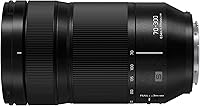
Specifications

  • Focal Length: Covers a 70–300mm zoom range, suitable for portrait compression at the short end and distant wildlife reach at the long end.
  • Maximum Aperture: Variable aperture of F4.5 at 70mm, narrowing to F5.6 at 300mm as the zoom extends.
  • Lens Mount: Uses the L-Mount (Leica L) standard, compatible with full-frame mirrorless bodies from Panasonic, Leica, and Sigma.
  • Macro Magnification: Achieves a maximum magnification of 0.5x when focused at the 300mm end, enabling close-up shooting without a dedicated macro lens.
  • Image Stabilization: Optical Image Stabilizer (O.I.S.) compensates for up to 5.5 stops of camera shake, significantly extending handheld shooting capability at long focal lengths.
  • Weather Resistance: Sealed against dust, water splash, and freezing temperatures, making it suitable for use in demanding outdoor conditions.
  • Focus Breathing: Engineered to suppress focus breathing, keeping the apparent field of view stable during focus transitions — a meaningful advantage for video recording.
  • Dimensions: Measures 5.83 × 3.31 × 3.31 inches (approximately 148 × 84 × 84mm) in its retracted state.
  • Weight: Weighs approximately 1 pound (around 520g), which is relatively light for a full-frame telephoto zoom of this range.
  • Model Number: Officially designated as the S-R70300 by Panasonic, identifiable by this code across global markets and firmware documentation.
  • Minimum Focus Distance: Reaches its closest focus distance at the 300mm end to achieve the stated 0.5x macro magnification; longer working distance than most dedicated macro lenses.
  • Lens Construction: Contains multiple optical elements including extra-low dispersion (ED) glass elements to manage chromatic aberration across the zoom range.
  • Aperture Blades: Features a 9-blade circular aperture diaphragm designed to render out-of-focus background elements with smooth, rounded bokeh characteristics.
  • Filter Thread: Accepts 77mm screw-in filters at the front element, a standard size shared with many other professional telephoto lenses.
  • Zoom Operation: Operates as an extending zoom design, with the barrel physically lengthening as focal length increases toward 300mm.
  • Manufacturer: Designed and manufactured by Panasonic Corporation of Japan under the LUMIX S series lens lineup.
  • Availability Date: First made available for purchase in February 2021, placing it within the second generation of LUMIX S lens releases.
  • Category Ranking: Holds a rank of approximately #356 in the Mirrorless Camera Lenses category on Amazon, reflecting steady sustained sales since launch.

Related Reviews
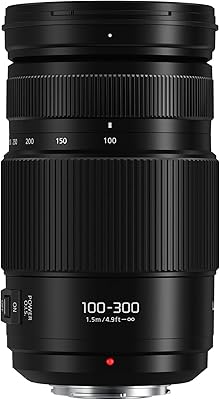
Panasonic LUMIX G II Vario 100-300mm Lens
82%
88%
Autofocus Speed & Tracking
83%
Image Sharpness
91%
Optical Stabilization
79%
Weather Sealing
84%
Build Quality & Durability
More
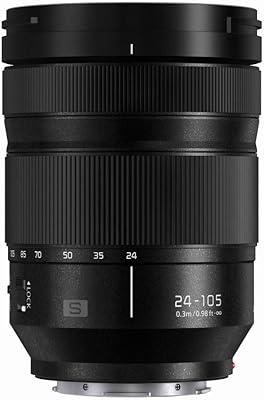
Panasonic LUMIX S 24-105mm F4 Lens
88%
94%
Image Quality
91%
Weather Sealing & Durability
88%
Low-Light Performance
84%
Ease of Use
90%
Stabilization Performance
More
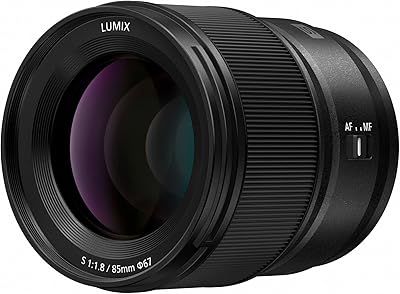
Panasonic LUMIX S-S85 85mm F1.8 Lens
82%
92%
Image Sharpness
84%
Bokeh Quality
71%
Autofocus Performance
83%
Build Quality
74%
Weather Sealing
More
Panasonic S-S35 35mm F1.8 Prime Lens
83%
93%
Optical Sharpness
91%
Build Quality
67%
Autofocus Performance
88%
Video Usability
94%
Portability & Size
More
Panasonic Lumix G Vario 14-140mm Zoom Lens
81%
88%
Image Sharpness
93%
Zoom Range Versatility
86%
Optical Image Stabilization
61%
Low-Light Performance
82%
Build Quality & Durability
More
Nikon AF-S VR 70-300mm Telephoto Zoom Lens
78%
76%
Image Sharpness
88%
Vibration Reduction
71%
Autofocus Speed
91%
Value for Money
63%
Build Quality
More
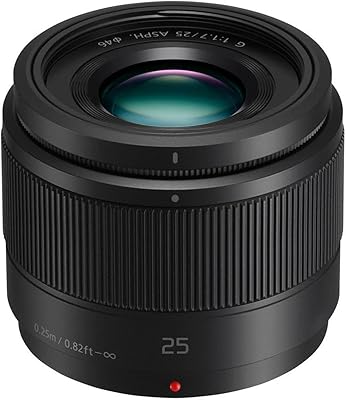
Panasonic LUMIX G 25mm F1.7 Mirrorless Lens
79%
91%
Optical Sharpness
83%
Autofocus Performance
88%
Low-Light Capability
87%
Video Usability
62%
Build Quality
More
Panasonic Lumix G85 Mirrorless Camera
78%
93%
Image Stabilization
89%
Build Quality
84%
Video Performance
71%
Autofocus Accuracy
82%
Image Quality
More
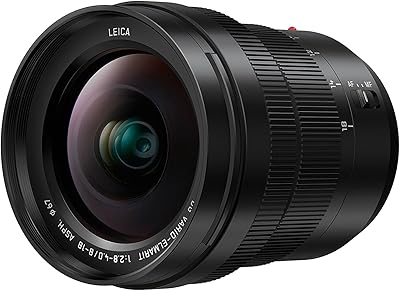
Panasonic LUMIX 8-18mm F2.8-4.0 Lens
89%
91%
Image Quality
88%
Autofocus Performance
89%
Build Quality & Durability
84%
Ease of Use
90%
Video Performance
More
Nikon NIKKOR Z 100-400mm VR S Telephoto Lens
84%
93%
Autofocus Performance
91%
Image Sharpness
89%
Vibration Reduction Effectiveness
88%
Build Quality & Weather Sealing
74%
Value for Money
More

FAQ

It works across all L-Mount cameras, including Leica SL-series and Sigma fp L bodies. The L-Mount is a shared open standard between Panasonic, Leica, and Sigma, so the optical performance carries over regardless of which brand body you mount it on. Some advanced autofocus and stabilization behaviors integrate most deeply with native Panasonic bodies, but the core shooting experience is fully functional across all three brands.

It is genuinely useful for a telephoto zoom, though it helps to set realistic expectations. At 0.5x magnification, you can fill a good portion of the frame with a flower, small insect, or other compact subjects — which is more than most telephoto zooms offer. What it does not do is replace a true 1:1 macro prime for highly detailed close-up work. Think of it as a meaningful creative bonus rather than a specialist tool.

The O.I.S. is one of the most consistently praised aspects of this lens among buyers. Handheld shooting at 200–300mm in decent light becomes much more practical with it active — many users report keeper rates they simply could not achieve without stabilization at those focal lengths. It compensates for camera shake effectively but cannot freeze subject motion, so pairing it with an adequately fast shutter speed still matters when subjects are moving.

Honestly, this is one area where the lens shows its limits. For perched birds or slow-moving subjects, autofocus is reliable and quick. For fast, unpredictable birds in flight, tracking consistency becomes less dependable, and the variable aperture does not help in anything less than bright conditions. If bird-in-flight is your primary use case, a faster constant-aperture telephoto with more aggressive tracking firmware would serve you better.

Yes, the weather sealing is designed to handle real outdoor conditions — light rain, dust, and cold temperatures are all accounted for. Users who take it into wet coastal environments or cold winter wildlife shoots report no performance issues. Just keep in mind that full immersion or a sustained downpour goes beyond what any weather-sealed lens is rated for, and pairing it with an equally sealed camera body is always recommended.

It handles video quite well for its category. The suppressed focus breathing is the standout feature for filmmakers — rack focuses stay clean without the distracting field-of-view shift you see in many telephoto lenses. Autofocus in video mode is solid for interviews and slower-paced documentary work, though fast lateral movement at distance can occasionally cause hunting. For narrative or nature documentary shooting, most videographers find it dependable.

The front element accepts 77mm screw-in filters, which is a widely used standard across professional telephoto lenses. If you already own quality 77mm ND filters or circular polarizers, they will fit directly without any step-up ring needed.

Almost certainly yes, in a positive way. Weighing approximately one pound, this L-mount lens is substantially lighter than most comparable DSLR-era 70-300mm options, particularly those with similar weather sealing and stabilization. The extended barrel at 300mm shifts the balance point forward, so some photographers add a tripod collar or support for long shooting sessions, but day-to-day handling fatigue is noticeably reduced.

A lens hood is included in the box, which is worth using since flare can appear when strong light sources sit near the frame edge. A soft pouch-style case is also typically included for basic transport protection. If you plan extended field use, a third-party hard case or padded insert is worth considering for more serious protection.

A few things worth knowing upfront: the barrel extends considerably when you zoom toward 300mm, which surprises users who expect a more compact profile throughout the range. The variable aperture reaching F5.6 at 300mm becomes genuinely restrictive once light drops — this is not a lens to rely on at dusk without raising ISO significantly. And while the macro capability is a real differentiator, achieving the best results requires careful manual focus fine-tuning at close distances, since autofocus at minimum focus distance can hunt. None of these are dealbreakers, but going in with clear expectations makes the experience far more satisfying.

Where to Buy