Overview

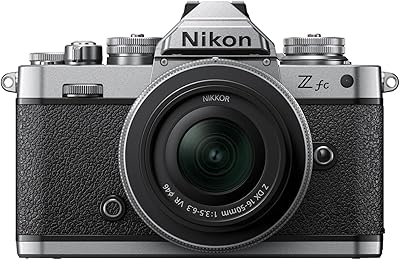
The Nikon Z50 II Mirrorless Camera arrived in November 2024 as Nikon's answer to a specific kind of photographer: someone ready to leave their phone behind but not interested in hauling around a full-frame system. It sits in the Z-mount DX lineup as a compact yet capable body — light enough for a small bag, serious enough for deliberate photography. If you owned the original Z50, this isn't a radical overhaul; think of it as a thoughtful refinement with meaningfully improved autofocus, video specs, and creative tools baked in. Keep in mind it's a body-only purchase, so most buyers pair it with the 16-50mm kit lens or a prime to get started.
Features & Benefits

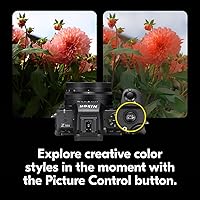
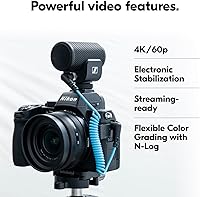
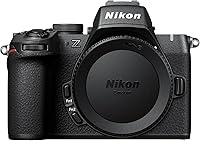
The sensor in this compact mirrorless punches noticeably above what smartphones can do — especially in dim restaurants, golden-hour parks, or indoor arenas where phone cameras start to struggle with noise and lost detail. The Picture Control system gives you 31 built-in presets to dial in a look before you shoot, and you can pull additional ones directly from Nikon's cloud. Autofocus tracks nine subject types, with dedicated modes for birds and airplanes that make chasing a heron across a pond far less frustrating. For video, 4K at 60p delivers sharp, smooth footage, and 120p slow-motion in Full HD opens up creative options many cameras at this tier don't offer. The Pre-Release Capture feature buffers frames before you fully press the shutter — genuinely useful for unpredictable action.

Best For

Nikon's latest APS-C camera makes the most sense for photographers who've outgrown their phones and want creative control without a steep learning curve. Content creators and vloggers will appreciate the clean 4K output and built-in electronic stabilization that helps smooth out handheld footage. Birders and wildlife shooters get a real edge from the dedicated subject-detection modes — tracking a bird in flight is far less of a battle than with a basic system. Travel photographers will value how little space it occupies compared to most interchangeable-lens cameras. Portrait work benefits from Eye-Detect AF and in-camera skin softening, delivering polished results without heavy post-processing. Beginners aren't left behind either — intelligent auto modes handle exposure and focus reliably, with plenty of room to explore manual controls as skills develop.

User Feedback

Owners of the Z50 II consistently highlight autofocus reliability as a standout — particularly how confidently it locks onto subjects in busy scenes or mixed lighting conditions. The color presets earn praise from users who want attractive, finished-looking photos straight from the camera with minimal editing. The main complaint that surfaces repeatedly is battery life; like most mirrorless bodies, a single charge won't carry you through a full day of intensive shooting without a spare. Buyers who went body-only generally advise budgeting for a lens upfront, as costs add up quickly. Ergonomics, the tilting touchscreen, and the EVF all receive positive marks. Those upgrading from the original Z50 tend to call it meaningful but incremental — a better camera in real terms, just not a total reinvention.

Pros

  • Autofocus tracks nine subject types reliably, including birds and airplanes, with dedicated precision modes for each.
  • The APS-C sensor captures far more detail and handles low light dramatically better than a smartphone.
  • 31 built-in color presets let you lock in a consistent look before the shot, not after.
  • Clean 4K video at 60 frames per second is genuinely competitive for content creators at this price tier.
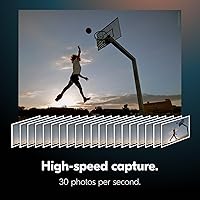
  • Pre-Release Capture saves frames from moments before you press the shutter, rescuing shots that would otherwise be lost.
  • The Z50 II is light and compact enough for all-day carry without fatigue or a dedicated camera bag.
  • Eye-Detect autofocus and in-camera skin softening produce polished portraits with minimal post-processing effort.
  • SnapBridge makes transferring and sharing photos to a phone fast and practical for social media workflows.
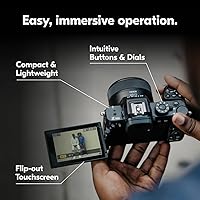
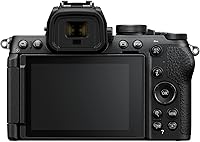
  • The tilting touchscreen makes low-angle and overhead framing noticeably easier in real shooting situations.
  • Intelligent automatic modes make the camera accessible immediately, while manual controls reward you as skills grow.

Cons

  • Battery life falls short during full-day or video-heavy shoots — a second battery is essentially a required purchase.
  • No weather sealing makes outdoor use in rain or dusty conditions a genuine concern.
  • Body-only pricing means the real cost of getting started is significantly higher once a lens is added.
  • The screen tilts but does not fully articulate, limiting self-filming angles for solo vloggers.
  • Video autofocus can hunt or breathe slightly when subjects shift depth quickly, which shows in polished footage.
  • No in-body optical stabilization puts this camera at a disadvantage for telephoto or very low-light handheld work.
  • The mechanical shutter tops out at 1/4000 sec, which can restrict shooting wide-open in bright daylight.
  • Pre-Release Capture only buffers JPEGs, leaving RAW-only shooters with no access to this feature.
  • Photographers switching from Sony or Canon systems will need time to adjust to Nikon's menu logic.
  • The EVF resolution is adequate but not class-leading, which is noticeable when compared side by side with higher-tier finders.

Ratings

The Nikon Z50 II Mirrorless Camera earns its scores from a global synthesis of verified buyer reviews, processed by AI to filter out incentivized submissions, duplicate accounts, and bot-generated feedback. What remains reflects genuine hands-on experience from photographers ranging from first-time mirrorless buyers to seasoned hobbyists switching systems. Both the standout strengths and the honest frustrations are weighted equally in every category below.
Autofocus Performance
91%
Owners repeatedly call out how confidently the Z50 II locks onto moving subjects — tracking a dog running across a yard or a bird lifting off a branch without hunting or losing the subject mid-burst. The nine-subject detection system covers real-world shooting scenarios well, and the dedicated bird and airplane modes add a layer of precision that users upgrading from entry DSLRs notice immediately.
In very low contrast or heavily backlit situations, a small number of users report brief moments of hesitation before the system confirms focus. It is not a frequent complaint, but photographers shooting in challenging mixed lighting — dimly lit stages, for example — may find it slightly less consistent than higher-tier bodies.
Image Quality
88%
The APS-C sensor delivers noticeably richer detail and cleaner low-light results than anything a smartphone can produce at equivalent distances. Indoor portraits taken at a dimly lit dinner table or shots at dusk retain texture and color accuracy that users describe as a genuine revelation compared to their previous phone or entry-level camera.
At very high ISO settings, fine detail starts to soften, and noise reduction can smooth over textures in ways that bother more critical shooters. Users printing large or cropping heavily occasionally wish for just a bit more dynamic range headroom in high-contrast scenes like bright skies against shadowed foregrounds.
Video Capability
86%
The 4K at 60 frames per second output is clean and detailed, and users producing YouTube content or short travel films consistently praise the smooth motion it captures. The slow-motion mode in Full HD is a genuine creative tool — water, wildlife movement, and action sports all benefit visibly, and the electronic stabilization keeps handheld footage watchable without a gimbal.
There is no in-body optical stabilization, which means handheld video in 4K can show subtle wobble that electronic correction does not fully eliminate. A small but vocal group of video-focused buyers also note that autofocus in video mode can occasionally breathe or hunt slightly when subjects shift depth, which is noticeable in clean interview-style footage.
Portability & Build
84%
At just over a pound body-only, this compact mirrorless genuinely fits in a jacket pocket or a small daypack without dominating the space. Travel photographers and daily carry users highlight the size-to-capability ratio as one of the main reasons they chose it over larger APS-C competitors.
The compact dimensions do come with a trade-off in grip depth, and users with larger hands sometimes report finger fatigue during extended shoots. The body feels solid but does not carry weather sealing, which is a meaningful gap for anyone shooting outdoors in unpredictable conditions.
Color Presets & Creative Tools
89%
The 31 built-in Picture Control presets give photographers a fast, tangible way to shape the look of their images in-camera without spending time in post. Users who shoot for social media especially appreciate being able to land on a consistent aesthetic before the photo is even saved, and the cloud download option extends that flexibility further.
The sheer volume of presets can feel overwhelming to newer users who are not sure where to start, and some find the naming conventions between presets non-intuitive at first. A handful of more experienced shooters also note that the presets are baked into JPEGs only — RAW shooters working entirely in Lightroom will see less practical benefit.
Battery Life
61%
39%
For casual half-day outings — a morning at the farmers market or a quick city walk — the included battery handles the load without issue. Users who shoot in short, deliberate sessions rather than marathon continuous bursts tend to find it acceptable for their needs.
Extended shooting days, particularly when recording video or using the EVF heavily, drain the battery faster than many buyers expect. This is one of the most consistent criticisms across reviews, with the majority of serious users recommending purchasing a second battery as an essential add-on rather than an optional extra.
Autofocus in Video Mode
73%
27%
For run-and-gun vlogging and casual content creation, the continuous autofocus in video tracks faces and subjects reliably enough that most creators do not need to manually adjust during a recording. Eye-detect in video works well for straightforward talking-head setups.
When subjects move toward or away from the camera quickly, or when the background and subject have similar tones, the autofocus in video mode can produce brief but visible focus shifts. It is good enough for social media content but not quite at the level that serious hybrid shooters expect from a body at this price point.
Ease of Use
87%
The intelligent automatic modes make this camera genuinely accessible to someone picking up a mirrorless for the first time — exposure, focus, and white balance are handled confidently, letting beginners concentrate on framing. The menu system is cleaner than older Nikon bodies, and the Picture Control button gives one-press access to creative options without digging through settings.
Users who arrive from Sony or Canon systems may find Nikon's menu logic takes some adjustment, particularly around video settings and custom button assignments. The body-only configuration also means first-time buyers sometimes underestimate the additional cost and learning curve of choosing and understanding lenses.
Viewfinder & Screen
78%
22%
The EVF is bright and responsive enough for most shooting conditions, and users who prefer composing through a viewfinder rather than on a screen find it comfortable for extended sessions. The tilting touchscreen is widely praised for making low-angle and overhead shots far easier to frame accurately.
The EVF resolution, while adequate, is not class-leading at this price, and a small number of shooters accustomed to higher-end finders find it slightly soft. The screen tilts but does not fully articulate, which limits certain shooting angles that vloggers filming themselves would benefit from.
Connectivity & Sharing
82%
18%
The SnapBridge app connection is reliable and fast enough for quick social media shares straight from a shooting session, and the camera-to-cloud workflow removes a meaningful friction point for photographers who previously had to pull a memory card to offload images. Most users get the pairing working without difficulty.
Some Android users report occasional reconnection hiccups when returning to the app after a period of inactivity. The transfer speed for large batches of RAW files is slower than a direct cable connection, which is fine for sharing selects but not ideal for bulk offloading.
Value for Money
76%
24%
For what the Z50 II delivers in autofocus sophistication, video capability, and creative tools, buyers generally feel the body-only price is justified when compared against competing APS-C mirrorless options at a similar tier. Users who invest in a good Z-mount lens alongside it tend to feel the total package punches well above its weight.
Buying body-only means the true entry cost is higher than the listed price once a lens is added, and some buyers feel slightly underserved by the absence of optical in-body stabilization at this price. Competitors at a comparable cost do offer IBOS, which is a legitimate point of comparison for buyers doing their research.
Flash Performance
74%
26%
The built-in pop-up flash is a genuinely useful safety net indoors or at twilight events, and the Night Portrait mode produces naturally balanced exposures that blend flash and ambient light without the harsh look typical of direct-flash shots. Users at indoor gatherings appreciate not needing an external flash for casual photos.
The pop-up flash has a limited guide number, meaning it falls short at distances beyond a few feet in large rooms or outdoor night scenes. More serious photographers will want to invest in an external speedlight for events, as the built-in unit is better understood as a fill-light tool than a primary lighting solution.
Pre-Release Capture
81%
19%
Photographers who shoot unpredictable action — kids on a playground, birds launching from a branch, a dog mid-leap — find this feature saves shots that would otherwise be missed. It captures JPEG frames from the moments leading up to the shutter press, which is a practical advantage over cameras that only buffer after the button is depressed.
Pre-Release Capture works with JPEGs only, so users who shoot exclusively in RAW will not benefit from it. The buffer window is also limited in length, which means very early action anticipation does not always result in usable frames if the decisive moment happens more than a second before the shutter fires.
Ergonomics & Handling
79%
21%
The body is well-balanced when paired with lighter Z-mount lenses, and the control layout is intuitive enough that most shooters get comfortable within a day or two of regular use. The Picture Control button placement in particular draws positive comments for putting creative choices within easy reach.
Photographers with larger hands consistently mention that the grip could be deeper for comfortable single-handed carrying. The compact form factor is a deliberate trade-off, but it does mean the body can feel slightly front-heavy when mounted with larger or heavier Z-mount lenses.

Suitable for:

The Nikon Z50 II Mirrorless Camera is a strong match for anyone who has hit the ceiling of smartphone photography and wants real creative control without committing to a heavy, complex system. Content creators and vloggers will find the clean 4K output, slow-motion capability, and electronic stabilization genuinely useful for producing polished videos without hauling professional gear. Bird watchers and wildlife photographers who have struggled with basic autofocus systems will appreciate the dedicated subject-detection modes that make tracking fast-moving animals far less frustrating. Travel photographers who care about packing light but refuse to sacrifice image quality will find that this compact mirrorless slips into a small bag while still delivering results that hold up at full resolution. Portrait photographers benefit from the Eye-Detect autofocus and in-camera skin softening, which reduce time spent in post-processing significantly. Beginners who want a camera that handles the technical side automatically but allows them to gradually take over manual controls will find the learning curve manageable and rewarding.
Not suitable for:

The Nikon Z50 II Mirrorless Camera is not the right choice for photographers who need reliable weather resistance, since the body carries no official sealing and outdoor shoots in rain or dusty environments carry real risk. Shooters who rely heavily on in-body optical stabilization for telephoto or low-light handheld work will find the electronic-only VR system insufficient for their needs, and should look at competing bodies that include IBOS at a comparable price. Serious hybrid shooters who plan to split their time evenly between stills and video — and who need cinema-quality autofocus tracking or log profiles out of the box — may find this compact mirrorless falls short of their production standards. RAW-only photographers who never touch JPEGs will miss out on the Picture Control presets and Pre-Release Capture entirely, which removes two of the more compelling reasons to choose this body. Finally, anyone expecting a full day of continuous shooting on a single battery charge will need to factor in the cost of a spare battery from the start, which adds to the already meaningful investment of buying the body and a suitable lens separately.

Specifications

  • Sensor: The camera uses a 20.9-megapixel APS-C (DX format) CMOS sensor, which is several times larger than a typical smartphone sensor and captures significantly more light and detail.
  • Lens Mount: The body uses Nikon's Z-mount, which is compatible with the full range of Nikon Z-mount lenses including DX and FX format options.
  • Autofocus System: The autofocus system detects and tracks nine subject types — people, dogs, cats, birds, cars, bicycles, motorcycles, trains, and airplanes — with dedicated precision modes for birds and airplanes.
  • Video Resolution: The camera records 4K UHD at up to 60 frames per second and Full HD slow motion at 120 frames per second, with built-in electronic image stabilization.
  • Stabilization: Electronic VR (vibration reduction) is built in for video; there is no in-body optical stabilization, so lens-based VR is recommended for telephoto or low-light handheld shooting.
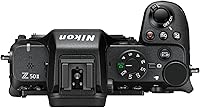
  • Shutter Speed: The mechanical shutter operates from 30 seconds at the slow end to 1/4000 second at the fast end, suitable for most everyday shooting scenarios.
  • Picture Controls: 31 built-in Picture Control presets are available at the press of a dedicated button, with additional bespoke presets downloadable via Nikon Imaging Cloud.
  • Flash: A built-in pop-up flash is included, with a Night Portrait mode that balances flash output with ambient light for more natural-looking results indoors and at low light.
  • Viewfinder: The camera features an electronic viewfinder (EVF) with 1.02x magnification for eye-level composition in bright outdoor conditions.
  • Connectivity: Wi-Fi connectivity is supported via the free Nikon SnapBridge app, enabling wireless photo and video transfer to a smartphone and camera-to-cloud syncing.
  • Pre-Release Capture: The Pre-Release Capture feature continuously buffers JPEG frames so that images from moments immediately before the shutter is fully pressed can be saved.
  • Dimensions: The body measures 1.26 x 2.76 x 2.76 inches (depth x height x width), making it one of the more compact interchangeable-lens cameras in its class.
  • Weight: The body weighs 1.21 pounds without a lens, which is light enough for comfortable all-day carry in a small bag or jacket pocket.
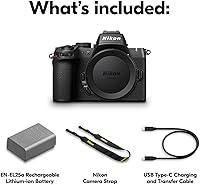
  • Battery: The camera is powered by a single rechargeable Lithium-Ion battery, which is included in the box; no additional batteries or chargers are bundled by default.
  • Included Contents: The package includes the camera body only — no lens is included, so buyers need to purchase a Z-mount lens separately to begin shooting.
  • Subject Detection Modes: Beyond the standard multi-subject detection, the Z50 II includes a dedicated Bird Mode and an Airplane Mode for more accurate tracking of these fast-moving subjects specifically.
  • Skin Softening: In-camera Skin Softening is available as a processing option, applying portrait-specific smoothing to JPEG output without requiring any post-production editing software.
  • Cloud Integration: The camera connects to Nikon Imaging Cloud, allowing users to download new Picture Control presets and back up images directly from the camera without a computer.
  • Compatible Devices: The SnapBridge app and USB connectivity are compatible with both iOS and Android smartphones, as well as Windows and Mac computers for tethered use.
  • Launch Date: The camera became available in November 2024 as the successor to the original Nikon Z50, which was first introduced in 2019.

Related Reviews
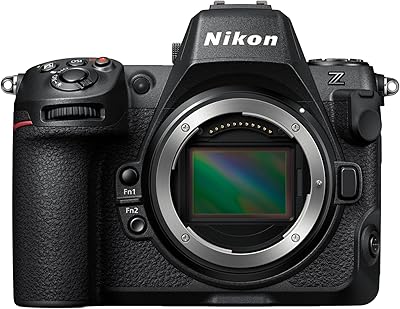
Nikon Z 8
Nikon Z 8
84%
94%
Autofocus Performance
96%
Image Quality
88%
Video Capabilities
93%
Build Quality & Weather Sealing
91%
Burst Speed & Continuous Shooting
More
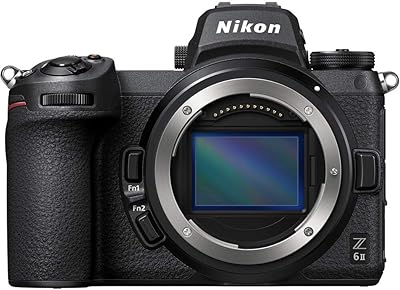
Nikon Z 6II Full-Frame Mirrorless Camera
82%
91%
Autofocus Performance
93%
Low-Light Image Quality
88%
Video Capability
89%
Build Quality & Ergonomics
58%
Battery Life
More
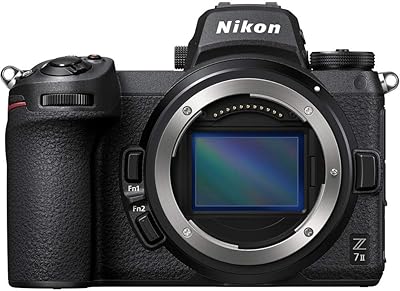
Nikon Z 7II Full-Frame Mirrorless Camera
81%
96%
Image Quality
71%
Autofocus Performance
93%
Build Quality
54%
Battery Life
89%
Ergonomics & Handling
More
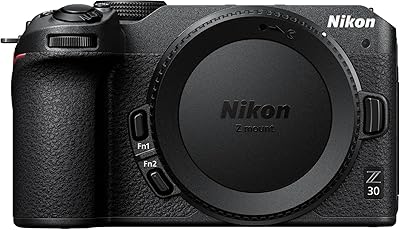
Nikon Z 30 Mirrorless Camera
89%
89%
Ease of Use
94%
Video Quality (4K)
91%
Autofocus Performance
82%
Build Quality
88%
Live Streaming Features
More
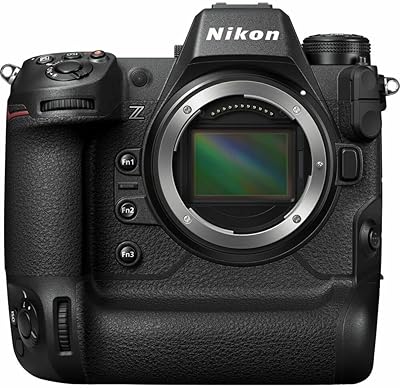
Nikon Z9 Full-Frame Mirrorless Camera
86%
96%
Autofocus Performance
94%
Image Quality
93%
Burst Speed & Buffer
91%
Video Capabilities
97%
Build Quality & Weather Sealing
More
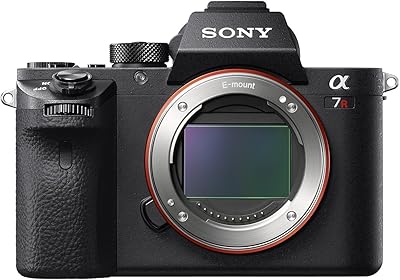
Sony a7R II Full-Frame Mirrorless Camera
85%
93%
Image Quality
91%
Autofocus Performance
89%
Video Quality (4K)
90%
Build Quality & Durability
78%
Ease of Use
More
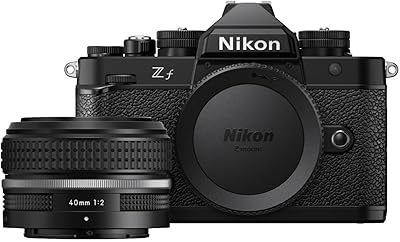
Nikon Z fc Mirrorless Camera with 16-50mm Lens
78%
88%
Image Quality
82%
Video Performance
84%
Autofocus System
93%
Design & Build Quality
71%
Kit Lens (16-50mm VR)
More
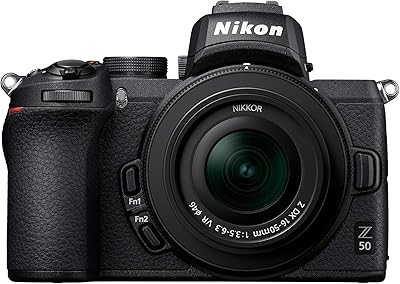
Nikon Z 50 Mirrorless Camera with 16-50mm Lens
85%
92%
Portability and Weight
89%
Video Quality (4K UHD)
84%
Autofocus Performance
91%
Ease of Use
77%
Battery Life
More
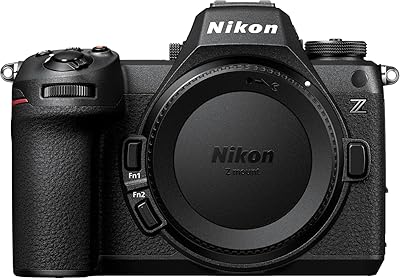
Nikon Z6 III
Nikon Z6 III
81%
96%
Video Capability
93%
Autofocus Performance
97%
Electronic Viewfinder
89%
Image Stabilization
41%
Card Slot Configuration
More
Nikon D5500 DSLR Camera with 18-55mm VR II Lens
87%
91%
Image Quality
88%
Ease of Use
85%
Battery Life
80%
Build Quality
89%
Autofocus Performance
More

FAQ

The camera ships as a body-only unit, so no lens is included in the box. Most buyers pair it with the Nikon Z DX 16-50mm f/3.5-6.3 VR kit lens as a practical starting point, and some add a 50mm or 35mm prime for portrait work. Budget for at least one lens on top of the body price when planning your purchase.

Yes, it is one of the more accessible entry points into serious mirrorless photography. The intelligent automatic modes handle exposure and focus reliably so you can concentrate on composition from day one, while the manual controls are there to grow into as your skills develop. The image quality difference over a smartphone is immediately obvious, especially indoors or in lower light.

The Z50 II brings meaningfully improved autofocus with nine-subject detection, better video specs including 4K at 60p, a cloud-connected Picture Control system, and Pre-Release Capture — none of which were on the original model. If you own an original Z50 and shoot action, video, or wildlife, the upgrade makes practical sense. For casual everyday photography, the original Z50 still holds up well.

Not directly — the Z50 II uses the Z-mount, which is not compatible with F-mount lenses without an adapter. Nikon does make the FTZ II adapter, which allows most AF-S and AF-P F-mount lenses to work on Z-mount bodies, including this one. Autofocus performance with adapted lenses varies by lens model.

No, this compact mirrorless does not include official weather sealing. It is best used in dry conditions or kept protected in light rain. If you regularly shoot outdoors in unpredictable weather, a weather-sealed body should be a priority in your search.

It is a common and valid concern. For a relaxed morning shoot or a short travel day, the included battery is usually adequate. For full-day events, extended wildlife sessions, or video-heavy shooting, you will almost certainly want a second battery on hand. It is worth treating a spare as an essential accessory rather than an optional one.

No, the stabilization in the Z50 II is electronic only, which helps smooth out video but is less effective than optical IBOS for stills at slower shutter speeds. For telephoto shooting or handheld low-light photography, choosing a lens with built-in VR (vibration reduction) will compensate for the lack of sensor-shift stabilization.

Yes, the Z50 II supports clean HDMI output and can function as a webcam when connected to a computer, which covers both live streaming and video calls. The product review mode built into the camera is specifically designed for product-focused video content, making it a practical option for creators who film at a desk or tabletop setup.

The camera continuously buffers a short window of JPEG frames while you have the shutter halfway pressed, and when you fully press it, it saves images from just before the moment you clicked as well. In practice, it helps you catch unpredictable moments — a bird launching off a branch, a dog mid-jump — that you would normally miss by a fraction of a second. It works with JPEGs only, so RAW shooters will not benefit from it.

SnapBridge connects the camera to your phone via Wi-Fi and Bluetooth, and once paired it can automatically transfer selected photos to your phone in the background while you shoot. Most users find the initial pairing straightforward, and transfers for individual shots or small batches are fast. Transferring large numbers of high-resolution files is slower than a direct cable connection, but for sharing a handful of shots to social media right after a session it works well.

Where to Buy

B&H Photo-Video-Audio
In stock $1,006.95
Full Compass Systems
In stock $1,399.95
Willoughby's Photo Emporium
In stock $849.00
Woodward Camera
In stock $1,006.95
Service Photo
In stock $1,006.95