Overview

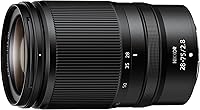
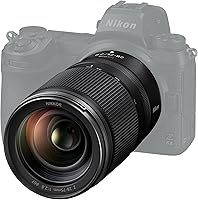
The Nikon NIKKOR Z 28-75mm f/2.8 Zoom Lens arrives as a genuinely compelling option for photographers who want a fast mid-range zoom without strapping a brick to their camera. Compared to the heavier S-line 24-70mm f/2.8, this mid-range zoom sheds nearly 30% of the weight — a difference you feel immediately on a full day out. It works across both FX full-frame and DX crop-sensor Z bodies, broadening its appeal. That said, it is worth being upfront: this is not an S-line replacement. It trades some optical refinement for portability and a lower price point, and that is a perfectly reasonable exchange for many shooters.
Features & Benefits

The most practical strength of this f/2.8 zoom lens is that the constant f/2.8 aperture holds steady throughout the entire zoom range, so you are never scrambling to compensate for exposure as you zoom in. At 1.25 lbs, it stays light enough for all-day carry. The close focusing distance of about 7.5 inches lets you get genuinely tight on small subjects — useful for food, product, or detail shots. For video work, the suppressed focus breathing is a real differentiator: your framing stays locked as focus shifts, and the near-silent stepping motor keeps ambient audio clean. The smooth control ring handles iris adjustments with a natural, gradual feel rather than harsh jumps.

Best For

This mid-range zoom makes the most sense for travel and street photographers who refuse to lug heavy glass but still want subject-separating bokeh and reliable low-light performance. Event shooters covering weddings, conferences, or indoor gatherings will appreciate the fast aperture in mixed lighting. Hybrid shooters — those splitting time between stills and video — get a lot of practical value from the quiet motor and breathing control. On a DX body, the effective 42–112mm range makes it a solid portrait and short-telephoto option. If you are building a versatile one-lens kit on the Z mount, this lens covers a wide range of everyday shooting situations without demanding premium glass money.

User Feedback

Buyers consistently land on the sharpness-to-weight ratio as the lens's defining quality — most feel it punches above its tier for everyday shooting, particularly indoors and in low light. Video users specifically call out the breathing suppression and quiet autofocus as highlights that hold up in real use, not just on spec sheets. The honest critique that surfaces repeatedly is edge sharpness wide open: it is softer toward the corners than the S-line, which matters if you shoot flat subjects or architecture at f/2.8. A smaller but consistent note involves the retractable barrel — you need to twist it forward before shooting, which catches some users off guard initially. Overall, sentiment skews positive for buyers who understood what they were getting.

Pros

  • Constant f/2.8 aperture holds steady across the entire zoom range, no exposure surprises mid-shoot.
  • Nearly 30% lighter than the S-line equivalent, making full-day carry genuinely comfortable.
  • Focus breathing suppression keeps framing locked during video focus pulls — a real production benefit.
  • Near-silent autofocus motor keeps ambient audio clean without a dedicated blimp or deadcat.
  • Close focusing to about 7.5 inches opens up detail and product shots without swapping lenses.
  • Strong center sharpness performs well for portraits and street work, especially stopped down slightly.
  • Compatible with both FX full-frame and DX crop Z bodies, adding flexibility as your kit grows.
  • Smooth control ring allows gradual iris adjustments that feel natural rather than jumpy during video.
  • On DX bodies, the 42–112mm equivalent range adds useful portrait and short-telephoto reach as a bonus.
  • Delivers genuinely competitive image quality for its tier, earning consistent praise from working photographers.

Cons

  • Edge and corner sharpness wide open is noticeably weaker than the S-line, especially on high-resolution bodies.
  • The retractable barrel requires a deliberate twist to deploy — a habit that takes time to build and costs shots early on.
  • No weather-sealing gasket at the mount limits confidence shooting in rain or dusty outdoor environments.
  • Vignetting wide open toward the frame corners requires lens profile correction in post for clean results.
  • No physical AF/MF switch on the barrel, which disrupts muscle memory for photographers switching from other systems.
  • Flare and ghosting can appear when shooting directly into bright light sources, particularly at the wider focal lengths.
  • The 28mm starting point feels restrictive in tight interior spaces where a 24mm option would have more breathing room.
  • Control ring lacks click detents, making precise manual iris pulls harder to execute repeatably for video work.

Ratings

The Nikon NIKKOR Z 28-75mm f/2.8 Zoom Lens has been scored by our AI system after processing verified buyer reviews from across global markets, with spam, bot-generated, and incentivized submissions actively filtered out. Scores reflect the full picture — where this mid-range zoom genuinely delivers and where real users have run into friction. Both strengths and recurring pain points are weighted into every category below.

Image Sharpness
83%
Center sharpness from the mid-range through the telephoto end is consistently strong, and most users shooting portraits or street scenes wide open at f/2.8 are satisfied with the rendering. Stopping down to f/4 or f/5.6 brings noticeable improvements that experienced buyers factor into their shooting habits.
Edge and corner sharpness wide open is a recurring criticism, particularly on high-resolution FX bodies where the falloff becomes visible in flat subjects like landscapes or architecture. It does not match the S-line at the same aperture, and users who upgraded expecting parity have expressed disappointment.
Build Quality
78%
22%
The lens feels solid in hand with a well-damped zoom ring and no significant wobble at full extension. For its weight class, most users feel it is built to handle regular daily use without concern.
The retractable barrel mechanism has drawn consistent criticism — it requires an intentional twist to deploy before shooting, which slows down reaction time and feels out of place on a lens aimed at working photographers. Some users also note the absence of a weather-sealing gasket at the mount, which limits confidence in mixed outdoor conditions.
Autofocus Performance
86%
The stepping motor drives focus quickly and quietly, handling moving subjects and casual action well enough for events and candid work. Tracking performance on modern Z bodies like the Z6 II and Z8 is responsive and rarely hunts in decent light.
In very low light or low-contrast situations, a small number of users report occasional hesitation before the lens locks focus. It is not a frequent complaint, but shooters relying on it for fast-paced indoor events in dim venues have noted it as a situational limitation.
Video Usability
91%
Focus breathing suppression is the standout feature for video users — framing stays locked as focus shifts between subjects, which is a genuine practical benefit for interview setups and narrative work. The near-silent motor means ambient audio stays clean without the mechanical noise that plagues older AF designs.
The control ring, while smooth, lacks hard stops and click detents, which some videographers prefer for precise manual iris pulls. A few users shooting in extreme temperatures also noted that the ring resistance felt inconsistent, though this appears to be an edge-case rather than a widespread issue.
Portability & Weight
94%
At just over 1.25 lbs, this f/2.8 zoom lens is noticeably lighter than comparable fast zooms in its class, and the retractable barrel keeps it compact in a bag. Travel photographers frequently cite it as the primary reason they chose it over heavier alternatives for multi-day trips.
The retractable design that aids portability introduces that extra deployment step, and on a few occasions users have missed shots while unlocking the barrel. It is a minor ergonomic trade-off, but one worth knowing before committing if speed of use is a priority.
Low-Light Performance
87%
The constant f/2.8 aperture across the full zoom range gives shooters a reliable light-gathering advantage indoors and at dusk. Wedding and event photographers specifically praise how it handles reception halls and stage lighting without forcing ISO to climb into noisy territory.
Because the optical formula prioritizes size reduction over maximum edge-to-edge performance, shooting wide open in low light can reveal some vignetting toward the corners that needs correction in post. It is manageable with lens profiles in Lightroom or Capture NX-D, but it adds a step that S-line users do not face.
Value for Money
88%
Buyers who approached this lens with realistic expectations — a portable, capable f/2.8 zoom rather than an S-line substitute — consistently report feeling it is well worth its price. The combination of constant aperture, light weight, and video-friendly features is hard to match at this tier within the Z ecosystem.
Photographers who stretched their budget expecting near-S-line optical quality have occasionally felt the value proposition less convincing. The gap in corner resolution and the missing weather sealing are the two most commonly cited justifications for wishing they had saved up further.
Close-Focus Capability
82%
18%
A minimum focusing distance of roughly 7.5 inches opens up near-macro shooting possibilities that users of event and product photography have genuinely leveraged. Getting tight on a ring on a hand, a label on a bottle, or a flower head is practical without swapping lenses.
It is not a true macro lens, and users who expected macro-level magnification have been caught off guard. Reproduction ratio is limited, so for subjects requiring 1:1 or close to it, a dedicated macro optic is still necessary.
Zoom Range Versatility
81%
19%
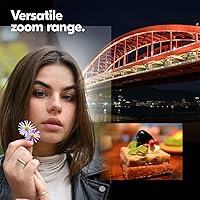
The 28–75mm range covers wide environmental shots through flattering portrait compression in a single lens, which makes it a strong one-lens option for travel days or events where changing glass is not practical. On DX bodies, the 42–112mm equivalent adds short telephoto reach as a bonus.
Compared to the 24–70mm of the S-line, losing those 4mm on the wide end is occasionally noticeable in tight interior spaces. Users shooting in small venues or architectural interiors have flagged the 28mm starting point as slightly limiting when you cannot step back further.
Bokeh & Subject Separation
84%
Wide open at f/2.8, the background separation is smooth and pleasing for portrait work, with out-of-focus elements rendering softly rather than distractingly. At 75mm on an FX body, the compression and blur combination produces results that satisfy most portrait and event photographers.
At the wider end of the zoom range, subject separation is naturally less dramatic, and some users expecting strong bokeh at 28mm have found it underwhelming. Compared to a prime lens at equivalent focal lengths, background rendering lacks the same character at identical apertures.
Lens Coating & Flare Resistance
74%
26%
In typical shooting conditions — overcast outdoor light, controlled studio environments, indoor events — flare and ghosting are well controlled and rarely intrude on the image. Most users shooting away from direct light sources report clean, contrast-rich results.
Shooting directly into bright light sources, particularly at the wider end of the zoom, reveals some ghosting that requires repositioning or shading with a hand. The lens hood helps but does not fully eliminate the issue, and users doing backlit portraiture have occasionally had to reshoot.
Handling & Ergonomics
79%
21%
The zoom and focus rings are well-weighted and positioned intuitively for one-handed operation on a mid-size Z body. The overall balance on cameras like the Z5 II or Z6 III is natural, and extended shooting sessions do not produce the fatigue associated with heavier glass.
The retractable barrel remains the most consistent ergonomic complaint — it is a deliberate design choice, but it disrupts the muscle memory of photographers accustomed to always-ready zooms. There is no physical AF/MF switch on the barrel, which some users from other lens systems miss.
Autofocus Sound in Video
89%
The stepping motor operates at near-inaudible levels during video recording, a benefit that hybrid shooters shooting with on-camera microphones genuinely appreciate. In quiet interview or documentary scenarios, the motor does not bleed into the audio track even at high gain settings.
Under very demanding continuous AF conditions — fast rack focuses or rapid tracking of erratic subjects — a faint mechanical sound can occasionally be detected on sensitive external microphones placed close to the lens. It is rare, but audio-critical productions should run their own test before relying on it.
Compatibility & Ecosystem Fit
92%
The native Z-mount fit means full electronic communication with every Z-series body, including the latest subject-recognition AF systems. FX and DX compatibility without adapter hassle makes it a practical long-term investment as Nikon continues expanding the Z lineup.
There is no backward compatibility with F-mount bodies, which is expected but worth noting for photographers mid-transition who still use both systems. Users shooting exclusively on DX crop bodies will find the 42–112mm equivalent range less wide-angle friendly than they might prefer for environmental or travel shots.

Suitable for:

The Nikon NIKKOR Z 28-75mm f/2.8 Zoom Lens is an excellent match for photographers who want a fast, versatile mid-range zoom they can actually carry all day without fatigue. Travel photographers, in particular, will appreciate the weight reduction versus heavier S-line glass — it is the kind of lens you forget is in your bag until you need it. Event and wedding shooters working in dim reception halls or candlelit venues will find the constant f/2.8 aperture a practical advantage that keeps ISO in check and bokeh natural. Hybrid shooters who split time between stills and short-form video get meaningful real-world benefit from the breathing suppression and silent motor, which removes two common headaches in a single package. On a DX crop body, the effective 42–112mm equivalent range makes it a surprisingly capable portrait and short-telephoto option for photographers who have not yet moved to full-frame. If you are building a compact, one-lens kit on the Z mount and do not need the absolute last word in edge-to-edge resolution, this mid-range zoom covers a wide range of everyday situations with confidence.

Not suitable for:

Photographers who prioritize corner-to-corner sharpness wide open — particularly those shooting architecture, real estate, or flat subjects on high-resolution FX bodies — will likely find the Nikon NIKKOR Z 28-75mm f/2.8 Zoom Lens falls short of their expectations at f/2.8. The optical trade-offs that make this lens lighter and more affordable are most visible in exactly those scenarios, and no amount of post-processing fully closes the gap with the S-line in that regard. Sports and wildlife shooters who need instant lens deployment and fast reaction time may also find the retractable barrel mechanism frustrating — it introduces a step that costs you shots in unpredictable situations. Photographers who work frequently in rain, dust, or humid outdoor environments should be cautious too, as the lens lacks a weather-sealing gasket at the mount. If you are the type who wants a lens that can go straight from bag to shooting without any fidgeting, the ergonomic quirks here will grate over time. And for anyone whose primary need is a wide-angle perspective below 28mm, this f/2.8 zoom lens simply does not stretch far enough on the wide end to cover those situations.
Specifications

  • Focal Length: This lens covers a 28–75mm zoom range on full-frame FX bodies, equivalent to approximately 42–112mm on DX crop-sensor Z cameras.
  • Max Aperture: A constant maximum aperture of f/2.8 is maintained throughout the entire zoom range, ensuring consistent exposure without compensation when zooming.
  • Min Aperture: The minimum aperture is f/22, giving photographers full control over depth of field and exposure across a wide range of lighting conditions.
  • Mount: The lens uses a native Nikon Z mount, providing full electronic communication with all current Z-series mirrorless bodies without an adapter.
  • Min Focus Distance: The minimum focusing distance is approximately 7.5 inches (roughly 19cm), allowing close-up detail shots well beyond what most standard mid-range zooms offer.
  • Weight: The lens weighs approximately 1.25 lbs (around 565g), making it nearly 30% lighter than the NIKKOR Z 24-70mm f/2.8 S.
  • Dimensions: Physical dimensions measure 4.74 x 2.95 x 2.95 inches when retracted, keeping the overall footprint compact for a fast zoom in this class.
  • Filter Thread: The front filter thread diameter is 67mm, compatible with widely available circular polarizers, ND filters, and UV protection filters.
  • Autofocus System: Autofocus is driven by a stepping motor (STM) design, which operates near-silently and supports smooth, continuous AF during both photo and video capture.
  • Focus Breathing: Focus breathing is actively suppressed, meaning the angle of view remains consistent as focus shifts — a meaningful advantage for video production work.
  • Control Ring: A smooth, dedicated control ring on the barrel can be assigned to iris, focus, or exposure compensation adjustments directly from the lens.
  • Barrel Design: The lens features a retractable barrel that must be extended before shooting, keeping the overall length shorter when stored or carried.
  • Format Support: The lens is fully compatible with both FX full-frame and DX crop-sensor Nikon Z-mount mirrorless cameras with no optical or functional restrictions.
  • Lens Elements: The optical construction includes aspherical and extra-low dispersion elements to manage chromatic aberration and maintain center sharpness across the zoom range.
  • Model Number: The official Nikon model number is 20107, and this listing covers the Nikon USA variant, which includes domestic warranty support.
  • Release Date: The lens was first made available in December 2021, establishing it as one of the earlier non-S-line fast zoom options in the Z ecosystem.
  • Manufacturer: Designed and manufactured by Nikon, this lens is covered under Nikon USA's standard limited warranty for domestic buyers.

Related Reviews

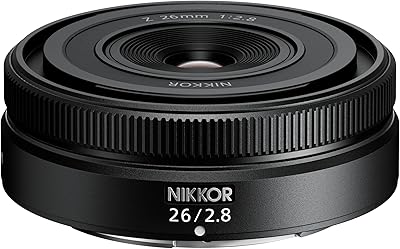
Nikon NIKKOR Z 26mm f/2.8 Pancake Lens
85%
94%
Portability & Size
88%
Image Quality & Sharpness
85%
Build Quality & Durability
92%
Value for Money
90%
Compatibility with Nikon Z Series
More
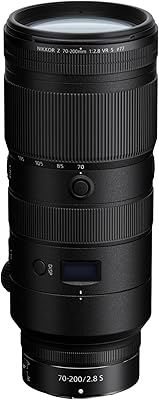
Nikon NIKKOR Z 70-200mm f/2.8 S Telephoto Zoom Lens
84%
96%
Optical Sharpness
93%
Autofocus Performance
91%
Image Stabilization
94%
Build Quality
89%
AF Motor Noise
More
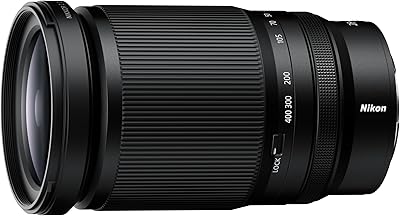
Nikon NIKKOR Z 28-400mm f/4-8 VR Lens
79%
96%
Zoom Range Versatility
91%
Image Stabilization (VR)
78%
Optical Sharpness
76%
Autofocus Performance
73%
Build Quality & Durability
More
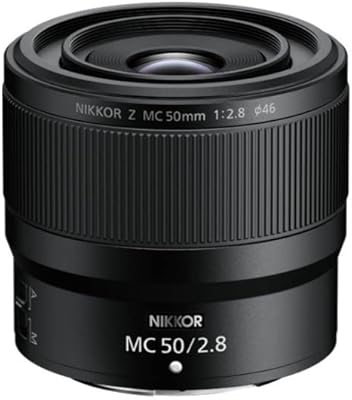
Nikon NIKKOR Z MC 50mm Macro Lens
84%
93%
Image Sharpness
91%
Macro Performance
72%
Autofocus Performance
84%
Build Quality & Durability
89%
Size & Portability
More
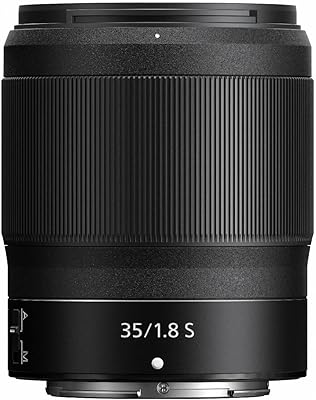
Nikon NIKKOR Z 35mm f/1.8 S Lens
86%
96%
Optical Sharpness
93%
Autofocus Performance
91%
Bokeh & Background Rendering
89%
Build Quality & Weather Sealing
92%
Low-Light Performance
More
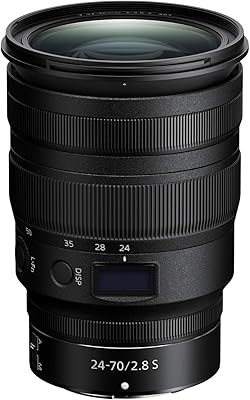
Nikon NIKKOR Z 24-70mm f/2.8 S Zoom Lens
87%
93%
Autofocus Speed & Accuracy
91%
Video Performance
94%
Optical Image Quality
96%
Build Quality
89%
Weather Sealing
More
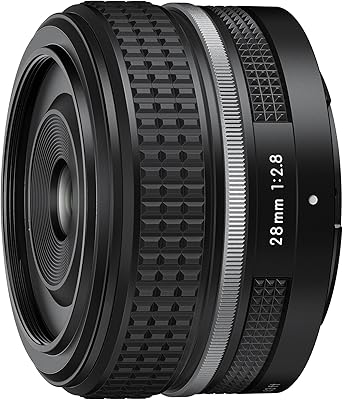
Nikon NIKKOR Z 28mm f/2.8 Special Edition Lens
84%
88%
Image Sharpness
83%
Autofocus Performance
84%
Build Quality & Feel
94%
Retro Design & Aesthetics
81%
Value for Money
More
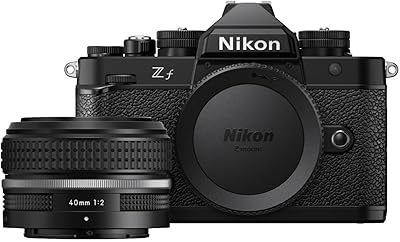
Nikon Z f
Nikon Z f
80%
93%
Build Quality & Design
91%
Image Quality
82%
Autofocus Performance
76%
Video Capabilities
84%
In-Body Stabilization
More
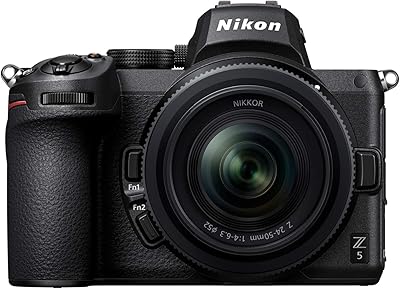
Nikon Z5 Full-Frame Mirrorless Camera
81%
92%
Image Quality
88%
Low-Light Performance
83%
Autofocus Performance
91%
In-Body Image Stabilization
86%
Build Quality & Ergonomics
More
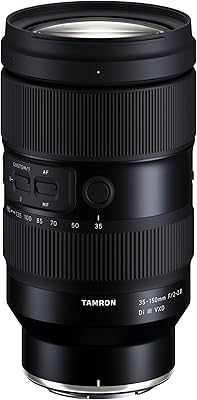
Tamron 35-150mm F/2-2.8 Di III VXD for Nikon Z
85%
82%
Autofocus Performance
91%
Image Quality (Sharpness & Color Accuracy)
88%
Build Quality & Durability
85%
Ease of Use & Ergonomics
87%
Portability & Weight
More

FAQ

Yes, it mounts natively on any Nikon Z camera including DX crop bodies like the Z50 and Z30. On those cameras the effective zoom range becomes approximately 42–112mm, which actually makes it a solid portrait and short-telephoto option rather than a wide-angle lens.

The Nikon NIKKOR Z 28-75mm f/2.8 Zoom Lens trades some optical refinement for meaningful weight and size reductions. Center sharpness is competitive, but the S-line pulls ahead noticeably at the edges and corners when shooting wide open, particularly on high-resolution bodies. If you shoot flat subjects or print large, the difference matters. For portraits, events, and travel, most users find the mid-range zoom more than capable.
Yes, the retractable barrel requires a deliberate twist to extend before shooting. It is a trade-off Nikon made to keep the lens compact when stored. Most users adapt to it quickly as part of their routine, but if you are used to always-ready zooms, expect a short adjustment period — and be especially mindful of it in fast-moving situations.

It does not include a rubber gasket seal at the mount, which is one of the notable differences from the S-line. Nikon has not officially rated it as weather-resistant, so shooting in rain or dusty environments carries more risk than with sealed glass. Light misting in brief situations is unlikely to cause immediate damage, but it is not a lens to rely on in consistently harsh outdoor conditions.

In almost all practical situations, yes. The stepping motor runs at near-inaudible levels, and on-camera or lav microphones typically will not pick it up during normal continuous AF operation. Only in very quiet environments with sensitive microphones placed very close to the lens have a small number of users detected any sound — so for typical run-and-gun or interview video work, you should be fine.

The front thread is 67mm, which is a very common filter size. Circular polarizers, ND filters, and UV protectors in 67mm are widely available from brands like B+W, Tiffen, Hoya, and others, and pricing is reasonable compared to larger thread sizes. If you already own 67mm filters from another lens, they will fit directly.

For most indoor event and portrait work — receptions, conferences, stage performances — f/2.8 on a full-frame Z body gives you a real low-light advantage and produces smooth background separation that flatters subjects. Pair it with a modern Z body that handles high ISO well, and you have a combination that covers the majority of event scenarios without needing to push ISO into visibly noisy territory.

If you are doing any kind of narrative or interview footage where you pull focus between subjects, yes — it prevents the subtle zoom-in or zoom-out effect that makes amateur video look unstable. For casual vlogging or travel footage where focus is mostly set-and-forget, it is less critical, but it is a useful feature to have regardless since it costs you nothing in normal use.

The minimum focusing distance is approximately 7.5 inches from the sensor plane, which is close enough to fill the frame with small objects like jewelry, food details, or product labels. It is not a true macro lens and will not achieve 1:1 magnification, but the close-focus capability is noticeably better than most standard zoom lenses in its class.

It depends on your shooting style. For street scenes, environmental portraits, and general travel shots, 28mm covers most situations comfortably. In tight interiors — small guesthouses, narrow alleyways, cramped cathedrals — you may occasionally wish for 24mm. If ultra-wide or architectural interior photography is a major part of your travel work, pairing this f/2.8 zoom lens with a wider prime would fill that gap.

Where to Buy