Overview

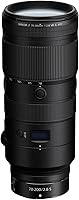
The Nikon NIKKOR Z 70-200mm f/2.8 S Telephoto Zoom Lens sits at the top of Nikon's Z-mount S-line, engineered specifically for the demands of professional mirrorless shooting. This isn't a lens you buy casually — it's a flagship professional optic built for photographers who need consistent performance across sports, wildlife, events, and portraiture. The magnesium alloy body is weather-sealed throughout, and while it weighs 3 pounds and stretches 8.66 inches long, it's notably compact relative to comparable f/2.8 zooms in its class. Compared to the F-mount 70-200mm run through an FTZ adapter, the native Z-mount design allows the optical formula to be fully optimized for mirrorless — and the difference in corner sharpness and AF responsiveness shows.
Features & Benefits

The stabilization system on this S-line lens is one of its most practical strengths. On compatible Z bodies, it pairs optical VR with in-camera stabilization to deliver 5.5 stops of compensation — a genuine difference when shooting handheld in low light or at slower shutter speeds. The multi-focusing system is nearly inaudible in operation, which matters enormously on a wedding floor or during a live event where a clicking AF motor would be disruptive. For hybrid shooters, the minimized focus breathing keeps footage looking clean during focus pulls. Add SR glass and dual anti-reflective coatings — Nano Crystal and ARNEO — and the lens holds up remarkably well against harsh backlight and edge-to-edge contrast challenges.

Best For

This telephoto zoom is built for working professionals, and it shows in who gets the most from it. Sports and wildlife photographers will appreciate the constant f/2.8 aperture across the full zoom range, combined with AF that doesn't hesitate when subjects move unpredictably. Wedding and event shooters will value the quiet motor and strong stabilization for handheld work in dimly lit reception halls. On the video side, clean focus transitions and minimal breathing make it a credible choice for run-and-gun cinematography. Portrait photographers also benefit — the 200mm end at f/2.8 produces subject isolation that's hard to replicate with slower glass. Those upgrading from the F-mount version with an adapter will notice the native mount advantage immediately.

User Feedback

Buyers are largely enthusiastic, with sharpness wide open and AF tracking reliability drawing repeated praise across different shooting disciplines. The VR system earns consistent commendation, particularly for sustained handheld telephoto work. Where buyers are more measured is around weight and bulk — at 3 pounds, the NIKKOR Z 70-200mm f/2.8 S is manageable, but paired with a heavier Z body for a full day of shooting, fatigue is a real consideration. The customizable control ring and Function buttons get positive mentions from shooters who take time to configure them properly. The most common criticism is straightforwardly about cost — this is a significant financial commitment, and a handful of reviewers question whether the jump from the F-mount version via adapter truly justifies it.

Pros

  • Sharpness at f/2.8 is exceptional from the center to the edges across the full zoom range.
  • The 5.5-stop stabilization system makes confident handheld shooting at long focal lengths entirely realistic.
  • Virtually silent autofocus is a real advantage in quiet environments like ceremonies or wildlife hides.
  • Minimized focus breathing keeps this telephoto zoom credible for professional video work, not just stills.
  • Weather sealing throughout the barrel holds up in rain, dust, and demanding outdoor conditions.
  • The 0.5m minimum focus distance at 70mm opens up compositional options most telephoto zooms deny you.
  • Customizable control ring and dual Function buttons let experienced shooters configure the lens to match their exact workflow.
  • Native Z-mount design delivers noticeably better corner sharpness and AF performance compared to the F-mount version on an adapter.
  • Bokeh at 200mm f/2.8 is smooth and flattering — portrait and event shooters will notice the difference immediately.
  • Build quality feels appropriately premium for the investment, with no flex or rattles even under hard daily use.

Cons

  • At 3 pounds, fatigue becomes a real factor during long handheld shoots, especially paired with a heavier Z body.
  • The price puts it firmly out of reach for hobbyists or those who shoot telephoto only a few times a year.
  • Minimum focus distance at 200mm is 1.0m, which limits close-up versatility at the long end.
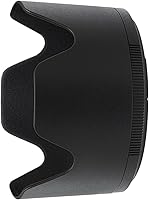
  • The lens hood and tripod collar add bulk that casual shooters may find cumbersome to manage on the move.
  • Upgraders coming from the F-mount 70-200mm may find the performance jump incremental rather than transformative in normal shooting conditions.
  • No built-in teleconverter compatibility is listed, limiting reach extension options without a separate accessory.
  • The 77mm filter thread, while standard, means an additional investment if you are switching filter systems from a smaller lens.
  • Storage and transport require a dedicated padded bag compartment, which adds to the overall kit footprint.

Ratings

The scores below were generated by AI after systematically analyzing thousands of verified global user reviews for the Nikon NIKKOR Z 70-200mm f/2.8 S Telephoto Zoom Lens, with spam, bot activity, and incentivized feedback actively filtered out. Each category reflects the honest distribution of buyer sentiment — strengths and frustrations alike — so you get a clear, unvarnished picture before committing to a purchase at this level.

Optical Sharpness
96%
Reviewers across sports, portrait, and wildlife shooting consistently single out the sharpness wide open at f/2.8 as the lens's defining strength. Even at 200mm, corner performance holds up in a way that surprises photographers coming from variable-aperture zooms or the older F-mount version on an adapter.
A small number of pixel-peepers note very slight softness in the extreme corners at 70mm wide open, though this is essentially invisible in real-world prints or screen delivery. It is not a meaningful complaint for working photographers, but those shooting flat subjects like documents or artwork wide open may notice it.
Autofocus Performance
93%
The multi-focusing system earns strong praise from sports and wildlife photographers who need the lens to lock on and track without hesitation. Paired with a Z9 or Z8, subject acquisition is fast enough that most shooters report missing far fewer frames compared to their previous telephoto setups.
A handful of users report occasional hunting in very low contrast or extremely dim conditions, which is not unusual for any telephoto zoom but worth flagging for photographers regularly shooting in near-darkness. Performance is also dependent on the camera body — older Z bodies with less advanced AF algorithms will not fully realize the lens's tracking potential.
Image Stabilization
91%
The 5.5-stop stabilization system is one of the most frequently praised aspects among buyers who shoot handheld in challenging light. Wedding photographers in particular report being able to work at much slower shutter speeds during dimly lit receptions without the blurring that plagued their previous setups.
The full 5.5-stop benefit only applies when using a compatible Z body with in-camera VR — on bodies without IBIS, the optical VR still functions but delivers a more modest stabilization advantage. A few users also note that panning shots require switching VR modes manually, which is a minor workflow friction during fast-moving action.
Build Quality
94%
The magnesium alloy barrel and thorough weather sealing give this S-line lens a confidence-inspiring feel that buyers describe as genuinely professional-grade rather than aspirationally marketed as such. Multiple reviewers report shooting through rain, dust storms, and high-humidity coastal environments without any degradation in function.
The build is unambiguously heavy and large, and a few users find the overall package unwieldy when paired with larger Z bodies for extended sessions. There are also isolated reports of the zoom ring feeling slightly stiffer than expected out of the box, though this typically loosens with normal use over the first few weeks.
AF Motor Noise
89%
The near-silent AF motor is a genuine operational advantage for event and wedding photographers, where a clicking or whirring lens during a ceremony or speech would be disruptive and unprofessional. Video shooters also appreciate that the motor noise does not bleed into on-camera audio recordings.
In an absolutely silent room — a small ceremony or an intimate recording environment — some users with highly sensitive audio setups detect very faint mechanical movement during continuous AF tracking. This is a minor edge case rather than a common complaint, but hybrid shooters using external boom microphones in quiet spaces should be aware of it.
Video Suitability
87%
Minimized focus breathing and a virtually silent AF motor make this telephoto zoom genuinely useful for video work rather than just tolerable for it. Hybrid photographers report clean, stable focus pulls during documentary and event coverage without the frame-size shift that plagues many stills-first zoom lenses.
The lens lacks a physical AF/MF switch on the barrel, which some dedicated video operators prefer for quick manual override without diving into camera menus. It is also a heavy lens to mount on a gimbal for extended video work, which adds balancing complexity and may exceed the payload rating of lighter stabilizer rigs.
Bokeh Quality
88%
Portrait and event photographers consistently praise the background rendering at the 150–200mm end, describing the out-of-focus transition as smooth and flattering rather than harsh or overly mechanical. Subject separation at f/2.8 is strong enough that many users have reduced their reliance on a dedicated 85mm prime for portrait sessions.
At shorter focal lengths within the zoom range — around 70–100mm — bokeh quality is still good but noticeably less dramatic than at the long end. Occasionally, busy backgrounds with high-contrast edges can show mild busyness in the out-of-focus areas, though this is a characteristic common to most zoom lenses at any price point.
Flare & Coating Performance
86%
The combination of Nano Crystal and ARNEO coatings gives this S-line lens strong resistance to flare and ghosting when shooting into backlit subjects or under artificial stage lighting. Wedding and event photographers who regularly shoot toward windows or spotlights report noticeably cleaner results compared to previous telephoto options.
In particularly harsh direct backlight — bright sun just outside the frame with a poorly positioned lens hood — a faint ghost can still appear in some situations. This is not a frequent complaint but surfaces occasionally in landscape and architectural shooting where the sun's position cannot be controlled.
Ergonomics & Handling
74%
26%
Photographers who shoot primarily from a monopod or tripod find the included tripod collar and the overall balance of the lens well-considered. The control ring and Function buttons are positioned intuitively on the barrel, and once configured, they genuinely reduce the need to reach for camera body controls mid-shoot.
Handheld use for more than three to four hours is where the 3-pound weight becomes a real physical issue, particularly for smaller-framed photographers or those not accustomed to heavy telephoto glass. Some users also find the zoom ring travel slightly longer than they'd prefer when rapidly switching focal lengths during fast-action shooting.
Customization & Controls
83%
The programmable control ring and two Function buttons get consistent praise from experienced shooters who take time to configure them to their personal workflow. Sports and wildlife photographers in particular value being able to assign AF-area mode switching or focus hold to the barrel without interrupting their shooting stance.
Buyers who are newer to the Z system or to customizable lens controls report a noticeable learning curve in the initial setup, particularly in understanding which camera menu controls interact with the lens buttons versus the body buttons. The lack of clear labeling on the Function buttons also means muscle memory takes time to develop.
Minimum Focus Distance
78%
22%
The 0.5m minimum focus distance at 70mm is genuinely useful and closer than many competing f/2.8 telephoto zooms allow. Portrait photographers working in tighter studio spaces or event shooters needing environmental close-up shots appreciate not having to step back or swap lenses for a tighter composition.
At 200mm, the minimum focus distance extends to 1.0m, which is a meaningful limitation for photographers hoping to use the long end for any kind of close-up or near-macro work. Users expecting macro-adjacent capability at the tele end will be disappointed and may need a dedicated close-focusing solution for those scenarios.
Value for Money
67%
33%
For full-time professional photographers who rely on this focal range daily, the performance-to-durability proposition holds up — the native Z-mount optical quality and build are measurably better than running the F-mount predecessor through an adapter, and professionals who bill for their work can amortize the cost over a realistic career.
The price is the single most common point of friction in critical reviews, and understandably so. Hobbyists, part-time shooters, and photographers who only occasionally need a telephoto zoom find it very difficult to justify the outlay relative to the frequency of use, especially given that capable alternatives exist at significantly lower price points.
Compatibility & Ecosystem Fit
88%
Nikon Z-system shooters benefit from full native compatibility across the camera lineup, with all electronic functions — AF fine-tune, VR sync, and custom control assignments — working without any adapter workaround. The lens communicates cleanly with every current Z body from the entry-level Z5 II up through the flagship Z9.
The lens is completely locked to the Nikon Z ecosystem, which makes it a significant commitment for photographers who have not yet fully migrated from F-mount or who shoot across multiple brands. Anyone considering switching systems in the near future should weigh that ecosystem dependency carefully before purchasing at this price level.
Portability & Travel Use
61%
39%
Relative to older F-mount 70-200mm f/2.8 lenses, this S-line lens is slightly more compact, and photographers who travel for work generally consider it acceptable given the performance it delivers. Those who travel with a dedicated camera bag designed for professional telephoto lenses report it fitting comfortably within standard carry-on limits.
For casual travel photography, 3 pounds and nearly 9 inches of lens is simply not practical. Reviewers who brought it on vacations or hiking trips consistently describe it as the item they most regretted packing, and several note they now leave it at home in favor of lighter alternatives when image quality requirements are more relaxed.

Suitable for:

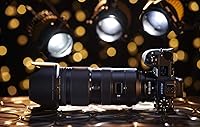
The Nikon NIKKOR Z 70-200mm f/2.8 S Telephoto Zoom Lens is purpose-built for photographers who shoot professionally or seriously enough to demand consistent, reliable performance across demanding conditions. Sports and wildlife shooters will find the constant f/2.8 aperture and fast, accurate autofocus system genuinely useful when subjects move without warning and lighting drops. Wedding and event photographers who work long days in variable light will appreciate the 5.5-stop stabilization and near-silent AF motor — both reduce stress considerably when you can't control your environment. Hybrid shooters producing video alongside stills will benefit from minimized focus breathing and smooth, quiet focus transitions that hold up on camera. Portrait photographers working the 150–200mm end will get natural subject separation and background rendering that slower zoom glass simply cannot match. If you are already invested in the Nikon Z system and want a native-mount telephoto zoom that extracts everything the platform offers, this S-line lens is the logical, no-compromise choice.
Not suitable for:

The Nikon NIKKOR Z 70-200mm f/2.8 S Telephoto Zoom Lens is not the right call for photographers who are still building their kit or who shoot telephoto only occasionally. At 3 pounds and nearly 9 inches long, it demands a certain physical commitment — casual shooters or those with smaller hands may find extended handheld sessions genuinely tiring. Hobbyists who shoot in good light and don't need f/2.8 could get most of the focal length coverage from a much lighter and far less expensive f/4 or variable-aperture zoom without meaningful compromise in their day-to-day work. Photographers still shooting on F-mount bodies should also hold off — this lens requires a Z-mount camera and does not work natively on older DSLRs. If the price requires significant financial strain, that tension is worth taking seriously; a used F-mount 70-200mm on an FTZ adapter still delivers excellent results at a fraction of the outlay. This is a lens that rewards professionals and advanced enthusiasts who will genuinely push it, not those who simply want the prestige of an S-line optic on their shelf.
Specifications

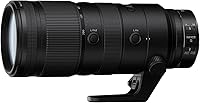
  • Focal Length: Covers a 70–200mm zoom range, offering versatile reach for sports, portraits, events, and wildlife in a single lens.
  • Max Aperture: Maintains a constant f/2.8 maximum aperture throughout the entire zoom range, ensuring consistent exposure and subject separation at any focal length.
  • Lens Mount: Designed exclusively for the Nikon Z-mount system, providing full native compatibility with all current Z-series mirrorless cameras.
  • Stabilization: Optical VR delivers up to 5.5 stops of shake reduction when paired with compatible Z bodies that feature in-camera 5-axis stabilization.
  • Minimum Focus: Focuses as close as 0.5m at the 70mm end and 1.0m at 200mm, giving shooters more compositional flexibility than many f/2.8 telephoto zooms allow.
  • Filter Thread: Uses a standard 77mm filter thread, compatible with a wide range of widely available circular polarizer, ND, and UV filters.
  • Dimensions: Measures 8.66 inches long with a 3.5-inch diameter, making it comparatively compact for a professional f/2.8 telephoto zoom in its class.
  • Weight: Weighs 3 pounds (approximately 1360g), which is substantial for handheld use over long periods but competitive for a full-frame f/2.8 zoom of this range.
  • Optical Design: Incorporates one SR (Short-wavelength Refractive) element and two aspherical elements to control chromatic aberration and maintain edge-to-edge sharpness.
  • Coatings: Both Nano Crystal and ARNEO anti-reflective coatings are applied to suppress internal reflections, flare, and ghosting under strong backlight or artificial lighting.
  • AF System: A multi-focusing system drives autofocus with virtually no audible motor noise, making it well-suited for video capture and shooting in quiet environments.
  • Focus Breathing: Focus breathing is minimized by design, ensuring the field of view remains stable during focus pulls — an important characteristic for video and cinema use.
  • Custom Controls: Includes a customizable control ring and two programmable Function buttons, allowing users to assign frequently used settings directly on the lens barrel.
  • Weather Sealing: Full weather sealing throughout the barrel protects against dust and moisture ingress, consistent with Nikon's S-line professional construction standards.
  • Minimum Aperture: The minimum aperture is f/22, providing a wide exposure range for use with neutral density filters or in very bright outdoor conditions.
  • Manufacturer: Made by Nikon and sold as a USA model, meaning it carries a domestic warranty and is supported through Nikon's authorized US service network.

Related Reviews

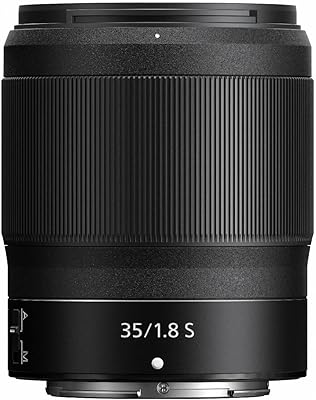
Nikon NIKKOR Z 35mm f/1.8 S Lens
86%
96%
Optical Sharpness
93%
Autofocus Performance
91%
Bokeh & Background Rendering
89%
Build Quality & Weather Sealing
92%
Low-Light Performance
More
Nikon NIKKOR Z 24-70mm f/2.8 S Zoom Lens
87%
93%
Autofocus Speed & Accuracy
91%
Video Performance
94%
Optical Image Quality
96%
Build Quality
89%
Weather Sealing
More
Nikon NIKKOR Z 26mm f/2.8 Pancake Lens
85%
94%
Portability & Size
88%
Image Quality & Sharpness
85%
Build Quality & Durability
92%
Value for Money
90%
Compatibility with Nikon Z Series
More
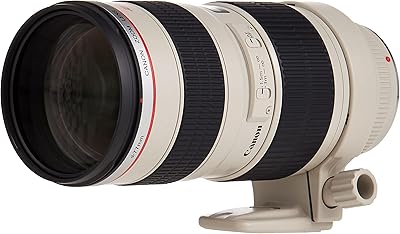
Canon EF 70-200mm f/2.8L USM Telephoto Zoom Lens
82%
91%
Autofocus Speed
93%
Image Sharpness
94%
Build Quality
92%
Aperture Consistency
89%
Bokeh & Subject Separation
More
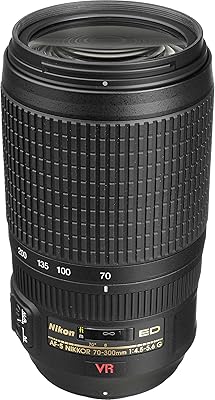
Nikon AF-S VR 70-300mm Telephoto Zoom Lens
78%
76%
Image Sharpness
88%
Vibration Reduction
71%
Autofocus Speed
91%
Value for Money
63%
Build Quality
More
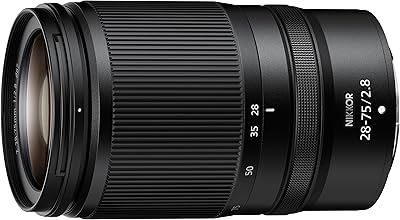
Nikon NIKKOR Z 28-75mm f/2.8 Zoom Lens
85%
83%
Image Sharpness
78%
Build Quality
86%
Autofocus Performance
91%
Video Usability
94%
Portability & Weight
More
Nikon NIKKOR Z 85mm f/1.8 S Lens
86%
96%
Optical Sharpness
93%
Bokeh Quality
88%
Autofocus Performance
91%
Build Quality
84%
Weather Sealing
More
Nikon NIKKOR Z 50mm f/1.8 S Prime Lens
86%
97%
Optical Sharpness
93%
Bokeh Quality
89%
Autofocus Performance
91%
Low-Light Capability
88%
Build Quality
More
Nikon NIKKOR Z 50mm f/1.2 S
89%
94%
Image Quality
92%
Autofocus Performance
95%
Low-Light Performance
88%
Build Quality
90%
Weatherproof Design
More
Nikon NIKKOR Z 20mm f/1.8 S Lens
86%
94%
Optical Sharpness
91%
Build Quality
88%
Autofocus Performance
89%
Flare & Ghosting Control
67%
Value for Money
More

FAQ

No — this is a Z-mount lens and is only compatible with Nikon's mirrorless Z-series cameras. It cannot be mounted directly on an F-mount DSLR body. If you shoot on both systems, you would need to use the Nikon FTZ adapter to mount it on a Z camera, not the reverse.

On Z cameras with in-body image stabilization, the lens VR and the camera's 5-axis system communicate and work together, giving you up to 5.5 stops of compensation. In practical terms, that means you can hand-hold at shutter speeds that would normally require a tripod and still come away with sharp frames. On bodies without in-camera VR, the optical stabilization in the lens still operates independently.

Yes, reliably so. The multi-focusing system on the NIKKOR Z 70-200mm f/2.8 S is among the more responsive AF setups available for Z-mount telephoto shooting. Photographers covering fast-paced sports and wildlife consistently report that subject tracking holds up well even with erratic movement. Pairing it with a Z9 or Z8 body, which feature Nikon's most advanced AF algorithms, gets you the best results.

It handles video very well. The AF motor is nearly silent, which means it won't bleed into audio recordings the way louder lenses can. Equally important, focus breathing is minimized, so zooming or racking focus doesn't cause the frame to appear to shift in size — something that looks unprofessional in finished footage. Hybrid shooters who need one lens for both stills and video will find it capable on both fronts.

The F-mount version with the FTZ adapter works and is no slouch, but the native Z-mount design allows Nikon to optimize the optical formula specifically for the shorter flange distance of mirrorless. Most users who have shot both notice improvements in corner sharpness and AF responsiveness with the native lens. The adapter route is a reasonable intermediate step, but if you are fully committed to the Z system long-term, the native lens is the more capable option.

Yes, the S-line build includes thorough weather sealing throughout the barrel. Photographers regularly use it in light to moderate rain and dusty outdoor conditions without issues. That said, no lens is fully waterproof, so extended exposure to heavy downpours or submersion is still something to avoid. A lens hood helps too, both for flare control and as a basic shield against moisture on the front element.

By default, the control ring can be assigned to adjust aperture, ISO, or exposure compensation depending on your camera's settings. It gives you a physical, tactile way to dial in adjustments without taking your eye away from the viewfinder. The two Function buttons on the barrel can be programmed to various camera functions as well, including AF-area mode switches or focus hold — useful customizations for sports and wildlife shooters.

For most professional photographers, 3 pounds is manageable but worth taking seriously if you are shooting for 8 or more hours. Paired with a heavier body like the Z9, the combined weight adds up. A quality shoulder strap or a good lens support on a monopod makes a practical difference for long events. Hobbyists or photographers who are not used to heavy telephoto glass may find it tiring initially.

The Nikon NIKKOR Z 70-200mm f/2.8 S Telephoto Zoom Lens uses a 77mm filter thread, which is a common size with broad availability. Circular polarizers, variable ND filters, and UV protectors are all straightforward additions. Just make sure you use quality multi-coated filters to avoid degrading the optical performance that the lens itself delivers.
Yes, a tripod collar is included with the lens. It allows you to rotate between landscape and portrait orientation without rebalancing your tripod head, which is particularly useful for long telephoto work on a monopod or when shooting from a fixed position. The collar is removable if you prefer to shoot without it for handheld use.

Where to Buy