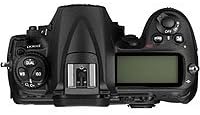
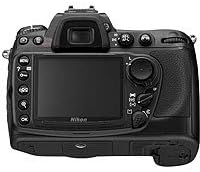
Overview
The Nikon D300 12.3MP DSLR Camera arrived at a time when photographers needed something tougher and smarter than consumer bodies but didn't want to commit to full-frame costs. Its magnesium alloy shell, wrapped in rubber seals and gaskets, offered weather resistance that most competitors at this tier simply couldn't match. The EXPEED image processor kept color rendering consistent across tricky lighting conditions. Yes, this Nikon body has years on it — but that doesn't automatically disqualify it. For certain shooting styles and budgets, the D300 still punches well above its vintage. Keep in mind this is a body-only listing, so budget for compatible Nikon F-mount glass separately.
Features & Benefits
The 51-point autofocus system, powered by Nikon's Multi-CAM3500 module, is the headline feature here. In practice, it tracks moving subjects with a confidence that most entry-level AF systems struggle to replicate — useful whether you're photographing athletes on a field or birds in flight. The 12.3MP APS-C sensor captures enough detail for large-format prints and holds up well under RAW post-processing. With a grip attached, the D300 can push to 8 frames per second, making it genuinely practical for action work. The 1/8000s shutter ceiling and 1/250s flash sync round out a control set that rewards photographers who know exactly what they're doing.
Best For
This semi-pro DSLR makes the most sense in a few specific hands. If you're upgrading from a beginner body and want something that won't flinch in rain or dust without stepping into full-frame pricing, the D300 is a logical step. Sports and action photographers will appreciate the burst rate and AF tracking more than someone shooting landscapes or casual portraits. It's also a smart pick for Nikon shooters who already own F-mount glass — the body's DX and FX mount compatibility means existing lenses transfer over directly. On the used market, this Nikon body doubles as a capable backup or a serious learning platform with professional-grade controls.
User Feedback
Across 303 ratings, the D300 holds a 4.1 out of 5, and the pattern in those reviews is fairly consistent. Build quality and ergonomics come up repeatedly as genuine strengths — buyers note the body feels authoritative in hand and handles extended shooting sessions without complaint. Battery life, rated around 1,000 shots per charge, earns quiet appreciation from photographers who shoot all day. On the critical side, the 720p video is a real limitation if you need modern footage quality, and the CompactFlash-only storage frustrates anyone used to SD cards. A few lower ratings seem rooted in comparing this semi-pro DSLR against cameras released years later, which isn't entirely fair context.
Pros
- Magnesium alloy body with rubber seals handles dust and moisture that would sideline cheaper cameras.
- The 51-point AF system tracks moving subjects with a reliability that still holds up well in action scenarios.
- RAW file support gives serious post-processors full control over color, exposure, and detail in editing.
- Battery life rated at around 1,000 shots per charge means fewer interruptions during long shooting days.
- Compatible with both DX and FX Nikon F-mount lenses, making it easy to grow or reuse an existing kit.
- The 0.94x pentaprism viewfinder offers a bright, accurate view that makes manual composition straightforward.
- Burst shooting with an optional grip reaches 8 frames per second, a genuine asset for sports photographers.
- Multiple metering modes and full manual exposure control reward photographers who know how to use them.
- The 1/250s flash sync speed opens up reliable fill-flash in bright outdoor conditions.
- A 4.1-star average across over 300 reviews reflects consistently solid real-world satisfaction.
Cons
- HD 720p video is a plain limitation — not a trade-off, just genuinely outdated by current standards.
- CompactFlash-only storage is inconvenient and increasingly expensive compared to widely available SD cards.
- No in-body image stabilization means lens-based stabilization or a steady hand is required in low light.
- The body-only listing means new buyers face immediate additional cost before they can take a single shot.
- An 8GB maximum supported card size is restrictive for RAW shooters during high-volume sessions.
- The D300 has no wireless connectivity, so transferring images requires a physical cable or card reader.
- ISO tops out at 3200 in expanded mode, which limits flexibility in very low-light environments.
- The fixed LCD cannot tilt or swivel, making low-angle or overhead LiveView composition awkward.
- Age of the platform means finding reliable used units requires careful inspection for shutter count and wear.
- Newer entry-level DSLRs often match or exceed this semi-pro DSLR in video and connectivity at lower cost.
Ratings
The scores below reflect an AI-driven analysis of verified global user reviews for the Nikon D300 12.3MP DSLR Camera, with spam, bot-generated, and incentivized feedback actively filtered out before scoring. Drawing on feedback patterns across 303 documented ratings, these results transparently capture both what buyers consistently praised and where real frustrations surfaced. No score has been inflated — the strengths and the limitations are both represented as honestly as the data allows.
Autofocus Performance
Build Quality
Image Quality
Battery Life
Ergonomics & Handling
Value for Money
Video Capability
Storage & Media
Connectivity
Low-Light Performance
Lens Compatibility
Viewfinder Experience
Burst & Speed
Metering Accuracy
Suitable for:
The Nikon D300 12.3MP DSLR Camera is a strong fit for photographers who have outgrown entry-level bodies and want a serious upgrade without crossing into full-frame territory. Sports and action shooters in particular will find the 51-point autofocus and burst capability genuinely useful in the field, where tracking unpredictable movement matters far more than pixel count. If you already own Nikon F-mount lenses, this body lets you put that glass to work on a platform with professional-tier controls and a build that can handle rough conditions. Studio photographers who rely on precise metering, manual exposure control, and a reliable flash sync will also feel at home here. On the used market, the D300 makes an especially practical backup body or a hands-on learning tool for serious amateurs who want real controls without a real full-frame price.
Not suitable for:
Buyers expecting modern video performance should look elsewhere — the Nikon D300 12.3MP DSLR Camera records only at HD 720p in AVI format, which falls well short of what even mid-range cameras deliver today. Anyone without an existing Nikon F-mount lens collection will need to factor in the additional cost of glass, since this is a body-only listing with nothing included to shoot with out of the box. Photographers who rely on SD cards for fast, convenient storage will be frustrated by the CompactFlash-only slot, and the 8GB maximum supported card size is a meaningful constraint for high-volume shooting sessions. The lack of in-body image stabilization is another real limitation for low-light or handheld telephoto work. If you are primarily a casual shooter or a smartphone upgrader looking for simplicity, the D300's deep control menus and older interface will likely feel more overwhelming than empowering.
Specifications
- Sensor: 12.3MP APS-C CMOS sensor produces files with enough resolution for poster-size prints and extensive RAW post-processing.
- Autofocus: 51-point Multi-CAM3500 phase-detection AF system delivers reliable subject tracking across a wide area of the frame.
- ISO Range: Native ISO spans 200 to 3200, with expanded settings available for additional low-light flexibility.
- Shutter Speed: Mechanical shutter range runs from 30 seconds to 1/8000s, covering everything from long exposures to freezing fast action.
- Flash Sync: Maximum flash sync speed of 1/250s supports reliable fill-flash performance in bright outdoor conditions.
- Burst Rate: Shoots up to approximately 6fps natively, extendable to 8fps with the optional MB-D10 battery grip attached.
- Viewfinder: Fixed eye-level pentaprism viewfinder offers 0.94x magnification for a bright, accurate optical compositing view.
- LCD Display: 3-inch fixed LCD with 922,000 dots supports both handheld and tripod LiveView shooting modes.
- Video: Records HD 720p video in AVI format; video capability is limited by modern standards and best treated as secondary.
- Storage: Accepts CompactFlash (CF) cards only, with a maximum supported capacity of 8GB per card.
- Lens Mount: Compatible with Nikon F-mount lenses in both DX and FX formats, giving access to a broad range of Nikon glass.
- Build Material: Magnesium alloy body construction reinforced with rubber seals and gaskets for resistance to dust and moisture ingress.
- Connectivity: Offers USB 2.0 for tethered shooting and file transfer, plus HDMI output for direct display connection; no wireless built in.
- Battery: Lithium-Ion battery is rated for approximately 1,000 shots per charge under standard shooting conditions.
- Image Formats: Captures stills in RAW (NEF) and JPEG at Basic, Fine, and Normal quality levels, giving flexibility in file size and editability.
- Metering: Three metering modes are available — multi-segment, center-weighted, and average — for precise exposure control across varied scenes.
- Weight: Body weighs approximately 2 pounds without a lens or battery grip, making it substantial but manageable for extended use.
- Stabilization: No in-body image stabilization is present; stabilization must come from the lens itself if required.
- Warranty: Covered by a one-year manufacturer warranty from Nikon when purchased new through authorized channels.
- Box Contents: Ships body-only with battery, body cap, eyecup, and USB cable included; no lens is provided in the package.
Related Reviews
Nikon D610 Full-Frame DSLR Camera
Hiseeu 12-Camera 3TB Wireless Security System
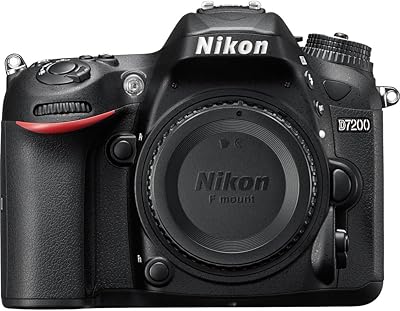
Nikon D7200
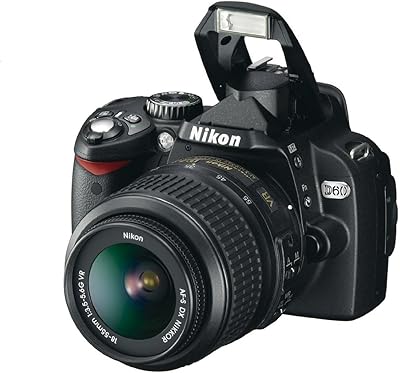
Nikon D60 18-55mm Kit DSLR Camera
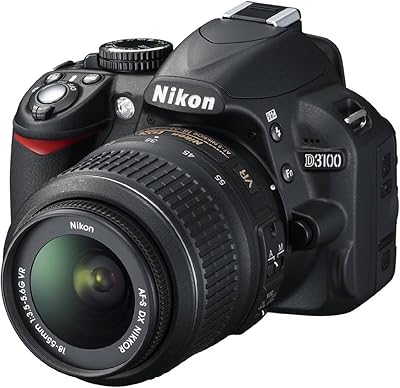
Nikon D3100 18-55mm VR Kit
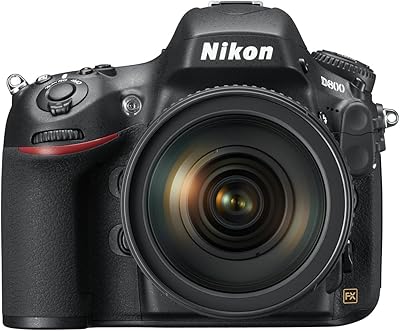
Nikon D800 36.3MP FX-Format DSLR Camera
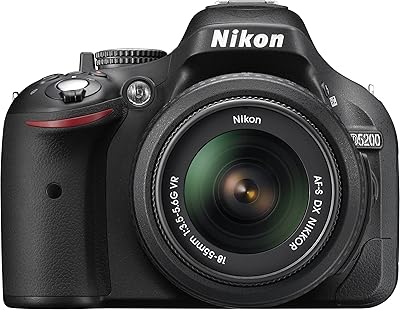
Nikon D5200
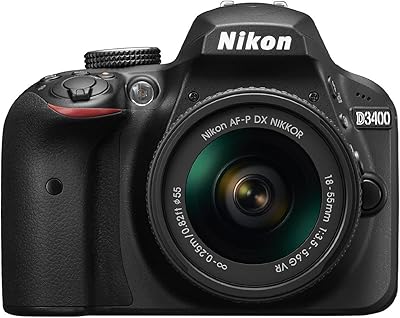
Nikon D3400 18-55mm VR Kit
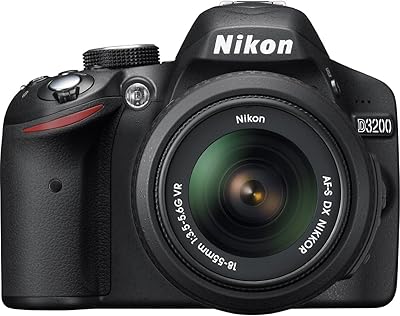
Nikon D3200 24.2MP DSLR