Overview

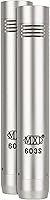
The MXL 603S Small-diaphragm Condenser Microphone is built with one clear purpose in mind: capturing the detail and transient response of acoustic instruments, not vocals. MXL positioned this mic as an accessible entry point into more serious condenser territory, and the Mogami internal wiring is the headline differentiator that sets it apart from similarly priced rivals. The satin silver finish with etched engravings gives it a studio-ready look that punches above its weight visually. That said, expectations should stay grounded — this is a mid-tier build, not a boutique mic. You will need an audio interface with phantom power and an XLR input to use it at all.
Features & Benefits

The 20mm gold-sputtered diaphragm — just 6 microns thick — is engineered for sensitivity and fast transient capture, which translates to a clean, articulate sound on plucked strings and percussion. What really stands out internally is the Mogami cable wiring. Mogami is widely respected among audio engineers for low noise and signal integrity, and finding it inside a mic at this price point is genuinely uncommon. The XLR connector plays nicely with virtually any standard preamp or audio interface. The included mic clip and pop filter mean you are not scrambling for accessories on day one, which is a practical touch worth noting.

Best For

This small-diaphragm condenser earns its place in home studio setups where acoustic instruments are the main focus — acoustic guitar, mandolin, banjo, and similar sources respond well to its transient accuracy. It also works for podcasters or voiceover artists who want a step up from USB mics without a major outlay. Beginners learning proper mic placement will find the 603S forgiving enough to experiment with while still revealing meaningful differences in positioning. One honest caveat: untreated rooms will expose the mic's sensitivity to background noise quickly, so this instrument mic rewards those who have at least put some thought into their recording environment.

User Feedback

With just 16 ratings and a 3.7 out of 5 average, the feedback pool is too small to draw firm conclusions, but a few patterns do emerge. Buyers who recorded in treated spaces tended to appreciate the clarity on strings and praised the Mogami wiring as a real-world improvement over comparable mics. On the other side, several users flagged noticeable sensitivity to room noise and reflections, and a handful were let down by off-axis coloration that pricier condensers handle better. The bundled accessories were consistently seen as a welcome inclusion for anyone just getting started.

Pros

  • Mogami internal wiring is a genuine, verifiable signal-quality upgrade that most mics at this price skip entirely.
  • The 20mm gold-sputtered diaphragm captures fast transients accurately, making acoustic stringed instruments sound natural and detailed.
  • Comes with a mic clip and pop filter included, so you are not stuck buying accessories before your first session.
  • Satin silver finish with etched engravings looks polished and professional in any studio setting.
  • XLR connectivity works with virtually any standard audio interface or preamp you likely already own.
  • Metal body construction feels sturdy and suggests reasonable longevity for everyday studio use.
  • Phantom power operation keeps the noise floor clean compared to battery-powered alternatives.
  • A practical starter mic for beginners who want to learn acoustic recording without a steep financial commitment.

Cons

  • Highly sensitive to room noise — untreated recording spaces will quickly expose every ambient flaw in your environment.
  • Off-axis coloration is noticeable compared to pricier rivals, which limits its usefulness in multi-mic setups.
  • Only 16 user ratings make it difficult to draw reliable conclusions about long-term reliability or consistency.
  • Requires phantom power from an external interface — budget buyers may overlook this added cost upfront.
  • Not well-suited as a vocal microphone, which may disappoint buyers expecting more versatility from a single mic.
  • The mixed 3.7-star average, while based on a small sample, suggests meaningful variability in user satisfaction.
  • No polar pattern switching or pad options limits its adaptability to different recording scenarios.
  • Buyers in noisy or reverberant rooms may need to invest in acoustic treatment before this instrument mic performs at its best.

Ratings

The scores below reflect our AI-driven analysis of verified buyer reviews for the MXL 603S Small-diaphragm Condenser Microphone, collected from real users worldwide — with spam, incentivized, and bot-generated feedback actively filtered out before scoring. Each category is assessed transparently, so both the genuine strengths and the recurring frustrations are represented fairly. Whether this instrument mic fits your studio setup depends heavily on factors like room treatment and interface availability, and the scores below are designed to help you weigh exactly that.

Sound Quality on Instruments
76%
24%
Users recording acoustic guitar and mandolin in treated spaces consistently noted that the MXL 603S captured string attack and body resonance with surprising clarity for its price tier. The 6-micron gold-sputtered diaphragm does a genuine job of preserving the natural character of plucked and strummed sources without sounding artificially hyped in the high end.
Off-axis coloration was a recurring complaint from buyers who tried using this instrument mic in stereo pairs or angled room-mic positions. Some felt the sound became noticeably thin and colored when the source moved away from the on-axis sweet spot, which limits its versatility in more creative placement scenarios.
Signal Path & Internal Wiring
83%
The internal Mogami cable wiring is the single most praised differentiator among technically savvy buyers. Users who compared recordings through this small-diaphragm condenser against similarly priced rivals noted a measurably cleaner noise floor and more defined low-midrange detail — exactly what you would expect from Mogami-grade wiring in the signal chain.
While the wiring quality is real, its benefit is only fully realized when paired with a clean, low-noise preamp. Budget interface users running high gain to compensate for noisy preamps reported that the wiring advantage was partially masked, making the upgrade feel less impactful than expected in those setups.
Noise Floor & Self-Noise
61%
39%
In well-treated rooms with a quality preamp supplying clean phantom power, the self-noise level is manageable for typical home studio instrument tracking. Users recording fingerpicked acoustic guitar at moderate distances found the background noise acceptable and non-intrusive in the final mix.
Buyers working in untreated spare rooms or apartments reported the mic picked up HVAC rumble, street noise, and room reflections more readily than expected. Several reviewers specifically flagged self-noise concerns when boosting the signal in post, which suggests the capsule is unforgiving of less-than-ideal recording environments.
Build Quality
71%
29%
The all-metal body gives the MXL 603S a solid, confidence-inspiring feel that stands out against plastic-bodied competitors at this price point. The satin silver finish and etched engravings add a level of visual polish that buyers appreciated, particularly those who record video content alongside audio.
While the outer shell feels durable, some buyers noted that the capsule assembly inside felt less robust on close inspection, and the grille did not inspire confidence in long-term ruggedness under daily handling. It holds up well with normal studio care but is not built for road use or rough environments.
Value for Money
69%
31%
The combination of Mogami internal wiring and a gold-sputtered diaphragm at this price tier represents genuine engineering value, not just marketing positioning. Buyers who understood what they were getting — a focused instrument mic with a clean signal path — generally felt the pricing was fair relative to the technical specification.
Buyers who expected a versatile all-rounder for vocals, instruments, and podcasting often felt let down by how narrow the ideal use case is. When factored against competitors offering polar pattern switches and pads at similar prices, the value proposition becomes harder to justify unless Mogami wiring is specifically a priority.
Ease of Setup
78%
22%
The included mic clip fits standard 5/8-inch boom arm threads, so most buyers were recording within minutes of unboxing using gear they already owned. XLR compatibility means there are no driver installs, no USB quirks, and no software configuration — just plug in and record.
First-time XLR microphone users occasionally overlooked the phantom power requirement and were frustrated to discover the mic produces no signal without it. The lack of any visual indicator on the mic itself means troubleshooting that first-time silence is not immediately obvious for complete beginners.
Included Accessories
74%
26%
Having a mic clip and pop filter included in the box was consistently called out as a practical and welcome touch, especially by buyers setting up a first home studio on a tight budget. It removes two small but annoying purchase decisions and lets you start recording on the same day the package arrives.
The pop filter is functional but basic — buyers who moved on to any kind of regular vocal or podcast recording found themselves replacing it fairly quickly. The mic clip is similarly entry-level and does not offer the shock isolation that would help reduce stand-borne vibrations from the recording.
Compatibility & Connectivity
88%
The standard XLR output means this instrument mic connects cleanly to essentially any audio interface, preamp, or mixing console on the market. Users running everything from basic Focusrite interfaces to more serious studio preamps reported zero compatibility issues, which is exactly what you want from a straightforward condenser.
The XLR-only design is not a flaw, but it does lock out buyers who were hoping to record directly into a computer without an interface. A small but vocal group of buyers purchased this mic without realizing they also needed a phantom-power-equipped interface, leading to disappointment that was more about expectation management than the mic itself.
Transient Response
79%
21%
Buyers recording fingerpicking passages and percussive acoustic strumming noted that the attack of each note came through with definition and clarity. The 6-micron diaphragm is genuinely fast, and that shows up in recordings where pick noise and string snap are important to preserve naturally.
On louder or more aggressive playing styles, a few users felt the transient capture became slightly harsh in the upper midrange without any pad option to soften the input level. Without a built-in attenuator, loud acoustic sources being close-miked can push the capsule harder than is ideal.
Versatility
52%
48%
Within its intended niche — on-axis acoustic instrument recording in a home studio — the MXL 603S performs reliably and consistently. Users who bought it specifically for acoustic guitar tracking and kept it in that role had far fewer complaints than those who tried to stretch it into other applications.
This is one of the narrower-use condensers in its class. No polar pattern switching, no pad, and a sensitivity profile that struggles in untreated rooms all combine to make it a poor choice for buyers who need one mic to cover vocals, instruments, podcasting, and live recording. It is a specialist tool, not a generalist one.
Frequency Response Accuracy
67%
33%
On-axis recordings of acoustic guitar and light percussion came across as natural and relatively flat, without the artificial brightness boost some budget condensers add to impress on first listen. Users mixing their recordings noted they did not need to apply heavy EQ corrections to get a usable sound.
The frequency response becomes less predictable off-axis, with some coloration in the upper midrange that required corrective EQ when the source moved or the mic was repositioned. For stereo recording techniques that depend on matched off-axis behavior, this inconsistency was a recurring frustration.
Aesthetic & Finish
81%
19%
The satin silver finish with etched engravings genuinely stands out in a category dominated by matte black utilitarian designs. Content creators and video producers who have their mic visible on camera appreciated that this instrument mic looks intentional and professional without additional effort.
The finish, while attractive, showed fingerprints and light scuffing more readily than a matte alternative would. A handful of buyers also noted that the silver color, while distinctive, does not match dark or neutral studio setups as naturally as a standard black microphone would.
Room Sensitivity
48%
52%
The high sensitivity that causes problems in untreated rooms is a genuine asset in acoustically controlled environments. Buyers who invested even modestly in room treatment — foam panels, a reflection filter, or a dedicated vocal booth — reported that the mic rewarded them with detailed, low-noise captures.
For anyone recording in a living room, bedroom, or untreated home office, the mic's sensitivity to ambient noise is a real and recurring problem that multiple reviewers flagged. HVAC hum, external traffic, and reflective walls all showed up in recordings in ways that required significant noise reduction in post, sometimes to the point of audible artifacts.

Suitable for:

The MXL 603S Small-diaphragm Condenser Microphone is a strong candidate for home studio musicians who spend most of their recording time on acoustic instruments — think acoustic guitar, mandolin, banjo, or light percussion. If you are just getting started with XLR microphones and want to learn proper mic placement without spending a fortune, this instrument mic gives you enough resolution to actually hear the difference your positioning decisions make. Podcasters and voiceover artists who have outgrown USB mics and want a clean, interface-ready condenser will also find it a practical step up. The bundled mic clip and pop filter mean you can get running without a separate accessories run, which matters when you are still building out a basic setup. Producers assembling a budget mic locker who specifically value clean signal path components — the Mogami internal wiring being the key reason here — will appreciate what this mic offers relative to its price tier.

Not suitable for:

Buyers recording in untreated rooms should think carefully before committing to the MXL 603S Small-diaphragm Condenser Microphone, because its sensitivity will pick up every HVAC hum, wall reflection, and ambient noise your space produces. It is not the right tool for anyone expecting a primary vocal microphone — small-diaphragm condensers are engineered for instrument sources, and this one is no exception. If you are chasing tight, controlled off-axis rejection for multi-mic instrument setups or live sound applications, the off-axis coloration reported by some users may frustrate you. Anyone without an audio interface that supplies 48V phantom power will also need to factor in that additional cost, since this mic will not function without it. Finally, buyers who need a mic with a well-established, large review base to validate their purchase decision should know the rating pool here is quite small — just 16 ratings — so there is less collective data to lean on than with more widely adopted options.

Specifications

  • Diaphragm Size: The microphone uses a 20mm diaphragm, which is standard for small-diaphragm condenser designs optimized for instrument recording.
  • Diaphragm Material: The diaphragm is gold-sputtered and just 6 microns thick, enabling fast transient response and high sensitivity to acoustic detail.
  • Internal Wiring: The microphone is internally wired with Mogami cable, a professional-grade choice that minimizes signal degradation and noise interference.
  • Connector Type: Connection is via a standard XLR output, making it compatible with virtually any audio interface, preamp, or mixing console.
  • Power Source: The mic operates exclusively on phantom power (48V), supplied through the XLR connection from a compatible audio interface or preamp.
  • Body Material: The housing is constructed from metal, providing a degree of durability and shielding that plastic-bodied mics at this tier typically lack.
  • Finish: The exterior features a satin silver finish with etched engravings, giving the mic a refined, studio-appropriate appearance.
  • Dimensions: The microphone measures 11.54 x 9.53 x 4.53 inches in its packaged form, making it compact enough for most mic stand and desktop setups.
  • Weight: The unit weighs 1.32 pounds, which is light enough for standard mic clips and boom arm mounts without counterbalance issues.
  • Color: The microphone ships in silver only, consistent with the satin silver metal finish described in the product specifications.
  • Model Number: The official model number is MXL603, which is useful for identifying compatible accessories, replacement parts, and cross-referencing documentation.
  • Compatibility: The MXL 603S is compatible with personal computers and any audio interface that supplies 48V phantom power through an XLR input.
  • In the Box: Each unit includes the microphone itself, a mic clip, and a pop filter, so buyers can begin recording without sourcing additional accessories immediately.
  • Availability: The microphone was first made available in August 2005 and has not been discontinued by the manufacturer as of the most recent product data.
  • Product Type: This is a small-diaphragm condenser microphone, a category specifically engineered for accurate transient capture on acoustic instruments rather than close-proximity vocal recording.

Related Reviews
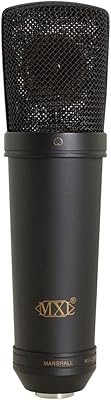
MXL 2003A Large-Diaphragm Condenser Microphone
77%
78%
Sound Character
61%
Self-Noise Level
82%
Build Quality
84%
Value for Money
86%
Included Accessories
More
Rode NT5-S
Rode NT5-S
89%
93%
Acoustic Instrument Clarity
96%
Build Durability
89%
Signal-to-Noise Ratio
91%
Value for Money
94%
Form Factor & Positioning
More
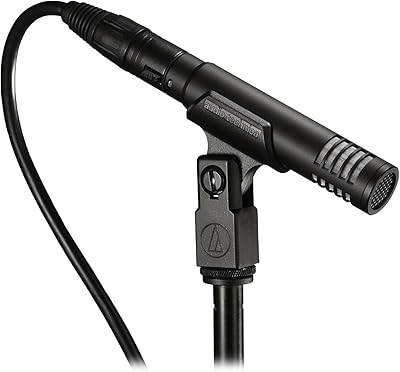
Audio-Technica PRO37 Small-Diaphragm Condenser Microphone

77%
91%
Sound Clarity
89%
Transient Response
83%
Build Quality
78%
Value for Money
86%
High-SPL Handling
More
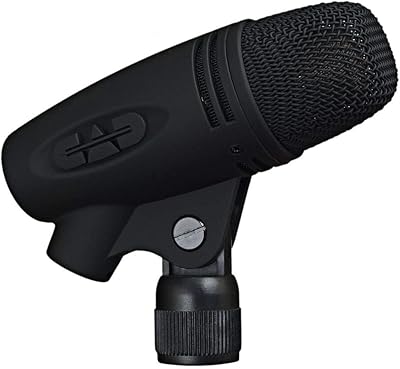
CAD Audio E70 Condenser Microphone
79%
91%
Transient Accuracy
88%
Sound Transparency
86%
Build Quality
79%
Capsule Versatility
83%
Value for Money
More
Avantone Pro CK-1 Small-Diaphragm Condenser Microphone
81%
88%
Sound Transparency
86%
Transient Response
81%
Capsule Versatility
84%
Build Quality
89%
SPL Handling
More
AKG C451 B Small-Diaphragm Condenser Microphone
84%
91%
Sound Quality
89%
High-Frequency Detail
88%
Transient Response
93%
Build Quality
64%
Value for Money
More
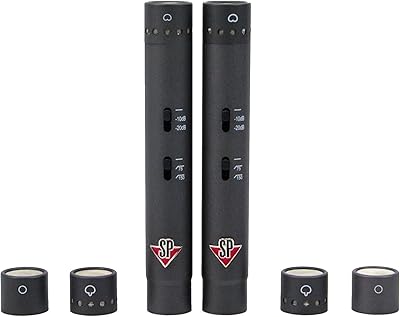
Studio Projects C4 Small-diaphragm Condenser Microphone Pair
76%
83%
Sound Quality
81%
Stereo Matching
74%
Capsule System
78%
Build Quality
79%
Value for Money
More
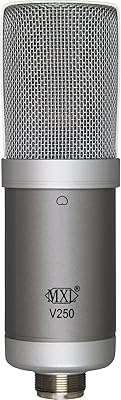
MXL V250 Condenser Microphone
73%
76%
Vocal Sound Quality
84%
Value for Money
61%
Noise Floor & Sensitivity
67%
Build Quality
81%
Ease of Setup
More
Aston Microphones Origin
85%
94%
Build Quality
89%
Vocal Clarity
92%
Instrument Response
71%
Internal Pop Filtering
91%
Price-to-Performance Ratio
More
Aston Microphones Spirit Large-Diaphragm Condenser Microphone
85%
93%
Sound Quality
96%
Build Quality
89%
Polar Pattern Versatility
88%
Built-in Pop Filter
84%
Value for Money
More
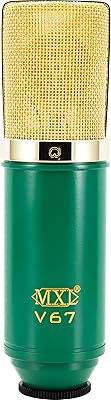
MXL V67G Large-diaphragm Condenser Microphone
77%
83%
Sound Quality
88%
Value for Money
76%
Build Quality
61%
Ease of Setup
74%
Noise Performance
More

FAQ

You cannot plug it directly into a computer via USB — the MXL 603S Small-diaphragm Condenser Microphone requires an XLR connection and 48V phantom power, which means you will need an audio interface that provides both. Most entry-level interfaces like the Focusrite Scarlett or PreSonus AudioBox handle this without any issues.

It is really built with instruments in mind. Small-diaphragm condensers like this one prioritize transient accuracy and off-axis precision, which suits acoustic guitars, mandolins, and similar sources well. For dedicated vocal recording, a large-diaphragm condenser would generally serve you better.

Mogami is a well-regarded cable brand among professional audio engineers, known for very low capacitance and noise rejection. Having it inside the mic — rather than just as an external cable — means the signal stays cleaner from capsule to output. It is a concrete, measurable advantage over mics that use generic internal wiring at a similar price point.

Yes, and this is worth taking seriously before you buy. Small-diaphragm condensers are quite sensitive by design, so an untreated room with hard walls, HVAC noise, or street sounds will show up clearly in your recordings. Even basic acoustic treatment — a few panels or a reflection filter — makes a noticeable difference.

For casual use and getting started, the included pop filter is perfectly functional. It is not a premium accessory, but it does the job of reducing plosive sounds during recording. If you are doing serious vocal or podcast work, you might eventually want to upgrade, but it is a solid inclusion for the price.

The internal Mogami wiring is the clearest point of differentiation — most competing mics at this tier use generic internal wiring, which can introduce more noise into the signal chain. The trade-off is that some competitors offer features like switchable polar patterns or built-in pads, which this instrument mic lacks. It comes down to whether signal path quality or feature flexibility matters more to you.

Technically you can, but it is really optimized for controlled studio environments. Its sensitivity makes it more susceptible to feedback in live settings, and the lack of a pad switch limits how you handle loud sources on stage. For live instrument mic applications, a dynamic mic is usually the more practical choice.

The all-metal construction is a genuine plus for everyday studio handling — it feels solid and resists the minor knocks that happen in a working studio environment. That said, like any condenser microphone, the capsule itself is sensitive to moisture and physical shock, so you should still store it properly in a case when not in use.

The core acoustic engineering principles behind small-diaphragm condensers do not age the way consumer electronics do. The Mogami wiring and gold-sputtered diaphragm are still competitive features. The main thing to keep in mind is that the budget condenser market has grown significantly since 2005, so there are more alternatives to compare it against than there used to be.

The included mic clip uses a standard 5/8-inch thread, which is the universal size for boom arms and most studio mic stands. You should have no compatibility issues with typical studio or desktop stand setups right out of the box.

Where to Buy