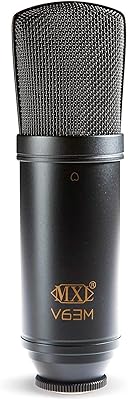
Studio Projects C4 Small-diaphragm Condenser Microphone Pair
Overview
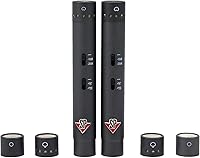
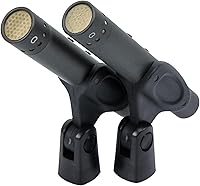
The Studio Projects C4 Small-diaphragm Condenser Microphone Pair has been a quiet staple in the mid-range mic market since its 2012 debut — and that longevity says something. Studio Projects built a reputation for making pro-quality audio gear accessible without stripping out the features that actually matter. The standout here is the interchangeable capsule system: each mic ships with both cardioid and omni capsules, giving you real flexibility rather than a single fixed pattern. You will need an XLR setup and a preamp capable of supplying 48V phantom power, so this is not a plug-and-play solution — but for home studio owners and working musicians, that is expected territory.
Features & Benefits
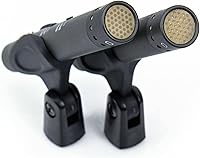
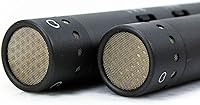
The most practical thing about the C4 mics is that the matched pair design is not just marketing. Both mics are built to perform consistently in frequency response and sensitivity, which matters the moment you set them up in an XY or ORTF stereo configuration — even small mismatches between mics can throw off stereo imaging. The 75 dB signal-to-noise ratio keeps recordings clean and detailed, especially on quiet sources like fingerpicked acoustic guitar or upright bass. Swapping capsules takes a few seconds and no tools, and the pencil-style body sits neatly on any overhead or instrument stand without fighting for position.
Best For
These small-diaphragm condensers really shine on acoustic instruments in stereo — drum overheads, acoustic guitar, piano, choral recordings, and orchestral strings are all natural fits. The interchangeable omni capsules are not just a checkbox feature; they are genuinely useful when you want to capture a room's character alongside a source, say a string quartet in a live space or a choir in a church hall. Home studio owners who want a matched pair without spending boutique-level money will find these a smart investment. Content creators moving up from USB mics will also appreciate the professional XLR workflow these bring to a setup.
User Feedback
Buyers consistently praise build quality and consistency between the two mics — a real concern at this price point, and one the C4 mics handle well. Comparisons to the Rode M5 pair come up often; most agree the Studio Projects offering holds its own in clarity, though some feel the Rode has a slightly smoother top end. The high-frequency response divides opinions — small-diaphragm condensers tend to be bright, and these are no exception. Some recordists love the detail and air; others find it a touch edgy on harsh sources. A few users also note the capsule swap mechanism feels stiff at first but loosens with regular use.
Pros
- Both mics in the pair measure consistently in sensitivity and frequency response, which is not a given at this price point.
- The interchangeable cardioid and omni capsules give you genuine recording flexibility without buying a second set of mics.
- A 75 dB signal-to-noise ratio means quiet acoustic sources come through clean and detailed.
- The pencil-style body is easy to position on standard overhead and instrument stands without awkward adapters.
- XLR connectivity works with virtually any audio interface, preamp, or mixing console you already own.
- The C4 mics have been on the market since 2012, giving them a well-documented track record across many recording scenarios.
- The compact form factor is especially handy for overhead drum miking where space between mics matters.
- Buyers frequently note the build quality feels solid and consistent across both units in the pair.
- Switching between capsule types takes seconds and requires no tools, making on-session adjustments practical.
Cons
- Requires 48V phantom power, so you cannot use these with entry-level interfaces that lack that capability.
- The high-frequency response can sound harsh or edgy on already bright or sibilant sources.
- The capsule swap mechanism feels stiff out of the box and takes some break-in before it operates smoothly.
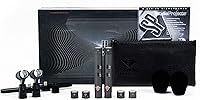
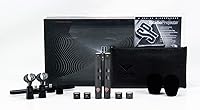
- No included mounting clips or stand accessories are notable given that stereo pairs typically require two of everything.
- Competitors like the Rode M5 pair are priced similarly and some buyers feel they offer a slightly smoother top-end character.
- These small-diaphragm condensers are not ideal for close-miking loud sources like guitar cabinets or snare drums.
- The brand lacks the name recognition of Shure or Rode, which can make resale value lower than comparable competing models.
- Users new to stereo mic techniques may need significant experimentation to get the best placement out of this pair.
Ratings
Our AI rating system analyzed verified global user reviews for the Studio Projects C4 Small-diaphragm Condenser Microphone Pair, actively filtering out incentivized, duplicate, and bot-generated submissions to surface what real buyers actually experience. The scores below reflect a balanced picture — genuine strengths and recurring frustrations alike — across categories that matter most to musicians, home studio owners, and live sound engineers. Where the C4 mics earn strong marks, you will see why; where they fall short, we say so plainly.
Sound Quality
Stereo Matching
Capsule System
Build Quality
Value for Money
Ease of Setup
High-Frequency Response
Noise Floor
Positioning Flexibility
Included Accessories
Durability Over Time
Omni Capsule Usability
Compatibility
Brand Reputation
Suitable for:
The Studio Projects C4 Small-diaphragm Condenser Microphone Pair is a strong fit for home studio musicians and recording hobbyists who want a matched stereo pair without paying boutique prices. If you regularly track acoustic guitar, piano, drum overheads, or strings in stereo, the consistent sensitivity between both mics will make a real difference in how natural and centered your stereo image sounds. Choral directors, ensemble recordists, and anyone capturing live acoustic performances will also get genuine use from the included omni capsules — particularly in rooms with good natural reverb where you want to bring the space into the recording. Live sound engineers looking for reliable overhead mics with some polar pattern flexibility will find these easy to position and dependable night after night. Content creators or podcasters who are ready to graduate from USB microphones into a proper XLR workflow will appreciate what this stereo condenser pair brings to the table.
Not suitable for:
Buyers expecting a plug-and-play experience should look elsewhere — the C4 mics require a capable audio interface or preamp with 48V phantom power, and getting the best out of them takes some knowledge of stereo mic techniques like XY or ORTF placement. If you are primarily recording vocals or loud electric instruments close-mic'd, a large-diaphragm condenser or a dynamic mic will likely serve you better than these small-diaphragm condensers. The brightness in the high-frequency range that makes these shine on acoustic instruments can become a liability on harsh or sibilant sources, so producers working heavily in hip-hop, EDM, or heavily processed genres may not find much use for them. Anyone on a very tight budget who also needs stands, cables, an interface, and preamps should factor in the total cost of a working XLR setup — the mics alone are only part of the investment. Finally, professionals who regularly record in critical, high-stakes commercial sessions may find the C4 sits just below the threshold of what top-tier clients expect.
Specifications
- Brand: Manufactured by Studio Projects, a brand focused on professional-grade audio equipment at accessible price points.
- Model: The model designation is C4, sold as a matched stereo pair of two individual microphone bodies.
- Mic Type: Both units are small-diaphragm condenser microphones, a form factor well-suited to capturing transient detail and high-frequency accuracy.
- Polar Pattern: Multipattern capability is achieved through interchangeable capsules: a cardioid capsule for directional pickup and an omni capsule for full spherical capture.
- Connectivity: Each microphone uses a standard 3-pin XLR output, compatible with professional audio interfaces, preamps, and mixing consoles.
- Power Source: Both mics require 48V phantom power supplied via the XLR connection; no batteries or additional power supplies are needed.
- Signal-to-Noise: The signal-to-noise ratio is rated at 75 dB, indicating a clean noise floor suitable for quiet acoustic instruments and detailed studio recording.
- Sensitivity: Audio sensitivity is rated at 10 dB, reflecting the mic's ability to convert acoustic energy into an electrical signal at a calibrated reference level.
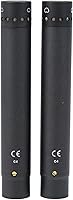
- Form Factor: Each mic body uses a pencil-style cylindrical design that sits securely on standard overhead and instrument boom stands.
- Capsule System: Capsules are tool-free and interchangeable between bodies, allowing users to switch between cardioid and omni patterns without additional hardware.
- Configuration: Sold as a factory-matched stereo pair, with both mics tested and selected for consistent frequency response and sensitivity characteristics.
- Item Weight: The complete package — including both mics and accessories — weighs approximately 3 pounds.
- Package Size: The packaged dimensions are 14.8 x 8.5 x 4.15 inches, housing both microphone bodies, capsules, and included accessories.
- Color: Both microphone bodies are finished in black.
- Compatible Devices: These microphones are compatible with amplifiers, audio interfaces, preamps, and mixing consoles that provide 48V phantom power via XLR.
- Channels: Each microphone operates as a single mono channel, with the stereo pair used together across two separate input channels on an interface or console.
- Availability: This stereo condenser pair was first made available in May 2012, giving it over a decade of documented use in professional and home studio environments.
- UPC: The Universal Product Code for this item is 850207000149.
Related Reviews
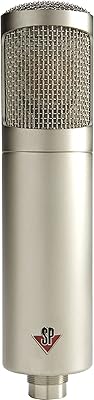
Studio Projects C1 Large-Diaphragm Condenser Microphone
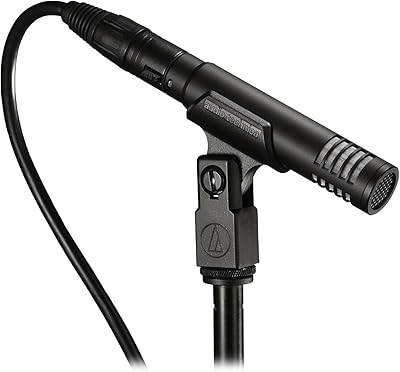
Audio-Technica PRO37 Small-Diaphragm Condenser Microphone

Rode NT5-S
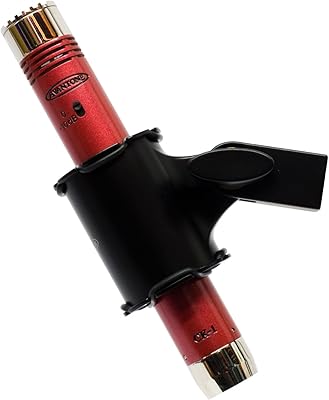
Avantone Pro CK-1 Small-Diaphragm Condenser Microphone
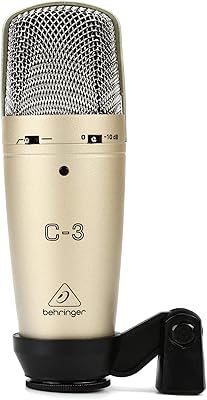
Behringer C-3 Dual-Diaphragm Condenser Microphone
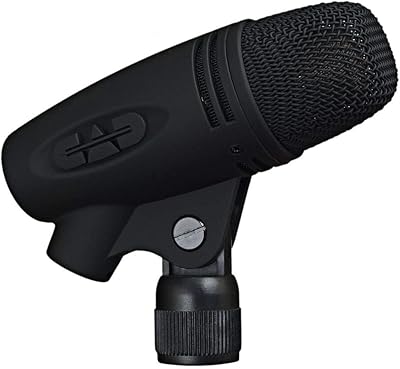
CAD Audio E70 Condenser Microphone

AKG C451 B Small-Diaphragm Condenser Microphone
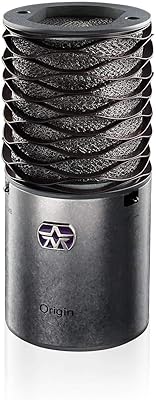
Aston Microphones Origin
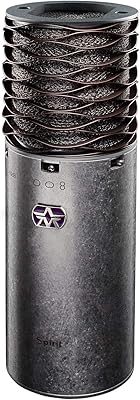
Aston Microphones Spirit Large-Diaphragm Condenser Microphone