Overview

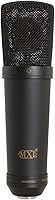
The MXL 2003A Large-Diaphragm Condenser Microphone has been a quiet staple in the home studio world since it launched back in 2008 — and that staying power says something. Built around a vintage-inspired capsule and a transformerless FET preamp circuit, this condenser mic occupies a practical middle ground between entry-level gear and genuinely capable recording equipment. It isn't trying to compete with high-end studio condensers costing several times more, and it doesn't pretend to. What it offers is a reliable, even-tempered microphone that a singer-songwriter, bedroom producer, or podcaster can pick up and actually use without hitting an immediate wall of frustration.
Features & Benefits

The transformerless FET preamp is worth understanding if you're new to microphone specs. In plain terms, it means the signal travels through fewer components, which tends to produce a cleaner, more neutral sound — less coloration, less transformer hum. This large-diaphragm mic also includes two practical controls: a switchable high-pass filter that rolls off low-end rumble (handy for vocals or voice work near air conditioning or traffic noise), and a -10dB pad for those moments when a source is simply too loud for a condenser. The included MXL 56 shock mount does real work isolating the mic from desk and stand vibrations. You'll need 48V phantom power, which any modern audio interface provides.

Best For

This condenser mic is a natural fit for home studio vocalists — think singer-songwriters tracking acoustic-driven pop, folk, or indie material where a large-diaphragm condenser's sensitivity actually works in your favor. Podcasters and voice-over artists who have outgrown USB microphones will also find it a meaningful upgrade, provided the room is reasonably treated. It handles acoustic guitars and light percussion well, and its flexible controls make it adaptable enough that one mic can cover several different recording tasks. That said, it's not the right tool for loud live sources or environments with significant background noise, and dedicated dynamic or ribbon mics will serve those situations far better.

User Feedback

With a 4.1-star average across 31 ratings, the picture that emerges is cautiously positive. Buyers consistently mention warm, full-bodied tone as a standout quality, and several note that the included shock mount alone justifies a portion of the purchase — it's a genuinely useful accessory, not an afterthought. On the critical side, some users with experience on higher-end condensers point out that self-noise becomes noticeable in very quiet recording environments. The single cardioid polar pattern also limits flexibility for those hoping to record multiple sources or stereo setups. Worth noting: room acoustics and interface quality account for much of the variation in user opinions, so results will differ depending on your setup.

Pros

  • Warm, full-sounding character works well for vocals and acoustic instruments without heavy EQ correction.
  • The included MXL 56 shock mount is a genuinely useful accessory that reduces stand and desk rumble effectively.
  • Switchable high-pass filter is a practical, real-world tool for cutting low-end room noise during vocal takes.
  • The -10dB pad adds flexibility, letting this condenser mic handle moderately loud sources without distorting.
  • Transformerless FET preamp keeps the signal clean and relatively neutral across the frequency range.
  • Brass construction gives the mic a solid, reassuring feel that holds up well over time.
  • Compatibility with standard 48V phantom power means it works with virtually any modern audio interface.
  • For home studio users on a budget, the overall feature set offers strong value compared to similarly priced alternatives.
  • Has maintained a presence in the market since 2008, which reflects a sustained level of buyer satisfaction.

Cons

  • Self-noise levels are noticeable compared to higher-end condensers, which can be a problem in very quiet recording environments.
  • Only one polar pattern means no versatility for stereo miking techniques or multi-person recording setups.
  • Sensitive to room acoustics — buyers without treated spaces may struggle to get clean, professional-sounding results.
  • The 31-rating sample size on Amazon is relatively small, making it harder to draw firm conclusions from user feedback trends.
  • Requires phantom power, which adds a dependency on a compatible audio interface — not truly plug-and-play for all setups.
  • Not well-suited for high-SPL sources; a dynamic microphone is simply a better tool for loud applications.
  • The cardioid pattern can pick up significant bleed in untreated rooms, which complicates mixing later.
  • No carrying case is included, so long-term storage and transport require an additional purchase.

Ratings

The scores below reflect an AI-driven analysis of verified global user reviews for the MXL 2003A Large-Diaphragm Condenser Microphone, with spam, bot activity, and incentivized feedback actively filtered out to ensure accuracy. Each category has been scored to reflect the honest balance of praise and frustration real buyers have reported, from home studio vocalists to podcast producers. Both the standout strengths and the genuine pain points are represented transparently so you can make a fully informed buying decision.

Sound Character
78%
22%
Users consistently describe the tone as warm and full-bodied, particularly on vocals and acoustic guitar — qualities that are harder to find at this price tier. For singer-songwriters tracking at home, the natural body the mic adds to a voice can reduce the need for heavy EQ work in the mix.
Compared to higher-end condensers, some users notice a slight softness or lack of air in the upper frequencies, which can make recordings sound a touch flat on detailed sources like fingerpicked guitar or orchestral instruments.
Self-Noise Level
61%
39%
For casual home recording — vocals, acoustic instruments, podcasting in a reasonably quiet room — the noise floor is manageable and most users won't find it a dealbreaker in typical recording sessions.
Users with experience on professional-grade condensers flag the self-noise as a noticeable limitation, especially during quiet passages or when recording delicate sources. In treated studio environments where the room noise is very low, the mic's own noise becomes more audible.
Build Quality
82%
18%
The brass body gives the mic a solid, weighty feel that buyers consistently note feels more substantial than other options at this price point. The black finish has held up well for long-term owners, with few reports of chipping or corrosion over years of regular use.
The grill can show minor dents with rough handling, and a small number of users have reported the finish wearing around high-contact areas over extended use. It's durable enough for home studio life but probably not for life in a touring kit bag.
Value for Money
84%
The combination of the mic itself plus a functional shock mount in the box makes the overall package feel well-priced relative to comparable condensers that sell the shock mount separately. Buyers frequently mention that the total cost of entry feels justified given what they receive out of the box.
A handful of users feel that newer competitors in the same price range have closed the gap in recent years, offering lower self-noise or multiple polar patterns, which makes the value proposition slightly less clear-cut than it was when the mic first launched.
Included Accessories
86%
The MXL 56 shock mount included in the package is a genuinely useful accessory that many buyers say reduced the need for an immediate additional purchase. It fits the mic securely and does a solid job of decoupling the capsule from stand vibrations and desk thumps.
No carrying case or storage pouch is included, which means buyers who want to protect the mic during transport or storage need to source something separately. For a mic aimed partly at mobile or semi-portable setups, that omission is mildly frustrating.
Vocal Performance
79%
21%
Home studio vocalists recording folk, indie, acoustic pop, or voice-over work report that the mic captures the natural warmth of a voice without the harshness that cheaper condensers sometimes introduce. The cardioid pattern keeps bleed manageable in moderately controlled spaces.
For vocalists with a very bright or sibilant delivery, users note that some post-processing is often needed to tame harshness that the mic doesn't naturally smooth out. It also requires a genuinely quiet room — thin walls or ambient noise sources make themselves heard clearly.
Acoustic Instrument Recording
76%
24%
Acoustic guitar players and light percussionists report good results using this condenser mic at moderate distances, capturing room tone and instrument body with reasonable accuracy. The high-pass filter proves especially useful for cutting desk vibration rumble during seated guitar sessions.
On instruments with complex transient detail — fingerstyle guitar, mandolin, or violin — some users feel the mic softens the attack slightly compared to small-diaphragm condensers purpose-built for acoustic instruments. It is a capable all-rounder but not a specialist tool.
Podcasting & Voice-Over
77%
23%
Podcasters stepping up from USB microphones consistently report a noticeable improvement in perceived audio quality, particularly in the richness and presence of their voice. The cardioid pickup pattern helps focus the recording on the speaker and reject some ambient room noise.
The mic's sensitivity to room acoustics means it rewards a treated space heavily, and podcasters recording in untreated home offices will likely need to do more noise reduction work in post. Dynamic microphones remain a more forgiving choice for problematic rooms.
Setup & Compatibility
88%
Standard XLR connection and 48V phantom power requirements mean this large-diaphragm mic works with virtually any modern audio interface out of the box, with no driver installation or unusual configuration needed. Most buyers report being up and recording within minutes of unboxing.
The XLR-only connection does add a mandatory dependency on an audio interface, which is a real cost consideration for complete beginners who might not own one yet. It is not a plug-and-play USB solution, and that distinction catches some first-time buyers off guard.
Polar Pattern Flexibility
47%
53%
The cardioid pattern is well-suited to the primary intended use cases — solo vocals, single-instrument tracking, and podcasting — and performs that role consistently without requiring any adjustment from the user.
The fixed cardioid pattern is a genuine limitation for buyers who later want to experiment with figure-eight room recording, stereo miking techniques, or roundtable podcast setups. There is simply no way to reconfigure it, which narrows its long-term versatility compared to multi-pattern condensers.
High-Pass Filter
81%
19%
Users who record in rooms with background hum, air conditioning noise, or proximity to street traffic consistently praise the high-pass filter as a practical and effective feature. Switching it on for vocal takes often saves time that would otherwise be spent applying filtering in post-production.
The filter has a fixed rolloff point with no adjustable frequency selection, which limits fine-tuning for sources that need a more surgical approach to low-end management. Advanced users accustomed to variable filters may find this restrictive.
-10dB Pad
74%
26%
The pad extends the mic's usable range to moderately loud sources like a guitar combo amp recorded at bedroom volumes or a projecting singing voice in a small room, adding flexibility that a mic without a pad simply doesn't offer.
The pad does not fully transform this condenser mic into a go-to tool for genuinely high-SPL environments. Users who primarily record loud sources report that a dedicated dynamic microphone still handles those tasks more reliably and without compromise.
Longevity & Reliability
83%
Having been in continuous production since 2008 without being discontinued, the MXL 2003A has demonstrated unusual staying power in a market that refreshes rapidly. Long-term owners report consistent performance with no significant component degradation over years of regular use.
A small number of users have reported early channel failures or intermittent connectivity, though these appear to be isolated cases rather than a systemic pattern. Given the modest sample size of available reviews, it is difficult to assess failure rates with high confidence.

Suitable for:

The MXL 2003A Large-Diaphragm Condenser Microphone is a solid choice for home studio beginners and intermediate producers who want a genuine step up from entry-level or USB microphones without committing to professional-tier pricing. Singer-songwriters recording acoustic-driven genres — folk, indie, pop, or soft rock — will appreciate how a large-diaphragm condenser captures the natural body and air of a voice or acoustic guitar in ways a dynamic mic simply doesn't. Podcasters and voice-over artists working in a reasonably quiet room will find this condenser mic handles spoken word cleanly, and the included shock mount means one less accessory to buy separately. Musicians who need one versatile mic to cover multiple tasks — vocals one day, room ambience the next — will get real mileage out of the switchable pad and high-pass filter. If your audio interface supplies 48V phantom power (most do), setup is straightforward and the learning curve is manageable even for newcomers.
Not suitable for:

The MXL 2003A Large-Diaphragm Condenser Microphone is not the right tool for everyone, and being honest about that saves a lot of frustration down the line. Condenser microphones are inherently sensitive, which means they pick up everything — room reflections, HVAC noise, street traffic — and buyers without basic acoustic treatment in their space may find the results disappointing regardless of how good the mic is. Performers or producers working with loud sources like close-miked guitar cabinets or brass instruments will need to lean on the -10dB pad, and even then, a dynamic mic is genuinely better suited for high-SPL applications. The single cardioid polar pattern means this large-diaphragm mic cannot be reconfigured for figure-eight or omnidirectional pickup, limiting its usefulness for stereo recording techniques or roundtable podcast setups. Buyers chasing ultra-low self-noise figures for classical music or audiophile-grade recordings will likely want to invest more and look at condensers with better noise floor specs.
Specifications

  • Microphone Type: Large-diaphragm condenser microphone designed for studio and home recording applications.
  • Preamp Design: Transformerless FET preamp circuit that delivers a clean, low-coloration signal path.
  • Polar Pattern: Unidirectional cardioid pattern that focuses on sound directly in front of the mic while rejecting noise from the rear.
  • High-Pass Filter: Switchable high-pass filter that rolls off low-frequency rumble to clean up vocal and spoken word recordings.
  • Pad: Switchable -10dB attenuator that reduces input sensitivity for handling louder sound sources without distortion.
  • Signal-to-Noise Ratio: 83 dB signal-to-noise ratio, representing the gap between the mic's noise floor and a standard reference signal level.
  • Impedance: Output impedance rated at 200 Ohm, compatible with standard XLR microphone preamp inputs.
  • Power Requirement: Requires 48V phantom power, which is supplied by most modern audio interfaces and mixing consoles.
  • Connector: Standard XLR connector for reliable, balanced audio connection to audio interfaces, preamps, and mixers.
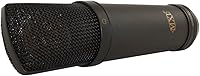
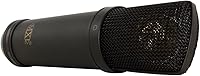
  • Body Material: Brass construction with a black finish and matching black grill for durability and a classic studio aesthetic.
  • Dimensions: Measures 50mm x 190mm (1.97″ x 7.48″), a standard large-diaphragm form factor that fits most mic clips and shock mounts.
  • Weight: Weighs approximately 1 pound, giving it a solid feel without being unwieldy on a standard mic stand.
  • Included Accessory: Ships with the MXL 56 high-isolation shock mount, which suspends the mic to reduce vibration and handling noise.
  • Manufacturer: Designed and distributed by Marshall Electronics under the MXL brand, based in the United States.
  • Model Number: Official model designation is MXL-2003A, which distinguishes it from earlier MXL 2003 variants.
  • First Available: Originally introduced in August 2008, giving it a multi-decade track record in the home and project studio market.

Related Reviews

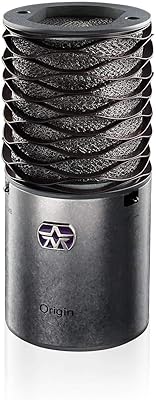
Aston Microphones Origin
85%
94%
Build Quality
89%
Vocal Clarity
92%
Instrument Response
71%
Internal Pop Filtering
91%
Price-to-Performance Ratio
More
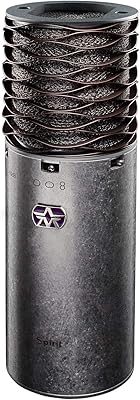
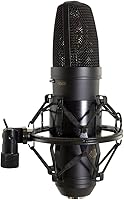
Aston Microphones Spirit Large-Diaphragm Condenser Microphone
85%
93%
Sound Quality
96%
Build Quality
89%
Polar Pattern Versatility
88%
Built-in Pop Filter
84%
Value for Money
More
Samson C01
Samson C01
84%
93%
Build Quality
86%
Vocal Clarity
82%
Ambient Noise Rejection
91%
Value for Money
74%
Internal Shock Mounting
More
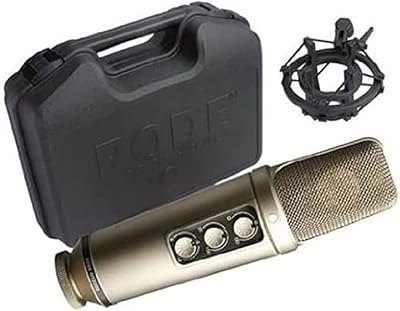
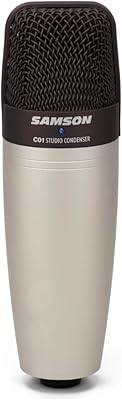
Rode NT2000 Large-Diaphragm Condenser Microphone
82%
94%
Polar Pattern Versatility
91%
Control Flexibility
89%
Sound Quality
66%
Build Quality
93%
Warranty & Long-Term Value
More
Neumann TLM 193 Large-Diaphragm Condenser Microphone
82%
94%
Sound Transparency
91%
Self-Noise Performance
88%
Build Quality
54%
Polar Pattern Versatility
61%
Room Sensitivity
More
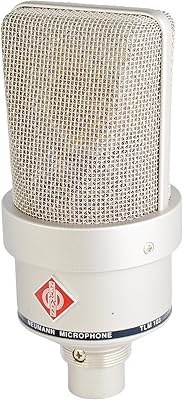
Neumann TLM 103 Large-Diaphragm Condenser Microphone
88%
96%
Sound Transparency
94%
Self-Noise Performance
93%
Build Quality
91%
SPL Handling & Headroom
83%
Sensitivity & Preamp Friendliness
More
Rode NTK
Rode NTK
77%
94%
Vocal Tone & Warmth
91%
Self-Noise & Signal Clarity
88%
Build Quality & Durability
54%
Stand & Mounting Requirements
61%
Ease of Setup
More
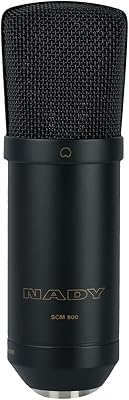
Nady SCM-800 Large Diaphragm Condenser Microphone
71%
74%
Sound Quality
81%
Build Quality
83%
Value for Money
57%
Ease of Setup
71%
Noise Performance
More
Lewitt LCT 440 Pure
Lewitt LCT 440 Pure
89%
94%
Vocal Clarity
97%
Self-Noise Performance
91%
Build Quality
88%
Acoustic Instrument Capture
93%
Value for Money
More
Warm Audio WA-47jr Large-Diaphragm Condenser Microphone
86%
93%
Sound Quality
85%
Build Quality
88%
Ease of Use
92%
Value for Money
75%
Portability
More

FAQ

No special interface is required, but you do need one that supplies 48V phantom power — which the vast majority of modern audio interfaces do. Just check your interface's specs before buying and make sure phantom power is listed. Most entry-level interfaces from brands like Focusrite, PreSonus, or Behringer will work fine.

No, it does not. This is an XLR microphone, so it requires an audio interface or mixer with an XLR input and 48V phantom power to connect to a computer. If you need a direct USB connection, you would need a different mic category entirely.

Yes, provided your recording space is reasonably quiet and not too reverberant. Large-diaphragm condensers are sensitive by nature, which means they capture a lot of detail — including room noise. Basic acoustic treatment like thick curtains, bookshelves, or a reflection filter will make a noticeable difference.

The -10dB pad reduces how much signal the mic sends to your interface, which is useful when recording sources that are inherently loud — like a close-miked guitar amp, a loud singing voice, or brass instruments. Without the pad, those sources can overload the mic's input and cause distortion in your recording.

Absolutely, and it's a popular choice for that use case. The cardioid pattern focuses on your voice and rejects sound from behind the mic, which helps in less-than-ideal rooms. Just be aware that it will pick up background noise more readily than a dynamic mic, so a quieter environment will give you much better results.

The high-pass filter rolls off low-frequency content — things like HVAC rumble, desk vibrations, or the low-end muddiness that can build up in a room. For vocals, spoken word, or acoustic guitar, it's often a good idea to switch it on. For recording bass guitar or kick drum, you'd want to leave it off to preserve that low-end weight.

The MXL 56 shock mount that comes in the box is genuinely functional and worth using. It suspends the mic in an elastic cradle that absorbs vibrations from your desk or stand, which would otherwise create low-frequency rumble in your recordings. It's not a premium boutique shock mount, but it does the job well for the price point.

The difference is meaningful in a few ways. XLR condensers like this one generally have better capsule quality, more headroom, and more flexibility than budget USB mics. You also gain the ability to swap your interface independently of the mic, which is a practical long-term advantage. The trade-off is that you need an interface as an additional component in your chain.

It will pick up more than a dynamic microphone would, yes. Large-diaphragm condensers are sensitive tools, and they capture the acoustic character of whatever room you put them in. If your space has hard walls, low ceilings, or a lot of ambient noise, you'll hear it in the recording. Even basic treatment — a blanket, a closet full of clothes, or a reflection filter — can significantly reduce that problem.

As of the available product data, it has not been discontinued by the manufacturer. It has been in continuous production since 2008, which is a reassuring sign. Replacement shock mounts and accessories for this type of mic are widely available, and XLR cables are a universal standard, so you won't have trouble sourcing what you need.

Where to Buy