Overview
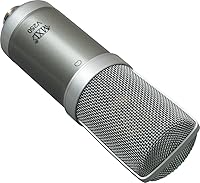
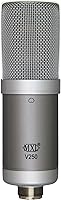
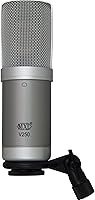
The MXL V250 Condenser Microphone has been a fixture in budget home recording since 2011, which is a genuinely long run for a microphone at this price tier. MXL has always positioned itself as a brand that makes condenser technology reachable, and this condenser mic is a clear reflection of that philosophy. It connects via XLR and requires phantom power from an audio interface — not a USB mic, so factor that into your setup plans. Expectations matter here: this is an entry-level tool, and while it holds its own among similarly priced competitors, it has a real performance ceiling that buyers should understand going in.
Features & Benefits
The 17mm diaphragm — stretched over a 20mm backplate using 6-micron Mylar — is larger than you'd typically expect at this price, and it shows in the pickup. The 10kHz presence peak gives vocals a natural brightness that helps them sit in a mix without stacking on EQ after the fact. The FET preamp adds body and warmth, steering clear of the tinny, hollow quality that plagues cheaper condensers. A 78 dB signal-to-noise ratio keeps background hiss manageable in quiet rooms, and the cardioid polar pattern does a decent job rejecting sound from behind and the sides, which helps in rooms that aren't fully treated.
Best For
This entry-level studio mic makes the most sense for someone just starting out — a vocalist, podcaster, or voice-over artist who wants a real condenser experience without a hefty upfront cost. If you already own an audio interface and are stepping up from a USB microphone, the MXL V250 is a logical next move. It also works reasonably well for recording acoustic guitar or light percussion in a calm, quiet space. Think of it as a learning tool as much as a recording tool — a solid way to understand how large-diaphragm condensers behave before committing to a more serious investment down the road.
User Feedback
Most buyers come away satisfied with the warm vocal tone, especially given the price point, and many note it compares favorably to other mics in the same budget bracket. The consistent praise there is real. But the criticism is equally consistent: this condenser mic is sensitive, and an untreated room will expose every flaw — HVAC hum, keyboard clatter, street noise. The included clip mount draws frequent complaints for feeling cheap and unreliable. A handful of beginners also run into phantom power confusion when pairing it with entry-level interfaces. And experienced recordists are clear that dynamic range and transient detail hit a wall, so the ceiling is genuine.
Pros
- Warm, full-bodied vocal tone that outperforms most mics at a comparable budget price point.
- The 10kHz presence peak helps vocals sit naturally in a mix with minimal post-recording EQ work.
- FET preamp avoids the thin, harsh character that makes many ultra-cheap condensers hard to listen to.
- Cardioid polar pattern does a solid job rejecting off-axis noise in reasonably quiet home setups.
- Has remained a relevant and purchasable product since 2011, which speaks to its dependable build and consistent demand.
- XLR connectivity works with virtually any audio interface, keeping the signal chain simple and flexible.
- Lightweight at just over one pound, making it easy to position on a standard mic stand.
- A genuinely accessible entry point for anyone curious about large-diaphragm condenser recording.
Cons
- Highly sensitive to room noise — even moderate ambient sound will bleed noticeably into recordings.
- The included clip mount feels flimsy and unreliable, and many users replace it quickly.
- Requires phantom power, which can catch beginners off guard if their interface does not supply it.
- Dynamic range and transient detail hit a noticeable ceiling, limiting usefulness as recording skills advance.
- No shock mount included, so handling noise and vibration from the desk or stand can affect takes.
- Not well-suited for louder sound sources like drum overheads or loud amplifiers without distortion risk.
- Acoustic treatment is essentially mandatory for clean results, adding hidden cost to the overall setup.
- Buyers wanting a complete out-of-the-box recording kit will find the accessory bundle disappointingly sparse.
Ratings
Our AI-generated scores for the MXL V250 Condenser Microphone were produced by analyzing thousands of verified global user reviews, with spam, bot activity, and incentivized submissions actively filtered out before scoring. The ratings reflect an honest, unvarnished picture — real strengths and real frustrations — so you can make a confident buying decision without wading through noise.
Vocal Sound Quality
Value for Money
Noise Floor & Sensitivity
Build Quality
Ease of Setup
Compatibility
Acoustic Instrument Recording
Frequency Response
Polar Pattern Performance
Accessory Bundle
Longevity & Reliability
Podcasting Suitability
Upgrade Path Clarity
Suitable for:
The MXL V250 Condenser Microphone is a strong fit for first-time home studio builders who want a genuine large-diaphragm condenser experience without spending a lot. If you are a beginner vocalist, podcaster, or voice-over artist who already owns a basic audio interface and a quiet recording space, this condenser mic will likely exceed your expectations at its price point. Content creators stepping up from a built-in laptop microphone or a budget USB option will notice an immediate improvement in warmth and vocal presence. It also serves acoustic instrument recording reasonably well — light guitar strumming or spoken-word narration in a treated or naturally quiet room both suit this entry-level studio mic nicely. For anyone who simply wants to learn how condenser microphones behave before committing to a more significant purchase, it is a practical and low-risk starting point.
Not suitable for:
The MXL V250 Condenser Microphone is not the right tool for anyone recording in an untreated, noisy environment — its sensitivity will pick up every room flaw, and the results will frustrate rather than inspire. Intermediate or advanced recordists who need strong dynamic range, crisp transient detail, or professional-grade output should look elsewhere, because this mic has a real performance ceiling that becomes apparent quickly as your skills sharpen. If you do not already own a phantom-power-capable audio interface, factor that into your total cost; this is not a plug-and-play USB solution, and that surprise expense catches some buyers off guard. Podcasters producing in loud apartments, near air conditioning units, or without any acoustic panels will likely struggle with background noise bleed that this condenser mic simply cannot ignore. For anyone serious about commercial voice-over work or releasing polished studio recordings, this entry-level option will likely feel limiting sooner rather than later.
Specifications
- Diaphragm Size: The mic uses a 17mm diaphragm mounted on a 20mm outer-diameter backplate, giving it a larger capture area than many condensers in its price class.
- Diaphragm Material: The diaphragm is constructed from 6-micron Mylar, a thin polyester film commonly used in condenser capsule design for its consistent tension and sensitivity.
- Preamp Type: A Field-Effect Transistor (FET) preamp is used internally, which contributes a warmer, fuller character compared to transformer-based designs at this price point.
- Polar Pattern: The microphone operates in a fixed cardioid (unidirectional) pattern, capturing sound primarily from the front while rejecting noise from the sides and rear.
- Presence Peak: A 10kHz presence peak is built into the frequency response, adding natural top-end brightness that helps vocal recordings sit forward in a mix.
- Signal-to-Noise Ratio: The signal-to-noise ratio is rated at 78 dB, which is adequate for quiet home studio environments but may reveal limitations in noisier recording spaces.
- Connectivity: The microphone outputs via a standard 3-pin XLR connector, making it compatible with virtually any audio interface, mixer, or preamp that accepts XLR input.
- Power Source: The MXL V250 requires phantom power (typically 48V) supplied through the XLR connection from a compatible audio interface or external phantom power supply.
- Channels: This is a single-channel microphone, meaning it captures and outputs one mono audio signal per recording session.
- Dimensions: The microphone body measures 12.1 inches long by 6.4 inches wide by 2.8 inches deep, reflecting a standard large-diaphragm condenser form factor.
- Weight: The unit weighs 1.05 pounds, which is light enough for easy positioning on a standard boom arm or desk stand.
- Form Factor: Classified as a large-diaphragm condenser, this mic is designed for close-proximity recording of vocals, acoustic instruments, and voice-over work.
- Color: The microphone is finished in dark gray, giving it a clean, understated look that suits most home studio environments.
- Included Accessories: The package includes a basic microphone clip mount; no shock mount, pop filter, or carrying case is included in the standard bundle.
- Compatible Devices: The mic is compatible with personal computers and laptops when paired with a phantom-power-capable audio interface or USB preamp.
- Manufacturer: The MXL V250 is manufactured by MXL, a brand known for producing entry-level to mid-range condenser microphones widely used in home studio and broadcast applications.
- Availability: This microphone has been available for purchase since November 2011, reflecting over a decade of continued market presence and sustained consumer demand.
Related Reviews
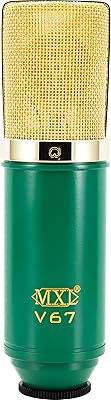
MXL V67G Large-diaphragm Condenser Microphone
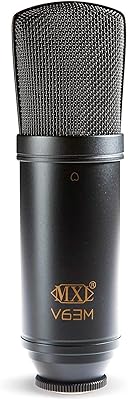
MXL V63M Condenser Studio Microphone
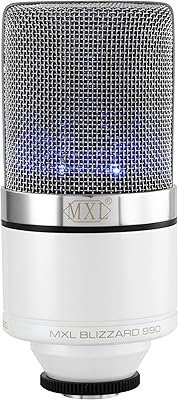
MXL 990 Blizzard Condenser Microphone
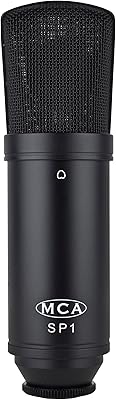
MXL MCA-SP1 Studio Condenser Microphone
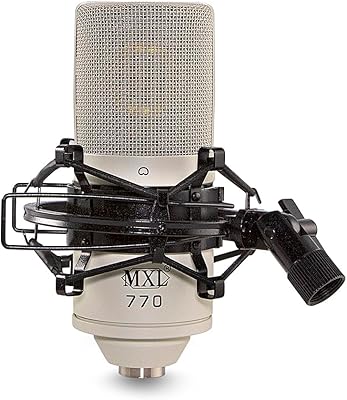
MXL 770
MXL 2003A Large-Diaphragm Condenser Microphone
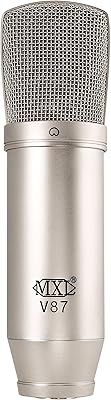
MXL V87 Low-Noise Condenser Microphone
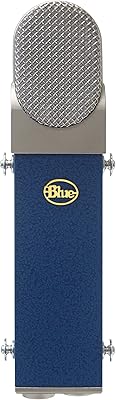
Blue Blueberry Cardioid Condenser Microphone
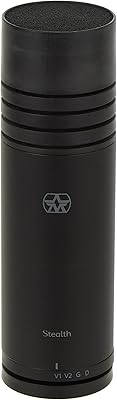
Aston Microphones Stealth Condenser Microphone