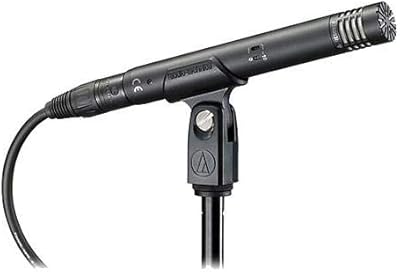
CAD Audio E70 Condenser Microphone

Overview
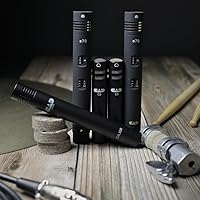
The CAD Audio E70 Condenser Microphone is a small-diaphragm condenser that has quietly earned its place in serious recording rigs since it first appeared in 2004. CAD Audio isn't a household name the way some larger brands are, but they have decades of professional audio heritage behind them, and the E70 reflects that experience. What sets this dual-capsule mic apart at its price tier is the inclusion of both cardioid and omni capsules, plus a transformerless circuit that keeps distortion low even under pressure. Twenty years on the market isn't a gimmick — it means the design has held up against real-world scrutiny from real engineers.
Features & Benefits
The half-inch gold-sputtered diaphragm is low mass by design, which pays real dividends on fast transient sources — think cymbal shimmer, picked acoustic strings, or the attack of a hammered piano note. That detail translates directly into recordings that feel alive rather than blunted. The switchable capsule system means you can run a matched stereo pair for overhead drum recording or room capture without buying two completely different mics. A three-position hi-pass filter handles the practical annoyances of live rooms: rumble, HVAC hiss, stage vibration. The three-position pad pushes max SPL handling to 145dB, which makes this small-diaphragm condenser a credible option in front of loud brass or a kick drum. Build quality is solid metal throughout — it feels like it belongs in a touring kit.
Best For
The E70 finds its natural home with acoustic instrumentalists above almost anyone else. Acoustic guitar players in particular benefit from its accuracy on string attack and body resonance, capturing what a good instrument actually sounds like rather than a padded approximation. Ensemble and orchestral recordists often buy a matched pair to use as overhead or room mics, where the omni capsule earns its keep. Engineers tracking woodwinds, strings, or piano will appreciate how cleanly this dual-capsule mic handles transients without artificial brightness. It also makes a sharp choice for voice recording when clarity and precision matter more than the warm character a large-diaphragm condenser provides. Home studio owners who record diverse sources session to session will find the capsule swap feature genuinely useful.
User Feedback
Owners consistently single out the E70's clarity on acoustic instruments as its strongest trait, and many note it punches above what you'd expect given its price. Long-term users — some of whom have owned the mic for a decade or more — regularly mention how well it has held up physically. On the critical side, a handful of buyers find the capsule swap process more fiddly than they'd like, particularly when switching quickly between sessions. The phantom power requirement is worth flagging for anyone running a stripped-down setup without a decent preamp. A recurring theme in comparisons is that this small-diaphragm condenser holds its own against pricier alternatives, especially for overhead drum work where matched pairs matter. Not a flawless mic, but a consistently dependable one.
Pros
- Interchangeable cardioid and omni capsules offer genuine recording flexibility from a single mic purchase.
- The low-mass gold-sputtered diaphragm captures fast transients on strings, cymbals, and piano with real accuracy.
- A 145dB SPL ceiling with the pad engaged means the E70 handles loud sources most small-diaphragm condensers cannot.
- The three-position hi-pass filter is genuinely useful for cutting room rumble and HVAC noise in real sessions.
- Metal construction feels solid and tour-ready — this is not a mic that feels fragile on a busy gig.
- An 87dB signal-to-noise ratio keeps quiet acoustic instruments clean without pulling up unwanted noise floor.
- Buyers who purchase two units get a credible matched stereo pair for overhead drum recording or ensemble work.
- The transformerless design keeps low-frequency distortion in check even at high sound pressure levels.
- Two decades on the market with continued availability signals a design that has genuinely stood up to scrutiny.
Cons
- Phantom power is required — a weak or budget preamp will noticeably limit what this small-diaphragm condenser delivers.
- Swapping capsules can be fiddly mid-session, which frustrates users who need to switch patterns quickly.
- The clinical accuracy that suits instruments can feel unforgiving for home vocal recordings in untreated rooms.
- No USB connectivity means it is a non-starter for anyone without an audio interface already in their setup.
- CAD Audio has limited brand recognition, making it harder to find local support or hands-on demos before buying.
- Spare capsules or replacement parts are not always easy to source, which is a risk for long-term ownership.
- The mic body dimensions make it bulkier than some competing small-diaphragm pencil condensers, affecting tight placement situations.
Ratings
The CAD Audio E70 Condenser Microphone scores below are generated by AI after analyzing thousands of verified global user reviews, with spam, bot activity, and incentivized feedback actively filtered out before scoring. Ratings reflect the full picture — what real engineers, home studio owners, and acoustic musicians consistently praise, and where this dual-capsule mic falls short in practice. Both strengths and genuine pain points are represented transparently in every category.
Transient Accuracy
Sound Transparency
Build Quality
Capsule Versatility
Value for Money
Hi-Pass Filter Utility
SPL Handling
Noise Floor Performance
Preamp Compatibility
Stereo Pair Performance
Ease of Setup
Vocal Recording Suitability
Portability & Form Factor
Long-Term Durability
Brand Support & Ecosystem
Suitable for:
The CAD Audio E70 Condenser Microphone is a strong match for anyone who spends serious time recording acoustic instruments and wants accurate, uncolored sound without spending a fortune on boutique gear. Acoustic guitar players benefit most directly — the low-mass diaphragm captures pick attack and string resonance with a precision that larger-diaphragm condensers often smooth over. Ensemble and orchestral recordists who need a reliable matched pair for overhead or room duties will appreciate the interchangeable omni capsule, which opens up genuine stereo recording options from a single mic model. Engineers tracking piano, woodwinds, or strings will find this small-diaphragm condenser handles transient-heavy material cleanly, without the artificial brightness some cheaper options introduce. Home studio owners who record a wide variety of sources across different sessions — drums, acoustic instruments, even location work — get real mileage out of the hi-pass filter, pad, and capsule flexibility. If you want a proven, rugged mic that earns its keep across a range of professional tasks, the E70 is worth serious consideration.
Not suitable for:
The CAD Audio E70 Condenser Microphone is not the right call if you are recording primarily vocals and expecting the warm, flattering character that a large-diaphragm condenser provides. Its accuracy is a strength for instruments, but that same transparency can feel unforgiving on voices, particularly in home studios where room treatment is minimal. The mic requires 48V phantom power, so buyers running basic interfaces or budget preamps may struggle to get the best out of it — a weak preamp chain will limit what this dual-capsule mic can actually deliver. Anyone hoping for plug-and-play simplicity may also find the capsule-swapping process fiddly, especially under session pressure. The E70 is also not suited to producers working entirely in the box with USB microphones or who have no need for XLR connectivity. If your workflow does not involve acoustic instruments, live recording, or stereo miking, there are more targeted options that will serve you better.
Specifications
- Polar Patterns: Comes with two interchangeable capsules covering cardioid and omnidirectional polar patterns, giving users genuine flexibility across different recording scenarios.
- Diaphragm: Features a 1/2-inch gold-sputtered, low-mass diaphragm designed to track fast transients accurately on instruments like strings, cymbals, and woodwinds.
- Frequency Response: Covers the full audible spectrum from 20Hz to 20kHz, making it appropriate for both low-end body capture and high-frequency air on acoustic sources.
- Sensitivity: Rated at -39dBV (11mV) at 1 Pa, which is well-suited to close-miking acoustic instruments without requiring excessive preamp gain.
- Signal-to-Noise Ratio: Delivers an 87dB signal-to-noise ratio, keeping the noise floor low enough for quiet acoustic instruments in typical studio or home recording environments.
- Max SPL: Handles up to 145dB SPL at 1% THD with the attenuator pad engaged, making it viable in front of high-pressure sources like brass or kick drum.
- Impedance: Output impedance is rated at 85 ohms, which interfaces cleanly with the vast majority of professional and prosumer preamp inputs.
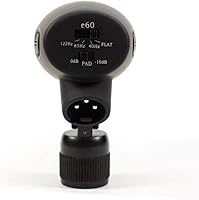
- Hi-Pass Filter: Includes a 3-position hi-pass filter switch that allows users to roll off low-frequency rumble, HVAC noise, or stage vibration at the source.
- Attenuation Pad: A 3-position pad is built into the body, allowing users to step down the output level before the signal hits the preamp when recording loud sources.
- Circuit Design: Uses a transformerless internal circuit, which reduces low-frequency distortion at high sound pressure levels compared to transformer-coupled designs.
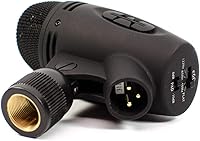
- Connector: Terminates in a standard XLR connector, compatible with professional audio interfaces, mixers, and preamps worldwide.
- Power Source: Requires 48V phantom power supplied by an audio interface or external preamp; it does not function without a phantom power source.
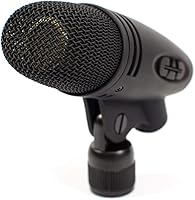
- Housing Material: The body is constructed from a rugged metal alloy that resists physical damage during transport and extended use in live or touring environments.
- Weight: Weighs 13.7 ounces, making it substantial enough to feel professional without being cumbersome on a standard microphone stand.
- Dimensions: Measures 6.25″ x 4.25″ x 7.25″ including the capsule, which is compact enough for tight overhead or instrument placement situations.
- Availability: Has been in continuous production and available for purchase since April 2004, reflecting over two decades of market presence without discontinuation.
Related Reviews
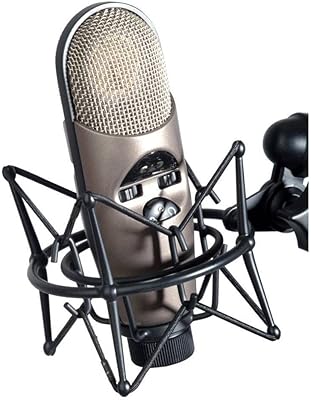
CAD Audio M179 Large-Diaphragm Condenser Microphone
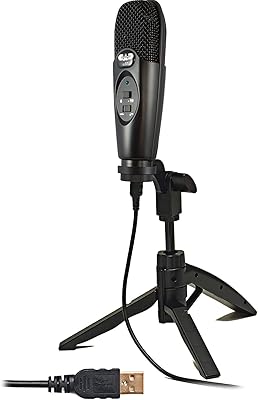
CAD Audio U37 USB Condenser Microphone
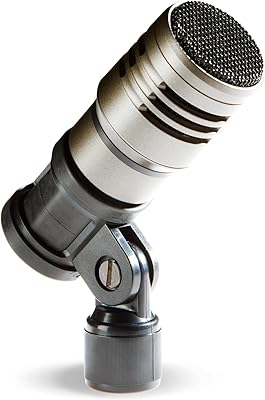
CAD Audio TSM411 Super-Cardioid Dynamic Microphone

Audio-Technica AT875R
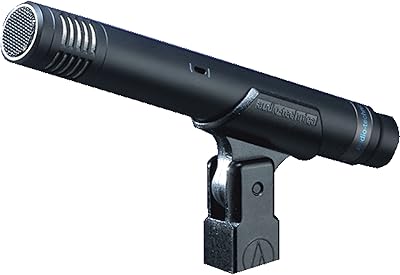
Audio-Technica AT4041 Cardioid Condenser Microphone
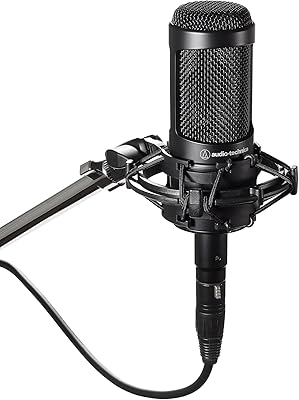
Audio-Technica AT2035
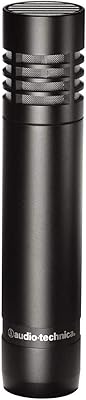
Audio-Technica AT2021 Cardioid Condenser Microphone
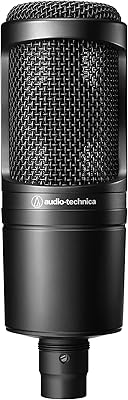
Audio-Technica AT2020
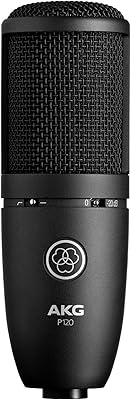
AKG P120 Condenser Microphone