Avantone Pro CK-1 Small-Diaphragm Condenser Microphone

Overview
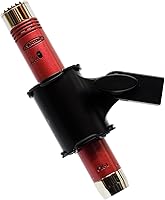
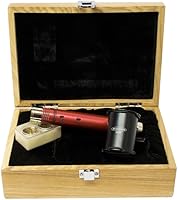
The Avantone Pro CK-1 Small-Diaphragm Condenser Microphone has been a quiet fixture in recording circles since its introduction in 2007 — a pencil condenser that draws clear inspiration from classic studio designs of decades past. What sets it apart from most competitors in its class is the multipattern capsule system: three capsules ship in the box, giving you cardioid, hypercardioid, and omnidirectional options right out of the gate. It arrives in a wooden presentation box alongside a shockmount, which signals more than just good packaging — it suggests Avantone built this for people who take their recordings seriously. This is a semi-pro to professional tool, not a bedroom beginner mic.
Features & Benefits
At the heart of the CK-1 is a FET circuit design that keeps the noise floor low and captures transients with real accuracy — useful when you need recordings to sound honest rather than hyped. The brass body gives it reassuring solidity, and it handles high sound pressure levels confidently, meaning you can point it at a snare or a blasting acoustic amp without worrying about distortion. Swapping capsules changes the character entirely: the omni rounds out room ambiance, while the hypercardioid tightens pickup in noisier environments. The included shockmount and wooden case round out a kit that feels complete without requiring additional purchases right away.
Best For
This pencil condenser earns its keep most clearly on acoustic instruments — steel-string guitars, upright piano, violin, and similar sources where fast, detailed transients define the recording. As an overhead on a drum kit, it holds its own well, tracking the shimmer of cymbals and the crack of snares with consistency. Home studio engineers looking to build versatility without cluttering a gear locker will appreciate the three-capsule setup: one mic, three distinct polar patterns. It also works cleanly in broadcast or podcast applications where a natural, transparent sound is the goal. Live engineers running orchestral or acoustic acts will find the CK-1 a dependable, low-drama workhorse.
User Feedback
Buyers who have spent time with this multi-capsule mic tend to praise its sound transparency — the general consensus is that it captures sources accurately without adding coloration, which is the mark of a well-tuned condenser. The brass build earns consistent positive comments; people note it feels genuinely solid compared to lighter plastic-bodied competitors. Where feedback gets more mixed is around capsule-switching fit: some users find the tolerances slightly loose, which can introduce noise if capsules are not seated correctly. A handful of reviews mention that in very quiet environments, the self-noise becomes noticeable. Comparisons to classic AKG or Neumann pencil condensers come up often, and while the CK-1 rarely wins outright, most agree the gap is surprisingly narrow.
Pros
- Three interchangeable capsules — cardioid, hypercardioid, and omni — ship in the box, covering a wide range of recording scenarios.
- The FET circuit delivers low self-noise and honest transient response that works especially well on acoustic instruments.
- Brass body construction feels genuinely solid and durable compared to lighter plastic-bodied alternatives in the same category.
- Handles high sound pressure levels confidently, making it usable on loud sources like snare drums or close-miked amplifiers.
- The included shockmount and wooden storage case add practical value without requiring additional purchases upfront.
- Has maintained a consistent presence in the market since 2007, suggesting reliable manufacturing and ongoing parts availability.
- Works cleanly with standard audio interfaces, mixing consoles, and professional recording equipment via XLR.
- Cardioid capsule performs well as an overhead drum mic, capturing cymbal detail and transient snap accurately.
- Omnidirectional capsule option makes it useful for room miking, ensemble recording, and broadcast applications.
Cons
- Capsule fit tolerances can be inconsistent — a poorly seated capsule may introduce noise or signal issues.
- Self-noise becomes noticeable in very quiet recording environments where near-silence is required.
- Not a viable option without a dedicated audio interface or mixer that supplies 48V phantom power.
- Small-diaphragm design is not ideal for vocal recording, where most singers prefer a large-diaphragm condenser.
- Capsule-swapping adds workflow complexity that not all engineers want to deal with mid-session.
- Transparent sound character means poor room acoustics are captured faithfully, with no flattering coloration to mask them.
- The kit weight and packaged dimensions make it less convenient to transport casually compared to simpler single-capsule mics.
- Users comparing it directly to high-end Neumann or AKG pencil condensers will notice a gap in refinement and detail retrieval.
Ratings
The scores below reflect AI-driven analysis of verified global user reviews for the Avantone Pro CK-1 Small-Diaphragm Condenser Microphone, with spam, bot-generated, and incentivized feedback actively filtered out. Each category score is weighted against real ownership experiences — from home studio engineers and session musicians to live sound operators — and both the strengths and the genuine frustrations buyers reported are transparently represented.
Sound Transparency
Transient Response
Capsule Versatility
Build Quality
SPL Handling
Self-Noise / Noise Floor
Value for Money
Acoustic Guitar Performance
Drum Overhead Performance
Ease of Setup
Included Accessories
Broadcast and Podcast Use
Durability Over Time
Compatibility with Budget Interfaces
Suitable for:
The Avantone Pro CK-1 Small-Diaphragm Condenser Microphone is a strong fit for home studio owners and semi-professional engineers who want one versatile pencil condenser instead of several single-pattern mics. If you regularly record acoustic guitars, piano, violin, or other instruments where transient accuracy makes a real difference, the CK-1 delivers the kind of honest, detailed capture that flatters those sources. Drummers and engineers who run overhead mic setups will appreciate its ability to handle high SPL without flinching, while the hypercardioid capsule swap makes it practical in noisier live environments too. Podcasters and broadcast producers who need a clean, transparent sound through an XLR chain will find it a capable and unfussy option. The three-capsule kit also makes it a smart long-term investment for anyone building a recording toolkit gradually.
Not suitable for:
Buyers who are brand new to recording and do not yet own a proper audio interface or phantom power source should look elsewhere first — the Avantone Pro CK-1 Small-Diaphragm Condenser Microphone requires 48V phantom power and an XLR signal chain, which means it is not a plug-and-play USB solution. If you primarily record vocals rather than instruments, a large-diaphragm condenser will serve you better since small-diaphragm designs are optimized for accuracy on acoustic sources rather than the warmth and presence boost most singers prefer. Anyone recording in an untreated, noisy room may also find the mic's transparency works against them — it captures what is there, warts and all, so room acoustics matter. Buyers who find capsule-swapping workflows fiddly or who want a dead-simple single-pattern mic may not get full value from the multi-capsule system here.
Specifications
- Microphone Type: Small-diaphragm FET (Field Effect Transistor) pencil condenser designed for accurate, low-coloration audio capture.
- Polar Patterns: Ships with three swappable capsules covering cardioid, hypercardioid, and omnidirectional polar patterns.
- Frequency Response: Captures audio across a full 20 Hz to 20 kHz range, covering the entire audible spectrum.
- Signal-to-Noise Ratio: Rated at 138 dB, allowing it to handle loud sound sources without introducing significant distortion.
- Connector Type: Standard 3-pin XLR output, compatible with professional audio interfaces, mixers, and recording consoles.
- Power Requirement: Requires 48V phantom power supplied via an XLR-equipped audio interface or mixing console; no battery option is available.
- Body Material: Constructed from brass, providing a dense, durable housing that resists everyday handling wear.
- Kit Weight: Complete kit weighs 2.7 pounds, inclusive of capsules, shockmount, and wooden storage box.
- Packaged Dimensions: The full kit measures 9 x 6.7 x 3.75 inches as packaged in its wooden presentation box.
- Included Accessories: Comes with a shockmount for vibration isolation and a wooden storage box for safe transport and storage.
- Model Number: Official model designation is CK-1, manufactured and sold under the Avantone Pro brand.
- Manufacturer: Designed and produced by Avantone Pro, a brand focused on professional and semi-professional studio and live audio equipment.
- Market Availability: Has been available for purchase since June 2007, establishing a long product history and user base.
- Compatible Devices: Works with audio interfaces, mixing consoles, and professional recording equipment that supply 48V phantom power via XLR.
- Capsule System: Uses a physically interchangeable capsule design, allowing users to swap polar patterns without purchasing additional microphones.
Related Reviews
Avantone Pro CV-12 Tube Condenser Microphone

Rode NT5-S
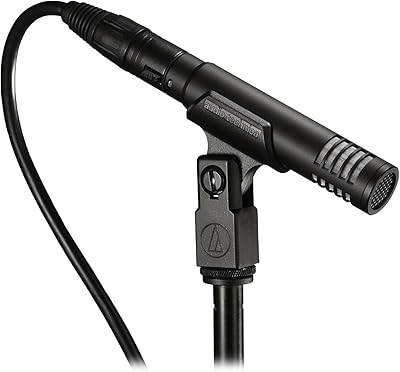
Audio-Technica PRO37 Small-Diaphragm Condenser Microphone
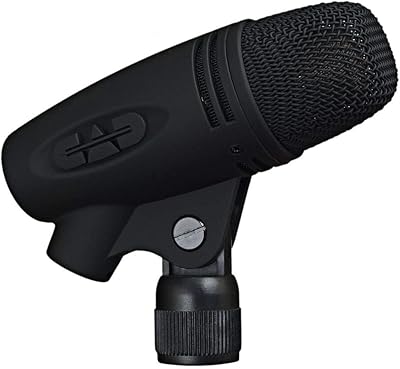
CAD Audio E70 Condenser Microphone

AKG C451 B Small-Diaphragm Condenser Microphone
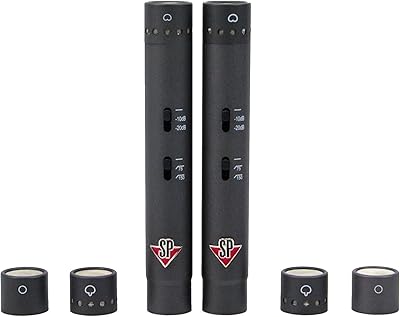
Studio Projects C4 Small-diaphragm Condenser Microphone Pair
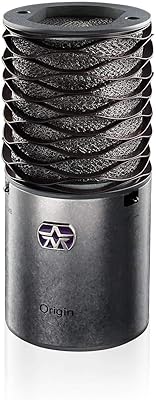
Aston Microphones Origin
Aston Microphones Spirit Large-Diaphragm Condenser Microphone
Cinema Secrets Ultimate Corrector 5-In-1 Palette