Overview

The AKG C451 B Small-Diaphragm Condenser Microphone carries a lineage stretching back to AKG's revered 1969 C451 EB, and that heritage is more than marketing copy. This small-diaphragm condenser has spent decades earning its place in professional studios and on tour rigs worldwide, particularly as a go-to overhead and acoustic instrument mic. Pick it up and the all-metal nickel body immediately tells you it was built for working environments, not bedroom shelves. That said, be clear-eyed about its purpose: this AKG pencil mic was designed with instruments in mind, not lead vocals, and it rewards engineers who understand that distinction.

Features & Benefits

Where this small-diaphragm condenser earns its keep is in the specs that actually matter during a session. The 155 dB maximum SPL is high, though competing mics in this tier offer comparable headroom — so treat it as a baseline, not a differentiator. What stands out more is the transformerless preamp design, which keeps the signal path clean and transparent across a wide range of sources. A 76 dB signal-to-noise ratio means quiet fingerpicking registers with real clarity rather than disappearing into the noise floor. The integrated high-pass filter is practical on stage where low-end rumble from monitors or foot traffic muddies a mix, and the tight cardioid pattern keeps bleed under control.

Best For

The C451 B shines brightest in a handful of specific scenarios. Acoustic guitar is the most natural home for it — the mic captures string detail and air without over-brightening the way some large-diaphragm options do. As a drum overhead, it handles cymbal transients and hi-hat shimmer with real precision and survives the SPL spikes that come with heavy hitters. Live sound engineers have trusted this AKG pencil mic on touring rigs for years because it performs consistently night after night. Piano and orchestral work are natural fits, and home studio users stepping up from entry-level condensers will notice an immediate improvement in transparency and transient accuracy.

User Feedback

Across user reviews, a clear pattern emerges: buyers praise the bright, detailed high-frequency response on cymbals and steel-string acoustics, and the build quality draws consistent approval from engineers who have run this small-diaphragm condenser through years of touring without issue. Many purchasers buy a matched stereo pair specifically for overhead or mid-side setups rather than a single unit. Where things get more nuanced is around value — some users feel newer competitors offer comparable performance without the premium, which is a fair point worth weighing. It is also worth noting that the C451 B rewards a quality preamp; pair it with a budget interface and you likely will not hear what this mic is actually capable of.

Pros

  • Captures acoustic guitar with exceptional string detail and natural high-end air.
  • Handles drum overheads and cymbal work with precision, even under heavy playing.
  • The all-metal body holds up through years of touring and regular live use.
  • A 76 dB signal-to-noise ratio retrieves fine detail on quiet, delicate sources.
  • The built-in high-pass filter is a practical tool for cutting stage rumble on the fly.
  • Tight cardioid rejection keeps bleed from neighboring instruments well under control.
  • Transformerless preamp design keeps the signal clean and transparent without coloration.
  • Lightweight enough to mount easily on standard mic clips without stressing a stand.
  • A proven touring standard trusted by live engineers across decades of professional use.
  • Works equally well in studio and live contexts, making it a genuinely dual-purpose tool.

Cons

  • Not suited for lead vocals — the bright character can be unflattering on many voice types.
  • Realizing its full potential requires a quality preamp; budget interfaces will hold it back.
  • Only a single mic is included, so stereo overhead setups require purchasing a second unit.
  • Newer competitors at a lower price point offer comparable specs, making value harder to justify.
  • No carrying case or mounting accessories are included for a mic at this price tier.
  • The high-frequency emphasis can sound harsh on already bright or thin-sounding sources.
  • Requires 48V phantom power, which limits use with older or basic mixing consoles.
  • Fixed cardioid pattern offers no flexibility for engineers who occasionally need other polar options.

Ratings

Our scores for the AKG C451 B Small-Diaphragm Condenser Microphone were generated by AI after analyzing verified buyer reviews from multiple global platforms, with spam, bot submissions, and incentivized feedback actively filtered out. The ratings reflect a genuine cross-section of professional and home studio users, covering everything from live touring rigs to bedroom recording setups. Both the strengths that make this mic a long-standing industry reference and the real-world frustrations buyers have encountered are transparently represented in each score.

Sound Quality
91%
Users consistently describe the C451 B as delivering a clean, open, and highly accurate representation of whatever it is pointed at. Acoustic guitar players in particular praise how natural the midrange feels, without the boxy coloration that plagues some competing small-diaphragm options. Engineers recording piano and orchestral instruments note that the mic never imposes its own character on the source.
A small number of users find the overall presentation slightly bright for their personal taste, especially when recording instruments that already have a forward high-end character. On certain sources, the transparency can expose room acoustic problems that a more colored microphone might mask, which frustrates some home studio recordists who lack proper acoustic treatment.
High-Frequency Detail
89%
The presence region on this AKG pencil mic is what draws most buyers to it in the first place. Cymbal shimmer, pick attack on steel-string guitars, and the upper harmonics of a grand piano come through with exceptional clarity and air. Drum engineers especially appreciate how the hi-hat sits in a mix without needing aggressive EQ boosting after recording.
That same high-frequency lift becomes a liability on sources that are already bright or harsh. Brass instruments and some nylon-string guitars can sound edgy rather than clear when recorded up close, and a few users report needing to roll off a couple of decibels above 10 kHz in post to tame the top end on certain sessions.
Transient Response
88%
The transformerless preamp design allows the C451 B to capture fast transients with very little overshoot or smearing, which is why it works so well on percussion and plucked string instruments. Finger-picking runs register with individual note clarity, and cymbal strikes have a sharp, immediate attack that feels true to the real instrument. Engineers mixing live overhead recordings consistently note how little corrective work the tracks need.
On extremely dense, fast passages — such as very fast strumming or brushed snare work — some users feel the high transient sensitivity can make the mix feel cluttered if the recording space is less than ideal. The mic picks up everything so accurately that microphone placement becomes critical; minor positioning errors that a softer-sounding condenser might forgive become more audible here.
Build Quality
93%
The all-metal nickel body is one of the most frequently praised aspects across user reviews, particularly from working engineers who tour regularly. Multiple buyers describe owning the same unit for five or more years with no degradation in performance or physical wear beyond normal cosmetic aging. The weight and rigidity of the chassis inspire confidence in a way that plastic-bodied competitors simply do not.
A small number of users note that the nickel finish can show handling marks and light scratches after extended use, which is a minor cosmetic issue rather than a functional one. A few touring engineers also mention that the mic clip thread can become slightly stiff after heavy use in cold environments, requiring a replacement clip sooner than expected.
Value for Money
64%
36%
For engineers who put this small-diaphragm condenser to work daily — on tour, in professional studios, or in a busy home production setup — the combination of durability and consistent professional-grade performance does justify the investment over time. Buyers who have previously burned through cheaper mics that degraded or failed within two years tend to view the C451 B as a cost-effective long-term purchase.
The value equation is genuinely harder to defend for casual or occasional users, especially given how many newer competitors now offer comparable electrical specifications at meaningfully lower prices. Several reviewers openly state that purchasing a matched stereo pair represents a significant financial commitment, and that the gap in performance versus more affordable rivals has narrowed enough to make the premium harder to rationalize on specs alone.
Noise Floor Performance
84%
The 76 dB signal-to-noise ratio translates to a notably clean recording floor in practice, which users recording quiet acoustic sources appreciate most. Fingerstyle guitarists and classical musicians note that soft passages come through without audible hiss, even when recorded in a quiet room with moderate preamp gain. The transformerless circuit clearly contributes to keeping self-noise from becoming a distraction.
While the noise floor is good, it is not class-leading compared to a handful of competitors that push into the 80 dB SNR range. Users pairing this AKG pencil mic with lower-quality preamps sometimes introduce more noise at the preamp stage than the microphone itself generates, which can make the mic unfairly blamed for a problem that sits earlier in the signal chain.
SPL Handling
86%
The 155 dB maximum SPL ceiling gives engineers the freedom to place the mic close to loud acoustic sources — directly in front of a trumpet bell, inches from a snare, or inside a grand piano — without worrying about overloading the capsule. This kind of headroom is genuinely useful in live environments where unexpected volume spikes are part of the job.
It is worth noting that this SPL ceiling is not unique to the C451 B; several competing small-diaphragm condensers in this price bracket offer similar or identical figures. Users who prioritized high SPL handling as a key purchasing factor sometimes express mild disappointment when they realize the specification is not a meaningful differentiator at this tier of the market.
Live Performance Reliability
92%
This is one area where user feedback is almost uniformly positive. Engineers who run the same mic through hundreds of shows describe its performance as completely predictable, with no mysterious tonal shifts, phantom power sensitivity issues, or connector problems developing over time. That consistency is worth a great deal in a live context where there is no time to troubleshoot equipment mid-show.
A very small number of users report encountering phantom power sensitivity quirks when switching between consoles with slightly different phantom power implementations, though this appears to be rare rather than systemic. Some live engineers also note that the fixed cardioid pattern offers no flexibility when stage configurations change unexpectedly, which occasionally leads to bleed problems that a switchable polar pattern could have avoided.
Preamp Compatibility
71%
29%
When paired with a clean, low-noise preamp — whether built into a quality audio interface or a dedicated external unit — this small-diaphragm condenser reveals its full character in a way that consistently impresses both professional engineers and serious home studio users. The balanced XLR connection and standard 48V phantom power requirement mean it slots into any professional signal chain without fuss.
The C451 B's transparency works against it when the preamp is mediocre. Users running it through budget audio interface preamps often report that the improvement over their existing cheaper mic is smaller than expected, leading to frustration and occasional negative reviews that arguably reflect the interface rather than the microphone. The mic essentially amplifies the shortcomings of whatever is behind it in the chain.
Ease of Setup
82%
18%
The standard XLR connection and 48V phantom power requirement make the C451 B immediately familiar to anyone who has worked with professional condenser microphones before. There is no software, driver, or pairing process involved — connect it, enable phantom power, and it is ready to record within seconds. The lightweight body also makes boom arm positioning and re-angling quick and easy during a session.
The lack of included accessories is a recurring minor complaint. No protective case, dedicated mounting clip, or even basic documentation ships with the microphone, which feels underwhelming at this price point. Buyers new to pencil condensers occasionally mention being uncertain about optimal placement angles, since no guidance is provided in the box.
Off-Axis Rejection
83%
The tight cardioid polar pattern does a solid job of suppressing sound arriving from the sides and rear, which users in live environments appreciate when trying to isolate an acoustic guitar from a nearby monitor or keep drum overheads from picking up excessive low-end from the kick. In studio overhead applications, the pattern helps keep the stereo image focused and manageable.
Off-axis coloration — the tonal change in sound that arrives from outside the primary pickup area — is noticeable to some users, particularly on sources positioned around 90 to 120 degrees off-axis. While this is a common characteristic of small-diaphragm cardioid mics in general, a handful of reviewers feel that certain competitors handle off-axis tonal consistency slightly more gracefully.
High-Pass Filter Utility
78%
22%
The built-in 12 dB-per-octave high-pass filter is a practical, well-implemented feature that engineers using the mic in live settings find genuinely useful. Cutting low-end rumble from stage monitors, HVAC vibration, or floor resonance before the signal even reaches the console simplifies gain staging and reduces the amount of corrective EQ needed downstream.
The filter offers a single fixed setting rather than multiple slope or frequency options, which limits its usefulness in scenarios where a gentler cut or a different turnover frequency would be more appropriate. Some studio users feel the filter is primarily a live-sound tool and rarely reach for it during recording sessions, viewing it as a feature that adds limited value in their specific workflow.
Stereo Pairing Consistency
81%
19%
Buyers who purchase two units for overhead drum recording or acoustic guitar stereo techniques consistently report that the matched pair produces a well-centered, balanced stereo image with minimal tonal discrepancy between the left and right channels. This matching consistency is one of the reasons many professional engineers specify the C451 B when ordering a stereo overhead setup for touring or studio work.
AKG does not currently offer a factory-matched stereo pair option with a calibration sheet, which some buyers at this price level expect. Users who purchase two units at different times occasionally notice subtle character differences between older and newer production runs, and a small number of reviewers feel that stricter capsule matching documentation would justify the overall cost more convincingly.
Acoustic Guitar Performance
91%
Recording acoustic guitar is arguably the single most praised use case across all user feedback for the C451 B. Players and engineers alike describe how naturally it captures the full tonal range of a steel-string instrument — from the warmth of the body resonance to the crisp attack of the pick — without any sense that the mic is adding or subtracting color.
The brightness that makes this AKG pencil mic so appealing on steel-string acoustics can occasionally feel like too much on nylon-string classical guitars, where the top end is naturally softer and the mic's presence lift pushes the sound into a register that does not suit the instrument. Players recording classical or flamenco guitar sometimes prefer a slightly warmer, less forward microphone character for that specific application.

Suitable for:

The AKG C451 B Small-Diaphragm Condenser Microphone is purpose-built for musicians, engineers, and producers who need accurate, detailed capture of acoustic instruments rather than a do-everything workhorse. Acoustic guitarists and fingerstyle players will immediately notice how naturally it reproduces string articulation and high-end shimmer without adding coloration. Drummers and the engineers behind their kits rely on the C451 B as an overhead mic precisely because it handles cymbal transients cleanly and holds up under high-energy playing without flinching. Live sound professionals touring with bands will appreciate its consistent, predictable behavior from one venue to the next — this is a mic that behaves the same way every night. It also suits home studio owners who are ready to step beyond entry-level condensers and want a professional reference point for recording piano, strings, or acoustic ensembles.

Not suitable for:

Buyers expecting a versatile all-around vocal microphone should look elsewhere, as the AKG C451 B Small-Diaphragm Condenser Microphone was never designed for that role and the bright, forward high-frequency character can be unflattering on many voices. Podcasters, streamers, or anyone recording primarily speech will find better value in a microphone built with vocal applications in mind. This mic also demands a quality preamp to perform at its best — if your signal chain relies on a budget audio interface, you may invest in a premium pencil mic and still not hear the difference it can make. Users on a tight budget should factor in the total cost of a capable preamp alongside the mic itself, since the pairing matters more than the mic alone. Those who need a stereo setup from the start will also need to budget for a second unit, as only a single microphone is included in the box.

Specifications

  • Microphone Type: Small-diaphragm condenser microphone designed for accurate, transparent capture of acoustic instruments and overhead sources.
  • Polar Pattern: Fixed cardioid (unidirectional) pattern with tight off-axis rejection to isolate the intended source and minimize bleed.
  • Frequency Response: Covers a full 20 Hz to 20 kHz range, with a presence lift in the upper frequencies that adds air and detail to acoustic sources.
  • Max SPL: Handles sound pressure levels up to 155 dB, allowing close-miking of loud acoustic instruments without clipping or distortion.
  • Signal-to-Noise Ratio: Rated at 76 dB, providing a low enough noise floor to faithfully capture quiet, nuanced sources like fingerpicked acoustic guitar.
  • Preamp Design: Transformerless circuit using surface-mount technology, contributing to a clean, transparent signal path with very low harmonic distortion.
  • High-Pass Filter: Integrated switchable high-pass filter with a 12 dB-per-octave slope to reduce low-end rumble, stage vibration, and wind noise.
  • Connector: Balanced XLR output connector, compatible with all standard professional audio interfaces, mixers, and preamps.
  • Power Requirement: Requires 48V phantom power supplied via XLR from a compatible interface, mixer, or standalone phantom power unit.
  • Body Material: All-metal construction with a nickel finish, built to withstand the physical demands of regular live touring and studio use.
  • Weight: Weighs approximately 1.19 pounds, light enough for standard mic clip mounting without stressing a boom arm or stand.
  • Dimensions: Measures 11.7 × 5.9 × 3.5 inches overall, in the standard pencil condenser form factor common to small-diaphragm studio mics.
  • Channels: Single-channel (mono) microphone; a second unit must be purchased separately to configure a stereo pair.
  • Connectivity: Wired connection only via balanced XLR; no wireless, USB, or digital output options are available on this model.
  • Brand & Model: Manufactured by AKG (model C451 B), a professional audio brand with a long-standing presence in both studio and live sound markets.
  • Heritage: The C451 B is a modern descendant of the original AKG C451 EB introduced in 1969, a microphone that became a touring and studio standard.
  • Included Items: Ships with the microphone body only; no carrying case, stereo bar, or additional mounting hardware is included in the standard box.

Related Reviews
Rode NT5-S
Rode NT5-S
89%
93%
Acoustic Instrument Clarity
96%
Build Durability
89%
Signal-to-Noise Ratio
91%
Value for Money
94%
Form Factor & Positioning
More
Audio-Technica PRO37 Small-Diaphragm Condenser Microphone

77%
91%
Sound Clarity
89%
Transient Response
83%
Build Quality
78%
Value for Money
86%
High-SPL Handling
More
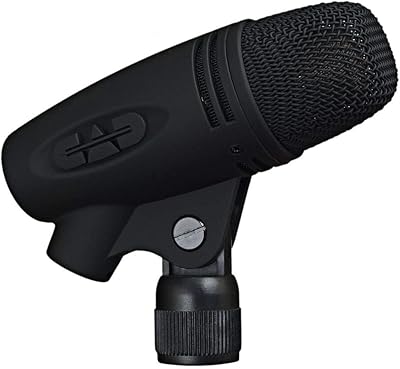
CAD Audio E70 Condenser Microphone
79%
91%
Transient Accuracy
88%
Sound Transparency
86%
Build Quality
79%
Capsule Versatility
83%
Value for Money
More
Avantone Pro CK-1 Small-Diaphragm Condenser Microphone
81%
88%
Sound Transparency
86%
Transient Response
81%
Capsule Versatility
84%
Build Quality
89%
SPL Handling
More
Studio Projects C4 Small-diaphragm Condenser Microphone Pair
76%
83%
Sound Quality
81%
Stereo Matching
74%
Capsule System
78%
Build Quality
79%
Value for Money
More
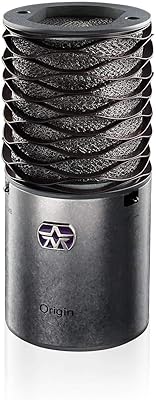
Aston Microphones Origin
85%
94%
Build Quality
89%
Vocal Clarity
92%
Instrument Response
71%
Internal Pop Filtering
91%
Price-to-Performance Ratio
More
Aston Microphones Spirit Large-Diaphragm Condenser Microphone

85%
93%
Sound Quality
96%
Build Quality
89%
Polar Pattern Versatility
88%
Built-in Pop Filter
84%
Value for Money
More
AKG C1000S Small-Diaphragm Condenser Microphone
78%
88%
Build Quality
74%
Sound Quality
83%
Versatility
81%
Battery Power
71%
Value for Money
More
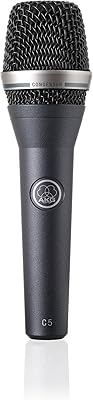
AKG C5 Condenser Vocal Microphone
79%
88%
Sound Clarity
86%
Feedback Rejection
83%
Build Quality
81%
Handling Noise
78%
Plosive Control
More
Behringer B-1
Behringer B-1
82%
88%
Vocal Clarity
91%
Build Quality & Durability
94%
Value for Money
86%
Acoustic Instrument Tracking
79%
Background Noise Rejection
More

FAQ

Yes, the C451 B requires 48V phantom power to operate. Most modern audio interfaces, mixing consoles, and standalone preamps supply this automatically over the XLR connection. If you are unsure whether your interface supports it, check the specifications for a phantom power or P48 switch.

Honestly, it is not the best choice for that role. The AKG C451 B Small-Diaphragm Condenser Microphone was engineered for acoustic instruments, not the human voice. Its elevated high-frequency presence can sound harsh or sibilant on many singers. If vocals are your primary need, a large-diaphragm condenser designed for that purpose will serve you better.

A single unit works very well for acoustic guitar, especially if you are recording in mono or plan to place the mic slightly off-axis at the 12th fret area. Buying a matched pair opens up stereo recording options like X-Y or spaced pair configurations, which many producers prefer for a wider, more natural sound.

This is one of the C451 B's strongest use cases. It handles the transient snap of cymbals and hi-hats with clarity and precision, and the 155 dB SPL ceiling means even hard-hitting drummers will not cause it to distort. Many engineers use a matched pair in X-Y configuration directly above the kit for a balanced overhead image.

This AKG pencil mic responds noticeably to the quality of the preamp driving it. A clean, transparent preamp with adequate gain will let the microphone perform at its best. Pairing it with a low-budget interface preamp is not harmful, but you likely will not hear the full detail and low-noise performance that experienced users praise. If you are investing in this mic, it is worth budgeting for a decent external preamp or a higher-quality interface.

It has a strong reputation in live environments precisely because of its all-metal construction. Many engineers report using the same unit for years across hundreds of shows without any structural or performance issues. It is not immune to physical damage if dropped onto a hard stage, but for normal touring wear and tear, it holds up well.

Yes, it is one of the more practical features for live use. Low-end rumble from stage monitors, HVAC systems, or foot vibration can create a muddy low-end build-up in a mix. Engaging the 12 dB-per-octave filter cuts that cleanly and reliably, which is particularly useful when miking acoustic guitars or overheads in loud environments.

Several newer competitors offer similar maximum SPL and signal-to-noise specifications at a more accessible price point, which is a legitimate consideration. Where the C451 B tends to hold its ground is in build quality, long-term reliability, and a proven track record in professional environments. Whether that premium makes sense depends on how heavily you will use the mic and what signal chain surrounds it.

Absolutely — piano is one of the scenarios where this small-diaphragm condenser does excellent work. The accurate transient response captures the attack and decay of individual notes clearly, and the detailed high-frequency response suits the upper register of the instrument well. A stereo pair placed using a spaced or X-Y technique above the soundboard is a popular professional approach.

The standard package includes only the microphone itself. No carrying case, stereo mounting bar, or extra clips are included in the box. If you plan to transport it regularly, it is worth investing in a padded mic pouch or hard case separately to protect the capsule from knocks and dust.

Where to Buy