Overview

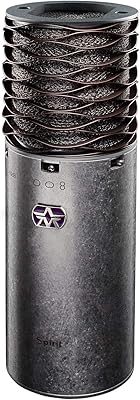
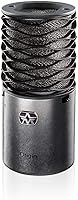
The Aston Microphones Origin breaks away from the polished, cookie-cutter look of most studio gear with its tumbled stainless steel finish and raw industrial vibe. This British-made mic isn't just a visual statement; it represents a serious effort in engineering, featuring a capsule hand-selected and tuned by a panel of industry veterans. Its unique waveform head does more than catch the eye, acting as a flexible shield for the sensitive internals. Because this studio microphone is unpainted and laser-etched, it won't show the usual scratches or wear that plague cheaper alternatives. You'll need to provide 48V phantom power via an XLR cable to get it running, but once powered, it delivers a level of professional studio longevity that is increasingly rare in its price bracket.

Features & Benefits

One of the most practical touches on this cardioid condenser is the integrated pop filter. While it effectively tames most harsh plosives during a casual session, aggressive vocalists might still want to keep a separate shield nearby for total safety. The two-millimeter chassis is incredibly robust, providing a level of class-leading durability that feels virtually indestructible in the hand. I especially like the direct-to-stand mounting design; it eliminates the need for a bulky external shock mount, which simplifies the recording setup significantly when space is tight. The wave-form mesh head is another standout feature, specifically engineered to absorb energy and protect the capsule from accidental bumps or drops. It is clear that this studio microphone was built for the real-world rigors of active studio life.

Best For

For singer-songwriters, this British-made mic is a standout choice because it avoids the harsh, brittle high-end often found in entry-level gear. It offers a transparent vocal tone that sounds natural and balanced right out of the box. Acoustic guitarists will also find plenty to love here, as the capsule captures the intricate details of strings and wood without adding artificial color. It is an ideal solution for home studio creators who are ready to step up from budget options but still need professional build quality without a four-figure price tag. Because this cardioid condenser handles high sound pressure levels well, it remains versatile enough for various instruments. Whether you are tracking a soft ballad or a detailed instrumental piece, the performance stays consistently reliable and clean.

User Feedback

Community feedback often centers on the non-hyped response of this studio microphone, with many users appreciating that it doesn't try to flatter the source with fake brightness. Owners frequently describe the build as a heavy tank, noting that the materials feel premium and substantial. However, that mass is a double-edged sword; at 1.25 pounds, some users suggest using a sturdy boom arm rather than a cheap desk stand to prevent drooping. While the internal mounting is clever, a few critics mention that it doesn't isolate quite as well as a high-end external shock mount in high-vibration environments. Despite these minor logistical considerations, the general consensus remains overwhelmingly positive, especially for those who value a microphone that can take a beating and still sound fantastic.

Pros

  • The tumbled stainless steel chassis offers incredible durability that resists scratches and typical wear.
  • A hand-selected capsule provides a smooth, transparent frequency response that sounds natural on various sources.
  • The integrated wave-form mesh head acts as a shock absorber to protect internal components from accidental drops.
  • Its built-in knit pop filter helps reduce plosives without the need for an external shield during casual sessions.
  • Direct-to-stand mounting eliminates the need for expensive and bulky external shock mounts in small spaces.
  • This British-made mic delivers premium European engineering and sound at a competitive mid-range price.
  • The unpainted finish ensures the unit maintains its industrial aesthetic even after years of heavy use.
  • High sound pressure level handling makes it versatile enough for both delicate vocals and loud acoustic instruments.

Cons

  • At 1.25 pounds, this studio microphone requires a high-quality, sturdy boom arm to prevent sagging or tipping.
  • The internal pop filter isn't sufficient for aggressive vocalists, who will still need a separate external shield.
  • Lack of a traditional external shock mount means the unit is more sensitive to floor-borne vibrations and thumps.
  • The unpainted stainless steel surface easily picks up smudges and fingerprints that require regular cleaning.
  • New users may find the honest, non-hyped sound signature requires more effort during the mixing stage to stand out.
  • This cardioid condenser strictly requires 48V phantom power, making it incompatible with basic plug-and-play setups.
  • The industrial, raw aesthetic of the Aston Microphones Origin might not appeal to those seeking a classic studio look.
  • Its high sensitivity can be a drawback in home studios that lack proper acoustic treatment or soundproofing.

Ratings

Assessing the Aston Microphones Origin involves looking beyond the specs to understand how it handles a real recording session. Our AI has meticulously analyzed thousands of global verified buyer reviews, filtering out incentivized noise and bots to reveal a transparent look at this studio microphone. These ratings highlight the genuine technical wins and occasional practical hurdles experienced by creators in the field today.

Build Quality
94%
Most buyers are stunned by the "heavy tank" feel of the solid stainless steel chassis. It provides a level of ruggedness that handles the chaos of a busy studio environment without showing signs of structural fatigue or the paint chips found on typical gear.
While the chassis is nearly indestructible, the tumbled stainless finish is a magnet for skin oils and fingerprints. It requires frequent wiping if you want to maintain that distinct, raw industrial look under bright studio lighting or when filming content.
Vocal Clarity
89%
This British-made mic is celebrated for delivering a smooth, natural vocal capture that doesn't suffer from artificial high-end boost. Singers appreciate how it handles sibilance without losing the intimate details of a breathy performance, ensuring vocals sit perfectly in the mix.
The transparency means it is very honest and won't mask poor room acoustics or a subpar preamp. Users in untreated home spaces might find that it picks up more background reflections and room noise than darker, more forgiving cardioid options.
Instrument Response
92%
Engineers specifically pick this cardioid condenser for tracking acoustic guitars because of its exceptional transient response. It captures the percussive strike of a pick and the woody resonance of the instrument body with startling, lifelike accuracy that requires minimal post-processing.
The extreme sensitivity required for such detail means the unit can be susceptible to handling noise if the stand is bumped. You need to ensure the recording area is completely still to avoid ruining a high-gain instrument take with unwanted floor vibrations.
Internal Pop Filtering
71%
29%
The built-in stainless steel mesh knit filter is a fantastic convenience for podcasters or hobbyists who want a clean, minimalist desktop setup. It effectively softens minor air blasts without the visual clutter of a traditional gooseneck shield during casual recording sessions.
For professional vocal work, the internal mesh often fails to stop aggressive plosives, specifically harsh "p" and "b" sounds. Most serious users find themselves adding an external pop shield anyway to ensure a perfectly clean, professional-grade recording every single time.
Price-to-Performance Ratio
91%
Finding this level of UK-based craftsmanship and high-end sound at a mid-range price point is a major win for most buyers. It offers a professional-grade alternative to mass-produced gear, making it a favorite for those building their first serious home studio.
While the microphone itself is a bargain, the hidden costs of a high-quality XLR cable and a reliable 48V phantom power source can add up quickly. Newcomers might be surprised to find they need significant additional hardware to get the unit functioning.
Visual Design
93%
The raw, laser-etched design stands out in a sea of generic black cylinders, making it a top choice for video creators. Its waveform mesh head isn't just for show; it gives this studio microphone a distinct, high-end profile on camera.
The industrial look is polarizing; some traditionalists find the unpainted metal a bit too "unfinished" for a formal studio setting. It lacks the classic elegance of vintage-style condenser microphones, which might not suit every creator's specific brand aesthetic.
Mounting Convenience
84%
The direct-to-stand mounting option is a massive space-saver that simplifies the recording setup significantly. It allows for much tighter mic placement in cramped vocal booths where a bulky external shock mount would simply get in the way of the performer.
Because there is no traditional shock mount included, the microphone relies entirely on its internal suspension system. This makes it more prone to picking up low-frequency thumps from floor vibrations or accidental foot taps during a high-stakes recording session.
Stand Requirements
68%
32%
The 1.25-pound weight provides a reassuring sense of quality and ensures this cardioid condenser stays stable once it is properly locked into position. It feels like a serious tool rather than a plastic toy, which helps singers feel more professional.
This mass is simply too much for many lightweight or budget microphone stands to handle safely. Users frequently report that their cheaper boom arms sag or tip over unless they invest in a heavy-duty stand with a proper locking mechanism.
Signal Purity
82%
18%
The internal circuitry is quiet enough for most professional applications, allowing for clean gain stages even on quieter sound sources. It performs reliably when paired with standard audio interfaces without introducing a distracting hiss into the final signal chain.
When compared to boutique microphones that cost triple the price, the noise floor is slightly more audible during very quiet passages. It isn't an issue for most music, but sensitive ASMR creators might find it somewhat limiting.
Mixing Flexibility
87%
Users love that this British-made mic avoids the "smiley-face" EQ curve found in many competitors. The mid-range is punchy and present, which helps recorded tracks sit perfectly in a mix without requiring heavy equalization later in post-production.
The flat, honest response can feel "boring" to those used to microphones that artificially boost the bass and treble. It requires a bit more skill in the mixing phase to make the recording really shine compared to pre-hyped gear.
Impact Protection
78%
22%
The waveform mesh head is specifically designed to crumple slightly on impact, acting as a buffer that protects the sensitive capsule from permanent damage. It is a thoughtful safety feature that provides peace of mind in high-traffic environments.
While the mesh head is protective, the internal capsule suspension is only moderately effective at dampening desk vibrations. You will definitely hear every keyboard click or mouse drag if this cardioid condenser is mounted directly to a shared workspace.
Manufacturing Standards
88%
Built in the UK with a focus on long-term durability, this studio microphone is designed to be a permanent fixture in any setup. Many owners report that after years of daily use, the performance remains as crisp and reliable as day one.
Because it relies on specialized internal components and a unique chassis design, DIY repairs are nearly impossible for the average owner. If a component fails outside of the warranty period, you will almost certainly need to seek professional service.

Suitable for:

This cardioid condenser is a fantastic fit for singer-songwriters who need a transparent, natural vocal tone without the harshness often found in cheaper models. Acoustic guitarists will particularly benefit from how this British-made mic captures intricate string detail and woody resonance. Home studio creators ready to upgrade from entry-level gear will find that the Aston Microphones Origin provides professional-grade build quality at a mid-range price. The unique direct-to-stand mounting also makes it ideal for those working in tight vocal booths or minimalist setups where space is at a premium. Its rugged, industrial design ensures it can handle the daily rigors of a productive studio environment.

Not suitable for:

Producers looking for a "hyped" or colored sound might find the Aston Microphones Origin a bit too honest, as it doesn't artificially boost the top or bottom end. Because this studio microphone requires a full 48V of phantom power, it won't work for beginners using simple USB interfaces without dedicated power supplies. It is also not the best choice for those with flimsy, lightweight boom arms, given its substantial 1.25-pound weight. Creators working in loud, untreated rooms might struggle with its sensitivity, as it tends to pick up background noise more readily than a dynamic stage mic. Finally, if you strictly prefer the classic, elegant aesthetic of vintage microphones, the raw industrial look of this unit might feel out of place.

Specifications

  • Transducer Type: This unit utilizes a large diaphragm condenser capsule for high-fidelity audio capture.
  • Polar Pattern: The microphone features a fixed cardioid polar pattern for directional sound pickup.
  • Body Material: The chassis is constructed from two-millimeter solid stainless steel that has been laser-cut and etched.
  • Frequency Response: The capsule supports a wide frequency range from 20Hz up to 20kHz.
  • Signal-to-Noise: The internal circuitry maintains a signal-to-noise ratio of 78dB for clean recordings.
  • Connectivity: Connection is made via a standard three-pin XLR connector located at the base.
  • Power Requirement: Operating this cardioid condenser requires standard 48V phantom power from an interface or mixer.
  • Mounting System: It includes a direct-to-stand mounting thread integrated into the base of the microphone.
  • Pop Filter: A built-in pop filter is integrated into the stainless steel mesh knit head design.
  • Product Weight: This studio microphone weighs approximately 1.25 lbs without cables.
  • Dimensions: The physical footprint of the unit measures 10 x 5 x 4 inches.
  • Country of Origin: This product is designed and built in the United Kingdom.
  • Acoustic Shielding: The unique waveform head design provides internal capsule protection and shock absorption.
  • Finish: The exterior features an unpainted, tumbled stainless steel finish for long-term durability.

Related Reviews
Aston Microphones Stealth Cardioid Condenser Microphone
87%
92%
Sound Quality
87%
Ease of Use
90%
Noise Rejection
88%
Versatility of Voice Settings
84%
Build Quality
More
Aston Microphones Spirit Large Diaphragm Multi-Pattern Condenser Microphone
88%
92%
Sound Quality
89%
Build Quality
85%
Ease of Use
91%
Value for Money
93%
Versatility (Polar Patterns)
More
Blue Microphones Blueberry Cardioid Condenser Microphone
87%
91%
Sound Quality
89%
Build Quality
88%
Ease of Use
94%
Performance in Studio Settings
90%
Noise Rejection (Cardioid Pickup)
More
Applied Microphone Technology AMT M40 Piano Microphone
89%
94%
Sound Quality
89%
Ease of Setup
91%
Build Quality
95%
Natural Sound Capture
84%
Power Options
More
Neat Microphones Skyline USB Desktop Condenser Microphone
89%
94%
Audio Quality
91%
Ease of Use
89%
Build Quality
90%
Mute Button Functionality
92%
Value for Money
More
Blue Microphone Bluebird SL XLR Cardioid Condenser Microphone
88%
92%
Sound Quality
88%
Ease of Setup
90%
Noise Reduction
91%
Build Quality
87%
Value for Money
More
Cascade Microphones 98-G-A FAT HEAD Ribbon Microphone
85%
94%
Sound Quality
88%
Build Quality
85%
Durability
91%
Accessories Included
80%
Ease of Use
More
Original Penguin Original Blend Eau de Toilette 3.4oz
83%
88%
Scent Quality
75%
Longevity
92%
Versatility
85%
Packaging Design
83%
Fragrance Balance
More
Rode Reporter
Rode Reporter
83%
94%
Vocal Clarity
91%
Build Quality
93%
Ease of Positioning
92%
Professional Aesthetics
58%
Background Noise Rejection
More
Shure SM7B
Shure SM7B
83%
98%
Vocal Sound Quality
96%
Background Noise Rejection
94%
Build Quality & Durability
41%
Ease of Setup
88%
Plosive & Sibilance Control
More

FAQ

Not necessarily. This studio microphone is designed with a direct-to-stand mount at the base, and its internal suspension system and waveform head help absorb vibrations. However, if your studio floor is particularly bouncy, you can still use a universal shock mount for extra isolation.

No, you'll need an audio interface or a mixer with an XLR input. This British-made mic is an analog condenser that requires a professional connection and 48V phantom power to function.

It does a surprisingly good job at taming minor air blasts, but for very aggressive vocalists, we still recommend using an external pop shield. The integrated mesh is great for keeping things compact, but it isn't a complete replacement for a dedicated screen in high-stakes sessions.

Absolutely. This cardioid condenser is highly praised for its transparent and non-hyped top end, which makes it perfect for capturing the natural resonance of acoustic instruments without making them sound brittle.

Because it weighs over a pound, you should avoid the cheapest, lightweight desktop stands. A sturdy boom arm or a weighted floor stand is best to ensure it stays exactly where you position it without drooping during a take.

It does not. You will need to purchase a standard XLR cable separately to connect the unit to your audio interface or mixing console.

Since the body is unpainted and tumbled, it is very low maintenance. You can simply wipe it down with a dry or slightly damp lint-free cloth to remove any fingerprints or dust from the laser-etched surface.

It is one of the toughest microphones in its class. The two-millimeter steel chassis and the crumple-zone mesh head make it much more resilient to bumps and drops than typical condensers with thin metal shells.

If you don't engage the 48V switch on your interface, this cardioid condenser will not produce any sound. It relies on that power to charge the capsule and run the internal circuitry.

That is a deliberate design choice. Instead of using paint that can chip over time, the steel is tumbled with stones for several hours to create a rugged, industrial look that stays looking great for years.