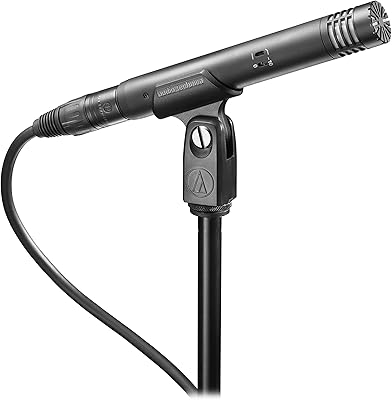
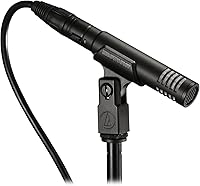
Audio-Technica PRO37 Small-Diaphragm Condenser Microphone
Overview
The Audio-Technica PRO37 Small-Diaphragm Condenser Microphone has been a steady presence in recording studios and live rigs since its release in 2004 — which says something in a market that churns through new gear constantly. One thing to sort out before you buy: this mic requires phantom power, so you will need an audio interface or mixer that supplies 48V. No phantom power, no signal. Physically, it is compact and low-profile, which makes positioning it in tight spots far less of a headache than with a bulkier large-diaphragm model. It competes comfortably in the mid-range condenser space alongside offerings from Rode and AKG.
Features & Benefits
The low-mass diaphragm is where the PRO37 earns its keep. That light element responds quickly to fast-moving transients — the crack of a snare, the pick attack on an acoustic guitar — without smearing detail the way a heavier capsule might. It can also handle high SPL sources, making it a practical choice for instruments that would cause a more sensitive mic to clip. The cardioid polar pattern rejects off-axis noise reasonably well, which matters on a noisy stage or in an untreated room. The frequency response reaches down to 30 Hz, and the 65 dB signal-to-noise ratio keeps the noise floor low enough for most home studio work.
Best For
This small-diaphragm condenser really shines when accuracy matters more than character. It is a natural pick for miking acoustic instruments — guitar, violin, upright bass — where you want the recording to sound like the instrument, not a colored interpretation of it. Drum overhead miking is another strong use case; the SPL tolerance and fast transient response are exactly what you want up there. Live sound engineers will appreciate the compact body for getting into tight placements on a crowded stage. It is also a reasonable option for voiceover and broadcast work, where a flat response makes post-production easier. Beginners upgrading from a dynamic mic will notice the difference immediately.
User Feedback
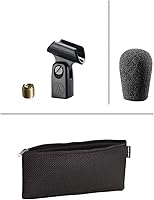
Buyers who have used this Audio-Technica mic over extended periods tend to highlight its transparent sound as the standout quality — particularly on acoustic guitar and choir recordings, where it reportedly holds up against pricier options. The build feels solid, and the gold-plated connector has drawn specific praise from users who have dealt with cheaper contacts that corrode over time. On the downside, several buyers point out that no accessories are included — no clip, no case, no shock mount — which adds to the real-world cost. Others wish it had a built-in pad or high-pass filter. Compared to rivals at a similar price, most still consider it a strong value, though expectations should remain realistic.
Pros
- Captures fast transients with impressive accuracy, making acoustic instruments sound crisp and true to life.
- Handles high-SPL sources well, so it works reliably on drum overheads without distorting.
- A 65 dB signal-to-noise ratio keeps the noise floor low enough for clean home studio recordings.
- The cardioid polar pattern does a solid job rejecting off-axis noise in untreated or noisy rooms.
- Gold-plated XLR connector resists corrosion, which matters for gear that gets used regularly over years.
- The compact, low-profile body makes tight mic placements significantly easier on stage and in the studio.
- Frequency response extends down to 30 Hz, capturing the full range of most acoustic instruments.
- Audio-Technica’s build quality inspires confidence — this mic feels durable and holds up with regular use.
- The PRO37 competes well against rivals at a similar price point, often matching them on clarity.
- Flat, accurate response makes post-production work easier for voiceover and broadcast applications.
Cons
- No accessories are included — not even a mic clip — which adds to the true out-of-pocket cost.
- Requires 48V phantom power; buyers without a compatible interface or mixer cannot use it at all.
- No built-in pad or high-pass filter, limiting flexibility when managing difficult signal levels.
- On vocals, the honest, uncolored response can sound clinical compared to large-diaphragm alternatives.
- Not a plug-and-play option — XLR-only connectivity rules it out for simple podcast or streaming setups.
- Some users report that without a shock mount, handling and stand vibration noise can be noticeable.
- The microphone-only package means buying a full kit for live use requires additional separate purchases.
- Not ideal for complete beginners who may be unfamiliar with gain staging and phantom power requirements.
Ratings
Our AI rating system analyzed thousands of verified global user reviews for the Audio-Technica PRO37 Small-Diaphragm Condenser Microphone, actively filtering out incentivized, bot-generated, and duplicate submissions to surface what real buyers actually experience. The scores below reflect both the genuine strengths that keep this mic relevant more than two decades after launch and the recurring pain points that prospective buyers deserve to know about upfront. Nothing has been softened or padded — if a category underperforms, the score shows it.
Sound Clarity
Transient Response
Build Quality
Value for Money
High-SPL Handling
Noise Floor
Polar Pattern Accuracy
Frequency Response
Ease of Setup
Included Accessories
Vocal Performance
Live Stage Reliability
Acoustic Instrument Recording
Stereo Pair Consistency
Suitable for:
The Audio-Technica PRO37 Small-Diaphragm Condenser Microphone is a strong fit for intermediate-level home studio owners who have outgrown dynamic mics and want a more accurate, detailed capture of acoustic sources. If you regularly record acoustic guitar, violin, piano, or similar instruments where transient detail and natural tone matter, this mic punches well above what entry-level gear can offer. It is also a reliable workhorse for drum overhead miking — the high-SPL tolerance and quick diaphragm response make it genuinely practical for that application, not just technically compatible. Live sound engineers who need a compact, dependable mic that fits into tight stage placements will find the low-profile design genuinely useful rather than just a cosmetic feature. Voiceover artists and broadcast recordists who prefer a flat, uncolored response will also find it a capable tool, assuming they already have a phantom-power-capable interface or mixer in their signal chain.
Not suitable for:
If you are just starting out and have not yet invested in an audio interface with 48V phantom power, the Audio-Technica PRO37 Small-Diaphragm Condenser Microphone is not a practical first purchase — it will produce no signal without that power source, and that cost needs to be factored in. Buyers looking for a dedicated vocal microphone will likely find large-diaphragm condensers more flattering for that application; this mic is honest rather than flattering, and voices can sound a touch clinical through it. Anyone expecting a complete kit out of the box will be disappointed — there is no included clip, shock mount, or carrying case, so budget accordingly. Recording engineers who frequently work with very loud or unpredictable sources and rely on a built-in pad or high-pass filter to manage the signal will notice their absence here. It is also not the right pick for anyone who needs USB connectivity or a plug-and-play setup for podcasting or streaming.
Specifications
- Microphone Type: Small-diaphragm condenser microphone designed for studio recording and live sound reinforcement applications.
- Polar Pattern: Cardioid (unidirectional), which focuses sensitivity toward the front of the mic and reduces pickup from the sides and rear.
- Frequency Response: Captures audio from 30 Hz upward, covering the full low-end range of most acoustic instruments and voices.
- Signal-to-Noise Ratio: Rated at 65 dB, indicating a clean output with a low noise floor suitable for quiet studio environments.
- Sensitivity: Audio sensitivity is rated at 37 dB, reflecting the mic’s ability to convert acoustic energy into an electrical signal.
- Connectivity: Uses a standard XLR connection, requiring a compatible audio interface, mixer, or preamp to operate.
- Connector: Equipped with a gold-plated XLRM-type connector that resists corrosion and maintains reliable contact over extended use.
- Power Source: Requires 48V phantom power supplied by the connected audio interface or mixer; no battery or USB power option is available.
- Weight: Weighs 9.6 oz, making it light enough for stand mounting without placing excessive strain on boom arms or clips.
- Dimensions: Measures 9.8″ x 5.1″ x 2.9″, with a compact, low-profile body that aids placement in tight or restricted spaces.
- Compatible Devices: Works with audio interfaces, mixers, and computers equipped with a phantom-power-capable XLR input.
- Channels: Single-channel mono microphone; one unit captures one audio source at a time.
- Mount Compatibility: Designed for use with a microphone stand; no shock mount or mic clip is included in the box.
- Included Components: Package contains the microphone only; no carrying case, shock mount, pop filter, or stand adapter is bundled.
- Manufacturer: Produced by Audio-Technica U.S., a brand with a long track record in professional and prosumer audio equipment.
Related Reviews
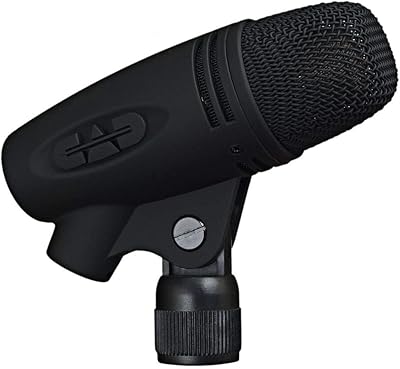
CAD Audio E70 Condenser Microphone

Audio-Technica AT875R
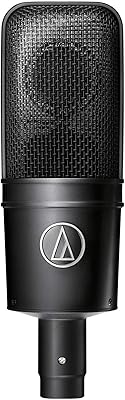
Audio-Technica AT4040
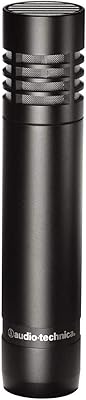
Audio-Technica AT2021 Cardioid Condenser Microphone
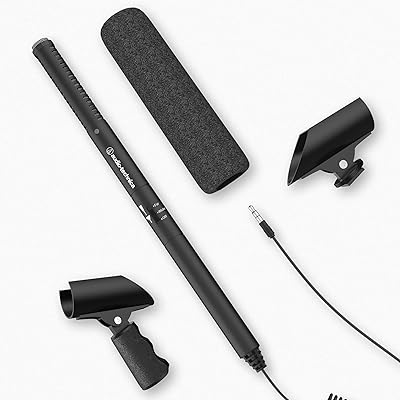
Audio-Technica ATR6550X Condenser Shotgun Microphone
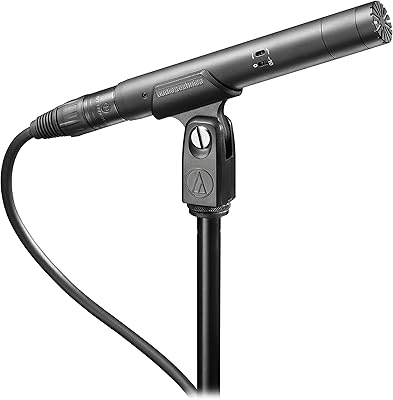
Audio-Technica AT4022 Omnidirectional Condenser Microphone
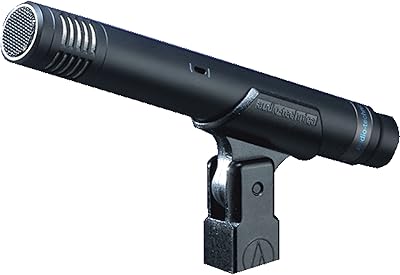
Audio-Technica AT4041 Cardioid Condenser Microphone
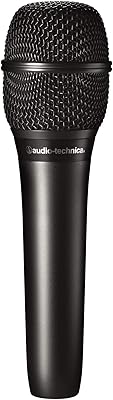
Audio-Technica AT2010
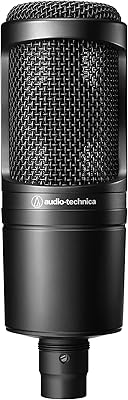
Audio-Technica AT2020