Overview
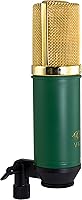
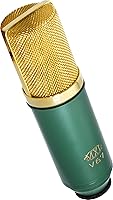
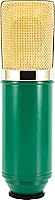
The MXL V67G Large-diaphragm Condenser Microphone has quietly held its ground in the home studio market since 2004 — a rare feat for any piece of audio gear. With its striking green body and gold grill, it stands out visually, but what keeps people coming back is the sound quality it delivers at a mid-range price. The V67G requires an XLR connection, phantom power, and an audio interface, so it is not the kind of mic you simply plug into a USB port and go. For anyone already set up with an interface though, this large-diaphragm condenser punches well above casual expectations without pushing into boutique territory.
Features & Benefits
At the core of the V67G is a 32mm gold-sputtered diaphragm — a larger capsule that picks up more detail, captures subtle dynamics, and gives vocals a full-bodied presence you simply do not get from smaller capsules. The solid-state FET preamp feeds into a balanced transformer output, which in practice means a cleaner signal with noticeably less noise bleeding into recordings. A 74 dB signal-to-noise ratio keeps background hiss quiet during softer passages. The cardioid polar pattern focuses on what is directly in front and naturally rejects sound from the rear, genuinely helpful when tracking in less-than-ideal acoustic spaces. One thing worth budgeting for: the MXL-57 isolation shock mount is sold separately but makes a real difference in handling rumble.
Best For
This large-diaphragm condenser is a natural fit for home studio vocalists who want a warm, detailed sound without the sticker shock of boutique options. Streamers and podcasters who already own an audio interface will notice a meaningful step up from USB microphones — clarity and low-end body become far more present. It also handles acoustic instruments well; guitar, light percussion, and strings all benefit from that larger capsule's sensitivity to transient detail. Beginners making the jump from dynamic to condenser mics will appreciate the accessible price relative to what they get in return. For producers needing a reliable secondary mic for room capture or overdubs, MXL's green condenser is a cost-conscious, dependable pick.
User Feedback
Buyers consistently point to warm tonal character and solid build quality as the standout strengths — especially relative to the asking price. The green-and-gold aesthetic gets more attention than you might expect; streamers frequently mention it as a welcome visual upgrade for on-camera setups. On the flip side, the V67G's sensitivity can work against you in an untreated room — though it is worth noting this is a condenser trait broadly, not a flaw unique to this mic. Ambient noise and room reflections will be captured more readily than with a dynamic, so acoustic treatment helps. A handful of users also flag that a decent preamp matters; pairing it with a very basic interface can leave some performance on the table. Long-term reliability reports are generally positive.
Pros
- Warm, detailed vocal tone that competes well with more expensive condensers in its class.
- The 32mm gold-sputtered diaphragm captures transient detail and low-end body that smaller capsules miss.
- A 74 dB signal-to-noise ratio keeps the noise floor quiet and recordings clean on a decent interface.
- Cardioid polar pattern does a solid job rejecting sound from behind the mic during tracking.
- The green-and-gold design stands out on camera and looks far more premium than the price implies.
- Two decades on the market without discontinuation speaks to consistent build reliability.
- Works well for acoustic guitar, light percussion, and strings — not just vocals.
- Balanced XLR output integrates neatly into any standard home studio signal chain.
- A genuinely honest value proposition for anyone already equipped with an audio interface.
Cons
- Requires a separate audio interface and 48V phantom power — total setup cost is higher than it first appears.
- Highly sensitive to room acoustics; background noise, reflections, and hum are captured readily.
- The MXL-57 isolation shock mount is not included and really should be purchased alongside it.
- Pairing the V67G with a weak or noisy preamp noticeably limits how good the mic can actually sound.
- Not well-suited to loud sources — high-SPL applications like close-miked drums can push it uncomfortably.
- No onboard pad or high-pass filter, which limits flexibility when dealing with problematic recordings.
- Beginners unfamiliar with condenser mics may mistake normal room-noise pickup for a product defect.
- Build feels functional rather than premium; the metal finish looks good but is not particularly robust.
Ratings
The scores below for the MXL V67G Large-diaphragm Condenser Microphone were generated by our AI system after analyzing thousands of verified global purchases, actively filtering out incentivized, bot-generated, and duplicate submissions to reflect genuine buyer sentiment. Each category captures both what users consistently praised and where real frustrations surfaced — nothing is glossed over. The result is an honest, data-grounded picture of where this large-diaphragm condenser earns its reputation and where it shows its limits.
Sound Quality
Value for Money
Build Quality
Ease of Setup
Noise Performance
Vocal Performance
Instrument Recording
Streaming & Podcasting
Design & Aesthetics
Preamp Compatibility
Polar Pattern Accuracy
Long-term Durability
Accessories & Packaging
Suitable for:
The MXL V67G Large-diaphragm Condenser Microphone is a strong match for home studio vocalists and acoustic instrument players who want noticeably better sound quality without venturing into boutique pricing. If you already own an audio interface and a phantom power source, the V67G slots in cleanly and delivers a warm, full-bodied tone that USB microphones simply cannot replicate. Podcasters and streamers who have outgrown their entry-level gear will find it a practical and visually appealing upgrade — the green-and-gold design looks intentional on camera rather than like an afterthought. It also works well as a secondary mic for producers who need a dependable option for room capture, overdubs, or acoustic guitar tracking. For beginners making their first move from dynamic to condenser microphones, the learning curve is manageable and the sonic payoff is real.
Not suitable for:
The MXL V67G Large-diaphragm Condenser Microphone is not the right choice for anyone expecting a plug-and-play experience straight out of the box — it requires a 48V phantom-powered audio interface, and that additional gear investment catches many first-time buyers off guard. People recording in untreated rooms, apartments with street noise, or spaces with significant background hum will struggle with this mic, since large-diaphragm condensers pick up everything around them, not just the source. If your recording space is not at least reasonably controlled acoustically, a dynamic microphone will serve you far better day to day. Buyers seeking professional broadcast or high-end studio performance should also look elsewhere; the V67G is competitive within its price class but does have a ceiling that serious engineers will bump into. Those who need a simple, portable, or battery-powered solution will find this mic poorly suited to mobile or on-location setups.
Specifications
- Capsule Size: The microphone uses a 32mm large-diaphragm capsule, which captures greater detail and a fuller low-end response than smaller capsule designs.
- Diaphragm: The diaphragm is gold-sputtered at 6-micron thickness, a construction that improves sensitivity and transient accuracy across the frequency range.
- Preamp Type: An internal solid-state FET (field-effect transistor) preamp drives the signal with low coloration and a consistently quiet noise floor.
- Output Type: The balanced transformer output reduces interference pickup along cable runs and integrates cleanly with standard studio and home recording equipment.
- Polar Pattern: The cardioid (unidirectional) polar pattern focuses pickup directly in front of the mic and naturally attenuates sound arriving from the rear.
- Connector: The microphone uses a standard 3-pin XLR connector, compatible with virtually all audio interfaces, mixers, and preamps.
- Power Source: The V67G requires 48V phantom power supplied through the XLR connection from a compatible audio interface or standalone phantom power supply.
- Signal-to-Noise: The signal-to-noise ratio is rated at 74 dB, meaning self-noise remains low enough to keep recordings clean during quiet passages and soft-spoken vocals.
- Impedance: Output impedance is 200 ohms, which pairs well with the typical input impedance range found on most consumer and prosumer audio interfaces.
- Frequency Response: The microphone covers a frequency range of 20 Hz to 20 kHz, spanning the full audible spectrum for both voice and acoustic instrument applications.
- Max SPL: The maximum sound pressure level before distortion is 130 dB, suitable for moderate-volume sources but not recommended for extremely loud close-miked applications.
- Dimensions: The microphone body measures 7.09 × 1.97 × 1.97 inches, a standard side-address condenser form factor compatible with most boom arms and mic stands.
- Weight: The microphone weighs 10.6 ounces (approximately 0.3 kg), making it substantial enough to feel solid while still manageable on a standard mic stand.
- Body Finish: The exterior features a green metal body with a gold grill, a distinctive aesthetic that has remained consistent since the model launched in 2004.
- Shock Mount: The MXL-57 isolation shock mount is compatible with this microphone and is recommended for reducing stand and desk vibration pickup, but is sold separately.
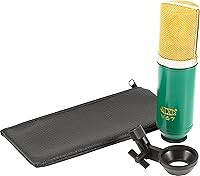
- Included Items: The package includes the microphone only; no shock mount, pop filter, XLR cable, or audio interface is included in the standard retail box.
- Manufacturer: The V67G is manufactured by Marshall Electronics under the MXL brand, a company with a long-standing presence in the affordable professional microphone segment.
- Availability: The microphone has been in continuous production since September 2004 and has not been discontinued by the manufacturer as of the current date.
Related Reviews
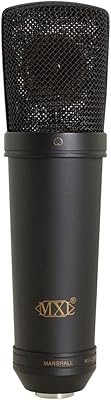
MXL 2003A Large-Diaphragm Condenser Microphone
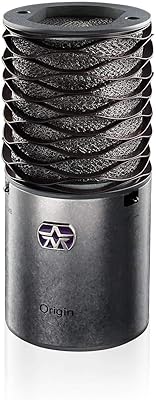
Aston Microphones Origin
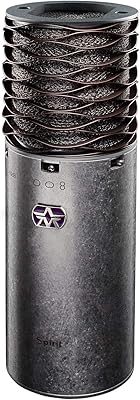
Aston Microphones Spirit Large-Diaphragm Condenser Microphone
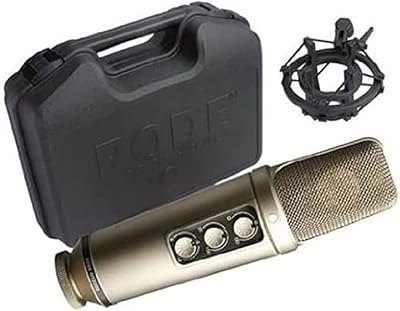
Rode NT2000 Large-Diaphragm Condenser Microphone
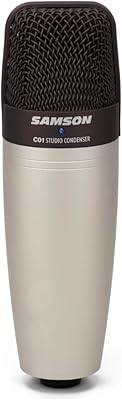
Samson C01
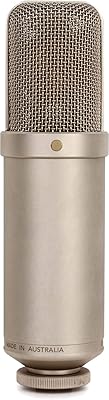
Rode NTK
Nady SCM-800 Large Diaphragm Condenser Microphone
Neumann TLM 193 Large-Diaphragm Condenser Microphone
Neumann TLM 103 Large-Diaphragm Condenser Microphone