Overview

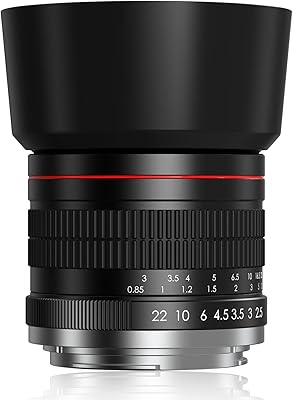
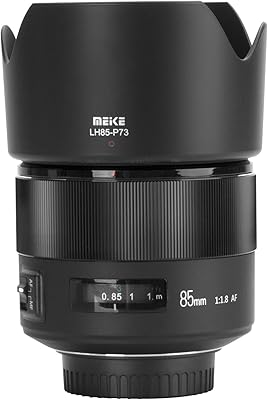
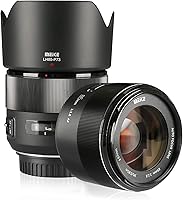
The Meike 85mm f/1.8 Canon EF Telephoto Lens enters a crowded market with a straightforward pitch: a working autofocus 85mm prime at a price that won't require selling other gear to afford it. It works on both full-frame and APS-C Canon DSLRs, which makes it unusually flexible for a third-party option at this tier. One detail worth flagging upfront is the USB firmware update port — not something you'd typically find on a lens in this range. That said, this 85mm prime is not trying to compete with Canon's own glass or the Sigma Art series. Manage your expectations accordingly, and it can be a genuinely useful tool.
Features & Benefits

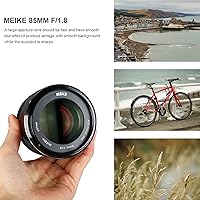
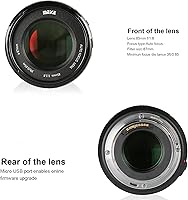
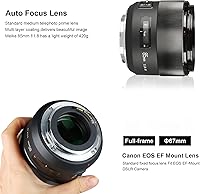
The f/1.8 maximum aperture is where this 85mm prime earns its keep. At that opening, you get enough background separation to make subjects pop without needing clinical precision — which, depending on your shooting style, can actually work in your favor. The 6-group, 9-element construction holds up well toward the center of the frame, though corner sharpness drops noticeably when shooting wide open. The 67mm filter thread is a practical bonus — it's a standard size, so circular polarizers and ND filters are straightforward to find. Minimum focus distance sits at 0.85m, which is fairly typical for this focal length, so don't plan on doing macro or close-up work with it.

Best For

This third-party portrait lens makes the most sense for Canon DSLR shooters who want a dedicated 85mm prime without the financial commitment of Canon's native offering. On a full-frame body, the focal length is ideal for portrait and event photography; on APS-C, you're effectively working with something closer to a 136mm equivalent, which suits theater and indoor sports well. Beginners who want to explore prime lens shooting before committing more money will find this a low-risk starting point. It's not the right pick for anyone needing reliable autofocus tracking on fast-moving subjects, or for photographers who require top-tier corner-to-corner sharpness. Know what you're getting, and it delivers within those limits.

User Feedback

With a 4.1-star average across nearly 800 ratings, the Meike 85mm lands in good-enough-for-the-price territory — and that's largely accurate. Buyers consistently highlight center sharpness and the soft, pleasing quality of background blur as the standout positives. Autofocus gets mostly favorable marks, though users on older Canon bodies note it can hunt in dim conditions. Build quality is where opinions split: the lens feels solid enough in hand, but the plastic construction leaves some buyers uncertain about long-term durability. The comparison to Canon and Sigma 85mm options comes up often in reviews — most agree the Meike can't match them optically, but acknowledge it's a fair budget trade-off for shooters who don't need top-tier glass.

Pros

  • The f/1.8 aperture produces genuinely pleasing background blur for portrait and event work.
  • Autofocus is functional and reliable on most modern Canon DSLR bodies.
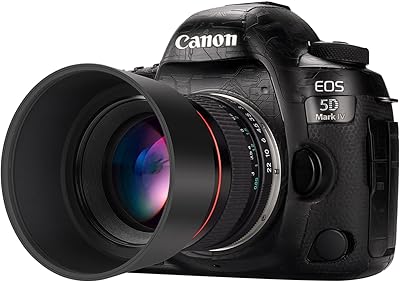
  • Full-frame and APS-C compatibility makes the Meike 85mm flexible across different Canon setups.
  • Center sharpness is solid for the price tier, especially stopped down to f/2.8 or f/4.
  • The 67mm filter thread is a common size, so sourcing polarizers and ND filters is easy.
  • USB firmware upgrade port is an unusually forward-thinking feature at this price point.
  • Lightweight at under a pound, making it comfortable for extended handheld shooting sessions.
  • Ranked among the top sellers in its category, reflecting a broad base of satisfied buyers.
  • A strong entry point for beginners wanting to experience prime lens shooting on a budget.

Cons

  • Corner sharpness drops noticeably when shooting wide open at f/1.8.
  • Autofocus can hunt and hesitate in low-light conditions, especially on older Canon bodies.
  • Plastic build raises questions about long-term durability under regular professional use.
  • No weather sealing of any kind, limiting use in outdoor or unpredictable shooting conditions.
  • Minimum focus distance of 0.85m rules out close-up and detail photography entirely.
  • Chromatic aberration is visible in high-contrast scenes and requires post-processing to correct.
  • The USB firmware feature is only valuable if Meike continues releasing updates — not guaranteed.
  • Autofocus speed and accuracy fall noticeably behind Canon and Sigma native 85mm options.
  • Bokeh quality, while decent, lacks the smoothness and character of pricier 85mm primes.

Ratings

The scores below reflect an AI-driven analysis of verified buyer reviews for the Meike 85mm f/1.8 Canon EF Telephoto Lens, sourced from global markets with spam, bot-generated, and incentivized feedback actively filtered out. This third-party portrait lens has been evaluated across categories that real buyers care about — from optical performance and autofocus reliability to long-term build durability and value. Both what this lens does well and where it genuinely falls short are reflected with full transparency.

Value for Money
88%
Buyers consistently return to price-to-performance as the core reason they recommend this 85mm prime. For hobbyists and beginners who want a dedicated portrait focal length without stretching their budget, the cost of entry feels justified — particularly when center sharpness and background separation hold up well in everyday portrait sessions.
A small but vocal group of reviewers feel the gap between this lens and Canon or Sigma alternatives is wider than the price difference alone suggests. Users who later upgraded report wishing they had saved toward a native option, particularly after experiencing the autofocus and corner sharpness differences firsthand.
Optical Sharpness
71%
29%
Center sharpness at f/2.8 and beyond draws consistent praise from portrait shooters who keep their subjects in the middle of the frame. For headshots and environmental portraits shot at moderate apertures, buyers describe results that look clean and well-resolved, especially when viewed at typical screen or print sizes.
Wide open at f/1.8, corner sharpness falls off in a way that experienced photographers will notice immediately. Reviewers shooting architecture, group portraits, or any scene where edge-to-edge detail matters frequently cite this as a meaningful limitation, not merely a minor quibble.
Autofocus Performance
66%
34%
On newer Canon DSLR bodies in reasonable lighting conditions, autofocus is described as reliable enough for posed portraits and event photography. Users shooting theatre performances or slow-moving indoor subjects generally report that the focus acquisition speed meets their practical expectations without major frustration.
Low-light autofocus hunting is the most frequently mentioned complaint across user reviews — particularly on older Canon bodies where the system struggles to lock on cleanly. Compared to Canon's own 85mm, the difference is stark enough that buyers who shoot in mixed or dim lighting conditions often feel let down.
Bokeh Quality
74%
26%
At f/1.8, background blur is genuinely pleasing in most portrait scenarios — soft enough to separate subjects clearly from neutral or moderately busy backgrounds. Buyers shooting in parks, simple studio setups, or indoor environments with controlled backgrounds report satisfying results that photograph well at social media and standard print sizes.
In high-contrast or cluttered backgrounds, the out-of-focus rendering can appear slightly nervous or edgy rather than smooth. Users comparing directly to pricier 85mm options often note that while the blur is present, it lacks the liquid consistency that characterizes premium portrait glass.
Build Quality
58%
42%
The Meike 85mm feels solid and balanced in hand — there is no obvious rattling, loose barrel, or flimsy feel that some budget lenses exhibit. Casual hobbyists who shoot weekends and occasional events report that the construction holds up fine under normal use conditions over a period of months.
The plastic-dominant build is a recurring concern among buyers who compare it directly to Canon or Sigma equivalents. Questions about long-term durability surface frequently in reviews, and photographers who shoot regularly in varied outdoor conditions note the absence of any weather sealing as a practical limitation they didn't fully anticipate.
Low-Light Capability
69%
31%
The f/1.8 maximum aperture gives this 85mm prime a real advantage in indoor and evening shooting scenarios where kit zoom lenses struggle. Event and theatre photographers report that the wider aperture allows for usable shutter speeds at moderate ISO settings in ambient-lit venues.
While the aperture itself is capable, autofocus reliability degrades noticeably in dimly lit conditions, partially undermining the low-light benefit. Users relying on continuous autofocus tracking during evening events describe missing shots due to focus hesitation — a frustration that the aperture alone cannot compensate for.
Chromatic Aberration
62%
38%
In controlled lighting with neutral backgrounds, chromatic aberration remains manageable and largely invisible in typical portrait use. Buyers who shoot in consistent studio-style conditions or softer natural light rarely flag this as a problem worth worrying about in their workflows.
High-contrast scenes — subjects near bright windows, outdoor edges against bright skies, or backlit scenarios — reveal fringing that requires deliberate correction in post-processing. Photographers shooting events with mixed or harsh lighting note it can add an extra editing step that wasn't expected given the marketing.
Autofocus Accuracy
67%
33%
When the lens does lock focus, buyers report the hit rate is acceptably consistent for posed and semi-static subjects. Portrait photographers shooting individuals in controlled environments — headshots, simple environmental portraits, slower-paced family sessions — describe the accuracy as workable once you understand its behavior.
Micro-adjustment calibration can sometimes be necessary to get the best results, which adds friction for photographers newer to prime lenses. A subset of reviewers report front or back focus tendencies that required in-camera AF fine-tuning before the lens performed reliably.
Compatibility Range
83%
The Canon EF mount covers an impressively wide range of bodies, and buyers appreciate being able to use this third-party portrait lens across both full-frame flagships and entry-level APS-C cameras without any adapter or workaround. The effective 136mm field of view on crop sensors opens up additional use cases for users who own multiple Canon bodies.
The lens is strictly EF-mount only, which excludes Canon's mirrorless RF-mount bodies without a separate EF-EOS R adapter. Buyers who are planning a future transition to Canon's mirrorless system should factor in this limitation before committing.
Firmware Update Feature
61%
39%
The USB firmware port stands out as a thoughtful and unusual inclusion for a lens at this price point. Technically minded buyers appreciate the idea that autofocus calibration or compatibility improvements could be rolled out after purchase, and several reviewers describe successfully applying updates without difficulty.
Real-world confidence in this feature hinges on Meike's ongoing commitment to releasing updates — something that third-party manufacturers don't always sustain. A portion of reviewers note that limited or infrequent firmware releases make the port feel more like a promise than a consistently delivered benefit.
Weight & Handling
79%
21%
At under a pound, the Meike 85mm is comfortable to carry and shoot with for extended periods. Buyers who take it to multi-hour events or long outdoor portrait sessions consistently note that hand fatigue is not a concern, and the balance on mid-sized Canon DSLRs feels natural.
The lighter weight, while convenient, also reinforces the perception of a less premium build in the hands of photographers accustomed to heavier native glass. A few reviewers note the lens can feel front-light on larger full-frame bodies, which subtly affects shooting comfort during long telephoto handheld sessions.
Minimum Focus Distance
54%
46%
The 0.85m minimum focus distance is standard and expected for an 85mm prime, meaning buyers coming from zoom lenses at this focal length won't encounter any unwelcome surprises. For standard portrait distances of one to three meters, the working range is completely adequate.
Photographers hoping to use this lens for product photography, detailed still-life work, or even tighter environmental portraits at short distances will find it frustratingly limiting. Several buyers express disappointment after expecting more close-focus flexibility for creative or commercial work.
Filter Usability
81%
19%
The 67mm filter thread is one of the most commonly used sizes across mid-range lenses, which means buyers can share filters across multiple lenses in their kit without step-up rings. Reviewers who use circular polarizers or ND filters for outdoor portrait work specifically appreciate not having to purchase new filters.
There is little to criticize here beyond the fact that the filter ring, like the rest of the lens body, is plastic — which means some care is needed when threading filters to avoid cross-threading or cosmetic wear over time.
Overall User Satisfaction
76%
24%
A 4.1-star average across nearly 800 reviews tells a consistent story: most buyers who approach this lens with calibrated expectations come away genuinely satisfied. The combination of a useful focal length, adequate autofocus, and pleasing background separation at an accessible price point earns it a loyal following among hobbyists and beginners.
The satisfaction gap becomes visible when buyers compare experiences with Canon or Sigma 85mm alternatives after upgrading. A recurring theme in critical reviews is that the lens performs fine until users shoot alongside better glass — at which point the autofocus, corner sharpness, and bokeh differences become hard to ignore.

Suitable for:

The Meike 85mm f/1.8 Canon EF Telephoto Lens is a genuinely smart pick for Canon DSLR owners who want to explore portrait photography without spending a significant portion of their camera budget on a single lens. It works particularly well for hobbyists shooting posed portraits, small events, or theater performances where a fast aperture matters more than split-second autofocus tracking. On APS-C bodies, the effective focal length stretches to roughly 136mm, making it a capable option for anyone wanting a bit more reach for stage or indoor sports photography. Beginners transitioning from kit zooms to prime lenses will find this 85mm prime a practical and affordable way to understand what shooting at a fixed focal length actually feels like in real-world use. The USB firmware port is a thoughtful addition, giving buyers some confidence that Meike may support the lens past its launch window.
Not suitable for:

Photographers who rely on fast, consistent autofocus for wedding receptions, wildlife, or action sports should look elsewhere — the Meike 85mm is not built for those demands, and users on older Canon bodies in particular report focus hunting in low light. Anyone expecting corner-to-corner sharpness when shooting wide open will likely come away disappointed, as the optical performance drops noticeably toward the edges of the frame at f/1.8. Professionals or serious enthusiasts who need reliable durability over years of heavy use may find the plastic construction a point of concern, especially compared to Canon or Sigma alternatives in the 85mm space. If close-up or detail photography is part of your regular workflow, the 0.85m minimum focus distance makes this third-party portrait lens a poor fit. Simply put, buyers who need pro-grade optics and build quality should invest in a Canon or Sigma 85mm instead.

Specifications

  • Focal Length: Fixed 85mm focal length, a classic choice for portrait and short telephoto work on both full-frame and APS-C Canon bodies.
  • Max Aperture: Maximum aperture of f/1.8 allows for strong background separation and capable performance in lower ambient light.
  • Min Aperture: Minimum aperture of f/22 provides a wide exposure range for controlled shooting in bright outdoor conditions.
  • Lens Construction: Built with 6 optical groups containing 9 individual elements, balancing center sharpness with manageable chromatic aberration.
  • Filter Thread: 67mm filter thread diameter, a widely used standard size that makes sourcing compatible polarizers and ND filters straightforward.
  • Min Focus Distance: Minimum focus distance of 0.85m (approximately 2.8 feet), which is typical for this focal length but rules out close-up work.
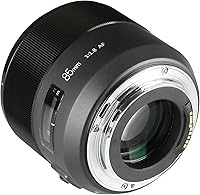
  • Lens Mount: Designed exclusively for the Canon EOS EF mount, compatible with a broad range of Canon full-frame and APS-C DSLR bodies.
  • Autofocus: Autofocus is supported via standard electronic contacts, enabling phase-detection AF on compatible Canon DSLR bodies.
  • Firmware Port: Includes a USB port on the lens barrel for direct firmware updates, an uncommon feature in this price category.
  • APS-C Equivalent: On APS-C Canon bodies with a 1.6x crop factor, the effective field of view is approximately equivalent to a 136mm lens.
  • Field of View: Offers a horizontal angle of view of 16 degrees, vertical of 24 degrees, and a diagonal of 28.5 degrees on full-frame sensors.
  • Dimensions: Measures 6.06 x 5 x 5 inches, making it a moderately sized prime lens that balances portability with a solid in-hand feel.
  • Weight: Weighs 14.8 ounces (approximately 420 grams), light enough for extended handheld sessions without significant fatigue.
  • Full-Frame Support: Fully compatible with Canon full-frame DSLR bodies, covering the entire sensor without vignetting under normal shooting conditions.
  • Market Tier: Positioned as a budget-to-mid-range third-party option, aimed at hobbyists and beginners rather than professional or studio photographers.
  • Seller Ranking: Ranked #131 in the SLR Camera Lenses category on Amazon, indicating a consistent and established sales presence in its segment.
  • User Rating: Holds a 4.1-star average rating based on approximately 787 customer reviews, reflecting general satisfaction with realistic trade-offs acknowledged.
  • Manufacturer: Produced by Meike, a third-party optical manufacturer known for affordable lenses and accessories for major camera systems.

Related Reviews

JINTU 85mm f/1.8 Portrait Lens for Canon EF/EF-S Mount
81%
91%
Image Quality
88%
Build Quality
85%
Manual Focus Control
92%
Aperture Performance
87%
Value for Money
More
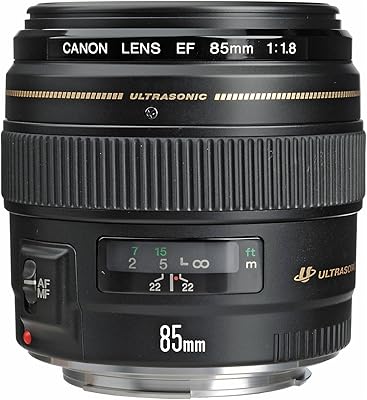
Canon EF 85mm f/1.8 USM Lens
86%
91%
Image Sharpness
93%
Bokeh Quality
88%
Autofocus Speed
94%
Autofocus Noise
86%
Low-Light Performance
More
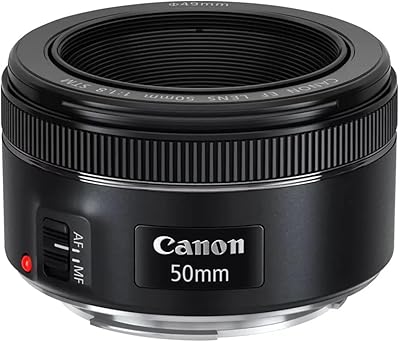
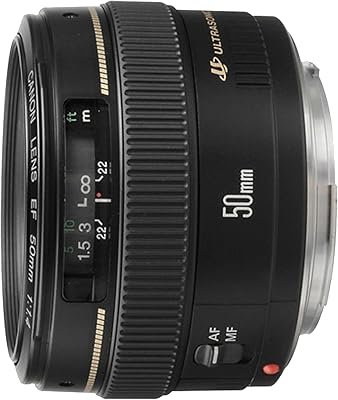
Canon EF 50mm f/1.8 STM Lens
79%
83%
Image Sharpness
88%
Bokeh & Background Separation
81%
Low-Light Performance
72%
Autofocus Speed & Accuracy
91%
Autofocus Noise
More
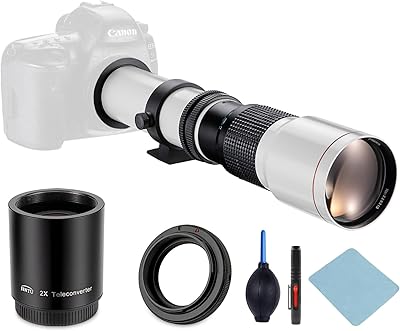
JINTU 500-1000mm f/8 Telephoto Lens for Canon EF Cameras
79%
88%
Value for Money
91%
Sharpness at Distance
82%
Manual Focus Control
84%
Build Quality
95%
Compatibility with Canon EF Cameras
More
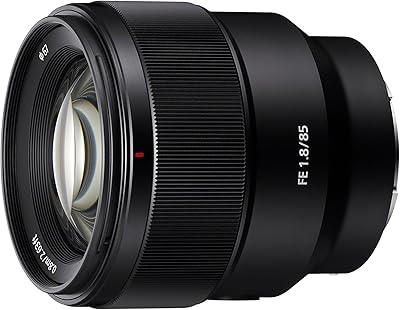
Sony SEL85F18 85mm F/1.8 Prime Lens
81%
91%
Autofocus Speed & Accuracy
93%
Bokeh Quality
88%
Image Sharpness
82%
Chromatic Aberration Control
89%
Autofocus Noise
More
Canon EF 50mm f/1.4 USM Camera Lens
80%
91%
Bokeh & Background Separation
88%
Low-Light Performance
84%
Autofocus Speed & Accuracy
63%
Sharpness Wide Open
78%
Build Quality & Feel
More
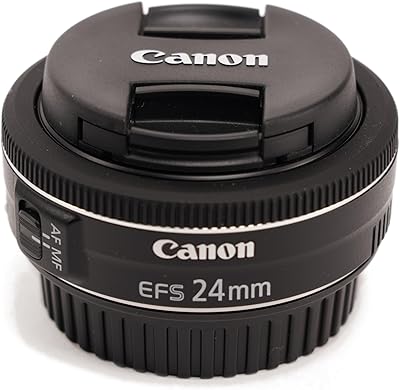
Canon EF-S 24mm f/2.8 STM Lens
79%
88%
Image Sharpness
82%
Autofocus Performance
61%
Build Quality
96%
Portability & Size
74%
Low-Light Capability
More
BENOISON 85mm f/1.8 Portrait Prime Lens
76%
83%
Bokeh & Background Separation
88%
Value for Money
71%
Build Quality & Feel
74%
Optical Sharpness (Center)
66%
Manual Focus Accuracy
More
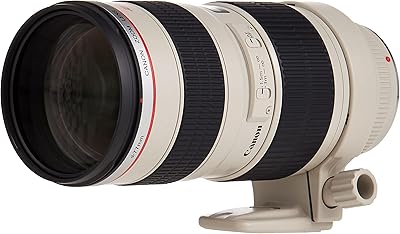
Canon EF 70-200mm f/2.8L USM Telephoto Zoom Lens
82%
91%
Autofocus Speed
93%
Image Sharpness
94%
Build Quality
92%
Aperture Consistency
89%
Bokeh & Subject Separation
More
Meike 85mm F1.8 Nikon F Portrait Lens
75%
91%
Value for Money
76%
Image Sharpness
83%
Bokeh Quality
61%
Autofocus Speed
72%
Autofocus Accuracy
More

FAQ

Yes, the Meike 85mm f/1.8 Canon EF Telephoto Lens is designed specifically for the Canon EF mount and works with full-frame bodies including the 5D series, 6D series, and 1D series. Autofocus and electronic communication should function normally on these bodies.
Honestly, there is a noticeable gap. Canon's native 85mm focuses faster and hunts less in low light. The Meike 85mm holds its own in decent lighting conditions, but if you're shooting fast-moving subjects or dimly lit venues, you'll feel the difference. For slower-paced portrait work, it's generally adequate.

Absolutely. The EF mount is compatible with both full-frame and APS-C Canon DSLRs. On a crop-sensor body, the effective focal length becomes roughly 136mm, which works well for tighter portraits or subjects at a moderate distance.

It allows you to connect the lens directly to a computer to apply firmware updates released by Meike. In practice, this is useful if Meike addresses autofocus calibration or compatibility issues down the line. That said, firmware support from third-party manufacturers isn't always consistent long-term, so treat it as a nice-to-have rather than a guaranteed ongoing benefit.

Center sharpness is solid, especially once you stop down to around f/2.8 or f/4. Wide open at f/1.8, corners soften noticeably, but for portrait photography where your subject is typically centered, this matters less. Expect some chromatic aberration in high-contrast scenes, which is manageable in post-processing.

The minimum focus distance is 0.85 meters, which is roughly 2.8 feet. That's standard for an 85mm prime, but it does mean this 85mm prime is not suitable for close-up or macro photography. For standard portrait distances, it works fine.

The build is primarily plastic, which does feel noticeable when you pick it up alongside a Canon L-series or Sigma Art lens. That said, most users report it feels sturdy enough for regular use — it doesn't rattle or feel flimsy. Long-term durability under heavy professional use is a more open question, but for hobbyist shooting it appears to hold up reasonably well.

It uses a 67mm filter thread, which is one of the more common sizes in photography. You'll have no trouble finding circular polarizers, UV filters, or variable ND filters in this size from brands like Hoya, B+W, or Tiffen at a wide range of price points.

It's one of the more practical entry points if you're on a budget and shoot with a Canon DSLR. This third-party portrait lens lets you experience what a fast 85mm prime actually does for your images without a major financial commitment. If you find yourself reaching for it constantly, you'll have a clearer sense of whether upgrading to a pricier option is worth it for your style of shooting.

At f/1.8, background blur is definitely present and looks reasonably smooth in most situations. It doesn't have the creamy, almost liquid quality you get from the Canon EF 85mm f/1.2L or the Sigma Art 85mm, but for the price, it produces background separation that reads well in portraits. Busy or high-contrast backgrounds can reveal some slight nervousness in the out-of-focus areas, but in typical portrait environments it's pleasing enough.