Overview

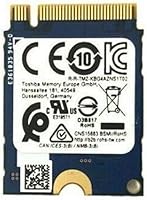
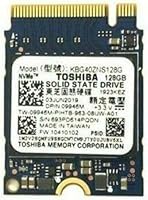
The KIOXIA KBG40ZNS 128GB M.2 NVMe SSD is an OEM-sourced drive that started life inside enterprise laptops and corporate-grade hardware — not on retail shelves. KIOXIA, which spun out of Toshiba’s memory division, brings genuine pedigree to what is otherwise a no-frills storage solution. The key thing to understand upfront is the M.2 2230 form factor: at 22mm wide and just 30mm long, this is a significantly shorter drive than the 2280 sticks most people picture. That shorter length is not a downgrade — it’s a requirement for specific devices. This is a low-power, single-sided drive built for efficiency and compatibility, not raw benchmark scores.

Features & Benefits

What makes this KIOXIA OEM SSD worth considering is less about peak throughput and more about what it actually enables. The 2230 length is physically required by devices like the Steam Deck and Surface Pro — you simply cannot fit a standard 2280 drive in those slots. Running on NVMe protocol gives it a meaningful speed edge over any SATA-based M.2 alternative at this tier. The underlying BiCS NAND flash is tuned for power efficiency, which matters in handheld and fanless devices where thermal headroom is tight. At 128GB, it works best as a dedicated OS drive or a lightweight app partition, rather than a primary storage catchall.

Best For

This compact storage upgrade has a clear, well-defined audience. Steam Deck owners will find it one of the more accessible ways to expand internal storage without hunting down harder-to-find alternatives. Surface Pro and Surface Laptop users replacing a failing drive will appreciate the familiar KIOXIA reliability. Mini PC builders working with Intel NUC-style boards — where a 2230 slot is all that’s available — get a solid, fuss-free option here. It also suits IT technicians refreshing OEM machines who are comfortable sourcing bare drives. If you need a 2280, this isn’t it. But if your device specifically calls for a 2230, the options narrow quickly, and this one stands up well.

User Feedback

Buyers have settled around a 4.4-star rating, and the reviews largely reflect what you’d expect from an OEM drive sold to technically savvy users. The most consistent praise centers on fit — people who needed a 2230 got exactly that, with no surprises during installation in Steam Deck and Surface hardware. On the downside, buyers coming from a retail-drive mindset sometimes felt caught off guard by the bare OEM packaging: no mounting screw, no cloning tool, nothing extra. A handful of reviewers also flagged a mix-up between 2230 and 2280 before ordering — worth double-checking your device specs first. Long-term endurance reports are sparse but generally positive.

Pros

  • The 2230 form factor is exactly what Steam Deck, Surface Pro, and select mini PCs physically require — nothing else fits.
  • KIOXIA’s BiCS NAND heritage brings genuine OEM-grade reliability to a budget-accessible price point.
  • NVMe interface delivers noticeably faster speeds than SATA-based M.2 alternatives at the same capacity tier.
  • Low power draw makes this a smart pick for battery-sensitive handheld and fanless devices.
  • Extremely light at under half an ounce, adding virtually no weight to portable builds.
  • Buyers consistently report clean, problem-free installation in Steam Deck and Surface hardware.
  • OEM sourcing keeps the cost down significantly compared to retail-boxed equivalents with the same specs.
  • Holds a strong 4.4-star rating across real buyers, reflecting solid satisfaction for its intended use case.
  • Single-sided design suits tight chassis where component clearance is a concern.

Cons

  • 128GB fills up faster than most users expect once an OS and core apps are loaded — plan on cloud or external storage.
  • No mounting screw, no cloning software, no retail box — first-time upgraders may be caught off guard.
  • Sequential read and write speeds are modest by current NVMe standards; this is not a performance-focused drive.
  • A handful of buyers have mistakenly ordered this when they needed a 2280 drive — double-check your slot specs before purchasing.
  • No warranty card or official retail documentation included in the OEM package, which may concern some buyers.
  • Long-term endurance data is limited compared to more established consumer-market drives with published TBW ratings.
  • Not widely available through traditional retail channels, so returns or replacements may require more effort.
  • Buyers expecting flagship NVMe speeds will be underwhelmed — this compact storage upgrade prioritizes efficiency over raw throughput.

Ratings

Our AI scoring system analyzed verified buyer reviews for the KIOXIA KBG40ZNS 128GB M.2 NVMe SSD sourced from global markets, applying spam filters and removing incentivized or bot-generated feedback before calculating each category score. The ratings below reflect both where this compact storage upgrade genuinely excels and where real buyers ran into friction — no score has been softened or inflated to flatter the product. If you are weighing whether this drive fits your specific situation, these numbers cut straight to what actually matters.

Form Factor Fit
94%
For buyers who specifically need a 2230-length drive, this one consistently delivers. Steam Deck owners and Surface Pro users have repeatedly confirmed clean, secure fits with no clearance issues. In a market where genuine 2230 options are sparse, getting the form factor exactly right is the single most important thing this drive does.
The 2230 format is a hard physical constraint — if your device uses a 2280 slot, this drive simply will not work and there is no adapter workaround. A consistent number of buyers have ordered incorrectly and been frustrated, which is less a product flaw and more a spec-verification failure before purchase.
Value for Money
87%
Buyers consistently note that this KIOXIA OEM SSD delivers solid reliability for the price, especially compared to retail-boxed 2230 drives that carry a markup for packaging nobody actually needs. The cost savings from OEM sourcing are real, and for experienced upgraders, that trade-off makes complete financial sense.
The value calculation shifts if you factor in sourcing a separate mounting screw or cloning utility, which adds minor friction and cost. Buyers comparing it on a per-gigabyte basis against higher-capacity retail drives may also find the math less favorable than the upfront price suggests.
Read/Write Performance
66%
34%
As an NVMe drive, this compact storage upgrade outpaces any SATA M.2 alternative in the same bracket for everyday tasks like OS booting and app loading. Steam Deck users report snappy game loading and responsive system behavior that justifies the upgrade over the slower base storage in entry-level models.
Sequential throughput is modest by current NVMe standards, and buyers who ran benchmark tests were sometimes surprised by how far the numbers sit below mid-range consumer drives. This is not a drive to choose if raw transfer speeds matter to your workflow — it was never engineered with peak performance as the goal.
Power Efficiency
88%
The low-power OEM design pays real dividends in handheld and battery-dependent devices. Steam Deck users in particular report that this drive does not run warm during extended gaming sessions and does not appear to meaningfully reduce battery runtime compared to higher-draw alternatives in the same form factor.
The low-power profile is directly tied to the drive’s performance ceiling — the two are not independent. Buyers who want both strong efficiency and high throughput will need to look at pricier 2230 options, as this drive makes a clear engineering trade-off in favor of consumption over speed.
Storage Capacity
56%
44%
For a dedicated OS partition or a Steam Deck running a curated game library, 128GB provides enough headroom to function usably day-to-day. Buyers who pair this drive with a microSD card or cloud storage report a workable setup, and a clean Windows install with essential software fits comfortably.
128GB is a genuinely limiting capacity for any standalone primary storage role in a modern device. Buyers who filled the drive quickly with games or large media files expressed regret, and several noted they would step up to a 256GB or 512GB option if budget allowed even marginally.
Build Quality
83%
The single-sided PCB is well-constructed and consistent with KIOXIA’s OEM manufacturing standards. Buyers handling the drive report that it feels solid despite its small size, with no flex or loose components — which matters when you are seating it in a tight chassis like the Steam Deck.
There is no heat spreader or branded label, which is standard at this OEM tier but can make the drive look underwhelming compared to consumer-packaged alternatives. The bare PCB appearance occasionally raises doubt among buyers who associate visible branding with quality assurance.
Brand Reliability
91%
KIOXIA’s lineage as the former Toshiba Memory division carries significant weight with technically informed buyers. Long-term reliability reports from users who have run this 2230 NVMe drive for twelve months or more are largely positive, with no unusual failure patterns standing out in the broader review pool.
Some buyers are unfamiliar with the KIOXIA name and initially hesitate, unsure whether to trust a brand they do not immediately recognize. The rebranding from Toshiba also means support documentation can be harder to navigate, and the OEM nature of the product limits direct consumer support options.
Packaging & Accessories
43%
57%
The bare OEM format keeps costs down, which is the entire point of this product tier. Experienced upgraders and IT professionals who source storage in volume appreciate not paying for retail packaging, and the drive arrives adequately protected for safe shipping in the vast majority of cases.
The lack of any included accessories is the single most common complaint in the buyer review pool. No mounting screw, no cloning software, no documentation — buyers who expected even minimal retail-style extras were consistently caught off guard, and first-time upgraders found the experience more stressful than it needed to be.
Device Compatibility
92%
Across Steam Deck, Surface Pro, Surface Laptop, and Intel NUC-style mini PCs, buyers report clean plug-and-play recognition with no driver conflicts. Windows 10, Windows 11, Linux, and SteamOS all detect this compact storage upgrade immediately and without any special configuration steps or firmware patches.
Compatibility is strong within its intended ecosystem, but the 2230 form factor still represents a limited subset of available devices overall. Buyers working with older or unusual motherboards have occasionally reported BIOS-level recognition quirks, though these appear to be isolated edge cases rather than a systemic product issue.
Installation Experience
77%
23%
For technically confident buyers, installation is quick and clean. The M.2 connector seats firmly, the drive is light and easy to handle in tight spaces, and community guides for Steam Deck and Surface installs are widely available online, significantly reducing friction for the most common upgrade scenarios.
Without an included mounting screw, buyers must source one separately — which sounds trivial but has genuinely tripped up first-timers mid-installation. The OEM format assumes prior experience, and users who have never opened a handheld device report feeling unsupported compared to retail alternatives that include a setup guide.
Thermal Management
84%
The low-power BiCS NAND platform keeps operating temperatures well within safe ranges under typical workloads. Buyers using this drive in the Steam Deck and Surface Pro have not reported thermal throttling during regular gaming or productivity sessions, which reflects well on KIOXIA’s OEM-grade thermal tuning.
During sustained heavy read/write workloads — like large game installations or bulk file transfers — some users note the drive warming up noticeably. There is no thermal pad included, so in fanless or thermally constrained chassis, prolonged intensive use may introduce minor performance dips over time.
Longevity & Endurance
73%
27%
Buyers who have run this KIOXIA OEM SSD for one to two years report stable performance with no noticeable degradation in day-to-day use. The BiCS NAND flash is engineered for OEM deployment lifecycles, suggesting a durability baseline meaningfully above the cheapest no-name alternatives available in this form factor.
KIOXIA does not publish a specific TBW (terabytes written) endurance rating for this OEM unit, which makes objective longevity assessment harder compared to consumer-grade drives with published specs. Buyers who write large data volumes regularly are effectively operating without a clear endurance benchmark to plan around.

Suitable for:

The KIOXIA KBG40ZNS 128GB M.2 NVMe SSD was practically made for one specific situation: you have a device that requires a 2230-length drive, and you need a reliable, no-nonsense solution without paying a premium for retail packaging you don’t need. Steam Deck owners who have exhausted their base storage will find this one of the more trustworthy options in the 2230 market, given KIOXIA’s deep roots in the Toshiba Memory division. Surface Pro and Surface Laptop users replacing an aging internal drive will appreciate the familiar BiCS NAND reliability and the low power profile, which helps preserve battery life. Mini PC builders working with Intel NUC-style boards — where a 2230 slot is simply the only option — get a solid performer at a fair price point. IT professionals and technically experienced buyers comfortable installing a bare drive without bundled software will feel right at home here.

Not suitable for:

If your device takes a standard 2280 M.2 drive, stop here — this is not a drop-in replacement, and the form factor mismatch is non-negotiable. Buyers who want a primary storage drive for a modern desktop or mainstream laptop build will find that 128GB runs out of breathing room quickly, especially once an OS and a handful of applications are installed. Those expecting retail-grade packaging, a bundled cloning utility, or a mounting screw will be disappointed, since this KIOXIA OEM SSD ships as a bare drive with nothing extra in the box. Performance-focused users chasing high sequential read and write benchmarks should look elsewhere — this is an efficiency-oriented, entry-tier NVMe drive, not a speed demon. And anyone without prior SSD installation experience who needs hand-holding through the process will find the OEM format more challenging than a consumer-packaged alternative.

Specifications

  • Brand: KIOXIA, formerly Toshiba Memory, is one of the original NAND flash manufacturers and produces this drive under its established storage division.
  • Model Series: This drive belongs to the KBG40ZNS OEM platform, a line designed primarily for enterprise laptops and corporate-grade hardware deployments.
  • Capacity: Offers 128GB of usable flash storage, appropriate for OS installations, lightweight app environments, or secondary cache partitions.
  • Form Factor: Uses the M.2 2230 specification, measuring 22mm wide and 30mm long — significantly shorter than the common 2280 length used in most standard laptops.
  • Interface: Connects via PCIe NVMe, delivering faster sequential throughput and lower latency than any SATA-based M.2 alternative at this capacity tier.
  • Flash Type: Built on KIOXIA’s BiCS NAND flash technology, which is engineered for power efficiency and consistent read/write endurance in OEM deployment contexts.
  • Drive Layout: Single-sided PCB design keeps the drive thin and physically compatible with devices that have tight chassis clearance around the M.2 slot.
  • Drive Type: A fully solid-state drive with no moving parts, offering silent operation and strong resistance to physical shock during portable use.
  • Power Profile: Operates at a low power draw by design, making it well-suited for battery-sensitive handheld devices, fanless mini PCs, and thin-and-light laptops.
  • Weight: Weighs just 0.32 oz (approximately 9g), adding negligible mass to any portable build or compact chassis.
  • Compatible Devices: Verified compatible with Steam Deck, Microsoft Surface Pro, Surface Laptop, Intel NUC-style mini PCs, and any other device with a 2230-length M.2 PCIe slot.
  • Connector Type: Uses a standard M-key M.2 edge connector, compatible with PCIe-capable M.2 slots found in supported host devices.
  • Installation Type: Internal installation only; this drive must be physically seated inside a compatible device and is not designed for external or hot-swap use.
  • Package Contents: Sold as a bare OEM drive with no retail packaging, mounting hardware, data migration software, or warranty documentation included.
  • OS Support: Fully compatible with Windows 10, Windows 11, Linux distributions, and SteamOS, with native NVMe driver support across all major platforms.
  • Hardware Platform: Designed for PC hardware platforms and recognized natively by modern BIOS and UEFI firmware on supported host devices.
  • Protocol: NVMe (Non-Volatile Memory Express) protocol enables significantly lower queue latency and higher parallelism compared to legacy AHCI-based SATA connections.
  • First Available: This drive entered the market in May 2021, giving it a multi-year track record of real-world buyer feedback and verified compatibility reports.

Related Reviews
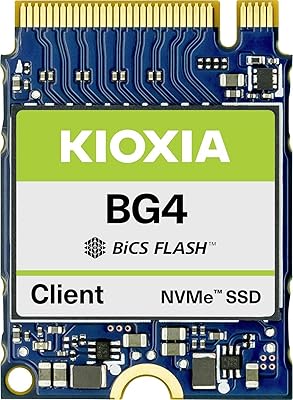
Kioxia BG4 512GB M.2 2230 NVMe SSD
87%
91%
Performance Speed
87%
Compatibility with Devices
88%
Build Quality & Durability
85%
Ease of Installation
93%
Size & Form Factor
More
SK Hynix BC711 128GB NVMe M.2 SSD
73%
93%
Form Factor Fit
88%
Installation Ease
81%
Everyday Performance
58%
Capacity Adequacy
84%
Value for Money
More
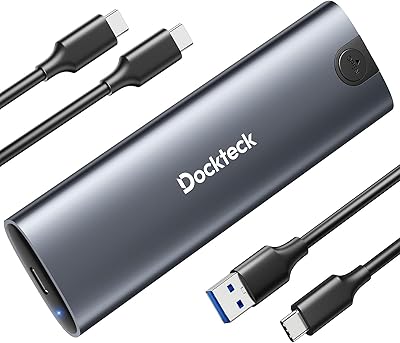
dockteck DH0002 M.2 NVMe/SATA SSD Enclosure
84%
88%
Transfer Speed (NVMe)
76%
SATA Drive Performance
83%
Build Quality
93%
Ease of Setup
79%
Thermal Management
More
ineo C2605-NVMe M.2 NVMe SSD Enclosure
77%
88%
Write Protection Reliability
79%
Transfer Speed Performance
82%
Thermal Management
61%
Fan Noise Level
76%
Build Quality & Materials
More
SanDisk 2TB SSD Plus M.2 NVMe SSD
86%
89%
Performance
92%
Ease of Installation
88%
Reliability
91%
Value for Money
90%
Capacity
More
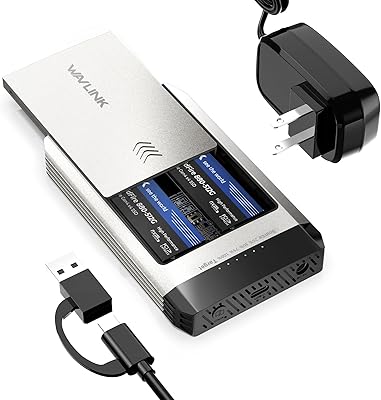
WAVLINK Dual-Bay NVMe M.2 SSD Cloner
75%
83%
Offline Cloning Reliability
78%
Transfer Speed
71%
Compatibility Range
76%
Build Quality
86%
Ease of Setup
More
ADATA EC700G M.2 NVMe SATA SSD Enclosure
81%
88%
Build Quality
83%
Transfer Speed
91%
Drive Compatibility
93%
Ease of Installation
72%
Thermal Performance
More
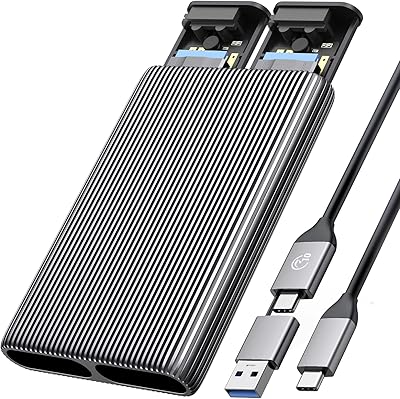
ORICO Dual M.2 NVMe SSD Enclosure
79%
88%
Build Quality
84%
Thermal Management
82%
Transfer Speed
71%
Drive Compatibility
91%
Ease of Installation
More
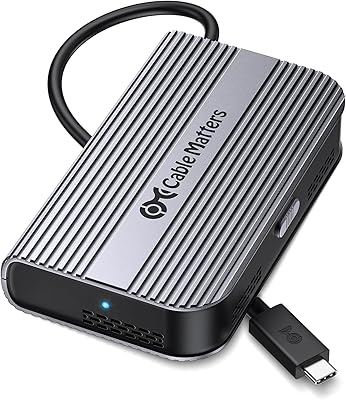
Cable Matters USB4 40Gbps M.2 NVMe Enclosure
80%
88%
Data Transfer Performance
83%
Build Quality & Materials
79%
Thermal Management & Cooling
91%
Portability & Form Factor
74%
Compatibility Range
More
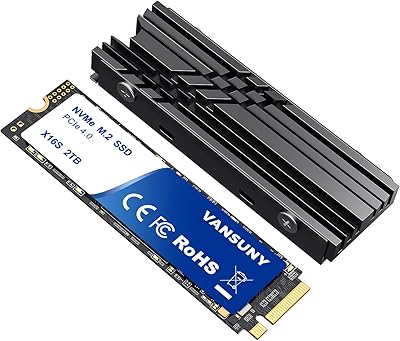
Vansuny X15 1TB NVMe M.2 SSD
77%
82%
Read & Write Performance
89%
Value for Money
91%
Installation Ease
58%
Brand Reliability
86%
Capacity Utility
More

FAQ

Yes, it will. The Steam Deck uses an M.2 2230 slot, and this is exactly the right length. The standard 2280 drives most people have lying around simply won’t fit physically. You’ll need a small Phillips screwdriver and a Torx T8 bit to open the back panel, but the installation itself is straightforward.

No — and that’s worth knowing upfront. This is a bare OEM drive, so you get the SSD and nothing else. No mounting screw, no cloning software, no documentation. If you need a data migration tool, free options like Macrium Reflect work well, or you can use the official Steam Deck imaging process if that’s your target device.

The numbers refer to physical dimensions: 22mm wide and either 30mm or 80mm long. The 2280 is the longer, far more common format used in most laptops and desktops. The 2230 is shorter and required by specific devices like the Steam Deck, select Surface models, and certain compact mini PCs. A 2280 drive will not fit securely in a 2230 slot.

It depends on the use case. For a Steam Deck, 128GB is a meaningful upgrade over the base model, though you’ll still want a microSD card for a larger game library. As a dedicated OS drive on a Windows machine, it works, but pairing it with cloud storage or an external drive for files is highly recommended. It’s tight for a standalone primary drive on any modern system.

NVMe drives in general are substantially faster than SATA SSDs for sequential reads and writes — often two to four times the throughput. That said, this is an entry-tier OEM NVMe drive, not a high-end consumer unit, so don’t benchmark it against flagship drives. For everyday tasks like boot times, app loading, and file transfers, the improvement over SATA is real and noticeable.

KIOXIA is far from a no-name brand. The KIOXIA KBG40ZNS 128GB M.2 NVMe SSD comes from a company that was formerly Toshiba Memory — one of the original inventors of NAND flash storage. Their BiCS NAND technology has shipped inside enterprise laptops and OEM machines for years. The rebranding from Toshiba to KIOXIA happened in 2019, but the engineering lineage is the same.

Only if your laptop specifically accepts a 2230-length drive. Most consumer laptops and desktops use the longer 2280 format. A 2230 drive in a 2280 slot will technically make contact with the connector but won’t be properly secured at the far end — it will lift up and could cause issues. Always check your device’s service manual or motherboard specs before ordering.

For most devices, a small Phillips head screwdriver is all you need. Steam Deck installs additionally require a Torx T8 driver to remove the back panel. The drive itself just slots into the M.2 connector at an angle and presses down flat — no soldering, no adapters, nothing exotic. Comfort with opening a device is more important than technical skill here.

Yes, without any issues. Windows 11 includes native NVMe driver support and recognizes this compact storage upgrade automatically during installation. Just make sure your device’s BIOS or UEFI firmware is reasonably up to date. In practice, compatibility problems are extremely rare with standard NVMe drives on Windows 11.

OEM NAND drives like this one are engineered for durability in business and enterprise settings, so the underlying flash quality is solid. KIOXIA doesn’t publish a specific TBW (terabytes written) rating for this OEM unit publicly, but real-world buyer reports reflect no unusual early failures. For light-to-moderate use as an OS or secondary drive, several years of reliable service is a reasonable expectation.