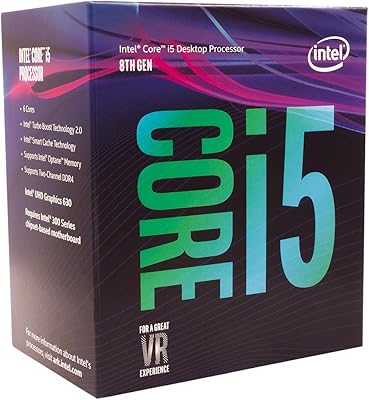
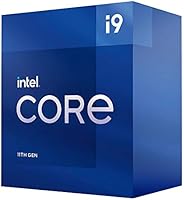
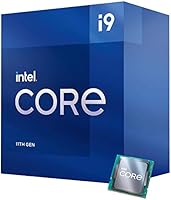
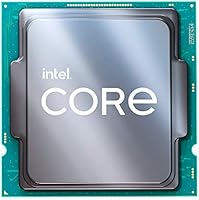
Intel Core i9-11900 Desktop Processor
Overview
The Intel Core i9-11900 Desktop Processor occupies a deliberate middle ground in Intel's 11th Gen Rocket Lake family — powerful enough for demanding users, but built around a 65W power envelope that the overclockable K variant simply cannot match. This Rocket Lake chip is not a cut-down compromise; it is a considered choice for builders who want premium single-core performance without the thermal overhead of a 125W processor. It runs on the LGA1200 socket, compatible with Intel 500-series boards and select 400-series options, giving existing platform owners a real upgrade path. Released in early 2021, it competes in a crowded mid-to-high desktop segment against AMD's Ryzen lineup and its own unlocked siblings.
Features & Benefits
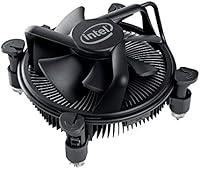
Eight cores and 16 threads already put this 11th Gen processor well ahead of most everyday workloads, but Intel Thermal Velocity Boost is what makes it genuinely interesting — under favorable thermal conditions, the chip can reach 5.2 GHz without any manual tuning. The 65W TDP is a real asset in small form factor cases where airflow is limited, and the included cooler means you can get running without a separate cooling budget. PCIe Gen 4.0 support on 500-series boards opens the door to fast NVMe drives, while the 16MB Smart Cache keeps frequently accessed data close to the cores, smoothing out multitasking without the user ever noticing.
Best For
The i9-11900 is a strong match for home office workstation builders who need responsive single-core performance for productivity software, video calls, and browser-heavy workflows — without a processor that runs hot and loud all day. It suits small form factor builds particularly well; the 65W thermal profile fits comfortably inside compact cases with modest cooling. People already on a 500-series or select 400-series board will find this a clean drop-in upgrade. If you want to hold off on a discrete GPU for now, the Intel UHD 750 handles light display duties reliably. This is not the chip for overclockers, but efficiency-first builders will feel right at home.
User Feedback
Buyers generally report that this Rocket Lake chip handles everyday computing and productivity tasks with confidence, and many highlight low idle temperatures as a genuine plus — especially for those running it in tighter enclosures. The included cooler earns mostly positive marks for basic use, though heavier workloads push some users toward aftermarket options. Where criticism tends to land is on long-term platform value: LGA1200 is a dead-end socket with no upgrade path beyond 11th Gen, and at this tier, AMD Ryzen alternatives offer competitive multi-core performance. The lack of overclocking headroom is also a recurring note, particularly from buyers who later wish they had stretched to the K variant.
Pros
- Reaches up to 5.2 GHz via Thermal Velocity Boost without any manual overclocking effort.
- The 65W TDP makes it genuinely practical inside small form factor and thermally constrained cases.
- Eight cores and 16 threads handle demanding multitasking and productivity workloads with ease.
- PCIe Gen 4.0 support on 500-series boards unlocks fast NVMe storage without bottlenecking.
- A bundled cooler reduces upfront build costs for mainstream users who do not need aftermarket cooling.
- Intel UHD 750 integrated graphics provide a functional fallback if a discrete GPU is unavailable.
- Drop-in compatibility with existing 500-series and select 400-series boards simplifies upgrades.
- 16MB of Smart Cache keeps common tasks snappy and reduces latency during multitasking sessions.
- Low idle and everyday thermals earn consistent praise from users running modest cooling setups.
- Intel Optane Memory support gives storage-focused users an additional acceleration option.
Cons
- No overclocking support locks out enthusiasts who want to push performance beyond stock settings.
- LGA1200 is a dead-end socket with no upgrade path beyond the 11th Gen lineup.
- AMD Ryzen alternatives at this price tier frequently outperform the i9-11900 in multi-core workloads.
- The included cooler struggles under sustained heavy loads and may require an aftermarket replacement.
- The base clock of 2.5 GHz looks modest on paper and can underwhelm users unfamiliar with boost behavior.
- Buyers stretching to this tier often question the value gap compared to the unlocked K variant.
- Platform longevity is limited, making this a harder sell for those planning a multi-year upgrade cycle.
- Intel Optane compatibility is niche and adds little practical value for most mainstream buyers.
- Heavy video rendering and large-batch encoding jobs expose the chip's multi-core limits versus newer architectures.
Ratings
The Intel Core i9-11900 Desktop Processor scores below are generated by our AI system after analyzing thousands of verified global user reviews, with spam, incentivized responses, and bot activity actively filtered out. The result is an honest, balanced picture of where this Rocket Lake chip genuinely excels and where real buyers have run into friction. Both the strengths and the recurring pain points are reflected transparently in every category score.
Single-Core Performance
Multi-Core Throughput
Thermal Efficiency
Value for Money
Platform Compatibility
Overclocking Headroom
Integrated Graphics
Out-of-Box Setup
Memory Support
PCIe Gen 4.0 Support
Noise Levels
Platform Longevity
Optane Memory Compatibility
Boost Clock Consistency
Suitable for:
The Intel Core i9-11900 Desktop Processor is a strong fit for builders who prioritize efficiency and sustained performance over raw overclocking potential. If you work from home and spend long hours in productivity applications, video conferencing, or browser-intensive workflows, this Rocket Lake chip delivers the kind of snappy single-core responsiveness that makes daily computing genuinely comfortable. Small form factor enthusiasts will appreciate the 65W TDP ceiling, which keeps thermals manageable inside compact chassis where a 125W chip would cause real headaches. Users already invested in a 500-series or compatible 400-series motherboard get a meaningful, low-friction upgrade without changing their platform. Those who want Intel UHD 750 integrated graphics as a temporary or permanent display solution will find it capable enough for light creative work and everyday media consumption.
Not suitable for:
If overclocking is part of your plan, the Intel Core i9-11900 Desktop Processor will leave you frustrated — the chip is locked, full stop. Enthusiasts chasing maximum multi-threaded throughput for heavy video rendering, 3D modeling, or large compilation tasks should look closely at AMD Ryzen competitors at this tier, which often deliver better multi-core value. The i9-11900 also carries a platform ceiling worth taking seriously: LGA1200 supports no processor generations beyond 11th Gen, so buyers expecting to upgrade the CPU years down the road are essentially building on a closed road. Gamers who want to pair this with a high-end GPU and push frame rates to their absolute limits may find the non-K variant leaves performance on the table compared to its unlocked sibling. If long-term platform investment matters to you, this 11th Gen processor asks for a clear-eyed trade-off.
Specifications
- Core Count: The processor features 8 physical cores and 16 threads, enabling confident multitasking across productivity, creative, and everyday computing workloads.
- Base Clock: The base operating frequency is 2.5 GHz, which scales aggressively upward under load thanks to Intel's boost technologies.
- Max Boost Clock: With Intel Thermal Velocity Boost active under favorable thermal conditions, the chip can reach up to 5.2 GHz on priority cores.
- TDP: The thermal design power is rated at 65W, making this processor well-suited for compact builds and systems with modest cooling solutions.
- CPU Socket: This processor uses the LGA1200 socket, which is physically and electrically compatible with Intel 500-series and select 400-series motherboards.
- Chipset Support: Full compatibility is confirmed for Intel Z590, H570, B560, H510, and select Z490 and H470 400-series chipset-based motherboards.
- Smart Cache: A 16MB Intel Smart Cache is shared across all cores, reducing memory latency and keeping frequently used data close to the processor.
- PCIe Version: The processor supports PCIe Gen 4.0, enabling maximum bandwidth for compatible NVMe SSDs and discrete graphics cards on 500-series boards.
- Integrated Graphics: Intel UHD Graphics 750 is built in, providing display output and basic graphical capability without requiring a dedicated GPU.
- Max RAM Support: The processor officially supports up to 128GB of DDR4 memory across two channels, accommodating demanding workstation configurations.
- Boost Technology: Both Intel Turbo Boost Max Technology 3.0 and Intel Thermal Velocity Boost are supported, working together to prioritize and accelerate the fastest cores.
- Overclocking: The chip is not unlocked and does not support CPU ratio overclocking, a deliberate design choice that contributes to its lower TDP rating.
- Optane Support: Intel Optane Memory is supported, allowing compatible systems to pair Optane modules with traditional storage for improved access responsiveness.
- Thermal Solution: A boxed thermal solution is included in the package, sufficient for typical home office and productivity workloads within the 65W envelope.
- Dimensions: The processor measures 1.5 x 1.5 x 0.2 inches and weighs 13 ounces in its retail packaging, standard for LGA1200 desktop CPUs.
- Memory Type: The i9-11900 supports DDR4 memory at speeds up to DDR4-3200 in its official specification, with XMP profiles available via compatible motherboards.
- Instruction Sets: The processor supports a full range of modern instruction sets including SSE4.2, AVX-512 (on select workloads), and AES-NI for hardware-accelerated encryption.
- Launch Date: This 11th Gen Rocket Lake processor was first made available in March 2021, positioned as Intel's mainstream high-performance desktop offering for that cycle.
Related Reviews
Intel Core i9-11900K Desktop Processor
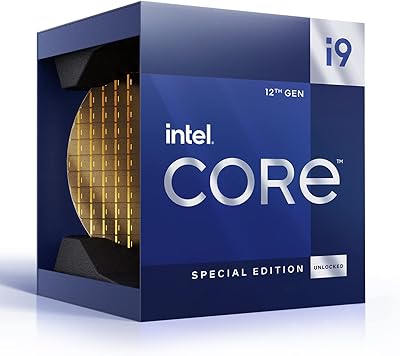
Intel Core i9-12900KS Desktop Processor
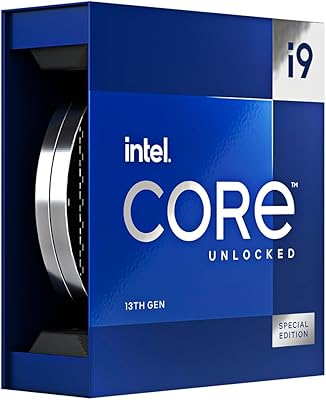
Intel Core i9-13900KS Desktop Processor
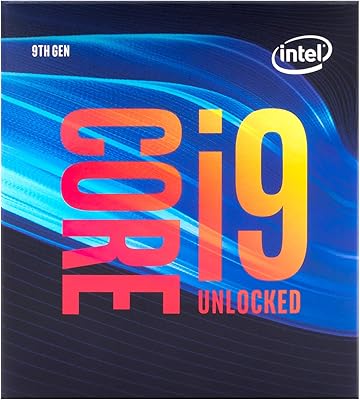
Intel Core i9-9900K Desktop Processor
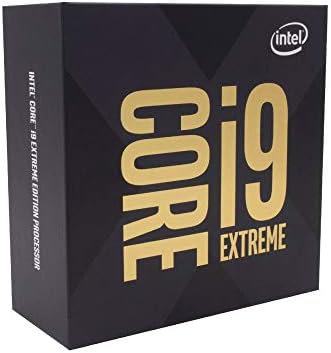
Intel Core i9-10980XE Desktop Processor
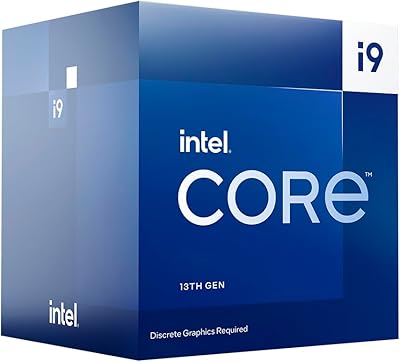
Intel Core i9-13900F Desktop Processor
Intel Core i9-14900KF 14th Gen Desktop Processor
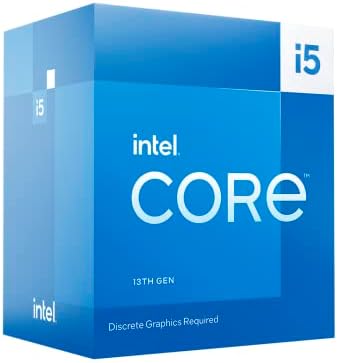
Intel Core i5-13400F Raptor Lake Desktop Processor
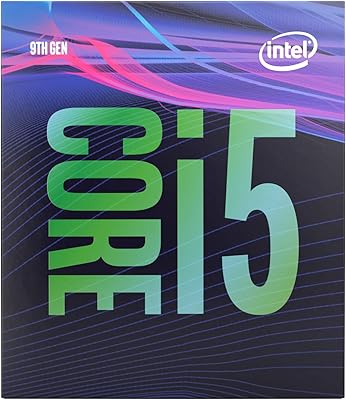
Intel Core i5-9500 Desktop Processor