Overview

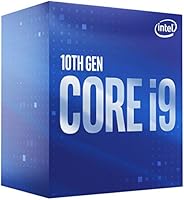
The Intel Core i9-10900 Desktop Processor represents Intel's 10th-generation Comet Lake push into the mainstream high-performance desktop market. Built on the LGA1200 socket and compatible with 400-series chipsets, this 10th-gen Core i9 arrived at a time when AMD was applying serious competitive pressure with its Ryzen 5000 lineup. What made it stand out on paper was a 10-core, 20-thread configuration paired with a 65W TDP — unusually restrained for a chip of this class. That thermal ceiling made it a compelling option for builders who wanted serious multi-threaded grunt without designing their entire system around heat dissipation.
Features & Benefits

The i9-10900 pairs a 2.8GHz base clock with 4.5GHz Turbo Boost headroom, which means day-to-day tasks feel snappy and demanding workloads get the clock speed they need. Ten physical cores with Hyper-Threading push the thread count to 20, which matters when you are exporting a 4K timeline, running virtual machines, or juggling a creative suite alongside heavy browser usage. Dual-channel DDR4 support keeps memory bandwidth from becoming a bottleneck. Thermal behavior deserves an honest mention, though — while 65W looks modest on paper, sustained all-core loads can push temperatures higher than that figure implies, so a capable cooler is well worth budgeting for.

Best For

This Comet Lake chip is a solid fit for content creators who need reliable multi-core throughput without building a server-grade cooling setup. Think video producers rendering in Premiere, 3D artists working in Blender, or streamers encoding on the fly while gaming. It also suits home-office power users upgrading from older quad- or hexa-core platforms who want a tangible performance leap. That said, if raw single-threaded gaming is your only goal, a chip with higher boost clocks may edge this one out. The LGA1200 platform has no upgrade path beyond this generation, so factor that reality into your long-term build planning.

User Feedback

Buyers who picked up the i9-10900 largely come away satisfied, with multi-threaded workloads being the most frequently praised strength — video exports, compilation tasks, and productivity-heavy sessions all benefit noticeably. DDR4 compatibility also earned appreciation from builders reusing existing memory kits. On the critical side, thermal performance under extended heavy loads is a recurring concern, with some users wishing they had budgeted for a more capable aftermarket cooler from the start. Platform longevity draws comment too, since LGA1200 was effectively a one-generation socket. A smaller group of reviewers notes that AMD's Ryzen 9 rivals edge it out in specific multi-core benchmarks — a fair point worth factoring into your decision.

Pros

  • Ten cores and 20 threads handle demanding creative workloads — video exports, renders, and multitasking — without breaking a sweat.
  • The 65W TDP is impressively low for a 10-core chip, keeping thermals manageable with a decent mid-range cooler.
  • Turbo Boost up to 4.5GHz ensures responsive performance during single-threaded tasks and everyday use.
  • Dual-channel DDR4 support means builders can reuse existing memory kits without compatibility headaches.
  • Broad compatibility across Z490 and B460 motherboards gives builders plenty of board options at different price points.
  • Strong multi-threaded benchmark scores make it a credible workstation CPU for content creators on a budget.
  • Rated 4.6 out of 5 stars across over 100 real-world buyers — a consistently well-received chip in its class.
  • Runs quietly under moderate loads when paired with a quality cooler, making it suitable for noise-sensitive environments.

Cons

  • LGA1200 is a dead-end socket — there is no next-gen Intel CPU to upgrade to without replacing the motherboard entirely.
  • No cooler is included in the box, adding an overlooked but necessary cost to any build.
  • Sustained all-core loads can push temperatures higher than the 65W TDP figure suggests — thermal headroom is tighter than it looks.
  • AMD Ryzen 9 competitors match or beat the i9-10900 in several multi-core benchmarks, often on platforms with longer upgrade paths.
  • The 14nm lithography is aging, and the chip shows efficiency limitations compared to more modern process nodes.
  • Not ideal for pure gaming rigs where single-threaded speed and higher boost clocks matter most.
  • Builders planning frequent, aggressive workloads should budget for a capable aftermarket cooler from day one — it is not optional.

Ratings

The Intel Core i9-10900 Desktop Processor earns a strong overall reception from verified buyers worldwide, and the scores below reflect an AI-assisted analysis of real user feedback with spam, bot-generated, and incentivized reviews actively filtered out. This 10th-gen Core i9 lands well with content creators and power users, though a handful of recurring friction points around platform longevity and thermal expectations keep some categories from scoring higher. Both the genuine strengths and the honest trade-offs are reflected in every scorecard below.
Multi-Threaded Performance
91%
Users who push this chip through video exports, 3D renders, and heavy compilation tasks consistently report impressive throughput. The 10-core, 20-thread configuration handles simultaneous workloads — like running a Blender render while keeping a full browser session and communication tools open — without visible slowdown.
A minority of users doing sustained all-core workloads in applications like Cinebench or long FFmpeg encodes note that Ryzen 9 contemporaries can edge ahead in raw multi-core benchmarks. The gap is narrow for most real-world tasks but becomes more visible in highly parallelized professional pipelines.
Single-Threaded Speed
78%
22%
Day-to-day responsiveness — launching apps, browsing, and light creative work — feels snappy thanks to the 4.5GHz Turbo Boost ceiling. Users upgrading from older hexa-core or quad-core systems describe the perceived speed jump as immediately noticeable in routine computing.
Compared to newer-generation Intel and AMD chips, the single-threaded ceiling at 4.5GHz is no longer class-leading. Gamers chasing maximum frame rates in CPU-bound titles find that more recent architectures with higher boost clocks deliver a measurably better experience.
Thermal Management
67%
33%
Under light to moderate workloads the i9-10900 runs cool and quiet when paired with a decent mid-range cooler, which buyers in noise-sensitive home office setups appreciate. The 65W TDP rating gives builders reasonable flexibility in choosing a cooling solution compared to higher-TDP chips in the same tier.
Sustained all-core loads push real-world power draw well above the 65W TDP figure, catching some buyers off guard. Users who underestimated cooler requirements report thermal throttling during long rendering sessions, and several specifically warn against relying on budget air coolers for this chip.
Value for Money
74%
26%
Buyers who purchased this Comet Lake chip at a competitive price point for a 10-core processor found it offered strong multi-threaded capability relative to cost. Content creators in particular felt the price-to-performance ratio was justified for their workload, especially those reusing existing DDR4 kits.
With AMD offering competitive Ryzen 9 options on a platform with genuine upgrade longevity, some buyers feel the overall value proposition is softened by the LGA1200 dead-end socket situation. As used and refurbished alternatives have become more available, the new price sits in a more debatable position.
Platform Longevity
48%
52%
For buyers who view this as a complete, fixed-purpose build rather than a foundation to upgrade later, the LGA1200 ecosystem with 400-series boards offers solid stability and broad motherboard choice. Z490 boards in particular provide a mature, well-supported feature set.
LGA1200 supported only a single CPU generation, meaning there is no processor upgrade path once you outgrow the i9-10900. This is the most consistently flagged long-term frustration among buyers, especially those who compare it to AMD AM4 platform longevity spanning several Ryzen generations.
Gaming Performance
73%
27%
The i9-10900 handles gaming comfortably, and users running demanding titles alongside streaming or recording software benefit noticeably from the extra thread count keeping workloads separated. For combined gaming and content creation rigs, the experience is genuinely solid.
In pure gaming scenarios where single-threaded performance dominates, this Comet Lake chip does not outpace newer alternatives with higher boost clocks. Dedicated gamers who do little else report that the chip feels somewhat over-specified for gaming alone given the price commitment.
Memory Compatibility
88%
Dual-channel DDR4 support is well-regarded among buyers, particularly those upgrading from older Intel platforms who could carry over existing memory kits without buying new RAM. Compatibility across a wide range of DDR4 speeds with XMP profile support on Z490 boards received positive mentions.
Official support tops out at DDR4-2933MHz in Intel's specification, which is below what some premium kits target. While XMP overclocking via compatible boards extends this, users on more restrictive B460 boards have less flexibility in pushing memory speeds.
Motherboard Compatibility
83%
The LGA1200 ecosystem offers a broad selection of 400-series motherboards at varying price points, giving builders meaningful flexibility in balancing board features against budget. Z490 and B460 options are well-documented and widely available from major manufacturers.
Because LGA1200 is a closed platform with no forward compatibility, choosing a board here is an investment in a finite ecosystem. Buyers who wanted premium Z490 boards to maximize the chip's potential found that those board costs added meaningfully to the overall build price.
Content Creation Suitability
89%
Video editors working in Premiere Pro and DaVinci Resolve, and 3D artists using Blender or Cinema 4D, consistently cite this chip as a capable workhorse that handles real project files without major bottlenecks. The thread count translates directly into faster export times and smoother timeline performance.
Power users running extremely complex projects — high-resolution multi-layer compositing or very large scene renders — occasionally note that higher core-count alternatives from AMD feel more at home in dedicated production environments. For those users, the step up to a HEDT platform may be worth evaluating.
Streaming & Multitasking
86%
Streamers who game and encode simultaneously give positive marks to the i9-10900 for keeping both workloads running without significant frame drops or encode quality degradation. The 20-thread headroom is genuinely useful when multiple demanding applications compete for resources at the same time.
Users who run the CPU at high sustained loads during long streaming sessions are more likely to encounter the thermal ceiling discussed elsewhere. Those streaming for extended periods need to ensure their cooling solution is adequately sized, or performance consistency may suffer over time.
Out-of-Box Setup Experience
81%
19%
Installation into a compatible LGA1200 board is straightforward for anyone with basic PC building experience, and the boxed retail packaging is well-organized. BIOS recognition on major 400-series boards is typically immediate without requiring a BIOS update on boards launched alongside or after this chip.
The absence of an included cooler is a genuine friction point for newer builders who expect one to be in the box, as is common with lower-tier Intel CPUs. This adds an overlooked line item to build budgets and occasionally leads to first-time builders scrambling to source a compatible cooler separately.
Power Efficiency
63%
37%
At lighter workloads and idle the i9-10900 draws power conservatively relative to its class, and the 65W TDP specification gives the impression of a relatively efficient chip for small form factor or acoustically tuned builds.
Under sustained load, actual power consumption climbs well beyond the nominal TDP, which undermines the efficiency narrative for users running continuous workloads. On a 14nm process node, the chip cannot match the power efficiency of more modern architectures built on smaller process nodes from either Intel or AMD.
Upgrade Path
41%
59%
For buyers building a purpose-specific machine with no plans to upgrade the CPU, the LGA1200 platform is perfectly functional and stable. Those who pair it with a quality Z490 board can still adjust memory settings and tweak power limits within the platform's capabilities.
There is simply no CPU upgrade path beyond this chip within the LGA1200 socket. When it is time to move to a faster processor, a full platform replacement — CPU, motherboard, and potentially RAM — is required, which is a significant and recurring complaint from forward-looking buyers.
Driver & Software Ecosystem
84%
Intel's software ecosystem, including XTU for monitoring and limited tuning, is mature and well-documented. Compatibility with major operating systems and professional software suites is reliable, and Intel's driver support cadence for this generation remains active.
Some users note that Intel's performance tuning tools offer less flexibility on locked multiplier chips like this one, making software-level optimization feel somewhat limited. AMD's Ryzen Master utility is often cited by comparison as offering more accessible tuning controls.

Suitable for:

The Intel Core i9-10900 Desktop Processor is a strong pick for PC builders who spend serious time in multi-threaded workloads — think video editors working with 4K footage, 3D artists running long Blender renders, or developers compiling large codebases regularly. Streamers who game and encode simultaneously will appreciate having 20 threads to spread the load across, keeping both tasks from stepping on each other. Home and small-office power users upgrading from aging quad-core systems will notice a real, tangible jump in responsiveness across everything from virtualization to heavy browser multitasking. The 65W TDP also makes it a practical choice for builders working within tighter thermal or acoustic constraints, since it demands less from your cooling solution than competing high-core-count chips typically do. If you already own a DDR4 kit and a compatible 400-series board, this chip drops into an existing ecosystem with minimal friction.
Not suitable for:

The Intel Core i9-10900 Desktop Processor is not the right call if platform longevity is a priority for you — LGA1200 was a single-generation socket, meaning there is no upgrade path once you outgrow this chip short of a full platform rebuild. Pure gamers chasing maximum frame rates in titles that favor single-threaded performance may find that newer alternatives with higher boost clocks deliver a better experience per dollar. This chip also does not include a cooler in the box, so budget-focused builders who assumed they could skip that purchase will need to reconsider. Those eyeing AMD's Ryzen 9 lineup should know that in sustained all-core workloads and certain rendering benchmarks, Ryzen can pull ahead — and often on a platform with better long-term upgrade options. Anyone looking to overclock aggressively will also find this chip limiting, as it lacks the unlocked multiplier of the i9-10900K variant.
Specifications

  • Base Clock: The processor runs at a base frequency of 2.8GHz, providing consistent performance across everyday computing tasks.
  • Turbo Boost: Intel Turbo Boost 3.0 technology allows the chip to reach up to 4.5GHz on demanding workloads that need short bursts of higher clock speed.
  • Cores & Threads: The processor features 10 physical cores and 20 logical threads enabled by Intel Hyper-Threading technology.
  • Socket: Designed for the LGA1200 socket, this chip is compatible with Intel 400-series chipset motherboards including Z490 and B460.
  • TDP: The rated Thermal Design Power is 65W, which is notably restrained for a 10-core mainstream desktop processor.
  • Lithography: Manufactured on Intel's 14nm process node, consistent with the broader Comet Lake generation.
  • Memory Support: Supports dual-channel DDR4 DRAM, enabling higher memory bandwidth for content creation and productivity workloads.
  • Processor Family: Part of Intel's 10th Generation Core i9 Comet Lake family, positioned as the flagship for mainstream desktop platforms.
  • Model Number: The official Intel box model number is BX8070110900.
  • Hyper-Threading: Intel Hyper-Threading is enabled, allowing each physical core to handle two threads simultaneously for improved multi-tasking efficiency.
  • Turbo Technology: Intel Turbo Boost Max 3.0 identifies the fastest cores on the die and preferentially directs critical workloads to them.
  • Integrated Graphics: The i9-10900 does not include integrated graphics, unlike the i9-10900F variant, meaning a discrete GPU is required for display output.
  • Chipset Compatibility: Officially supported on Intel 400-series chipsets; Z490 boards offer the most feature-complete platform for this processor.
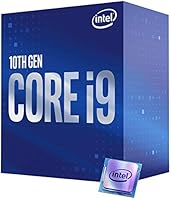
  • Package Dimensions: The retail box measures approximately 4.72 x 2.76 x 3.94 inches and weighs around 10.6 ounces.
  • Cooler Included: The boxed version does not include a stock CPU cooler, so a compatible aftermarket or third-party cooler must be purchased separately.
  • Memory Channels: Dual-channel memory architecture supports up to DDR4-2933 MHz in the official Intel specification.
  • User Rating: Holds a 4.6 out of 5 star average rating based on over 110 verified buyer reviews on Amazon.
  • Market Rank: Ranked approximately #901 in the Computer CPU Processors category on Amazon at time of listing.
  • Launch Date: The processor was first made available in May 2020, coinciding with Intel's broader 10th Generation desktop CPU launch.
  • Discontinued Status: Intel has not officially discontinued this processor as of the product listing data available.

Related Reviews
Intel Core i9-11900K Desktop Processor
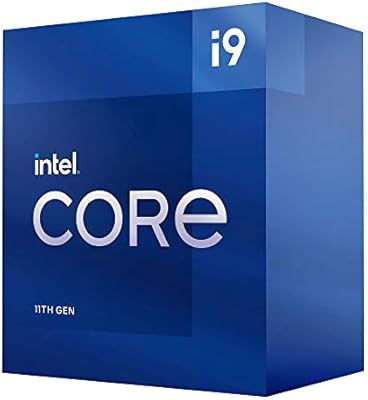
70%
91%
Gaming Performance
93%
Single-Core Speed
67%
Multi-Threaded Performance
54%
Thermal Performance
84%
Overclocking Capability
More
Intel Core i9-9900K Desktop Processor
74%
91%
Gaming Performance
83%
Multi-Core Throughput
88%
Overclocking Headroom
61%
Thermal Management
77%
Platform Compatibility
More
Intel Core i9-13900F Desktop Processor
76%
93%
Multi-Threaded Performance
88%
Gaming Performance
57%
Thermal Management
71%
Value for Money
84%
Platform Compatibility
More
Intel Core i9-13900KS Desktop Processor
75%
96%
Single-Core Performance
91%
Multi-Core & Threaded Performance
58%
Thermal Management
63%
Value for Money
78%
Overclocking Headroom
More
Intel Core i9-12900KS Desktop Processor
75%
94%
Raw Processing Performance
92%
Gaming Performance
58%
Thermal Management
54%
Power Consumption
91%
Out-of-Box Clock Speed
More
Intel Core i9-10980XE Desktop Processor
84%
94%
Multi-core Performance
91%
Overclocking Capability
60%
Power Consumption
62%
Thermals (Heat Output)
88%
Compatibility (X299 & Optane)
More
Intel Core i9-11900 Desktop Processor
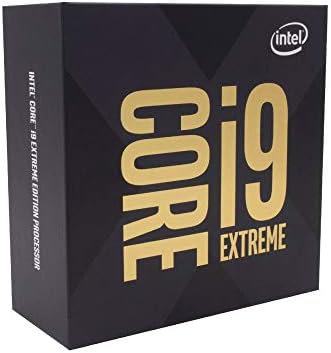
70%
88%
Single-Core Performance
74%
Multi-Core Throughput
91%
Thermal Efficiency
63%
Value for Money
79%
Platform Compatibility
More
Intel Core i9-14900KF 14th Gen Desktop Processor
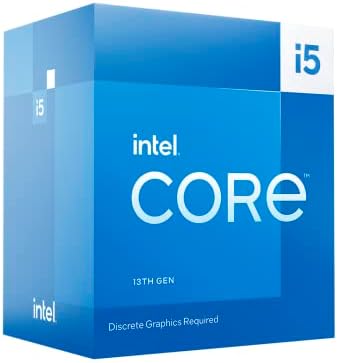
70%
88%
Gaming Performance
91%
Multitasking & Productivity
54%
Thermal Management
51%
Power Consumption
78%
Overclocking Headroom
More
Intel Core i5-13400F Raptor Lake Desktop Processor
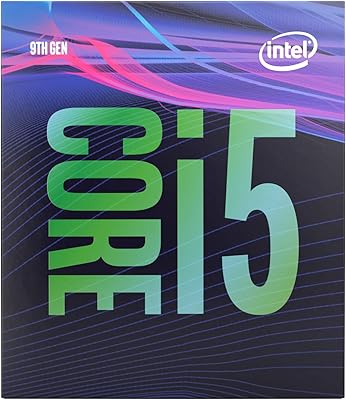
75%
88%
Gaming Performance
91%
Value for Money
84%
Multitasking Capability
86%
Platform Compatibility
71%
Thermal Performance
More
Intel Core i5-9500 Desktop Processor
72%
88%
Everyday Performance
81%
Gaming Capability
91%
Thermal Management
58%
Multi-threaded Workloads
83%
Platform Compatibility
More

FAQ

No, it does not. The boxed version of this chip does not include a CPU cooler, so you will need to budget for one separately. Given that sustained workloads can push temperatures higher than the 65W TDP number might suggest, a quality mid-range or better aftermarket cooler is strongly recommended rather than a bare-minimum option.

The i9-10900 fits any motherboard with an LGA1200 socket and an Intel 400-series chipset. Z490 boards give you the most complete feature set including full PCIe 3.0 support, while B460 boards work well if you do not need overclocking features. Always check your board manufacturer's CPU support list to confirm BIOS compatibility before buying.

Not in the traditional sense. The i9-10900 has a locked multiplier, so manual CPU overclocking is off the table — that capability is reserved for the i9-10900K variant. You can still adjust memory speeds and some power limits on Z490 boards, but if overclocking headroom is a priority, the K version is the chip to look at.

Quite well, actually. The 10-core, 20-thread configuration handles timeline scrubbing, multi-stream editing, and export rendering in applications like Premiere Pro and DaVinci Resolve with real confidence. It is not the fastest chip available today, but for the platform it delivers strong and consistent throughput on creative workloads.

It handles gaming fine, but that is not where it truly shines. Games that are heavily single-threaded may favor chips with higher peak boost clocks, and some newer alternatives edge it out in pure frame-rate benchmarks. Where it does stand out is in scenarios where gaming and streaming or recording run simultaneously, since the extra threads keep both tasks from competing too aggressively.

In sustained all-core workloads like 3D rendering and heavy compilation, Ryzen 9 chips of the same era — particularly the Ryzen 9 3900X and 5900X — can match or beat this Comet Lake chip, often with better power efficiency. For mixed workloads and general productivity the gap is narrower. AMD also has a platform longevity advantage since AM4 supported multiple generations of CPUs.

Yes, this variant does include Intel UHD Graphics 630. Unlike the i9-10900F, which has the integrated GPU disabled, the standard i9-10900 can drive a display without a dedicated graphics card — though you would not want to rely on it for gaming or GPU-accelerated creative work.

The i9-10900 officially supports DDR4 memory in a dual-channel configuration, rated up to DDR4-2933MHz in Intel's spec. In practice, most Z490 boards allow you to run faster kits via XMP profiles. If you already own a DDR4 kit from a previous build, there is a good chance it will work without issue.

That is the honest question to ask before buying. LGA1200 was a single-generation socket — Intel moved to LGA1700 with Alder Lake, so there is no CPU upgrade path from here without a new motherboard. If you are building around this chip as a long-term platform expecting to swap in a newer processor later, that is not possible. It makes more sense as a complete build rather than a foundation to grow.

A 240mm all-in-one liquid cooler or a quality dual-tower air cooler like those from Noctua or be quiet! will handle this chip comfortably under sustained loads. Budget air coolers may struggle during extended all-core workloads even at the rated 65W TDP, since real-world power draw can climb above that figure depending on motherboard power limit settings.