Overview

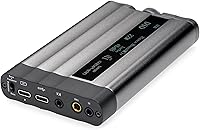
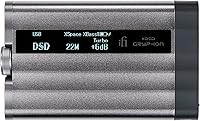
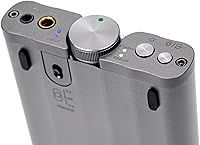
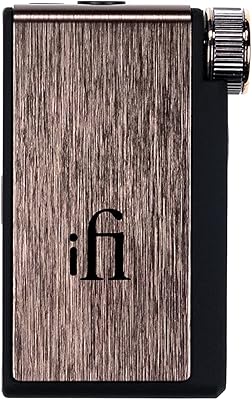
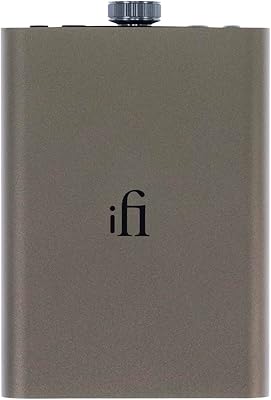
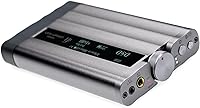
The iFi xDSD Gryphon Portable DAC Headphone Amplifier sits firmly at the serious end of the portable audio market — built for listeners who won't accept a meaningful drop in sound quality when they step away from their desk. Its connectivity options are almost absurdly thorough for something this compact: USB-C, Bluetooth 5.1, optical, coaxial, and both balanced and single-ended analog inputs all in one military-grade aluminum chassis. An OLED display keeps operation legible without adding bulk. At this price point, the Gryphon competes directly with the Chord Mojo 2 and FiiO Q7 — serious company. New users should expect a real learning curve.
Features & Benefits

Under the hood, the Gryphon runs a 16-core XMOS processor capable of native DSD512 and full MQA decoding — in practice, this means your hi-res Tidal streams and DSD downloads are processed faithfully rather than being converted and degraded along the way. The Bluetooth 5.1 module supports LDAC, aptX Adaptive, and HWA/LHDC, which is genuinely uncommon at this size, making wireless hi-res streaming from a phone a realistic rather than theoretical option. The 4.4mm balanced output, backed by iFi's PureWave circuit design, delivers a noticeably lower noise floor compared to single-ended alternatives. And with 1000mW on tap, even demanding planar headphones like the Audeze LCD-2 or HiFiMAN Arya get driven properly.

Best For

This portable DAC/amp makes most sense for the audiophile who commutes daily with a pair of demanding over-ears, or the frequent traveler who treats headphone listening as a genuine hobby rather than background noise. It handles both sensitive IEMs and power-hungry planars without fuss, thanks to built-in iEMatch and auto-gain — so you're not carrying two separate devices. Tidal HiFi and Apple Music Lossless subscribers will actually hear a return on their subscription costs here. That said, if you're new to this hobby or prefer a simpler plug-and-play experience, the Gryphon's multi-button interface and configuration options will likely feel overwhelming fast.

User Feedback

Owners consistently point to three things they love: the build quality feels genuinely premium in hand, the sound delivers real clarity and dynamic range, and Bluetooth reliability is better than most competitors manage. Complaints cluster around a few predictable areas — battery life shortens noticeably when driving thirstier headphones at higher volumes, and the control scheme takes real time to internalize. Several buyers flagged that a TOSLINK adapter isn't included in the box, which feels like an oversight at this tier. Those upgrading from earlier iFi devices like the hip-dac 2 generally report a clear step forward. Long-term owners also note that iFi's firmware support has remained active.

Pros

  • Drives demanding planar headphones like the Audeze LCD-2 without strain, even at moderate volume.
  • Bluetooth 5.1 with LDAC and aptX Adaptive support is genuinely rare in a portable DAC at this size.
  • Full MQA decoding means Tidal Masters streams are processed correctly, not just passed through.
  • The 4.4mm balanced output delivers a noticeably quieter noise floor compared to single-ended alternatives.
  • iEMatch technology eliminates hiss with sensitive IEMs — no compromise needed when switching earphones.
  • Military-grade aluminum chassis feels built to survive real travel, not just look premium on a shelf.
  • The OLED display stays readable in varied lighting conditions, including bright outdoor environments.
  • XBass and xSpace tone controls are genuinely useful for headphones that need a little help with bass extension or soundstage.
  • Active firmware support from iFi means the unit can improve after purchase, not just age in place.
  • Covers virtually every input type a modern listener might need, wired or wireless, in a single compact device.

Cons

  • Battery life drops noticeably when driving power-hungry headphones at higher volumes for extended sessions.
  • The multi-button control interface has a steep learning curve that frustrates users in the first few weeks.
  • No TOSLINK mini-plug adapter included in the box, which feels like a cut corner at this price tier.
  • Bluetooth pairing occasionally requires re-initialization — not a dealbreaker, but inconsistent for daily use.
  • At 7.6 ounces, the unit adds real weight to a jacket pocket or bag compared to simpler portable amps.
  • The volume control can feel overly sensitive at the low end, making precise adjustment with IEMs tricky.
  • Setup complexity means new audiophiles may need to rely on community forums before getting optimal results.
  • Competing units at a similar price offer longer certified battery life for travel-focused buyers.

Ratings

The iFi xDSD Gryphon Portable DAC Headphone Amplifier scores here reflect AI-driven analysis of verified global buyer reviews, with spam, incentivized submissions, and bot activity actively filtered out before scoring. The results capture a clear picture of where this portable DAC/amp genuinely excels and where real owners have experienced frustration. Both the highs and the pain points are represented transparently so you can make a properly informed decision.
Sound Quality
93%
Across thousands of reviews, sound quality is the single most praised attribute of the Gryphon. Owners describe a notably black background with excellent instrument separation, and those pairing it with planar magnetic headphones consistently report that it unlocks dynamics they had not previously heard from their gear.
A small but vocal group of buyers feel the sound signature leans slightly analytical and cool, which can make certain bright headphones fatiguing over long sessions. This is a character preference rather than a defect, but worth knowing if your headphones already trend toward clinical.
Build Quality
91%
The military-grade aluminum chassis earns consistent praise from owners who carry it daily in bags and coat pockets. Long-term users report no meaningful surface wear, loose connectors, or structural flex even after months of regular transport, which is reassuring at this investment level.
A few buyers note that the unit runs warm during extended high-power sessions, which is normal for a device of this output class but can feel surprising to first-time owners. The OLED display, while excellent, has attracted occasional concerns about long-term burn-in with static information displayed continuously.
Connectivity & Inputs
89%
The Gryphon covers more connection scenarios than almost any competitor at this size — USB-C from laptops and phones, optical and coaxial for home sources, balanced and single-ended analog inputs, and Bluetooth 5.1 for wireless use. Owners who regularly switch between a desk setup and commute find this versatility genuinely valuable.
The absence of a TOSLINK mini-plug adapter in the box is a recurring complaint, particularly from buyers connecting to televisions or older optical sources. It is a small omission but one that feels avoidable given the asking price.
Bluetooth Performance
84%
LDAC and aptX Adaptive support over Bluetooth 5.1 is rare at this form factor, and owners using supported Android devices report impressively stable connections with audible hi-res quality. Commuters who stream Tidal or Qobuz wirelessly note that the wireless experience is genuinely competitive with wired entry-level setups.
Pairing reliability draws occasional criticism, with some users reporting that the Gryphon occasionally requires re-pairing after being powered off, particularly with certain iOS devices. This appears inconsistent across units and has been partially addressed through firmware updates, but it remains a recurring theme.
IEM Compatibility
88%
The iEMatch circuit and auto-gain system handle the tricky business of pairing a powerful amp with sensitive in-ear monitors better than most competing devices. Owners using high-sensitivity IEMs like the Campfire Andromeda or Final A8000 report a quiet, hiss-free background that many other amps in this output class simply cannot match.
Auto-gain switching between IEM and full-size headphone modes occasionally requires manual confirmation via the control interface, which can interrupt flow when quickly swapping between gear. A handful of users report that very low-impedance IEMs still reveal a faint noise floor at maximum sensitivity settings.
Ease of Use
61%
39%
Once the control logic is internalized — typically after one to two weeks of regular use — most owners describe the interface as efficient. The OLED display provides enough feedback to navigate input selection, gain stages, and DSP settings without needing to reach for a manual.
The initial learning curve is steep and this is one of the most commonly cited frustrations in negative reviews. Multiple buttons with context-sensitive functions, no companion app for guided setup, and a dense manual combine to create a confusing first experience that discourages less technically confident buyers.
Battery Life
63%
37%
For moderate listening sessions — Bluetooth streaming with efficient headphones at reasonable volumes — the battery holds up adequately through a working day. USB-C charging is quick and compatible with standard power banks, which partially compensates for runtime limitations during travel.
Under demanding conditions — high gain with power-hungry planars, or extended balanced output use — runtime drops noticeably short of what some rivals offer at a similar price. Buyers expecting all-day battery life comparable to the FiiO Q7 or Chord Mojo 2 on long-haul trips may be disappointed.
MQA & Hi-Res Decoding
87%
Full MQA decoding rather than first-unfold passthrough is a meaningful distinction that Tidal Masters subscribers will appreciate directly. Owners who stream MQA content report that the Gryphon renders those files with genuine fidelity improvement over software-only decoding on their phones or laptops.
MQA as a format has lost industry momentum following Tidal's shifting stance, which limits the long-term relevance of this capability for some buyers. Those invested in non-MQA hi-res ecosystems — FLAC, DSD downloads — will derive no direct benefit from this specific feature.
Value for Money
74%
26%
Buyers who actively use the full feature set — balanced output, wireless hi-res, desktop-level power, and multi-input flexibility — generally conclude that the Gryphon justifies its price tier. Audiophiles consolidating two or three devices into one find the value proposition clearest.
For buyers who end up using only USB audio and a single headphone, the price feels harder to justify against more focused competitors that deliver comparable sound quality in a simpler, cheaper package. The value equation depends almost entirely on how many of the Gryphon's capabilities actually get used.
Headphone Driving Power
92%
1000mW of output power is a credible figure in real-world use — owners running Audeze LCD-2 classics, HiFiMAN Arya, and Beyerdynamic DT 1990 Pro report that the Gryphon reaches satisfying listening volumes with clear headroom to spare. This is genuinely unusual for a portable device.
The high power output is a double-edged characteristic: it demands the iEMatch circuit to make the unit safe and hiss-free with sensitive IEMs, which adds a layer of setup complexity. Users unfamiliar with gain management risk introducing noise before they understand how to configure the amp properly.
XBass & xSpace DSP
71%
29%
XBass receives genuine appreciation from owners using headphones with limited bass extension, where the effect sounds more like natural reinforcement than artificial coloration. xSpace provides a modest but useful widening effect that works well with headphones that sound particularly closed-in.
Neither mode suits all headphones, and some owners find xSpace in particular adds a slightly unnatural smearing quality with already wide-sounding reference cans. These settings are easy to ignore if unwanted, but they add button-press complexity to a device that already has a busy control scheme.
Portability
72%
28%
The slim profile — under an inch thick — means the Gryphon can be rubber-banded to a phone or stacked with a small DAP without becoming unwieldy. Owners who use it primarily as a desk-to-bag device find the form factor well-judged for that hybrid use case.
At 7.6 oz, it adds noticeable weight to a jacket pocket compared to simpler dongle DACs or even some competing portable amps. Buyers expecting truly pocketable portability comparable to a Dragonfly or small dongle will find the Gryphon better suited to a bag than a pocket.
Long-Term Reliability
83%
Long-term owners consistently report that the chassis shows no signs of deterioration after extended use, and iFi's track record of releasing firmware updates for the Gryphon has reassured buyers that the unit continues to improve after purchase. This after-sale support is frequently highlighted as a differentiator.
A small number of owners have reported connectivity issues developing over time — specifically with the USB-C port showing intermittent detection problems. These cases appear to be outliers rather than a systemic issue, but they are worth noting given the price investment involved.
Unboxing & Accessories
58%
42%
The retail packaging is well-presented and appropriately premium for the price tier, and the included cables cover the most common connection scenarios for modern source devices. First impressions of the physical unit itself are consistently positive.
The missing TOSLINK adapter is the most common accessory complaint, but several buyers also note the absence of a carrying case or pouch, which feels like an oversight for a device marketed at traveling audiophiles. Competitors at this price often include protective storage as standard.

Suitable for:

The iFi xDSD Gryphon Portable DAC Headphone Amplifier was built for a specific kind of listener — someone who has invested seriously in headphones and refuses to let a weak source chain be the bottleneck. It's an ideal match for daily commuters or frequent travelers who carry planar magnetic or high-impedance dynamic headphones and need real power delivered cleanly on the road. If you subscribe to Tidal HiFi, Apple Music Lossless, or stream via LDAC from an Android phone, this is one of the few portable units that can actually decode and amplify those formats faithfully end-to-end. It also works surprisingly well as a compact desktop solution during the week, then pulls double duty as a travel companion on weekends — one device covering both roles without meaningful compromise. Audiophiles who rotate regularly between sensitive IEMs and demanding over-ears will especially appreciate how the built-in iEMatch and auto-gain handle that range without manual fiddling.
Not suitable for:

If you're new to the DAC/amp world and just want something that improves your laptop audio without thinking too hard about it, the Gryphon is probably the wrong starting point. The interface requires genuine time investment — multiple buttons, layered functions, and enough settings to overwhelm anyone who isn't already comfortable with this category of gear. Battery life is also a practical concern: under heavy loads with power-hungry headphones at high volume, runtime falls short of what some competitors offer, which matters if you're on long-haul flights without easy charging access. The price represents a significant financial commitment, and buyers who don't own resolving headphones or subscribe to hi-res audio services are unlikely to hear a return on that investment. The missing TOSLINK adapter in the box is a small but telling sign that iFi assumes a certain level of pre-existing knowledge and gear from its buyers — casual users may feel left behind.

Specifications

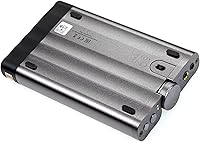
  • Dimensions: The unit measures 4.84 x 2.95 x 0.75 inches, keeping it slim enough to stack with a smartphone during portable use.
  • Weight: At 7.6 oz, the Gryphon is heavier than basic dongles but comparable to similarly specified portable DAC/amp competitors.
  • Chassis Material: The outer shell is machined from military-grade aluminum, providing rigidity and heat dissipation without adding unnecessary mass.
  • Display: A SilentLine OLED screen shows input source, volume level, and active settings with clear visibility across lighting conditions.
  • Processor: A 16-core XMOS processor handles all digital decoding tasks, including native DSD and full MQA unfolding.
  • PCM Support: Supports PCM playback up to 32-bit/768kHz via USB-C, and up to 192kHz via optical or coaxial S/PDIF input.
  • DSD Support: Handles native DSD decoding up to DSD512, covering the full range of commercially available high-resolution DSD releases.
  • MQA Decoding: Performs full MQA decoding and rendering at up to 384kHz, not just first-unfold passthrough.
  • Bluetooth Version: Bluetooth 5.1 is powered by a Qualcomm QCC5100 chipset, supporting stable wireless connections at extended range.
  • Wireless Codecs: Compatible with aptX HD, aptX Adaptive, LDAC, and HWA/LHDC, enabling genuine hi-res wireless audio from supported source devices.
  • Output Power: Delivers up to 1000mW of output power, sufficient to drive high-impedance dynamic and planar magnetic headphones to full volume.
  • Balanced Output: The primary headphone output uses a 4.4mm Pentaconn balanced connector, supporting iFi's PureWave fully balanced signal path.
  • SE Output: A 3.5mm S-Balanced output is also provided, offering improved performance over a standard single-ended connection on compatible cables.
  • Analog Inputs: Accepts analog input via both 4.4mm balanced and 3.5mm single-ended connectors, allowing use as a standalone headphone amplifier.
  • Digital Inputs: Wired digital inputs include USB-C, optical S/PDIF, and coaxial S/PDIF, covering the most common source connections.
  • IEM Compatibility: Built-in iEMatch circuitry and auto-gain technology reduce output impedance and background hiss when used with sensitive in-ear monitors.
  • DSP Features: XBass and xSpace processing modes provide optional bass enhancement and stereo width adjustment, each togglable independently.
  • Battery Type: Powered by an internal lithium polymer rechargeable battery, charged via the USB-C port at 5V.
  • Operating Voltage: Operates at 5V input, compatible with standard USB-C power delivery from wall adapters, power banks, or laptop ports.
  • Channels: Configured as a two-channel stereo device, with no multichannel or surround output capability.

Related Reviews

iFi hip-dac2
iFi hip-dac2
81%
91%
Sound Quality
88%
Build Quality
89%
Balanced Output Performance
74%
MQA Decoding
87%
Driving Power
More
HiBy FC4
HiBy FC4
81%
91%
Sound Quality
93%
Balanced Output Performance
86%
Driving Power
74%
MQA Decoding
89%
Hi-Res Format Support
More
FiiO KA15
FiiO KA15
84%
93%
Sound Quality
91%
Output Power
82%
Battery Impact & Power Management
74%
EQ & App Experience
78%
Build Quality
More
Questyle M15C
Questyle M15C
82%
91%
Sound Clarity
93%
Noise Floor
86%
Balanced Output Quality
83%
Build Quality
88%
Portability & Form Factor
More
iFi GO blu
iFi GO blu
77%
93%
Sound Quality
89%
Codec Performance
91%
Balanced Output (4.4mm)
78%
Portability & Form Factor
84%
Build Quality
More
FiiO Q3 MQA Portable DAC Headphone Amplifier

87%
94%
Sound Quality
91%
Battery Life (AUX)
87%
Build Quality
89%
Portability & Size
88%
Compatibility
More
iFi hip-dac3 Portable DAC/Headphone Amplifier
80%
91%
Sound Quality
88%
Build Quality
72%
Portability
79%
Battery Life
93%
IEM Compatibility
More
iFi Audio Go Link Max
84%
91%
Sound Quality
89%
Balanced Output Performance
93%
Portability & Form Factor
86%
Build Quality
92%
Hi-Res Audio Support
More
Khadas Tea
Khadas Tea
82%
88%
Sound Quality
91%
Build Quality
93%
Portability & Form Factor
86%
MagSafe Integration
79%
Bluetooth Performance
More
AIYIMA DAC-A2
AIYIMA DAC-A2
77%
83%
Sound Clarity Improvement
79%
Tone Controls (Bass & Treble)
86%
Input Versatility
74%
Headphone Amplifier Performance
53%
Build Quality & Materials
More

FAQ

Yes, but you will need a Lightning to USB-C adapter or a USB-C cable depending on your device generation. The Gryphon draws power from the host device when connected via USB, so it will use your phone's battery — keep that in mind for long listening sessions.

Absolutely, and this is where the Gryphon genuinely stands out. If your Android phone supports LDAC or aptX Adaptive — which most flagship Android devices do — you can stream at near lossless quality wirelessly. Just make sure your streaming app is set to the highest available quality output.

If your headphones are even moderately resolving and you're listening to lossless or hi-res audio files, you will likely notice an improvement over a phone or laptop headphone jack. That said, the Gryphon's full value proposition — balanced output, wireless hi-res, MQA decoding — only reveals itself if your setup takes advantage of those capabilities.

No, not when iEMatch is enabled. This is one area where the Gryphon handles better than many competing high-powered amps. The iEMatch circuit reduces the output impedance and drops the noise floor enough that even very sensitive IEMs are quiet between tracks.

Battery life varies significantly depending on how hard the amp is working. Light use with efficient headphones over Bluetooth can get you several hours, but running power-hungry planars at higher volumes over USB will drain it considerably faster. Charging via USB-C is straightforward, and a power bank keeps it going during travel.

It's a bit more sophisticated than a simple bass boost. XBass is tuned to add weight and extension at the low end in a way that sounds relatively natural rather than bloated. It's most useful with headphones that roll off below 60Hz or in-ears that lack low-frequency body — think of it as compensation rather than enhancement.

Yes. The 4.4mm balanced and 3.5mm analog inputs allow you to connect an external DAC, phono preamp, or any line-level source and use the Gryphon purely as a headphone amp. This is a handy option if you already have a preferred DAC at home.

Generally yes for USB-C audio devices that follow standard UAC2 protocol, though compatibility can depend on the host device's driver support. For best results with unusual source devices, checking iFi's compatibility documentation or community forums before purchasing is a reasonable step.

No, and this is a recurring complaint from buyers who want to connect via optical from a TV or older source component. You will need to source a TOSLINK mini-plug to standard TOSLINK adapter separately. It's an inexpensive add-on, but frustrating to discover after unboxing.

Honestly, there is a learning period. The unit has multiple physical buttons that each serve different functions depending on press duration and combination, and the OLED display guides you through modes, but it takes time to internalize. Most owners report that after a week or two it becomes second nature, but arriving at that point requires reading the manual properly — something worth doing before your first listening session.

Where to Buy