Overview

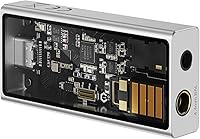
The Questyle M15C is a compact USB DAC and headphone amplifier that punches noticeably above its weight class for on-the-go listening. Questyle built its reputation on current-mode amplification, and this dongle DAC carries that DNA in a form factor small enough to slip into a shirt pocket. It handles everything from standard 16-bit audio up to 32-bit/384kHz PCM and even DSD256, which puts it well ahead of most basic dongles in raw decoding capability. The box includes both a Type-C to Type-C cable and a USB-A adapter, so you can plug in and start listening on almost any device without hunting for extras.

Features & Benefits

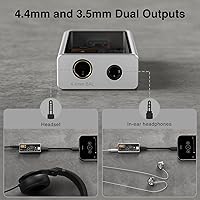
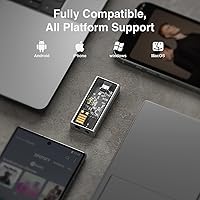
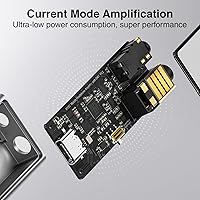
At the heart of this portable amp are four CMA engines — Questyle's current-mode approach that keeps distortion low and the noise floor nearly inaudible. That matters most when running sensitive in-ear monitors, where even faint background hiss from a lesser dongle becomes a real distraction on a quiet track. The 4.4mm balanced output is a genuine differentiator here, and the manual gain switch means you are not stuck with a single power setting for every headphone you own. It is MFi certified for iPhone users and works across Android, HarmonyOS, and Windows without requiring driver installation on most systems.

Best For

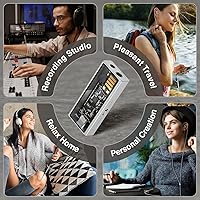
This dongle DAC hits a sweet spot for listeners ready to step beyond the cheapest adapters but not yet committed to a desktop setup. If you stream lossless audio through Apple Music or Tidal and feel your phone's built-in output is shortchanging the experience, this portable amp is worth a serious look. It is particularly well-suited to IEM enthusiasts who prioritize a dead-quiet background over raw power. Students and remote workers will appreciate how much it improves laptop audio without adding desk clutter. Anyone already owning 4.4mm balanced cables will find those cables put to genuine use here from day one.

User Feedback

Owners of this portable amp frequently mention how clean and quiet the background is, particularly when running sensitive IEMs — a real-world confirmation of Questyle's noise floor claims. Build quality earns consistent praise too; the metal housing feels more premium than you might expect. Where opinions split is on how much difference the balanced output delivers over single-ended — some listeners describe a clear improvement in soundstage width, while others find it more subtle. A few buyers note the unit gets warm during extended use, and some Windows users report needing to tweak settings on initial setup. Against competition like the FiiO KA13, this dongle DAC tends to come out slightly ahead on perceived refinement.

Pros

  • The noise floor is genuinely near-silent, which makes a real audible difference on sensitive IEMs.
  • Plug-and-play compatibility on iPhone, Android, and Windows works reliably without driver headaches.
  • The 4.4mm balanced output gives IEM listeners a meaningful upgrade path without buying new gear.
  • Manual gain switching lets you tune output power to your headphones rather than accepting a single fixed setting.
  • DSD256 and 32-bit/384kHz support places this portable amp well above entry-level dongles in decoding capability.
  • Metal build quality feels noticeably more premium than the plasticky budget alternatives in this category.
  • Both Type-C and USB-A cables are included, so you can connect to virtually any modern device immediately.
  • Sound staging and fine detail retrieval on lossless tracks is a clear step up from phone analog outputs.
  • Compact enough to carry daily without adding meaningful weight or bulk to a bag or pocket.
  • Works across iOS, Android, HarmonyOS, and Windows, making it a genuinely versatile cross-platform solution.

Cons

  • Supplied cables feel thin and utilitarian relative to the overall asking price of the unit.
  • The unit runs noticeably warm during extended listening sessions, especially on high gain.
  • Only two gain stages create an abrupt jump with no middle option for moderately demanding headphones.
  • Some Windows users need to manually set it as the default audio device, which is less polished than the mobile experience.
  • The balanced output advantage over single-ended is subtle enough that some listeners struggle to hear it without careful A/B testing.
  • A small number of older Android devices show intermittent recognition issues despite broad compatibility claims.
  • The dangling dongle-and-cable setup from a phone can feel awkward in tight pockets during physical activity.
  • Power headroom for planar magnetic or high-impedance over-ear headphones runs thin at higher volume levels.

Ratings

The Questyle M15C scores here reflect AI-driven analysis of verified buyer reviews collected globally, with spam, bot-generated, and incentivized feedback actively filtered out before scoring. Across hundreds of real-world impressions — from daily commuters to home-office listeners — both the genuine strengths and recurring frustrations of this dongle DAC are represented without bias. The result is a transparent, balanced picture of where this portable amp genuinely delivers and where it leaves room for improvement.

Sound Clarity
91%
Users consistently describe the background noise as near-silent, which becomes obvious when switching from a phone's built-in output to this portable amp on a quiet track. Sensitive IEM owners in particular report that fine details in acoustic recordings — reverb tails, subtle instrument separation — come through with noticeably more definition.
A handful of listeners feel the overall sound signature leans slightly analytical, which some describe as lacking warmth compared to a few rivals at this price tier. Those expecting a lush, euphonic character may find the clinical accuracy less satisfying for extended casual listening.
Noise Floor
93%
This is arguably the M15C's strongest suit. Reviewers with highly sensitive in-ears report zero audible hiss even at moderate gain settings, which is a meaningful achievement for a dongle at this price. During commutes or late-night listening, the dead-quiet background lets low-level details in recordings stand out clearly.
A small number of users note that on maximum gain with extremely high-sensitivity IEMs, a faint residual hiss can occasionally appear. It is not a widespread complaint, but it suggests the near-zero noise floor claim is most accurate at low-to-medium gain settings.
Balanced Output Quality
86%
Owners who run 4.4mm balanced cables report a perceptible improvement in stereo width and a slightly blacker background compared to the single-ended output. For IEM listeners who have already invested in quality balanced cables, the upgrade in perceived space around instruments feels genuinely worthwhile.
Opinions are split on how dramatic the difference actually is. Some buyers find the balanced versus single-ended gap more subtle than expected, and a few note that at normal listening volumes the advantage is hard to distinguish without careful A/B testing.
Build Quality
83%
The metal housing feels noticeably more solid than plasticky budget dongles, and reviewers frequently comment that it does not feel like a throwaway accessory. The overall fit and finish is consistent with Questyle's premium brand positioning, which reassures buyers that it will hold up through daily bag-to-bag use.
A few users mention that the included cables feel slightly thin for the price paid, and there are occasional comments about the connector feeling marginally loose after extended daily use. Nothing catastrophic, but the accessories do not quite match the quality feel of the unit itself.
Portability & Form Factor
88%
At under four ounces and roughly the size of a large USB drive, this portable amp fits naturally in a jacket pocket or clipped to a phone case without adding noticeable bulk. Commuters and students consistently praise how little it intrudes on day-to-day carrying habits compared to even compact desktop DACs.
The dongle-plus-cable setup creates a short dangling chain from your phone, which some users find annoying when the phone is in a tight jeans pocket. A built-in fixed cable option, like some rivals offer, would suit those who prefer a more integrated carry solution.
Compatibility
87%
MFi certification makes plug-and-play use on iPhone genuinely reliable — no app required, no finicky handshake issues. Android users across multiple brands report equally smooth detection, and Windows 10 and 11 machines typically recognize the device without any manual driver installation.
A portion of Windows users report needing to manually select the device in audio settings before it takes over output, which can be confusing for less technically inclined buyers. A small number of older Android devices on version 5.1 also show intermittent recognition issues.
Gain Control
79%
21%
The manual gain switch is a practical feature that most dongle DACs skip entirely. IEM users can stay on low gain for a quieter floor, while those running full-size over-ear headphones can flip to high gain without the volume control running out of headroom at reasonable listening levels.
With only two gain stages, there is an audible jump between settings that some users find too coarse. A middle gain option would better serve headphones that sit between ultra-sensitive and hard-to-drive, and a few reviewers note the switch itself feels a bit stiff to toggle on the fly.
Hi-Res Audio Performance
89%
Listeners who play DSD files or high-resolution FLAC tracks through this dongle DAC report that the extra detail compared to standard streams is clearly audible rather than theoretical. Apple Music lossless users in particular note a meaningful step up over their phone's analog output on well-recorded albums.
The full benefit of 32-bit/384kHz support is only accessible if your source material and streaming service actually provide that quality, which limits real-world impact for listeners primarily using compressed or standard-quality libraries. For those, the improvement is present but more modest.
Value for Money
77%
23%
Within the context of Questyle's brand heritage and the four-engine CMA architecture, this portable amp represents a reasonable ask for buyers who want genuine audiophile engineering in a pocket-friendly format. Users who previously owned budget alternatives frequently describe the M15C as a clear quality jump.
At this price point, competition from FiiO and Shanling is fierce, and a few buyers feel those rivals offer comparable sound at a lower outlay. The Questyle name carries a premium that not everyone finds fully justified when the sonic differences are marginal on casual listening.
Heat Management
67%
33%
During typical listening sessions of an hour or less, most users report only mild warmth from the unit — well within normal operating expectations for a Class A-influenced design. For desk use where the dongle rests on a surface, heat dissipation is generally not an issue.
Extended use sessions — two hours or more of continuous playback, especially on high gain — generate noticeable warmth that some users find uncomfortable when the unit is resting against bare skin. A handful of reviewers express mild concern about long-term thermal stress, though no hardware failures have been widely reported.
Cable & Accessory Quality
71%
29%
The inclusion of both a Type-C to Type-C cable and a USB-A adapter means buyers can connect to virtually any modern device straight out of the box. Most reviewers appreciate that neither adapter requires a separate purchase, which is not always the case with competing products.
The supplied cables feel utilitarian rather than premium, and a few users replaced them within weeks with aftermarket options for a more secure connection. Given the asking price, a braided or higher-spec cable would have been a welcome touch to match the quality of the unit itself.
Ease of Setup
85%
Plug-and-play functionality works as advertised across most platforms. iPhone users report that it is genuinely one of the simplest dongles to get running — just plug in and the phone hands off audio automatically without any settings changes needed.
PC users occasionally hit a configuration step where they need to set it as the default audio device manually, which feels less polished than the mobile experience. The user manual is minimal and does not address platform-specific troubleshooting, leaving some buyers to rely on online forums.
Driving Power
74%
26%
For IEMs and efficient on-ear headphones, this portable amp delivers more than enough clean power, and the gain switch helps squeeze extra output for moderately demanding headphones. Casual listeners running standard consumer headphones will likely never touch the gain switch at all.
High-impedance or planar magnetic headphones that genuinely need current and voltage overhead will hit the limits of what this dongle can provide. It is not designed to be a powerhouse driver, and buyers running 300-ohm or planar cans at demanding listening levels may find the headroom somewhat tight.

Suitable for:

The Questyle M15C is a strong fit for listeners who have outgrown the audio quality of their phone or laptop's built-in output but are not ready to commit to a full desktop DAC setup. IEM enthusiasts in particular will get the most out of this dongle DAC — the near-silent noise floor means even highly sensitive in-ears can run without audible hiss, which is a real-world difference you notice immediately on quiet classical or acoustic recordings. iPhone users streaming Apple Music lossless or Tidal HiFi will find this portable amp unlocks detail in their library that the Lightning or USB-C analog adapter simply cannot resolve. It also makes a genuine difference for remote workers and students who spend hours a day on video calls or focused listening sessions and want noticeably better audio from a laptop without adding a single piece of desk equipment. Anyone who already owns a pair of 4.4mm balanced IEM cables will find immediate, practical value in the balanced output rather than treating it as a theoretical upgrade.

Not suitable for:

Buyers who primarily drive high-impedance, power-hungry headphones — think 250-ohm or 300-ohm dynamic drivers, or planar magnetics — will likely find the Questyle M15C underpowered for serious listening at higher volumes, and should be looking at a more capable portable amp or a desktop unit instead. Listeners who prefer a warm, forgiving, or euphonic sound signature may find the M15C's analytical, detail-forward character fatiguing over long sessions, particularly on brighter headphones. If you mostly listen to compressed streaming at standard quality and are not running dedicated audiophile headphones, this dongle DAC's technical advantages will be largely inaudible and the investment hard to justify. Budget-focused buyers who shop primarily on price-per-performance metrics may find that competing dongles from FiiO or Shanling come close enough sonically at a meaningfully lower outlay. Finally, anyone who dislikes the physical dongle-and-cable form factor — especially for phone use on the go — would be better served by a device with a fixed integrated cable for a tidier carry experience.

Specifications

  • Brand: Manufactured by Questyle, a brand known for its current-mode amplification technology used across both portable and desktop audio products.
  • Model Number: The exact model identifier for this unit is M15C, distinguishing it within Questyle's portable DAC and amplifier lineup.
  • DAC Architecture: The M15C uses four CMA (Current Mode Amplification) engines working in parallel to reduce distortion and maintain a low noise floor.
  • PCM Support: Decoding support spans from 16-bit/44.1kHz standard resolution up to 32-bit/384kHz high-resolution PCM audio.
  • DSD Support: Native DSD decoding is supported up to DSD256, enabling playback of high-resolution DSD audio files without conversion to PCM.
  • Outputs: Two headphone outputs are provided: a 3.5mm single-ended jack and a 4.4mm fully balanced jack for compatible headphones and IEM cables.
  • Gain Control: A manual gain switch allows users to select between low and high gain modes to suit different headphone sensitivities and impedances.
  • Connection: The device connects to source devices via USB Type-C, drawing power directly from the host device with no separate charging required.
  • iOS Compatibility: The M15C carries MFi (Made for iPhone/iPad) certification, ensuring reliable plug-and-play operation on Apple devices without additional apps or adapters.
  • OS Support: Compatible operating systems include iOS, Android 5.1 and above, HarmonyOS, and Windows 10 and above, covering virtually all modern platforms.
  • Included Cables: The package includes one Type-C to Type-C cable and one Type-C to USB-A adapter, enabling connection to both modern and legacy USB ports.
  • Dimensions: Package dimensions measure 5.31 x 2.76 x 1.14 inches, reflecting the compact footprint of the unit and its minimal accessories.
  • Weight: The total item weight is 3.84 ounces, making this dongle DAC light enough for comfortable all-day portable carry.
  • Signal-to-Noise: Questyle rates the M15C with a high signal-to-noise ratio and near-zero noise output, particularly beneficial for sensitive in-ear monitors.
  • Lossless Passthrough: The device supports lossless and high-resolution audio passthrough, preserving original recording quality without introducing compression artifacts in the signal chain.
  • Category Rank: The M15C holds a rank of approximately 123 in the Headphone Amps category on Amazon, indicating a strong commercial presence in its segment.
  • Release Date: This product was first made available for purchase on September 24, 2024, placing it among the more recently released options in its category.
  • Manufacturer: Questyle Audio Engineering is the manufacturer, a company headquartered in China with a focus on high-fidelity portable and desktop audio equipment.

Related Reviews
Questyle M15i
Questyle M15i
82%
93%
Sound Quality
91%
DAC Performance
88%
Build Quality
92%
Balanced Output (4.4mm)
79%
Device Compatibility
More

FAQ

Yes, it does. The Questyle M15C carries MFi certification, which means your iPhone recognizes it automatically the moment you plug it in. No apps, no configuration steps — audio just routes through the dongle straight away.

It can drive a range of over-ear headphones reasonably well, especially on the high gain setting. That said, if you are running 250-ohm or 300-ohm dynamic drivers, or planar magnetics that need serious current, you may find the headroom runs thin at higher volumes. It is best matched to IEMs and efficient over-ear headphones rather than genuinely demanding loads.

In practice, the 4.4mm balanced output tends to offer a slightly wider stereo image and a marginally blacker background on well-recorded tracks. Whether you hear a meaningful difference depends on your headphones and how carefully you listen — some users describe it as clearly better, others find it subtle. If you already own 4.4mm balanced cables, it is worth using; if you do not, the 3.5mm output is still very capable.

It does generate some warmth, especially on high gain during extended use. For desk listening where the unit rests on a surface, this is not really an issue. If it is sitting against your phone in a pocket for two-plus hours of continuous playback, you will notice it getting warm to the touch, though no widespread hardware problems have been reported from this.

On most Windows 10 and Windows 11 machines it is recognized without installing anything. The one thing you may need to do is go into your sound settings and manually set it as the default playback device, which takes about ten seconds. A small number of users have needed to tweak USB audio settings further, but this is not a common issue.

You can absolutely use it with Spotify — the dongle will improve the audio output regardless of the app. That said, Spotify currently streams at compressed quality, so the high-resolution decoding capabilities of this portable amp will not be fully exercised. You will hear the biggest improvement using services that actually deliver lossless or hi-res streams, like Apple Music lossless or Tidal HiFi.

It is a genuine fully balanced output, not just a physical adapter. The M15C is designed with balanced circuitry that keeps the left and right channel grounds separate all the way through the signal path, which is what produces the actual sonic difference compared to single-ended output.

Both are solid choices in this price range. The M15C is generally regarded as having a slightly more refined and analytical sound character, while some FiiO options are perceived as warmer and more forgiving. The Questyle name carries a premium that some buyers find justified and others do not — if pure specs per dollar is your priority, the competition is close. If brand heritage and CMA architecture matter to you, this dongle DAC has a clear identity.

It works well with Android devices running version 5.1 and above, which covers the vast majority of Android phones in use today. Most users report plug-and-play detection with no setup needed. A small number of older Android devices have shown intermittent recognition issues, but this is not a widespread problem with current handsets.

The box includes the DAC unit itself, a Type-C to Type-C cable, and a Type-C to USB-A adapter, plus a basic user manual. For most people that is everything needed to start listening immediately on a phone or laptop. The only scenario where you might need an extra purchase is if you want to use a Lightning-to-USB-C adapter for an older iPhone model, which Apple sells separately.