iFi Audio Go Link Max


Overview
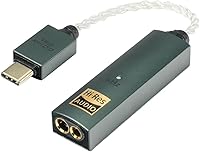
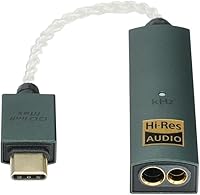
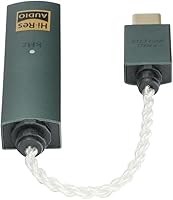
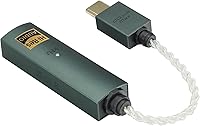
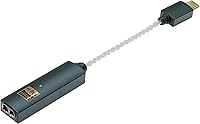
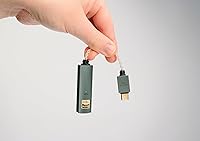
The iFi Audio Go Link Max is one of the more interesting dongles to land in the mid-range USB-C audio space recently — partly because iFi, a brand built on serious engineering credentials, doesn't tend to cut corners even at accessible price points. This dongle DAC weighs barely half an ounce, slips into any pocket, and ships with both 3.5mm and 4.4mm outputs built in, which is genuinely rare at this tier. The dual ESS Sabre chip configuration in a balanced layout is the headline spec, and it sets this portable amp apart from single-chip competitors. Plug it into a USB-C phone or laptop and you're ready to go — no drivers required.
Features & Benefits
Running two ESS Sabre DAC chips in a balanced circuit isn't a marketing gimmick — it meaningfully reduces channel crosstalk, and you can hear it in how cleanly the stereo image separates. The 4.4mm balanced output pushes up to 241mW, which handles most mid-sensitivity IEMs and mid-impedance headphones without strain, though anyone running demanding planar magnetics should look elsewhere. iFi's Dynamic Range Enhancement technology attempts to surface fine detail that standard playback tends to bury, and listeners who favor classical or acoustic recordings notice it most. The THD compensation circuit handles distortion correction in real time. Silver-plated copper conductors and gold-plated connectors round out a build that feels several notches above average for a dongle.
Best For
This dongle DAC suits anyone who's grown frustrated with the flat, congested sound from a phone's built-in audio but doesn't want to carry a bulky portable amp. Commuters and remote workers plugging into a USB-C laptop will find it particularly practical — no software installation, genuine hi-res support, and a balanced output that makes a real difference with quality IEMs. Tidal and Apple Music Lossless subscribers will finally have hardware that decodes what they're paying for. It also fits people upgrading from a basic single-chip dongle who want to hear what a proper balanced circuit actually sounds like. Power-hungry planar magnetic headphones are about the only use case this portable amp won't fully satisfy.
User Feedback
Buyers consistently highlight soundstage width and vocal clarity as standout qualities, particularly when comparing the Go Link Max to iFi's standard Go Link — the step up in resolution is widely noted. On the positive side, plug-and-play compatibility across Android and most USB-C laptops is reported as genuinely reliable. The main criticism is IEM hiss with very sensitive in-ears, a known ESS Sabre trait that some listeners find distracting. The DRE feature divides opinion: plenty keep it active, while others prefer it off for a flatter, more neutral presentation. Cable rigidity also surfaces as a minor but recurring complaint, particularly for users who carry the dongle loose in a pocket.
Pros
- Dual ESS Sabre chips in a balanced configuration deliver genuinely cleaner stereo separation than single-chip competitors.
- The 4.4mm balanced output provides real headroom for mid-sensitivity IEMs and moderate-impedance headphones.
- Native DSD256 and 384kHz PCM support covers every serious hi-res format without compromise.
- Plug-and-play across Android, macOS, and Windows — no driver installation, no configuration.
- At under 15 grams, the Go Link Max disappears into a pocket or bag without any added bulk.
- Silver-plated copper conductors and gold-plated connectors reflect build quality well above the typical dongle tier.
- The THD compensation circuit keeps distortion low even at higher listening volumes where cheaper dongles start to strain.
- Soundstage width gets a consistent upgrade over single-ended listening, particularly with quality IEMs in the balanced chain.
- DRE technology adds subtle but real low-level detail recovery, especially appreciated on acoustic and classical recordings.
- Buyers upgrading from the standard Go Link report a clear, audible step up in resolution and openness.
Cons
- Audible hiss with highly sensitive IEMs above roughly 105 dB is a recurring, well-documented issue.
- The ESS Sabre analytical tuning divides listeners — those wanting warmth may be disappointed regardless of technical performance.
- Cable stiffness makes the dongle sit awkwardly when plugged into a phone kept in a trouser pocket.
- iPhone users require a separate adapter not included in the box, adding extra cost and a point of failure.
- DRE feature polarizes users — a notable portion disable it within days of first use.
- Long-term connector durability concerns appear in a small but consistent number of reviews after heavy daily use.
- Power output, while strong for a dongle, falls short for high-impedance or demanding planar magnetic headphones.
- Competing dongles at a similar price offer comparable raw specs, so the value case depends on trusting iFi's implementation.
- No inline volume or playback controls, which some commuters find inconvenient when the phone is in a bag.
- Cable micro-kinking after extended daily use is mentioned by long-term owners as a gradual wear concern.
Ratings
The iFi Audio Go Link Max sits at an interesting crossroads in the portable audio market — promising audiophile-grade specs in something you can carry on a keychain. The scores below were generated by AI after systematically analyzing verified global buyer reviews, with spam, bot activity, and incentivized feedback actively filtered out. Both what users genuinely love and what frustrates them in real daily use are reflected transparently in each category.
Sound Quality
Balanced Output Performance
Portability & Form Factor
Build Quality
Hi-Res Audio Support
Plug-and-Play Compatibility
Dynamic Range Enhancement (DRE)
IEM Noise Floor / Hiss
Value for Money
THD & Distortion Performance
Cable Quality
Device & OS Compatibility
Soundstage & Imaging
Suitable for:
The iFi Audio Go Link Max is a strong match for anyone who has outgrown their phone's built-in audio and wants a meaningful, portable upgrade without committing to a bulky dedicated amp. Commuters and remote workers who spend hours listening through quality IEMs or mid-impedance headphones will notice the most tangible improvement — the balanced 4.4mm output genuinely changes how music sounds through capable transducers, not just on paper. Tidal Masters and Apple Music Lossless subscribers will finally have hardware that honors those hi-res files at their actual resolution, which is something a phone's DAC simply cannot do. It also fits IEM enthusiasts in the 90–100 dB sensitivity range who want a clean noise floor and proper dynamic headroom without hiss. If you're upgrading from a basic single-chip dongle and already own a decent pair of headphones or IEMs, the sonic improvement is real and audible from the first listen.
Not suitable for:
The iFi Audio Go Link Max is not the right tool for every listener, and being clear about that matters. Anyone running highly sensitive IEMs — particularly those above 105 dB sensitivity — should take the ESS Sabre hiss concern seriously, as it surfaces consistently enough in real-world use to be a genuine dealbreaker for quiet-passage listening. Buyers hoping to drive demanding planar magnetic headphones or high-impedance cans will hit a ceiling; 241mW is impressive for a dongle but not a substitute for a proper desktop or portable amp stack. Listeners who strongly prefer a warm, forgiving sound signature may find the analytical ESS Sabre tuning too clinical for their taste, no matter how technically capable it is. iPhone users on older Lightning models will need an additional adapter that doesn't come in the box, which adds both cost and friction. And if you don't already own quality headphones or IEMs to pair it with, the step-up in performance simply won't be audible — the hardware ceiling only matters if your transducers can reach it.
Specifications
- DAC Chips: Uses dual ESS Sabre DAC chips configured in a fully balanced circuit, which reduces channel crosstalk and improves stereo separation compared to single-chip designs.
- Outputs: Equipped with both a 3.5mm single-ended output and a 4.4mm Pentaconn balanced output, covering the two most common headphone connection standards in a single unit.
- Output Power: Delivers up to 241mW via the 4.4mm balanced output, providing sufficient drive for mid-sensitivity IEMs and moderate-impedance headphones.
- PCM Support: Supports PCM audio up to 32-bit/384kHz, covering CD quality, high-resolution FLAC, and all standard lossless streaming formats natively.
- DSD Support: Handles native DSD256 playback at up to 11.3MHz, meaning no conversion to PCM is required for DSD audio files.
- Dimensions: Measures 5.91 × 0.59 × 0.39 inches, making it slim enough to sit flush against most phone cases without significant protrusion.
- Weight: Weighs approximately 0.53 oz (around 15g), adding virtually no noticeable load to a phone or laptop during daily use.
- Connector: Features a gold-plated USB-C input connector designed to minimize oxidation and maintain reliable contact quality over repeated insertions.
- Cable Conductors: The internal cable uses silver-plated copper conductors with a twisted construction to reduce electromagnetic interference and preserve signal integrity.
- Driver Requirement: Operates fully as a plug-and-play USB audio device on Android, Windows, and macOS — no software installation or manual configuration is required.
- Interface: Connects via USB with a 24-pin USB-C connector, communicating as a standard USB Audio Class device recognized by all major modern operating systems.
- Audio Channels: Outputs two channels of stereo audio, with the balanced path keeping left and right channels electrically isolated for improved noise rejection.
- DRE Technology: Incorporates iFi's proprietary Dynamic Range Enhancement processing, which attempts to recover low-level micro-detail that standard digital playback tends to compress or obscure.
- THD Compensation: Includes a real-time Total Harmonic Distortion compensation circuit that actively identifies and corrects harmonic distortion artifacts before they reach the output stage.
- Headphone Sockets: Both the 3.5mm and 4.4mm headphone sockets are gold-plated to resist corrosion and maintain consistent electrical contact with repeated daily use.
- Manufacturer: Designed and produced by Abbingdon Music Research, the parent company behind the iFi Audio brand, which is based in the United Kingdom.
- Model Number: Officially designated as the Go Link Max, distinguishing it from the entry-level Go Link in iFi's dongle lineup with its dual-chip balanced architecture.
- Mounting Type: Uses a cable-mount form factor, meaning it hangs from the USB-C port rather than plugging directly flush against the device body.
Related Reviews
Antelope Audio Zen Go Synergy Core Interface
ION Audio Max LP
iFi Zen Air Phono Preamplifier
Dayton Audio Wave-Link WLS Wireless Audio System
iFi GO blu
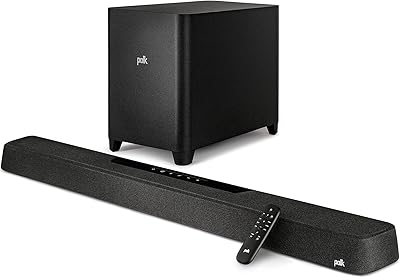
Polk Audio MagniFi Max AX Sound Bar
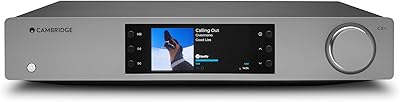
Cambridge Audio CXN100 Network Audio Streamer
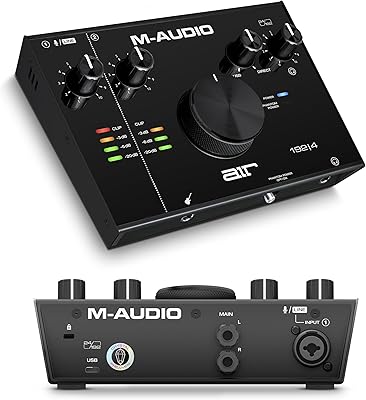
M-Audio AIR 192|4
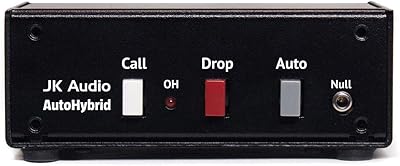
JK Audio Autohybrid Telephone Audio Interface