Overview

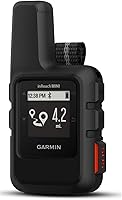
The Garmin InReach Mini Satellite Communicator is a surprisingly small device — barely larger than a pack of cards — built for adventurers who regularly push past the edge of cell coverage. Its core appeal is straightforward: two-way global messaging and an interactive SOS capability, all running over the Iridium satellite network rather than any cellular infrastructure. This is genuinely premium-tier gear, aimed at serious hikers, backcountry skiers, and solo travelers who treat safety as non-negotiable. One important reality to budget for is the mandatory satellite subscription, which adds ongoing cost beyond the device itself. Compared to bulkier options like older SPOT units, the InReach Mini is notably lighter and more packable.
Features & Benefits

What sets this satellite communicator apart from basic one-way beacons is its ability to send and receive text messages anywhere on Earth, using the global Iridium network. Trigger an SOS and you are not just firing a distress signal into the void — you are opening a live two-way conversation with a staffed monitoring center around the clock. Pair it via Bluetooth with the free Earthmate app and you gain access to downloadable maps, NOAA charts, and color aerial imagery. Add an optional weather forecast subscription and it becomes a capable expedition planning tool. Battery life stretches to 24 days in tracking mode, and the unit is fully waterproof and built for hard use.

Best For

The InReach Mini hits its sweet spot with solo adventurers — hikers, trail runners, mountaineers — who spend real time in genuinely remote terrain where a dropped cell signal is a permanent reality, not an occasional inconvenience. Backcountry skiers and climbers will appreciate that it weighs just 3.52 ounces and clips cleanly onto a shoulder strap or harness with the included carabiner. Long-distance cyclists on remote routes and international travelers navigating regions with thin infrastructure are also natural fits. Existing Garmin users get a particular bonus since this compact rescue device pairs with compatible wearables and handhelds, keeping message management familiar. Families with a member who ventures out alone regularly will find it a tangible safety net.

User Feedback

Owners consistently praise how naturally this compact rescue device disappears into a kit — clips onto a pack without bulk, and most people forget it is there until they need it. Verified SOS accounts circulating in hiking communities do a lot to build genuine confidence in the emergency feature. That said, the button-only interface and tiny screen make composing messages slow and fiddly, especially with gloves on in cold conditions. Subscription costs generate steady grumbling; it is a standard requirement across satellite messengers, but the ongoing expense still stings. Some users also flag Bluetooth instability in freezing temperatures when paired with the Earthmate app, and opinions are split on whether shorter tracking intervals justify the hit to battery life.

Pros

  • Two-way messaging works anywhere on Earth, not just regions with cellular towers or Wi-Fi.
  • At 3.52 ounces, this satellite communicator is among the lightest options in its category.
  • Interactive SOS connects you to a live, staffed monitoring center rather than firing a silent distress signal.
  • Battery life reaches up to 24 days in tracking mode, reducing charging anxiety on long expeditions.
  • Waterproof construction holds up in rain, snow, and river crossings without special handling.
  • Pairs with the free Earthmate app for map access, NOAA charts, and aerial imagery at no extra hardware cost.
  • Integrates with compatible Garmin wearables and handhelds, so you can manage messages from a device you already trust.
  • The included carabiner clip and spine mount adapter make attachment to packs or harnesses quick and secure.
  • Optional weather forecast tiers let you scale the service to match your actual expedition needs.
  • Iridium network coverage is genuinely global, including polar regions where other satellite networks fall short.

Cons

  • A mandatory satellite subscription adds recurring costs on top of an already premium device price.
  • The 1.27-inch screen makes reading and composing messages difficult, particularly in bright sunlight.
  • Button-only navigation is slow and cumbersome when typing out anything longer than a short check-in message.
  • Cold-weather glove use makes the physical interface even more frustrating than it is at room temperature.
  • Bluetooth connectivity to the Earthmate app has been reported as unreliable in freezing temperatures.
  • Satellite signal acquisition requires a clear sky view — dense forest or deep canyons can delay or block connection.
  • Shorter tracking intervals drain battery significantly, forcing a trade-off between location accuracy and longevity.
  • The InReach Mini offers no built-in map display; navigation relies entirely on a paired phone or Garmin device.
  • Subscription plan management through Garmin's portal has drawn criticism for being confusing and difficult to adjust.
  • New users often face a learning curve with device setup and pairing before their first real trip.

Ratings

The Garmin InReach Mini Satellite Communicator earns strong overall marks across our AI-driven review analysis, which processed thousands of verified global buyer experiences while actively filtering out incentivized, duplicate, and bot-generated feedback. Scores reflect a balanced picture — where this satellite communicator genuinely excels in safety-critical performance and portability, and where it falls short in usability and ongoing cost transparency. Both the strengths that make it a trusted backcountry tool and the friction points that frustrate everyday users are represented here without sugarcoating.

Satellite Coverage & Reliability
91%
Users consistently report that the InReach Mini connects successfully in locations where every other communication option has already failed — deep wilderness, high alpine routes, and international destinations with no carrier infrastructure. The 100% global Iridium network is a genuine differentiator, and seasoned adventurers treat this coverage as the single most important reason they chose it over competitors.
Signal acquisition slows noticeably under heavy forest canopy or inside narrow canyon terrain, and a handful of users report frustrating delays at the exact moments they needed fast connectivity. The device performs best with an open sky view, which is not always achievable in the environments where it tends to get used most.
SOS & Emergency Performance
88%
Real-world SOS activation accounts shared across hiking and mountaineering communities consistently describe a fast, professional response from the monitoring center. The interactive two-way nature of the SOS — where you can communicate back and forth with coordinators — is meaningfully better than the silent one-way distress signals that cheaper beacons send.
The system depends on maintaining a satellite lock during an emergency, which is not guaranteed in all terrain types. A small number of users have noted anxiety around whether the signal would hold in a genuine crisis, and the SOS confirmation flow — while deliberately protected against accidents — can feel slow when adrenaline is running high.
Portability & Form Factor
93%
At 3.52 ounces and roughly the size of a thick matchbox, the InReach Mini disappears into a kit in a way that bulkier units simply cannot. Hikers and trail runners specifically mention forgetting it is clipped to their shoulder strap until they actually need it, which is exactly the behavior you want from safety gear.
A few users who carry it in a pants or chest pocket find the spine mount adapter less secure than expected over rough terrain, requiring occasional re-clipping. The compact form is almost universally praised, but the very small size does mean the buttons are closely spaced and harder to distinguish by feel alone.
Battery Life
84%
Up to 24 days in tracking mode is exceptional for a device in this category, and users on multi-week expeditions consistently report finishing trips with meaningful charge remaining when using conservative tracking intervals. For most backcountry trips of a week or less, battery anxiety is essentially a non-issue.
Shortening the tracking interval to improve location accuracy — which many users prefer for safety reasons — dramatically cuts into that 24-day figure. Users who track at 10-minute intervals instead of the default report battery life dropping to a fraction of the advertised maximum, which creates a genuine trade-off that Garmin does not prominently flag upfront.
Messaging Usability
53%
47%
Pre-set messages work well for routine check-ins, and pairing with the Earthmate app on a smartphone makes composing free-text messages significantly faster and less frustrating. Users who set up their preset library before a trip report the communication workflow feeling reasonably smooth for basic status updates.
Composing anything beyond a short canned message directly on the device is genuinely painful — the 1.27-inch screen and button-only input turn even a brief text into a slow, error-prone exercise. Gloved hands in cold conditions make it worse, and multiple users describe giving up mid-message and defaulting to a preset rather than persisting through the interface.
Build Quality & Durability
89%
The housing feels solid and purpose-built, and users who have taken it through rain, snow, river crossings, and rocky scrambles report no damage or functional degradation. The waterproofing in particular draws consistent praise from kayakers and canyon hikers who have subjected it to sustained water exposure.
A small number of users report cosmetic scratching on the screen after extended use without a case, and the USB charging port cover — while functional — feels less robust than the rest of the unit. These are minor complaints overall, but worth noting for buyers planning very long-term ownership.
Earthmate App Experience
67%
33%
When it works well, the Earthmate app meaningfully extends what the InReach Mini can do — turning a tiny communicator into a capable map-and-message hub on a full smartphone screen. Users who invest time in downloading maps and setting up contacts before a trip generally report a positive app experience in the field.
Bluetooth connectivity between the app and device drops intermittently in cold temperatures, which is precisely the condition under which backcountry users are most likely to need it. App store reviews also flag occasional sync issues after firmware updates, and some users describe the app interface as clunky compared to competing platforms like Zoleo's companion app.
Subscription Value
58%
42%
The flexible Freedom Plan option — which lets users suspend service during off-season months — softens the sting of ongoing costs and is frequently cited as a reasonable compromise for seasonal adventurers. Users who are active outdoors year-round tend to view the subscription as a straightforward cost of doing business for this category of device.
For buyers who only head into the backcountry a handful of times per year, the cumulative subscription cost over two or three years can easily approach or exceed the device price itself, which generates real frustration. Multiple reviewers describe discovering the ongoing cost structure only after purchase, suggesting Garmin could do more to set expectations at point of sale.
Garmin Ecosystem Integration
82%
18%
Owners of compatible Garmin handhelds and select Garmin wearables gain the ability to read and send messages directly from those devices, which is a genuine convenience for users who already have a Garmin GPS on their wrist or in their hand. The integration feels natural rather than bolted on, especially with newer Garmin devices.
The integration is only useful if you already own compatible Garmin hardware — for everyone else, it is a feature that simply does not apply. A few users with older Garmin devices found their units were not on the compatibility list, making the ecosystem pitch feel overstated for their specific setup.
Setup & Onboarding
61%
39%
Users with prior experience setting up Garmin products typically find the initial configuration manageable, and the documentation covers the core steps clearly enough for most people to get the device activated and paired without outside help. Garmin's support resources online are reasonably thorough for common setup questions.
First-time satellite communicator users frequently describe the activation and subscription setup as confusing, with several reporting they were unsure whether their device was properly configured until they successfully completed a test message. Attempting setup without a cell signal — as some users have tried in the field — adds another layer of difficulty that multiple buyers describe as avoidable with better in-box guidance.
Tracking Accuracy
74%
26%
At standard tracking intervals, the breadcrumb trail is accurate enough for family members monitoring a solo traveler's progress, and users report that the map view in Earthmate shows a reliable representation of their route. For the core use case of letting someone know you are moving and where you are, it performs well.
Users who want fine-grained real-time location data — such as technical climbers or race support crews — find the tracking interval trade-offs limiting. The gap between aggressive tracking precision and acceptable battery consumption is wide enough that some users feel forced to choose between accurate data and a device that lasts the trip.
Weather Service
71%
29%
The optional weather forecast add-on delivers genuinely useful forecast data directly to the device or paired phone, and expedition users doing multi-day routes in mountain environments describe it as a worthwhile upgrade for the premium tier. Having weather data without needing cell service is a practical capability that competing devices rarely match.
The basic weather package is considered too limited by users who actually need reliable forecast data for safety decisions, pushing them toward the premium tier at additional cost. Some users also report that forecast update frequency feels slower than expected, particularly during rapidly changing alpine weather conditions where timeliness matters most.
Value for Money
62%
38%
For serious backcountry adventurers who use the device regularly and subscribe annually, the combination of global two-way messaging, interactive SOS, and Iridium coverage represents a defensible value proposition relative to alternatives. Users who have actually needed to trigger an SOS almost universally say the device was worth every dollar.
For occasional users or those comparing it against a no-subscription PLB for pure emergency use, the total cost of ownership over several years is difficult to justify. The device sits at a premium price point before accounting for subscriptions, and buyers who underestimate recurring costs frequently express regret in their reviews.

Suitable for:

The Garmin InReach Mini Satellite Communicator was built for people who regularly operate in terrain where a cell signal is simply not an option — not occasionally, but as a baseline expectation. Solo hikers tackling multi-day backcountry routes, mountaineers pushing into high alpine zones, and trail runners covering remote ridgelines are the clearest fits, since the ability to send a real two-way message or trigger a monitored SOS can mean the difference between a close call and a tragedy. Backcountry skiers and ice climbers will appreciate that it weighs under four ounces and clips securely to a harness or shoulder strap without getting in the way. Long-distance cyclists riding through regions with patchy infrastructure and international adventure travelers heading into areas with no reliable local carrier coverage will find it genuinely useful rather than a novelty. Families with a member who regularly heads into the wilderness alone also stand to benefit — being able to receive a simple check-in message removes a lot of anxiety. Existing Garmin users with compatible handhelds or wearables get extra value since message handling integrates directly into devices they already know.

Not suitable for:

The Garmin InReach Mini Satellite Communicator is a poor match for anyone who primarily sticks to well-traveled trails, parks with cellular coverage, or weekend day hikes close to populated areas — the ongoing subscription cost simply would not be justified by the risk profile of those trips. Casual hikers or occasional campers who venture out a few times a year would likely find a cheaper, simpler solution like a personal locator beacon more cost-effective, since PLBs require no monthly fees and handle basic one-way distress signaling adequately. If fast, comfortable text communication is important — say, coordinating detailed logistics with a team — the tiny screen and button-only input will frustrate rather than help, especially with gloves on. Budget-conscious buyers also need to go in clear-eyed: the device price is just the entry point, and satellite subscription plans add a recurring expense that compounds over time. Anyone expecting the SOS feature to work perfectly in dense tree canopy or deep canyon terrain should temper that expectation, as reliable satellite acquisition requires a reasonably clear view of the sky. If you are already carrying a full-featured Garmin GPS handheld with inReach built in, adding this as a standalone unit may be redundant.

Specifications

  • Weight: The device weighs 3.52 ounces, making it one of the lightest satellite communicators available for backcountry use.
  • Dimensions: It measures 2 x 1.3 x 3.9 inches, compact enough to fit in a shirt pocket or clip to a pack strap without interfering with movement.
  • Screen Size: The built-in display is 1.27 inches, sufficient for reading incoming messages and status indicators but not intended for map navigation.
  • Battery Life: In tracking mode, battery life extends up to 24 days on a single charge from the included lithium polymer battery.
  • Satellite Network: All messaging and SOS functions operate over the Iridium satellite network, which provides 100% global coverage including polar regions.
  • Connectivity: The device connects to smartphones and compatible Garmin devices via Bluetooth, and charges and syncs data via USB.
  • Water Resistance: The unit is rated waterproof, designed to withstand rain, splashing, and brief submersion encountered during outdoor activities.
  • Input Method: Navigation and text entry are handled entirely through physical buttons; there is no touchscreen on the device itself.
  • SOS Function: Triggering SOS opens an interactive two-way communication session with a 24/7 staffed search and rescue monitoring center.
  • Subscription: A Garmin satellite service subscription is required to activate messaging, tracking, and SOS features; the device cannot function without one.
  • App Compatibility: The free Garmin Earthmate app, available for iOS and Android, provides access to downloadable maps, NOAA charts, and aerial imagery when paired.
  • Device Pairing: Compatible with a range of Garmin handheld GPS units and select Garmin wearables, allowing message handling from those devices directly.
  • Map Support: Through the Earthmate app, users can access downloadable topographic maps, U.S. NOAA marine charts, and color aerial imagery.
  • Weather Service: An optional inReach weather forecast add-on is available in basic and premium tiers, delivering forecasts directly to the device or paired unit.
  • In the Box: The package includes the InReach Mini unit, a carabiner clip, a spine mount adapter, a USB cable, and product documentation.
  • Color: The standard version reviewed here is offered in Black; other color variants may be available depending on retailer and region.
  • Audio Output: The device supports stereo audio output mode, though primary interaction relies on the screen and physical buttons rather than audio alerts.
  • Model Number: The official Garmin model number for this unit is 010-01879-01, useful when verifying compatibility with accessories or subscription plans.

Related Reviews
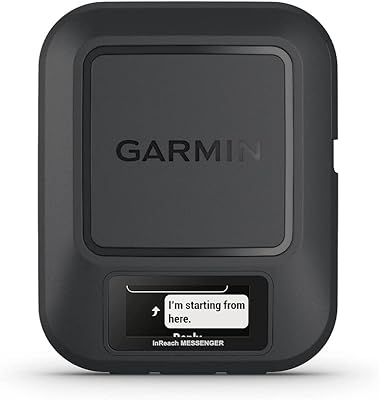
Garmin inReach Messenger Satellite Communicator
77%
88%
Satellite Reliability
93%
SOS Effectiveness
84%
Two-Way Messaging
91%
Portability & Form Factor
54%
Subscription Value
More
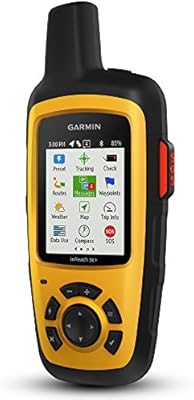
Garmin inReach SE+ Satellite Communicator
75%
94%
SOS Reliability
91%
Satellite Coverage
78%
Two-Way Messaging
83%
MapShare Tracking
74%
Earthmate App Integration
More
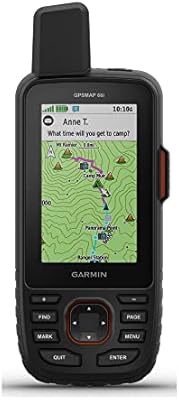
Garmin GPSMAP 66i GPS Satellite Communicator
82%
93%
Satellite Communication Reliability
89%
GPS Accuracy & Lock Speed
84%
Battery Life
91%
Map Quality & Coverage
82%
Display Legibility
More
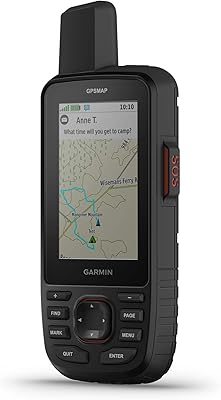
Garmin GPSMAP 67i Satellite GPS Handheld
79%
93%
GPS Accuracy
89%
Satellite Communication
91%
Battery Life
88%
Display Quality
92%
Build Quality & Durability
More
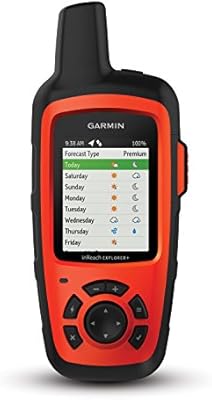
Garmin inReach Explorer+ Satellite Communicator
76%
93%
Satellite Reliability
88%
Two-Way Messaging
96%
SOS & Emergency Response
78%
Navigation & Mapping
61%
Value for Money
More
Garmin Dash Cam Mini 010-02062-00
85%
88%
Video Quality
91%
Ease of Installation
78%
App Integration & Usability
94%
Design & Portability
85%
Incident Detection Reliability
More
Beelink Mini S12 Pro (N100, 16GB, 500GB)
83%
83%
Everyday Performance
91%
Value for Money
76%
Build Quality & Design
84%
Thermal Management & Noise
88%
Connectivity & Ports
More
Beelink Mini S12 Mini PC
78%
88%
Value for Money
82%
Performance for Daily Tasks
79%
Build Quality & Design
91%
Dual Monitor Support
84%
Thermal Management & Noise
More
ACEMAGICIAN Kron Mini K1 Mini PC, Ryzen 7 7730U, 16GB RAM, 512GB SSD
85%
88%
Value for Money
91%
Performance for Everyday Tasks
94%
Compact Design & Portability
90%
Setup & Ease of Use
78%
Gaming Performance (Light)
More
Garmin DriveSmart 86 8-inch Car GPS Navigator
78%
93%
Display Quality
81%
Map Accuracy & Routing
78%
Voice Control
88%
Ease of Setup
72%
Live Services & Connected Features
More

FAQ

A satellite subscription is required to use any of the core features — messaging, tracking, and SOS all depend on it. Garmin does offer flexible plans including a Freedom Plan that lets you suspend service in months you are not using the device, which helps manage costs if your adventures are seasonal. You cannot use it as a live communicator without an active plan, though the device itself will still record your GPS track internally.

It works globally, including polar regions. The Iridium satellite network has genuine pole-to-pole coverage, which is one of the main reasons this satellite communicator is favored by expedition-level users. Competitors that rely on the Globalstar or Inmarsat networks have coverage gaps in some high-latitude areas, so for truly remote global travel, Iridium-based devices hold a real advantage.

The recipient does not need any special gear. Messages sent from the InReach Mini arrive as standard SMS texts or emails, depending on how you set up your contacts. They can reply directly from their phone or email, and their response comes back to your device over satellite. It is one of the more practical aspects of two-way satellite messaging compared to older one-way beacon systems.

Honestly, it is slow. The button interface works fine for short pre-set messages or quick status updates, but composing a longer free-text message on the device itself is tedious. Most people pair it with the Earthmate app on their phone and type from there, which is much faster. If you are wearing heavy gloves, even the button presses can be difficult, so practicing the workflow at home before a trip is a good idea.

The SOS activation is deliberately protected against accidental triggering — it requires holding the button for several seconds and then confirming the action on screen. A random bump in your pack will not set it off. That said, it is worth understanding the cancellation procedure before you head out, since false alarms do burden rescue services and can result in fees in some regions.

In open terrain with a clear view of the sky, acquiring a satellite signal typically takes one to three minutes. In dense forest, deep canyons, or under heavy cloud cover, it can take longer or intermittently drop. The Garmin InReach Mini Satellite Communicator performs best when you have an unobstructed view overhead, which is worth keeping in mind when choosing where to send a message or activate tracking.

The device itself does not display maps — the screen is too small for that. Navigation happens through the paired Earthmate app on your smartphone, which can show your GPS position on downloaded maps and charts. If you want standalone map navigation without a phone, you would need a dedicated Garmin handheld GPS unit; this compact rescue device is primarily a communication and safety tool.

All three serve a similar purpose, but there are meaningful differences. Zoleo has a slightly better messaging interface and competitive subscription pricing, but lacks the deep Garmin ecosystem integration. SPOT Gen4 is cheaper upfront and has lower plan costs, but only offers one-way messaging — you cannot receive replies. The InReach Mini sits at the premium end with two-way messaging, interactive SOS, and Iridium global coverage, which justifies the higher price for users who need the full feature set.

It is rated waterproof, so brief submersion and water exposure during outdoor activities should not damage it. It is not designed for prolonged deep-water submersion, but a river crossing mishap or getting caught in heavy rain should not be a problem. Many users specifically mention its durability in wet conditions as a confidence-building feature.

Setting it up ahead of time is strongly recommended. You will need to activate a subscription plan, update the firmware, sync the device with the Earthmate app, and pre-program your emergency contacts and preset messages. Doing all of that in camp with no cell signal is not the experience you want. Most experienced users do a test message exchange from home before any serious trip just to confirm everything is working end to end.

Where to Buy